
Pests and Diseases
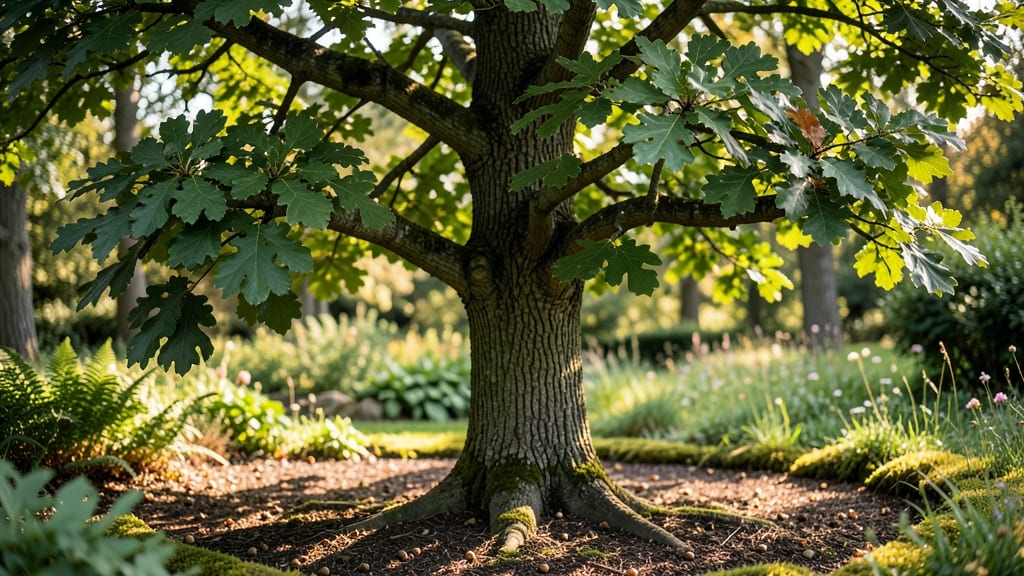
That delicate five-lobed leaf is what makes Japanese maples instantly recognizable—and worth growing. 🌿 I’ve been obsessed with their lace-like foliage since my first Acer palmatum stole the show in a neighbor’s yard, its leaves unfurling like tiny, scarlet fans in spring.
The real magic isn’t just the shape, though; it’s how these trees transform from fiery new growth into autumn’s fiery masterpiece, all while staying compact enough for even small gardens.
Japanese maples thrive in partial shade, where their leaves develop that signature depth of color, and well-draining soil that mimics their forest-floor roots. Most varieties stay under 10 feet tall, making them perfect for accent trees, container gardens, or even bonsai.
The key to keeping them happy? Consistent moisture—drought stress turns those stunning leaves dull—and occasional pruning to maintain their graceful silhouette. (Yes, even these delicate beauties need a little shaping!)
You’ll fall in love with how they age: the vibrant reds of spring give way to summer’s chartreuse, then the fiery oranges and purples of fall that last well into winter. Varieties like Bloodgood or Emperor I offer year-round interest, while Shishigashira adds a whimsical, mop-top shape.
The best part? Their pest resistance—deer usually skip them, and most diseases stay away if you avoid soggy soil.
Whether you’re planting one as a centerpiece or lining a path, Japanese maples deliver four-season drama with minimal fuss. Start with a young tree (they transplant well), and in just a few years, you’ll have a living work of art that outshines any store-bought ornament.
Here’s how to keep those iconic leaves looking their best—season after season.
Genetic and Environmental Triggers
The iconic five-lobed leaf of the Japanese maple isn’t just a quirky trait—it’s the result of a fascinating interplay between genetics and growing conditions. While the species is bred to showcase this signature shape, several factors can influence its development, sometimes leading to variations or even deformities.
Understanding these causes helps gardeners nurture the perfect specimen.
The five-lobed leaf is a hereditary trait deeply rooted in the Japanese maple’s (Acer palmatum) genetic code. This characteristic is passed down through selective breeding, where growers prioritize cultivars with the most distinct lobing. However, not all Japanese maples exhibit this trait equally:
- Cultivar Variations: Some varieties, like 'Bloodgood' or 'Shishigashira', are bred to emphasize deep, well-defined lobes, while others may have smoother or fewer lobes. Crossbreeding can dilute this trait over generations.
- Juvenile vs. Mature Leaves: Young saplings often produce simpler, three-lobed leaves before developing the classic five-lobed shape as they mature. Patience is key—it can take 3–5 years for the full signature to emerge.
- Hybridization Risks: If a Japanese maple is cross-pollinated with other maple species (e.g., Norway or sugar maples), the offspring may inherit a less distinct lobing pattern, blending traits unpredictably.
Actionable Tip: 🌿 To preserve the five-lobed trait, purchase certified cultivars from reputable nurseries and avoid planting near other maple species.
Japanese maples are temperature-sensitive, and extreme or inconsistent conditions can disrupt leaf development. Here’s how:
| Factor | Effect on Lobes | Solution |
|---|---|---|
| ❄️ Late Frost | New growth may emerge with smaller, underdeveloped lobes or even frost damage, leading to irregular shapes. | Protect young trees with frost cloth or choose cold-hardy cultivars (e.g., 'Crimson Queen'). |
| ☀️ Heatwaves | Intense heat can cause leaf curling or scorch, stunting lobe formation. Leaves may also fusion lobes prematurely, reducing definition. | Provide afternoon shade (especially in zones 7+). Mulch to regulate soil temperature. |
| 🌡️ Rapid Temperature Swings | Fluctuations stress the tree, leading to uneven growth—some lobes may grow larger while others remain stunted. | Plant in microclimates with stable conditions (e.g., near water features or under deciduous trees for dappled shade). |
Pro Tip: 🌡️ Monitor your local growing degree days (GDD) to time planting—Japanese maples thrive in 1,500–2,000 GDD zones (USDA 5–8).
Water—too much or too little—can dramatically alter leaf shape. Japanese maples prefer consistently moist but well-drained soil. Deviations lead to:
- Drought Stress:
The tree conserves water by producing smaller, thicker leaves with fewer lobes. Severe drought can cause leaf drop, resetting growth patterns.
- Overwatering/Root Rot:
Waterlogged soil suffocates roots, leading to yellowing leaves with poorly defined lobes. The tree may also develop secondary lobes or fused leaflets as a stress response.
- Seasonal Water Shifts:
Sudden changes (e.g., dry winters or rainy summers) confuse the tree’s growth rhythm, causing asymmetrical lobing.
Fix It: 💧 Use drip irrigation to deliver 1–1.5 inches of water weekly (adjust for clay/rocky soil). Amend soil with organic matter (e.g., compost) to improve drainage.
Pests and pathogens don’t just damage leaves—they hijack the tree’s developmental process, often resulting in malformed lobes. Common culprits include:
| Pest/Disease | Impact on Lobes | Prevention |
| 🐜 Japanese Beetles | Larvae feed on roots, while adults skeletonize leaves, causing ragged, underdeveloped lobes. | Apply neem oil or beneficial nematodes in early summer. Handpick beetles. |
| 🍄 Anthracnose Fungus | Infects leaf tissue, leading to dark spots and fused lobes. Severe cases cause leaves to crinkle or fail to fully expand. | Prune for airflow; spray copper fungicide in spring before buds swell. |
| 🐛 Spider Mites | Suck sap, causing stunted growth and brittle lobes. Leaves may turn bronze or white. | Blast off mites with water spray; introduce predatory mites. |
Early Warning: 🚨 Inspect new leaves in spring for discoloration or sticky residue (signs of pests/diseases). Act fast—damage in the first growth cycle permanently affects lobing.
By addressing these root causes, you’ll help your Japanese maple flaunt its five-lobed glory for years to come. 🌿✨
Reviving Your Maple’s Signature Leaves
If your Japanese maple’s iconic five-lobed leaves are looking less vibrant, damaged, or distorted, don’t panic—there’s hope! The right care can restore their beauty and prevent future issues.
Below, we’ve mapped out practical solutions for common problems, from environmental fixes to pest control, along with prevention tips to keep those leaves lush and healthy.
Cause: Nutrient deficiencies (especially nitrogen or iron), overwatering, or poor soil drainage. Fix:
- 🔥 Boost Nitrogen: Apply a balanced fertilizer (10-10-10) in early spring. For iron deficiency (yellowing between veins), use chelated iron supplements.
- 🍳 Improve Drainage: If soil is compacted, mix in organic matter (compost or peat moss) to aerate roots. Avoid soggy soil—water only when the top 1-2 inches are dry.
- 🌡️ Adjust Watering: Japanese maples hate "wet feet." Ensure pots have drainage holes, and water deeply but infrequently.
💡 Pro Tip: Mulch with wood chips (2-3 inches) to retain moisture and regulate soil temperature—just keep it 6 inches away from the trunk to prevent rot.
Cause: Spider mites, scale insects, or aphids sucking sap, leading to deformed or spotted leaves. Fix:
- 👨🍳 Manual Removal (Early Stages):
- Scale insects: Scrape off with a soft brush dipped in soapy water (1 tsp dish soap + 1 quart water).
- Aphids: Blast off with a strong spray from the hose or wipe leaves with a neem oil solution (1 tbsp neem oil + 1 quart water + a drop of soap).
- 🔪 Chemical Defense (Severe Infestations):
- Use horticultural oil or insecticidal soap (follow label instructions). Reapply every 7-10 days for mites.
- For Japanese beetles, handpick them into soapy water or set up traps (but avoid overusing traps near your tree).
✨ Prevention: Encourage beneficial insects (ladybugs, lacewings) by planting dill, fennel, or marigolds nearby. Prune regularly to improve airflow and reduce hiding spots for pests.
Cause: Anthracnose (black spots) or powdery mildew (white dust) thriving in humid, shaded conditions. Fix:
- 🌧️ Improve Airflow:
- Thin out crowded branches to let sunlight and air circulate.
- Avoid overhead watering—use a soaker hose or water at the base.
- 💊 Fungal Treatments:
- Baking soda spray (1 tsp baking soda + 1 quart water + a drop of soap) for mild mildew.
- Copper fungicide (like Copper Soap) for anthracnose—apply every 2 weeks until new growth appears.
- 🌞 Sunlight Boost: If your maple is in deep shade, consider gradual sun exposure (move pots slowly to avoid leaf scorch).
🎯 Long-Term Defense: Plant resistant varieties (e.g., Acer palmatum ‘Bloodgood’) and sterilize pruners with rubbing alcohol to prevent spreading spores.
Cause: Cold damage, salt spray (near roads), or dehydration from winter winds. Fix:
- 🛡️ Winter Protection:
- Mulch heavily (4-6 inches) with straw or leaves to insulate roots.
- Wrap young trees in burlap or use tree guards to block wind.
- Avoid salt exposure—rinse leaves with water if your maple is near sidewalks.
- 💧 Post-Winter Recovery:
- Prune dead branches in early spring (after last frost).
- Fertilize lightly in March to encourage new growth.
🔥 Quick Revival: Give your maple a foliar spray of seaweed extract (rich in growth hormones) to help stressed leaves recover faster.
Prevention is key!
Follow these year-round tips to keep those five-lobed leaves flawless: - 📊 Soil Test: Check pH (ideal: 6.0–7.0) and amend with lime (to raise pH) or sulfur (to lower it) if needed. - 🍎 Prune Strategically: Remove suckers, dead wood, and crossing branches in late winter/early spring. - 🥗 Feed Smart: Use slow-release fertilizer (like osmocote) in spring and avoid heavy nitrogen in fall—it encourages tender new growth vulnerable to frost. - 🌿 Monitor Moisture: Japanese maples hate drought—water deeply once a week in dry spells (more for container-grown trees).
Final Thought: With a little attention and TLC, your Japanese maple’s leaves will bounce back to their showstopping five-lobed glory. Start with the fixes above, and soon you’ll be the envy of the neighborhood with lush, vibrant foliage all season long!
Frequently asked questions
What other plants have five-lobed leaves besides Japanese maples?
Several plants share this distinctive leaf shape, including Canna lilies (with bold, tropical foliage), Coleus (known for vibrant, patterned leaves), and Impatiens (popular for shady gardens). Even some rose varieties and buckeye trees feature similar lobing, though the Japanese maple’s delicate, palmate design is unmatched.
Why do some Japanese maple leaves only have 3 lobes instead of 5?
Young trees often start with 3-lobed leaves before maturing into the classic five-lobed shape—this can take 3–5 years. Poor growing conditions (like drought or extreme heat) may also stunt lobe development. If your mature tree still shows fewer lobes, it might be a different cultivar or hybridized with another maple species.
Can I grow a Japanese maple in a pot, and will it still develop five lobes?
Yes! Dwarf varieties like 'Emperor I' or 'Shishigashira' thrive in containers and maintain their signature lobes. Just use a well-draining mix (like 60% potting soil + 30% perlite + 10% compost) and ensure the pot has drainage holes. Container-grown maples may need more frequent watering but will still showcase those iconic leaves.
How do I tell if my Japanese maple’s leaves are healthy or struggling?
Healthy leaves should be bright green (or the cultivar’s signature color), firm to the touch, and evenly lobed. Watch for signs like yellowing edges (nutrient deficiency), spots or holes (pests/disease), or curling (heat stress). If lobes appear stunted or fused, it’s often a sign of overwatering or poor drainage.
Will pruning affect the five-lobed leaf shape?
Pruning won’t change the genetic lobing pattern, but over-pruning can stress the tree, leading to smaller or less defined leaves. Focus on removing dead wood or crossing branches in late winter/early spring. Avoid heavy cuts—aim to shape rather than reduce the canopy to maintain that signature look.