
Flowers
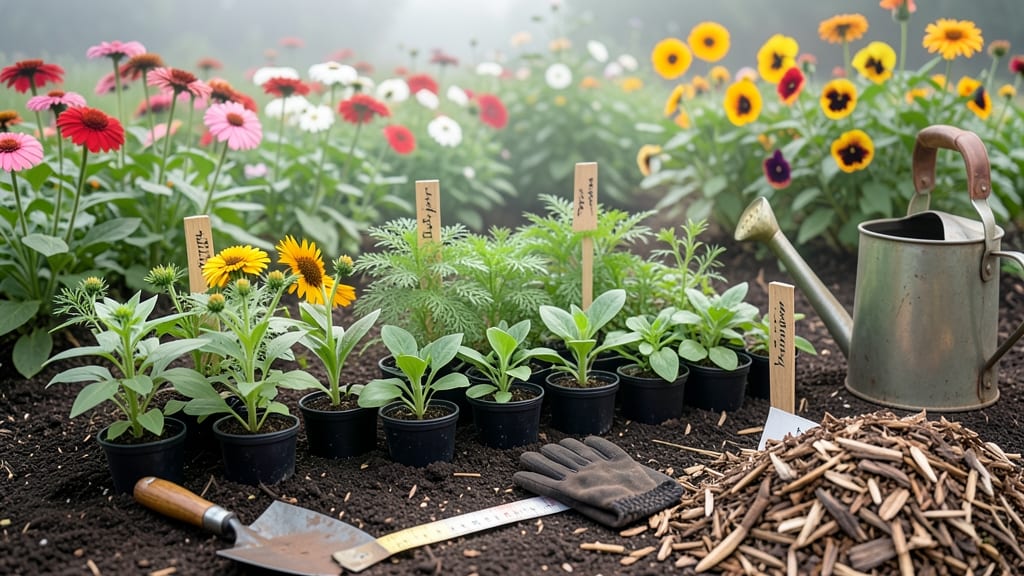
Creating these annual flower bed plans that stays vibrant all season requires just three smart choices: the right color palette, heat-tolerant plants, and a layout that lets you swap out faded blooms. 🌸 My first attempt ended with July wilt, but now I design beds that transition seamlessly from spring tulips to fall mums without skipping a beat.
The secret isn't complicated—it's about matching plants to your climate's hottest weeks and planning for seasonal swaps. Start with a drought-resistant core like zinnias and salvias that thrive when others droop, then layer in seasonal accents.
A 5-foot border of these tough perennials gives you a sturdy foundation that only needs refreshing twice a year.
By mid-summer, you'll have a bed that looks intentionally designed, not like a patchwork of struggling survivors. The colors deepen naturally as seasons shift—bright whites and pinks give way to warm oranges and purples—while pollinators keep visiting.
Even my black thumb can keep this looking fresh with just 10 minutes of weekly care.
Works for any style—cottage gardens, modern minimalism, or wildflower meadows—because the framework adapts to your vision. Let's build a bed that actually stays beautiful all year without the constant replanting headaches.
📚 In This Guide
- What you need
- Instructions
- Tips and common mistakes
- Wrapping up and next steps
What you need
- ● Annual flowers: Choose 3–5 varieties based on your climate and sun exposure (e.g., petunias, marigolds, zinnias, or impatiens). Aim for 1–2 plants per square foot for full coverage.
- ● Potting soil or garden soil: 1–2 cubic yards (depending on bed size). Opt for a well-draining, organic-rich mix (e.g., 60% topsoil, 30% compost, 10% perlite).
- ● Mulch: 2–3 inches of organic mulch (e.g., shredded bark, straw, or pine needles) to retain moisture and suppress weeds.
- ● Fertilizer: Slow-release granular fertilizer (e.g., 10-10-10 or 14-14-14) – 1 lb per 100 sq ft.
- ○ Liquid bloom booster (e.g., fish emulsion or tomato fertilizer) – optional but recommended for extra vibrancy.
- ● Watering system: Drip irrigation kit or soaker hoses (recommended for efficiency).
- ● Watering can (for small beds or touch-ups).
- ● Garden gloves – 1 pair (to protect your hands from thorns or dirt).
- ● Hand trowel or transplanting spade – 1–2 (for digging and planting).
- ● Pruners or shears – 1 pair (for trimming dead blooms or shaping plants).
- ● Rake or hoe – 1 (to clear weeds and level the soil).
- ● Wheelbarrow or bucket – 1 (for hauling soil or mulch).
- ● Measuring tape – 1 (to plan spacing and bed dimensions).
- ○ Knee pads (optional) – For comfort during long planting sessions!
- ● Sunlight assessment: Measure 6+ hours of sunlight for full-sun flowers or 4–6 hours for partial shade.
- ● Bed preparation: Remove weeds, rocks, or debris.
- ● Loosen soil to a depth of 12 inches for optimal root growth.
- ● Water access: Ensure your bed is near a water source or irrigation line.
- ● Climate awareness: Check your last frost date to time planting (spring or fall, depending on region).
Step-by-Step instructions for designing annual flower beds
Here's how to create vibrant, low-maintenance annual displays that keep blooming all season.
🌱 Step 1: Plan Your Color Scheme and Plant Placement
Start by sketching your bed layout on paper, dividing it into three layers: tall back plants (3-4 feet), mid-height plants (1-3 feet), and low ground covers (6 inches or less). I always group plants by color families—purples with purples, reds with oranges—to create cohesive visual impact. For example, place tall snapdragons at the back, salvia in the middle, and petunias along the front edge.
Consider bloom time too. Plant early bloomers like pansies first, then add mid-season favorites like zinnias, and finish with late-season bloomers like cosmos. This ensures continuous color from spring through fall. I like to use a 12-inch spacing between plants for mature size, but check each variety's requirements—some like petunias need only 6 inches, while sunflowers may need 18 inches.
🪴 Step 2: Prepare the Soil and Amendments
Clear the bed of weeds and debris, then loosen the soil to a depth of 6-8 inches using a garden fork. Work in 2-3 inches of compost or well-rotted manure to improve drainage and fertility. For heavy clay soil, I mix in 1 part perlite to 3 parts soil to prevent compaction. Test your soil pH—most annuals prefer 6.0-7.0, so adjust with lime or sulfur if needed.
Rake the amended soil smooth and create shallow planting holes—just deep enough to accommodate roots without burying the crown. Water the bed thoroughly before planting to help roots establish faster. Here's the thing—skipping soil prep leads to poor drainage, which drowns roots and invites fungal diseases. Take the 20 minutes now to save weeks of trouble later.
☀️ Step 3: Plant with Layered Height and Color Contrast
Begin by placing your tallest plants at the back, spacing them according to their mature width. Fill gaps with mid-height plants, then edge the front with low growers. I always stagger plants in a staggered pattern rather than rows—this creates a natural, fuller look. Water each plant immediately after setting it in the hole to eliminate air pockets around roots.
Pay attention to light requirements too. Group sun-lovers like marigolds and zinnias together in full sun areas, while shade-tolerant plants like impatiens and fuchsias go in dappled light spots. You'll see the difference immediately—plants in their ideal light conditions grow stronger and bloom more prolifically. Don't forget to water again after planting to settle the soil.
💧 Step 4: Establish a Watering and Maintenance Routine
Water deeply 2-3 times per week in the first month to encourage root growth, then adjust based on rainfall. I water in the early morning so foliage dries quickly, reducing fungal risks. Use a soaker hose or drip irrigation to deliver moisture directly to roots—this prevents leaf burn from overhead watering. Check soil moisture by pushing your finger 1 inch deep—if it's dry, it's time to water.
Fertilize lightly every 3-4 weeks with a balanced 10-10-10 formula, but cut back after mid-summer to encourage blooming over leafy growth. Deadhead spent blooms regularly to prolong flowering—this simple task keeps plants producing new flowers instead of seeding. I also remove any diseased leaves immediately to prevent spread. Real talk: Over-fertilizing leads to lush foliage but few flowers, so follow the "less is more" rule.
✂️ Step 5: Refresh and Extend the Season
By late summer, some plants may look tired. Replace fading annuals with cool-season varieties like pansies, calendula, or dusty miller to extend your display. I also add mulch to retain moisture and suppress weeds—use 2-3 inches of shredded bark or straw, keeping it 2 inches away from plant stems to prevent rot.
As temperatures drop, protect tender plants with frost cloth on chilly nights. Many annuals like pansies and violas actually thrive in cooler weather, so don't rush to remove them. You'll be amazed how a few simple swaps can keep your bed looking fresh until frost. The key is planning ahead—choose varieties with staggered bloom times so you always have something in flower.
Tips & tricks for designing annual flower beds
Creating a stunning annual flower bed that thrives all season takes more than just picking pretty plants—it's about strategic planning and smart execution. Here's how to elevate your garden game.
Layering Secret: The three-tiered approach in Step 1 isn't just about aesthetics—it's about light access. Tall plants at the back prevent shade from blocking sunlight to shorter varieties at the front. I've seen beds where this principle was ignored, and the front row ended up looking sparse and leggy. Use a simple ruler to mark your bed's depth before planting to visualize these layers clearly.
Soil Prep Payoff: That 20 minutes you spend loosening soil to 6-8 inches depth in Step 2 is the foundation of everything. I learned this the hard way after planting directly into compacted soil—my annuals struggled for weeks. For heavy clay soil, mix in 1 part perlite to 3 parts soil to create air pockets that roots will thank you for. Pro tip: Test your soil pH before planting—most annuals prefer 6.0-7.0, and adjusting now saves headaches later.
Light Grouping Logic: Step 3's light requirement grouping isn't just about sun vs. shade—it's about creating microclimates within your bed. I recommend mapping your garden first: mark full sun areas (6+ hours), partial shade (3-6 hours), and full shade (<3 hours). This ensures you're placing plants in their ideal conditions from day one. For example, marigolds and zinnias will thrive together in full sun, while impatiens and fuchsias will flourish in partial shade.
Watering Wisdom: The 2-3 times per week guideline in Step 4 is perfect for most climates, but here's the catch: water deeply each time, aiming for 1 inch of water per week. Shallow watering encourages weak root systems. I use a rain gauge to track weekly rainfall—this helps me adjust my watering schedule precisely. Morning watering is key too; it reduces evaporation and gives foliage time to dry before evening, preventing fungal diseases.
Pro Tips for Annual Flower Bed Plans
- Creating a stunning annual flower bed that thrives all season takes more than just picking pretty plants—it's about strategic planning and smart execution.
- Layering Secret: The three-tiered approach in Step 1 isn't just about aesthetics—it's about light access.
- Soil Prep Payoff: That 20 minutes you spend loosening soil to 6-8 inches depth in Step 2 is the foundation of everything.
Frequently asked questions
Got questions about keeping your annual flower beds vibrant with minimal fuss? Here are some of the most common queries—and their straightforward answers—to help you plan like a pro!
How do I choose annual flowers that bloom all season long?
Mix early bloomers (like pansies or sweet alyssum) with mid-season stars (petunias, zinnias) and late-season showstoppers (cosmos, marigolds). Aim for 3–4 weeks of overlap between varieties to avoid color gaps. Check your USDA Hardiness Zone for region-specific picks!
When’s the best time to plant annuals for continuous color?
Start in early spring (after the last frost) for a summer kickoff, then add a second planting in late spring/early summer for fall blooms. In warm climates, plant in fall for winter/spring flowers. Pro tip: Succession planting (replacing spent blooms every 6–8 weeks) keeps things lush!
Are there budget-friendly ways to maintain annual flower beds?
Yes! Opt for seed packets instead of transplants, reuse mulch from year to year, and harvest seeds from spent plants for next season. Drip irrigation (even DIY systems) saves water and time. Deadheading (snipping wilted blooms) encourages reblooming—no fancy tools needed!
How do I keep pests and diseases from wrecking my flower beds?
Prevent pests with healthy soil (compost + balanced fertilizer) and neem oil sprays. Space plants for airflow to deter fungus. Beneficial insects (like ladybugs) are your allies—invite them with native plants! Remove affected leaves immediately to stop spread.
Can I use annuals in containers or small spaces?
Choose compact varieties (e.g., bacopa, calibrachoa, or dwarf petunias) for pots or window boxes. Mix heights for visual appeal, and use self-watering containers if you travel often. Just ensure they get 6+ hours of sunlight daily.
Wrapping up and next steps
Creating a stunning annual flower bed doesn’t have to be overwhelming—with the right plan, you can enjoy year-round color while keeping maintenance simple! Whether you’re a beginner or a seasoned gardener, the key is choosing the right flowers, spacing them thoughtfully, and layering blooms for continuous beauty.
Start small, experiment with combinations, and don’t forget to enjoy the process—your garden will thank you! 🌸
Ready to transform your space? Pick your favorite annuals, grab your tools, and get planting! Need inspiration? Browse seasonal guides or sketch a quick layout before diving in. Happy gardening! 🌿