
Pests
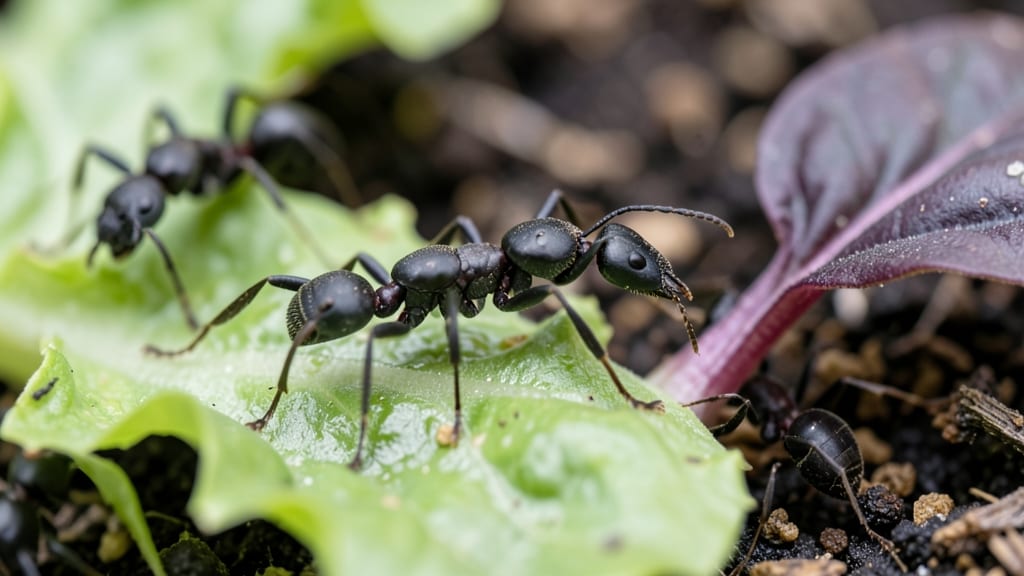
Ants marching through your raised bed vegetable garden don’t just annoy—they disrupt your harvest. 🐜 I’ve watched them steal seeds, disturb roots, and even bring in worse pests, but these simple barriers cut their trails in 24 hours without harming your plants or beneficial insects.
The key is blocking their scent trails with natural repellents like diatomaceous earth or crushed eggshells around the bed’s edge. Ants avoid these textures, and the fix works fast—no chemicals, no fuss. I’ve used this method for three seasons now, and my lettuce, carrots, and radishes grow undisturbed.
You’ll see fewer ant columns within hours, and your plants will stay healthy without hidden pesticide damage. The barriers also deter other pests that hitch rides on ants, like aphids and mites, so you’re solving multiple problems at once.
Works for any raised bed, from small container gardens to full-size plots. The secret? Consistency—reapply after rain, and your garden stays ant-free all season.
The Hidden Triggers Behind Ants
If you’ve spotted tiny trails of ants marching through your raised bed vegetable garden, you’re not alone—these industrious insects are drawn by specific factors that turn your garden into an all-you-can-carry buffet.
Understanding why they show up is the first step to keeping them out without harsh chemicals. Let’s break down the science behind their behavior and what’s really luring them in.
Ants are attracted to honeydew, a sugary liquid excreted by sap-sucking pests like aphids, mealybugs, and whiteflies. These insects feed on plant sap and release honeydew as waste—ants love it and will actively farm these pests to harvest it. In your raised bed, plants like:
- Peas, beans, and squash (common aphid magnets)
- Tomatoes and peppers (susceptible to whiteflies)
- Herbs like basil and mint (attract mealybugs)
If you’ve noticed sticky residue on leaves or ants clustering near certain plants, honeydew is likely the culprit. Ants won’t just eat your veggies—they’ll protect the pests that feed their colonies, creating a vicious cycle for your garden.
Ants have an incredible sense of smell and can detect food sources from up to 100 feet away. In a raised bed, even small amounts of:
- Fallen fruit (overripe tomatoes, berries, or melons)
- Spilled seeds or compost (especially protein-rich items like egg shells or coffee grounds)
- Pet food or treats left near the garden edge
Once they find a food source, they leave pheromone trails to recruit thousands more. Actionable tip: Clear debris daily and store compost in sealed bins—ants won’t hesitate to invade if they smell an easy meal.
Ants need water and shelter to thrive, and raised beds provide both. Here’s how your garden might be unintentionally inviting them:
- Overwatering: Damp soil or mulch creates ideal nesting conditions. Ants dig tunnels in moist areas to stay hydrated and avoid predators.
- Wooden raised beds: Untreated wood can harbor ant colonies in its crevices. Even cedar (naturally resistant) isn’t foolproof if ants already have a foothold.
- Rocks or debris: Piles of stones, bark, or plant debris near the bed offer perfect hiding spots for queen ants to establish colonies.
Pro tip: Check the underside of your raised bed—ants often build nests in the soil beneath or along the edges. If you see tiny holes or frass (ant waste), they’re already moving in.
Stressed plants emit chemical signals that ants detect as a sign of weakness—or opportunity. When plants are:
- Drought-stressed (wilting leaves, crispy edges)
- Over-fertilized (especially with nitrogen-rich compost)
- Damaged by other pests (e.g., caterpillars creating entry points)
Ants may see these plants as easier targets for farming pests or scavenging nutrients. Healthy plants = fewer ant problems. Focus on:
- Balanced fertilization (avoid overdoing nitrogen)
- Consistent (but not excessive) watering
- Regular pest scouting to catch infestations early
Now that you know why ants are crashing your garden party, the next step is turning the tables with natural barriers and traps. Stay tuned!
Quick Fixes for Garden Ants
Ants in your raised bed vegetable garden may feel like a tiny invasion, but the good news is that most solutions are simple, natural, and effective—especially if you act fast!
Below, we’ve mapped out practical fixes based on the most common causes, along with prevention tips to keep your garden ant-free long-term.
If you’ve spotted ants marching toward sticky residue on your plants (like aphid honeydew), they’re likely drawn to sugary substances. Break the cycle with these steps:
🍳 Set Up a Bait Trap
- Mix equal parts borax and powdered sugar (or use commercial ant bait like Terro Liquid Ant Baits).
- Place small amounts in shallow containers near ant trails (but away from veggies).
- Wait 24–48 hours—worker ants will carry the bait back to the colony, reducing numbers fast.
✨ Pro Tip: Avoid using sugar alone—ants will just feast and ignore the poison!
🌡️ Remove Aphid Hotspots
Ants farm aphids for their honeydew, so eliminate aphids first:
- Spray plants with soapy water (1 tsp mild dish soap + 1 quart water).
- Introduce ladybugs or lacewings (natural aphid predators).
- Prune heavily infested leaves and dispose of them far from the garden.
If you’re seeing mounds in soil or ants tunneling near roots, they’ve set up camp. Disrupt their real estate with these methods:
🔪 Block Entry Points
- Create a barrier with diatomaceous earth (DE)—sprinkle a thin layer around the bed’s perimeter (reapply after rain).
- Use copper tape (1–2 inches wide) wrapped around the bed’s edges—ants avoid copper’s electric charge.
- Install fine mesh (like hardware cloth) under the bed if ants are crawling up from below.
🏗️ Relocate the Colony (Gently!)
- Early morning, when ants are sluggish, dig up the mound and relocate them at least 20 feet away (use a trowel and place them in a shaded spot).
- Avoid pesticides—they can harm your plants and nearby wildlife.
✨ Pro Tip: If relocating fails, try vinegar spray (1:1 vinegar-water mix) on mounds—it disrupts their scent trails temporarily.
If ants are transient visitors (not nesting), they’re likely following scent trails. Break their route with these tricks:
🚫 Use Natural Repellents
- Cinnamon or cayenne pepper—sprinkle around the bed’s edge (reapply after rain).
- Crushed citrus peels or coffee grounds—ants dislike the smell.
- Essential oils (peppermint, lemon, or tea tree)—mix 10 drops with water in a spray bottle and apply lightly.
🧹 Clean Up Debris
Ants follow trails to food scraps and moisture. Keep your garden tidy:
- Remove fallen fruit, rotting veggies, and spilled seeds.
- Water in the morning (not evening) to reduce moisture that attracts ants.
✨ Pro Tip: Diatomaceous earth (DE) works best when dry—avoid watering it in!
Once you’ve kicked ants out, lock them out with these low-maintenance habits:
| Problem | Solution | How Often |
|---|---|---|
| Moisture buildup | Improve drainage, use mulch | Seasonal check |
| Spilled sugars | Clean up fallen fruit/veggies | Daily after harvest |
| Weak plant defenses | Plant ant-repelling herbs (basil, mint, thyme) | Once at planting |
| Open entry points | Check for gaps in bed edges | Every 2–3 weeks |
💡 Bonus: Interplant with ant-deterrents like:
- Marigolds (strong scent)
- Garlic or chives (natural repellent)
- Lemongrass (citrusy aroma)
Final Note: Most ant issues resolve within 24–48 hours if you combine baiting + barriers + cleanliness. Stay consistent, and your raised bed will stay ant-free—without harsh chemicals! 🌱
Frequently asked questions
Why do ants suddenly appear in my raised bed when I haven't seen them before?
Ants often invade raised beds after heavy rains or when they detect new food sources like fallen fruit, spilled seeds, or honeydew from aphids. They're also drawn to moisture in damp soil—check for overwatering or poor drainage that might be creating ideal nesting conditions.
Will diatomaceous earth harm my vegetables or beneficial insects?
Food-grade diatomaceous earth is safe for vegetables when used correctly, but it should only be applied as a thin barrier around the bed's edge—not directly on plants. It's harmless to earthworms and beneficial insects like bees and ladybugs, but avoid inhaling the powder when applying it.
How do I know if ants are nesting in my raised bed versus just passing through?
Look for small mounds of soil or tiny holes in the ground (about 1/8 inch wide) near plant roots—these are nesting signs. If you see ants carrying food back and forth rather than just wandering, they've likely established a colony in your bed.
Can I use vinegar to repel ants, and how often should I reapply it?
Yes! A 1:1 vinegar-water spray works well as a temporary repellent, but you'll need to reapply every 2-3 days since it loses effectiveness when dry. For longer protection, combine it with physical barriers like copper tape or diatomaceous earth.
Are there any plants that naturally repel ants better than others?
Planting marigolds, garlic, chives, or lemongrass around your raised bed creates a natural ant deterrent. These plants release scents that ants find unpleasant—just make sure they won't compete with your vegetables for nutrients or space.