
Landscaping
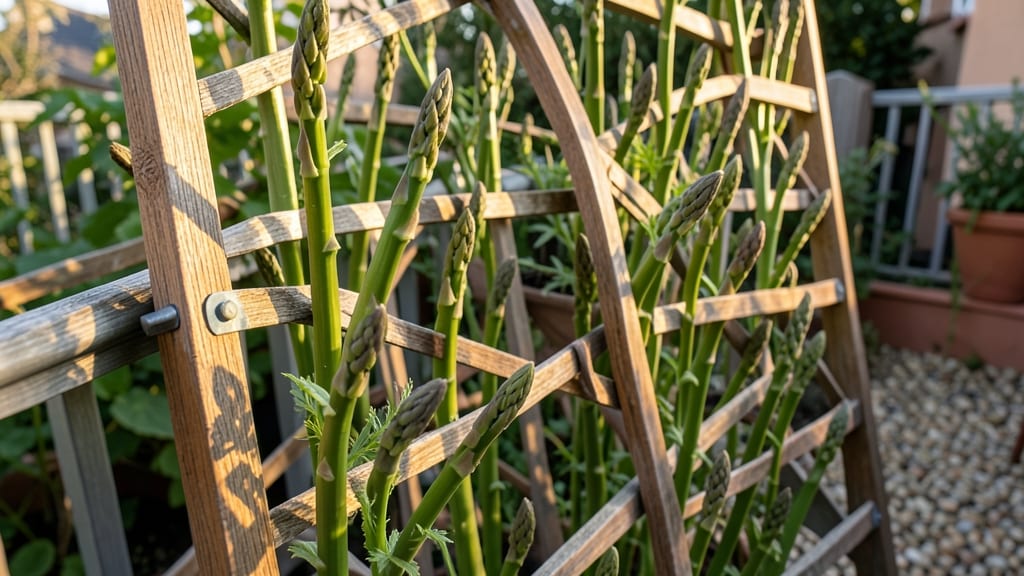
Maximize your asparagus harvest with these space-saving bed designs that require minimal upkeep. Whether you have a small yard or limited garden space, these layouts optimize growth while reducing weeds and pests naturally.
Raised Bed Asparagus Trenches
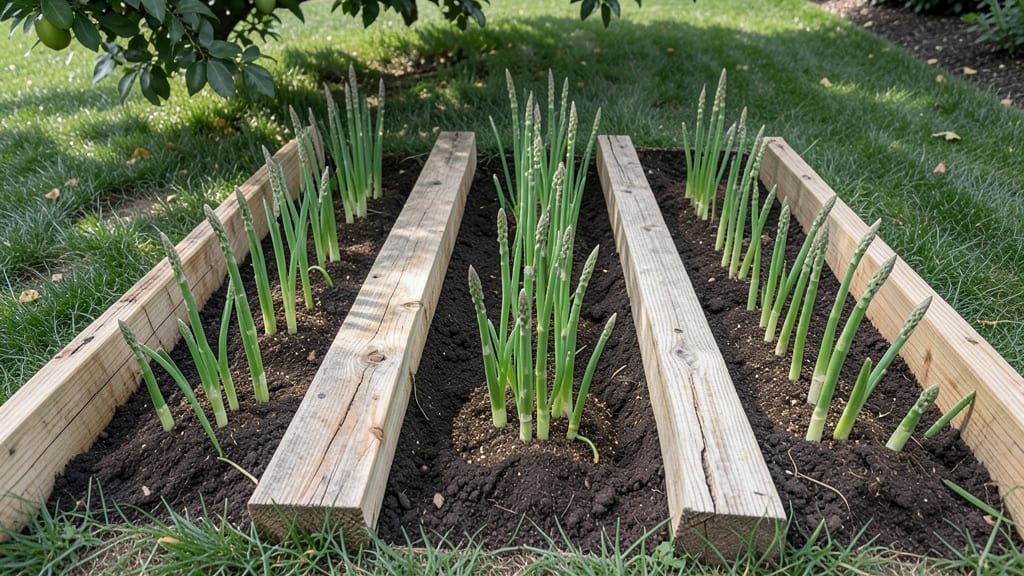
If your garden space is as small as your patience for weeding, raised bed asparagus trenches are your game-changer. This clever layout transforms compact areas into high-yielding asparagus patches by using narrow trenches that let roots spread deep without crowding.
Dig three parallel trenches (12-18 inches wide, 12 inches deep) in your raised bed, spacing them 18-24 inches apart. Plant asparagus crowns in the trenches with their roots facing down, then cover with 4-6 inches of loose soil. The raised bed prevents soil compaction while the trenches create ideal growing conditions for deep-rooted asparagus. Mulch heavily with straw or wood chips to retain moisture and suppress weeds.
This method is perfect for urban gardeners or anyone with limited space, as it maximizes root growth vertically while keeping the surface area small. In just a few seasons, you'll have a thriving asparagus bed that yields spears for years with minimal maintenance. 🌱
Keyhole Garden Asparagus Patch
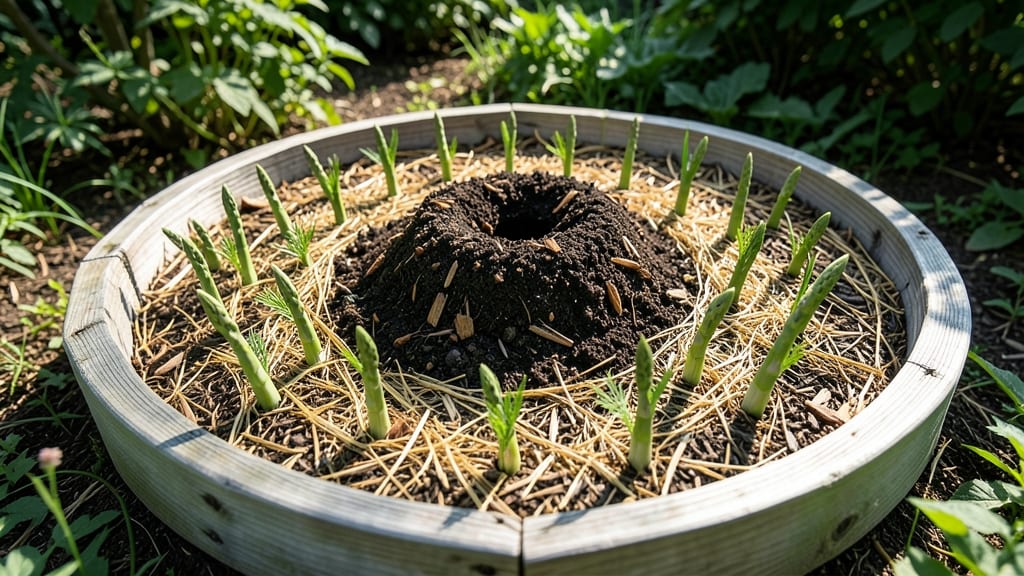
If you're dreaming of a self-sufficient asparagus patch that requires zero fertilizers, the keyhole garden design is your answer. This circular layout uses a central compost hub to nourish plants naturally, creating a closed-loop system where waste becomes food for your crop.
Build a 3-4 foot diameter circular bed with a compost-filled center. Plant asparagus crowns in the outer ring, spaced 12-18 inches apart, while the compost core provides continuous nutrients. The design's semi-permanent structure (often built with bricks or logs) allows roots to spread freely while suppressing weeds naturally. Perfect for permaculture gardens, this method reduces watering needs by 30% through the compost's moisture retention.
Permaculture enthusiasts will love how this system eliminates fertilizer costs while creating a thriving, low-maintenance asparagus patch that feeds itself. 🌱
Hillside Asparagus Terraces
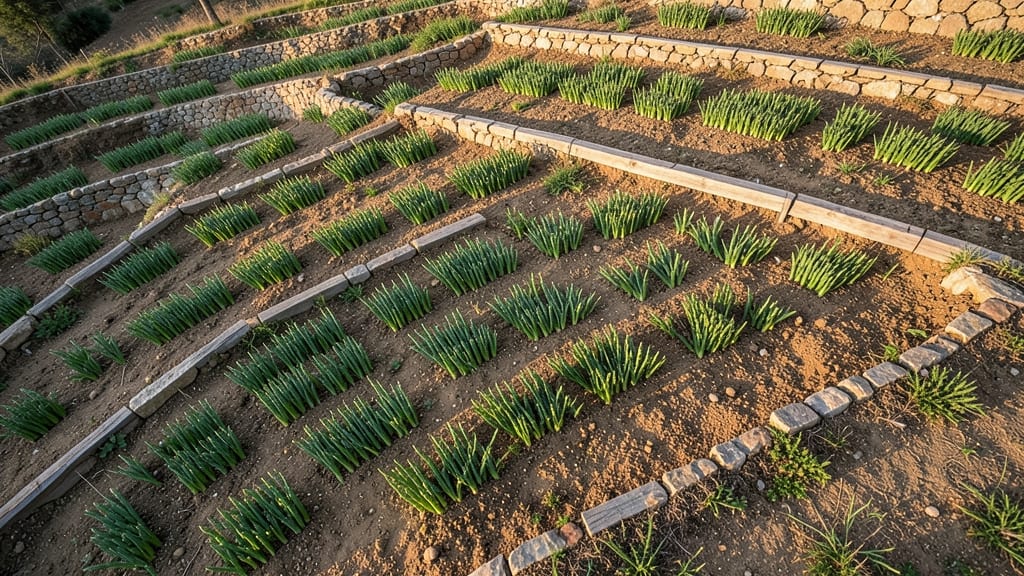
Turn your steep hillside into a productive asparagus paradise with terraced beds that transform wasted slope into valuable growing space. This design not only prevents soil erosion but also gives your asparagus crowns the perfect conditions to thrive in well-drained, sun-drenched layers.
Start by creating gentle tiers using natural stone or wooden borders, spacing each level 12-18 inches apart to allow for easy access. Plant asparagus crowns 12 inches apart within each terrace, ensuring they face south for maximum sunlight exposure. The tiered structure creates microclimates that extend your growing season while reducing water runoff.
This approach is ideal for gardeners with sloped properties who want to maximize harvest without flattening their land. The terraces also make maintenance easier by preventing soil compaction and creating defined growing zones. 🌿
Square Foot Grid Asparagus
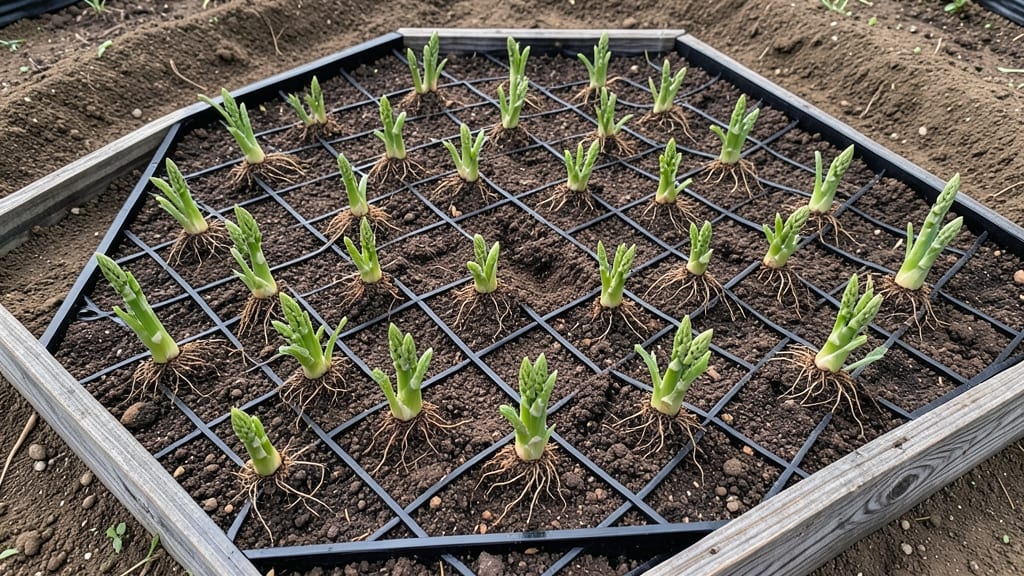
If you love the satisfaction of a perfectly organized garden but hate wasted space, square foot grid asparagus is your game-changer. This method turns your asparagus bed into a high-density harvest system where every inch of space works for you—ideal for gardeners who track growth patterns like a pro.
Start by dividing your bed into 12-inch squares (the perfect spacing for asparagus crowns) using wooden frames or string lines. Plant one crown per square in the first year, then expand to four crowns per square in subsequent years as the bed matures. The grid system lets you track each plant’s progress, making it easy to rotate crops or adjust spacing as needed. Use black landscape fabric between squares to suppress weeds and retain moisture, while keeping the grid visible for maintenance.
This layout is perfect for urban gardeners with small plots or anyone who enjoys a tidy, measurable approach to gardening. The precision of the grid also makes it easier to calculate yields and plan future harvests—no guesswork involved! 💡
Living Mulch Asparagus Beds
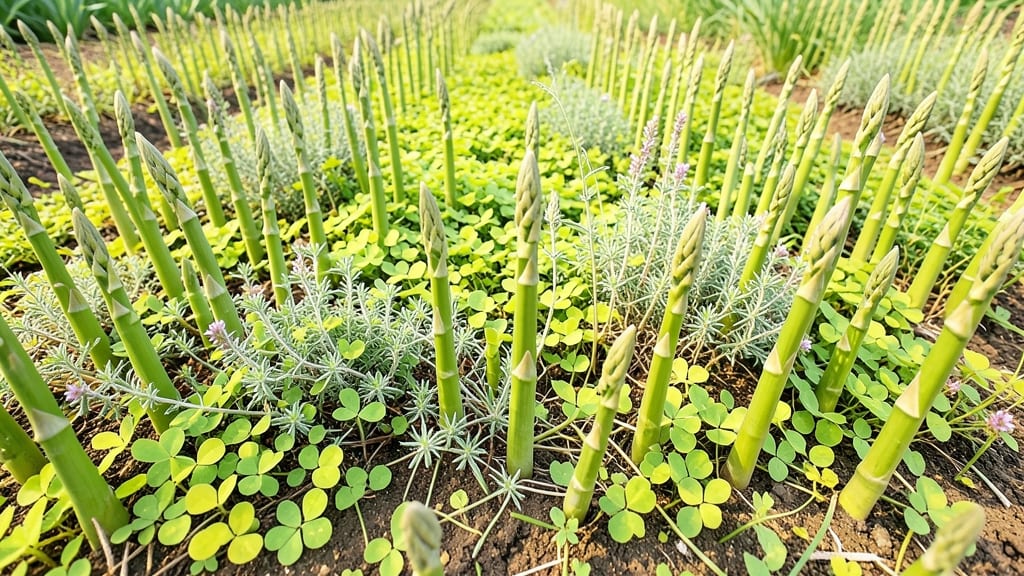
Tired of spending hours weeding between your asparagus spears? Try living mulch—a game-changing technique where clover or creeping thyme grows between your plants, smothering weeds while feeding the soil. This method turns your asparagus bed into a self-sustaining ecosystem that thrives with almost no effort.
Plant white clover (for nitrogen-rich soil) or creeping thyme (for drought tolerance) between asparagus crowns in early spring. The ground cover will establish within weeks, blocking weeds while its roots add valuable nutrients. Best of all, you’ll never need to till or mulch again—just let nature do the work. This system works especially well in full sun to partial shade.
Perfect for busy gardeners or anyone who wants to cut down on maintenance, living mulch keeps your asparagus bed looking tidy and productive year after year. 🌿
Spiral Herb Spiral Asparagus
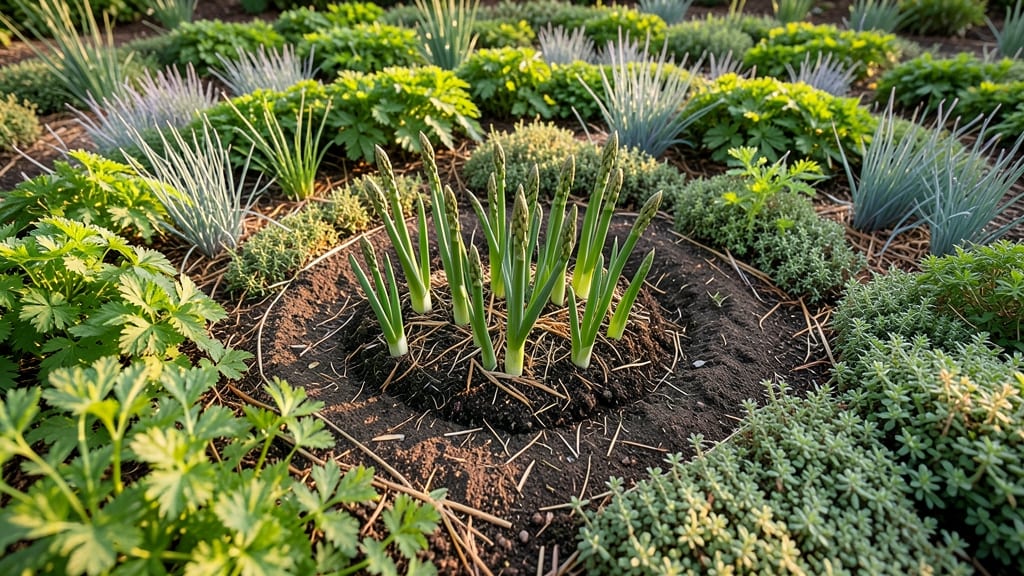
Transform your asparagus patch into a fragrant, multi-functional garden with a spiral herb spiral design. This clever layout places asparagus crowns at the center while surrounding them with concentric rings of companion herbs like chives, parsley, and thyme—each thriving in its own microclimate.
The spiral shape naturally creates gradual elevation changes, ensuring herbs near the edges get more sunlight while those closer to the asparagus benefit from shade. Plant asparagus in the deepest soil (center) and herbs in progressively shallower rings. This design maximizes space while reducing pests—herbs like chives naturally deter asparagus beetles, creating a self-sustaining ecosystem.
Perfect for urban gardeners or those with small plots, this layout turns a single bed into a kitchen garden. The spiral’s aesthetic appeal also makes it a standout feature in any landscape. 🌱
Pallet Wood Asparagus Rows
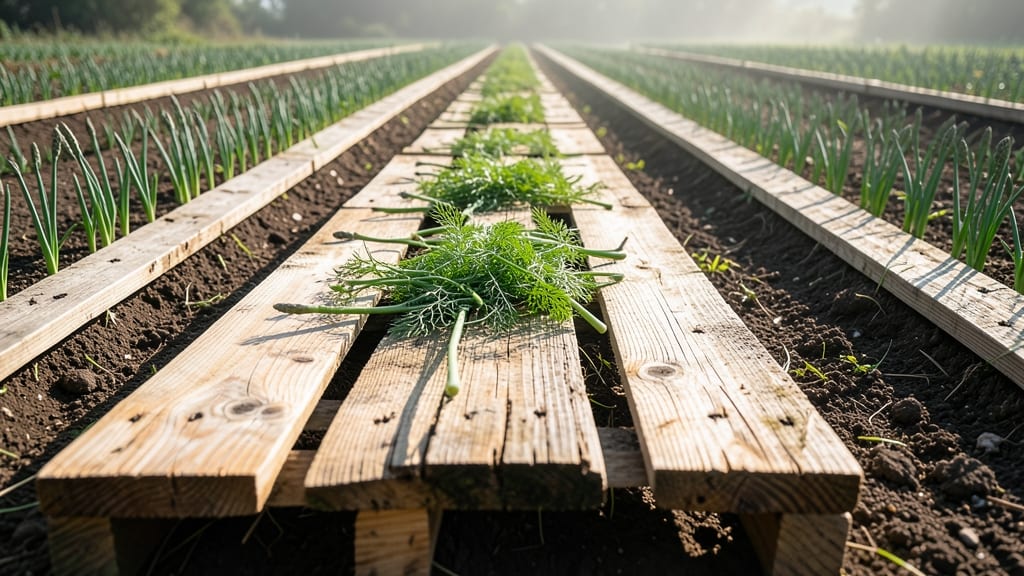
Skip the pricey garden edging and create clean, defined asparagus rows using free or cheap pallet wood instead. This rustic method gives your bed structure while keeping costs near zero—perfect for beginners on a budget who still want a polished look.
Simply lay pallets horizontally along your planting area, spacing them about 12-18 inches apart to accommodate asparagus crowns. The gaps between slats allow easy access for weeding and harvesting while keeping soil contained. For extra durability, treat pallets with food-safe sealant or bury them slightly to prevent rot—just avoid chemically treated wood labeled "HT" (heat-treated).
This approach works especially well for small urban gardens where space is limited but you still want a tidy, professional appearance. Plus, the pallets break down naturally over time, enriching the soil with organic matter. 🌱
Underground Asparagus Tunnels
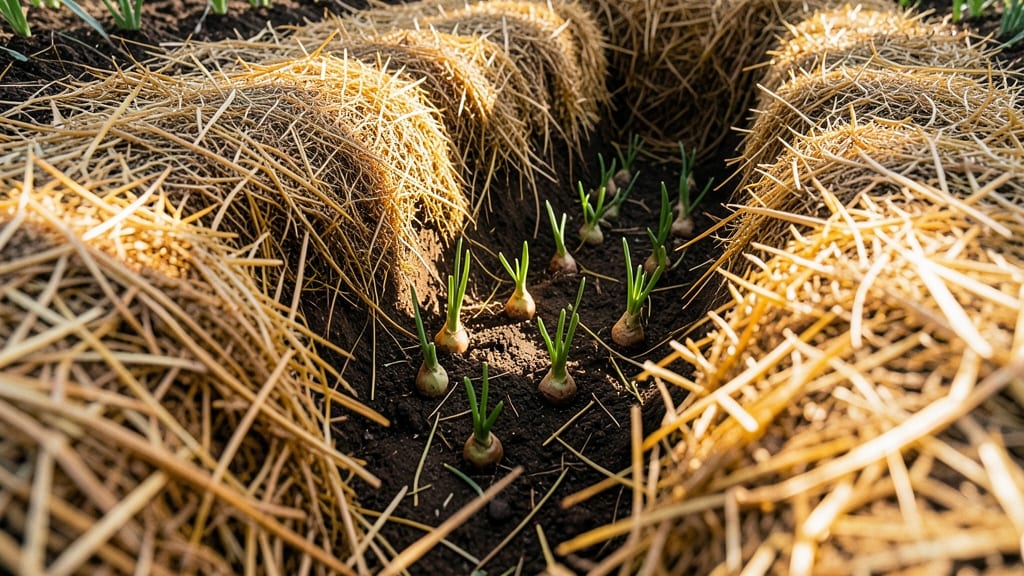
If your garden space is tight but you crave a year-round asparagus harvest, consider underground tunnels—a clever way to grow spears below the frost line while saving precious above-ground room. This method buries crowns in trenches covered with straw or mulch, creating a protected microclimate that extends your growing season by weeks.
Dig trenches 12-18 inches deep and 12 inches wide, spacing crowns 6-8 inches apart. Cover with 4-6 inches of mulch (straw or leaves work best) to insulate roots from winter freezes. In early spring, spears will emerge through the mulch, and you can add a clear plastic tunnel to trap warmth for even earlier harvests. This setup deters pests like asparagus beetles while keeping spears crisp and tender.
Perfect for urban gardeners or those with shaded yards, underground tunnels turn wasted space into productive beds. Plus, the hidden method keeps your garden looking tidy while rewarding you with longer harvest windows than traditional beds. 🌱
Companion Planting Asparagus Circles
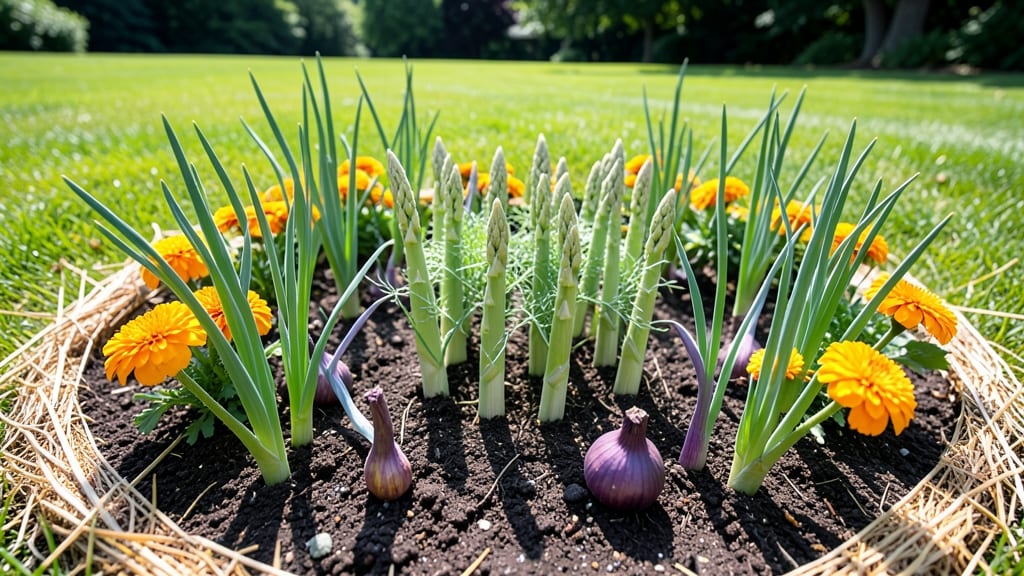
Tired of battling asparagus beetles and aphids in your garden? A companion planting circle creates a natural fortress around your asparagus bed, using marigolds and onions to repel pests without chemicals. This organic approach saves space while boosting your harvest's health.
Plant your asparagus crowns in a 12-foot diameter circle, then surround them with French marigolds (for nematode control) and red onions (to deter beetles). The marigolds' strong scent confuses pests, while onions release sulfur compounds that asparagus beetles avoid. Space plants 18 inches apart for optimal airflow and growth.
Perfect for organic gardeners, this method eliminates the need for pesticides while adding beauty to your edible landscape. Watch your asparagus thrive without the hassle! 🌻
Vertical Asparagus Trellis Beds

Turn your balcony or narrow garden into an asparagus powerhouse with vertical trellis beds—a game-changer for urban gardeners. Instead of sprawling roots, this system trains asparagus crowns upward on sturdy trellises, freeing up precious ground space for other plants or pathways.
Start by planting crowns 12 inches apart in a shallow trench, then install bamboo or metal trellises (3-4 feet tall) around them. As spears emerge, gently weave them through the trellis openings—no pruning required! This method works best with Mary Washington or Jersey Knight varieties, which produce long, sturdy spears perfect for vertical growth. Mulch heavily to retain moisture and prevent weeds from competing for nutrients.
Perfect for renters or small-space gardeners, this system lets you grow asparagus without sacrificing your entire yard. Plus, the vertical display adds a striking visual element to any garden. 🌱