
Tools
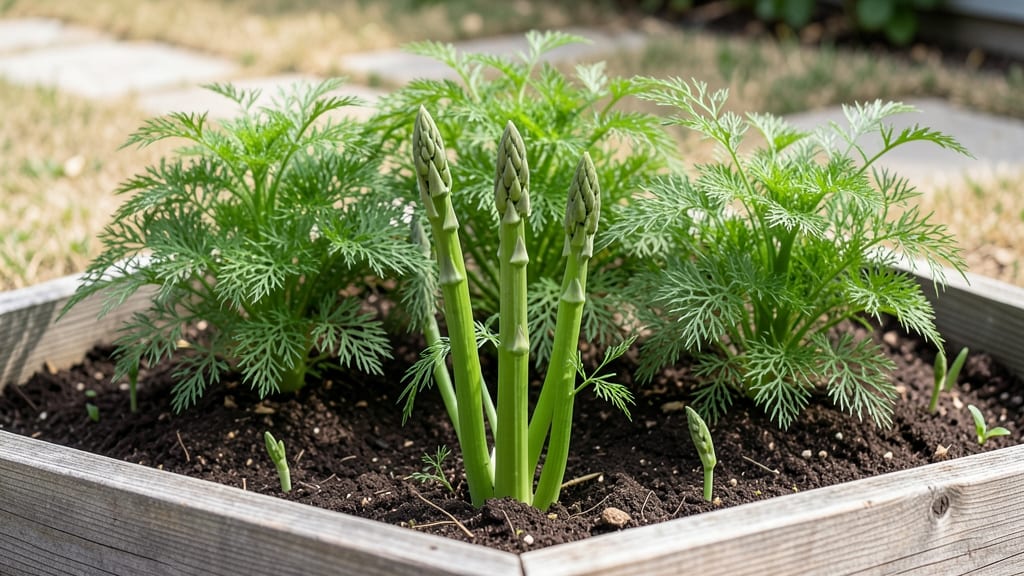
An asparagus raised bed garden delivers fast harvests in just two years—no waiting a decade for spears like with in-ground planting. 🌱 I designed mine last spring after realizing my backyard soil was too rocky for asparagus crowns to establish properly.
The secret isn't just the bed itself, but how you prep the soil and space those crowns for long-term growth.
Start with a 4-foot by 8-foot bed (minimum) filled with 12-18 inches of loose, well-draining soil mixed with compost. Asparagus crowns need 12-18 inches of depth to spread their roots, and the raised edges prevent erosion.
Plant crowns 12-18 inches apart in rows 18 inches apart—this gives you room to harvest without disturbing the plants.
By year two, you'll harvest 10-20 spears per plant, and the harvest gets better each year. The key is patience: don't harvest in the first year, just let the plants establish. After that, you'll have fresh asparagus for 20+ years with minimal maintenance.
Pair your asparagus with companion plants like bush beans, lettuce, or thyme to maximize space. The beans fix nitrogen, lettuce shades the soil, and thyme deters pests. With the right setup, you'll have a productive asparagus patch that outlasts most garden trends.
📚 In This Guide
- What you need
- Instructions
- Tips and common mistakes
- Wrapping up and next steps
What you need
- ● Raised bed frame: Untreated wood (cedar or redwood recommended for longevity) or galvanized metal
- ● Dimensions: 4’ x 8’ x 12” deep (minimum depth for asparagus roots)
- ● Hardware: 2.5” exterior wood screws (galvanized) or corrosion-resistant brackets
- ● Soil & amendments: High-quality garden soil (sterilized, 2–3 cubic yards for a 4’ x 8’ bed)
- ● Compost (1–2 cubic yards, well-aged)
- ● Perlite or vermiculite (1–2 bags, for drainage)
- ● Balanced fertilizer (10-10-10, 10 lbs)
- ● Lime (if soil pH is below 6.5, 5 lbs)
- ● Asparagus crowns: 1-year-old crowns (preferably Martha Washington, Jersey Knight, or Purple Passion varieties)
- ● Quantity: 10–12 crowns (spaced 12” apart in rows)
- ● Basic tools: Garden trowel
- ● Garden fork (for soil aeration)
- ● Measuring tape
- ● Gloves (heavy-duty)
- ● Mulch: Straw or wood chips (2–3 bags) to retain moisture and suppress weeds.
- ● Drip irrigation system (for consistent watering, especially in dry climates).
- ● Row covers (floating fabric to protect young shoots from frost).
- ● Soil test kit (to check pH and nutrient levels before planting).
- ● Knee pads (because gardening is hard on the knees!).
Step-by-step instructions for building an asparagus raised bed garden
Here’s how to create a high-yield asparagus bed that delivers harvests in just two seasons—no waiting years for patience rewards.
🪴 Step 1: Design and Prepare the Raised Bed
Asparagus thrives in deep, loose soil, so your raised bed should be at least 12 inches deep—deeper is better for long-term root growth. I use 4x8-foot beds for four plants, spaced 18 inches apart, because asparagus crowns spread aggressively. Line the bottom with cardboard to suppress weeds and improve drainage, then fill with a mix of 60% topsoil, 30% compost, and 10% coarse sand for ideal texture.
Level the bed carefully—uneven surfaces lead to poor drainage or water pooling. Press the soil down lightly with your hands to remove air pockets, but don’t compact it. The goal is a fluffy, well-aerated medium that encourages deep root penetration. Here’s the thing: asparagus roots can grow 6-8 feet deep over time, so prioritize depth over width.
🌱 Step 2: Plant Asparagus Crowns at the Right Time and Depth
Plant 1-year-old crowns in early spring, 2-4 weeks before your last frost date, when soil temperatures reach 50°F. Dig a 6-inch-deep trench, space crowns 12-18 inches apart, and place them with roots spread out horizontally. Cover lightly with 2 inches of soil—this encourages roots to establish before shoots emerge. I label each crown with a stake to avoid confusion during the critical first year.
Water immediately after planting to settle the soil around the roots, then maintain 1 inch of water weekly until new shoots reach 6 inches tall. The key is consistency: asparagus crowns need steady moisture to avoid stress. If your soil drains too fast, add a 1-inch layer of mulch (straw or shredded leaves) to retain moisture without smothering the emerging shoots.
☀️ Step 3: Manage Light, Water, and First-Year Growth
Asparagus demands full sun—at least 6-8 hours daily—for strong spears. If your bed gets afternoon shade, supplement with a reflective surface (like white plastic) to maximize light exposure. During the first growing season, do not harvest any spears, no matter how tempting. This allows the crowns to build energy for future harvests. You’ll see fern-like foliage develop by mid-summer—that’s your signal the roots are establishing.
Water deeply twice weekly during dry spells, aiming for 1.5 inches total per week. Overhead watering can spread disease, so use a drip irrigation system or soaker hose at the bed’s base. In fall, let the foliage die back naturally, then cut it to 2 inches above ground once frost hits. This prevents pests and diseases from overwintering in the debris.
⏰ Step 4: Prepare for Year 2 Harvest and Long-Term Care
By year 2, your asparagus bed will be ready for harvest. Start picking spears in early spring when they reach 8-10 inches tall, cutting them at ground level with a sharp knife. Harvest for 4-6 weeks, then let the foliage regrow to feed the crowns. Here’s the trick: never harvest more than 20% of the spears in a season, or you’ll weaken the plant. I mark the harvest dates on my calendar to avoid over-picking.
After harvest, fertilize lightly with balanced 10-10-10 in early spring and again in early summer. Asparagus is a heavy feeder but sensitive to excess nitrogen, which promotes foliage at the expense of spears. Mulch annually with 3 inches of compost to replenish nutrients and suppress weeds. With proper care, your bed will produce harvests for 15+ years—far longer than most annual crops.
Tips & tricks for perfect asparagus raised bed gardens
Skip the years of waiting—these insider tricks ensure your asparagus bed delivers harvests in record time.
Depth Matters: While the instructions call for a minimum 12-inch depth, I always go deeper—18 inches if possible. Asparagus roots grow aggressively downward, and that extra depth prevents crowns from becoming root-bound. Use untreated lumber for your bed frame to avoid chemical leaching into the soil. The deeper you go, the more vigorous your spears will be in year two.
Soil Science: That 60-30-10 soil mix (topsoil/compost/sand) is perfect, but here's what I do differently: I sift the topsoil through a quarter-inch mesh to remove rocks and clumps. Smooth, fine soil promotes better root penetration. For the compost, I use a mix of well-aged cow manure and leaf mold—this combo gives you both nitrogen and organic matter without the risk of burning young roots.
Timing is Everything: Those 2-4 weeks before last frost can feel like a tight window, but don't rush planting. Soil needs to reach 50°F consistently—use a soil thermometer to confirm. If you plant too early and soil temps dip, crowns can rot before establishing. Pro tip: Plant in the afternoon when soil has absorbed daytime warmth, giving roots a head start.
Year-One Strategy: The instructions say not to harvest in year one, but here's how to maximize that season: Let the fern-like foliage grow until late summer, then trim it back by half to reduce transpiration. This helps the crowns store energy for year two without sacrificing too much growth. Just don't cut it all the way down—you want some photosynthesis happening.
Pro Tips for Asparagus Raised Bed Garden
- Skip the years of waiting—these insider tricks ensure your asparagus bed delivers harvests in record time.
- Depth Matters: While the instructions call for a minimum 12-inch depth, I always go deeper—18 inches if possible. Asp...
- Soil Science: That 60-30-10 soil mix (topsoil/compost/sand) is perfect, but here's what I do differently: I sift the ...
Frequently asked questions
Got questions about growing asparagus in a raised bed? You’re not alone—this perennial favorite has its quirks! Here are answers to the most common queries to help you cultivate a thriving patch with minimal fuss.
How deep should my raised bed be for asparagus?
Asparagus roots need 12–18 inches of depth to establish properly. A standard 6–8-inch raised bed won’t cut it—opt for at least 18 inches (or deeper if possible). Shallow beds stunt root growth, leading to smaller harvests. Pro tip: Mix in compost or aged manure to boost fertility in deeper layers!
When can I expect my first harvest after planting?
Patience is key! First-year asparagus should not be harvested—let it focus on root growth. In year 2, expect a modest harvest (3–4 weeks after soil thaws). By year 3–4, you’ll enjoy peak yields. Plan ahead: asparagus is a long-term investment with rewards for decades!
What pests or diseases should I watch for in a raised bed?
Asparagus beetles, aphids, and fungal diseases (like rust) are common foes. Prevent pests with row covers or neem oil. For diseases, ensure 6–8 hours of sunlight and avoid overhead watering. Quick fix: Handpick beetles and mulch with straw to deter issues.
Can I grow asparagus alongside other vegetables in a raised bed?
Asparagus is not a companion plant—it competes for nutrients and space. Keep it solo in its raised bed. However, you can plant shallow-rooted crops (like lettuce or radishes) in adjacent beds. Bonus: Rotate beds yearly to avoid soil depletion!
How do I protect asparagus in cold climates?
Asparagus is hardy (zones 3–10), but young crowns need winter protection. Mulch with 4–6 inches of straw or leaves after the first frost. In extreme cold, add a lightweight row cover to prevent heaving. Spring tip: Remove mulch in early spring to avoid rot.
Wrapping up and next steps
Growing asparagus in a raised bed is a rewarding way to enjoy fresh, homegrown produce—even in small spaces!
With the right soil, patience, and care, you’ll soon be harvesting tender spears for years to come. Don’t let challenges discourage you: remember, asparagus thrives with consistency, and your efforts will pay off in delicious, nutrient-packed harvests.
Ready to get started? Roll up your sleeves and build that raised bed today! Whether you’re a beginner or a seasoned gardener, every spear you pull will taste like success. Happy planting! 🌱