
Landscaping
Want a vibrant back yard that blooms effortlessly year-round? These 10 low-maintenance flower bed designs deliver seasonal color with strategic plant pairings that thrive together—no green thumb required.
Cottage Garden Border With Perennials
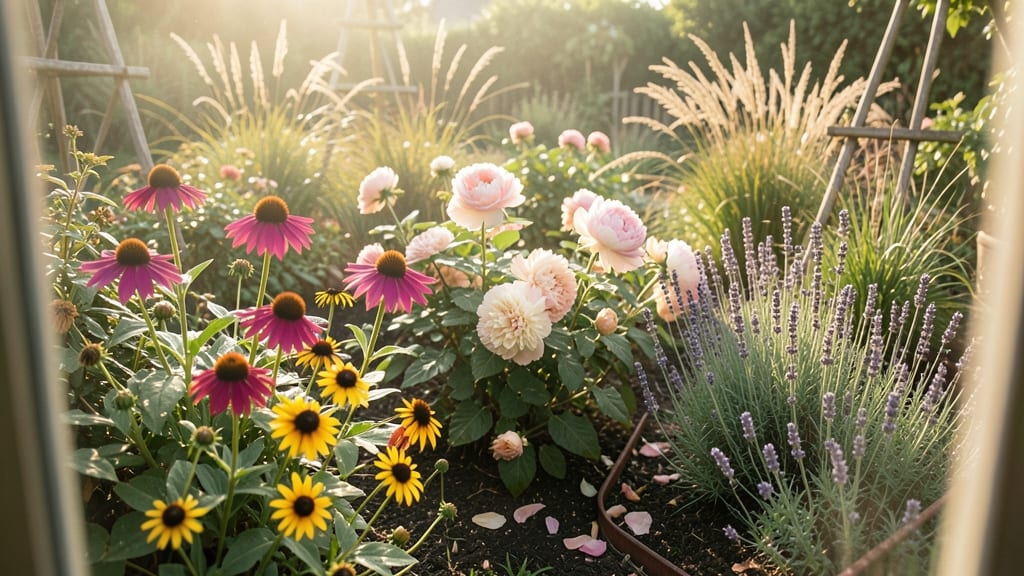
Step back in time with a cottage garden border that feels like a hug from Grandma’s garden—romantic, overflowing, and full of life. This timeless design blends perennials like coneflowers and black-eyed Susans with classic favorites such as peonies and lavender, creating a tapestry of color that starts in spring and stretches into fall.
To create your own, start by outlining a soft, curved border using low-growing perennials like creeping thyme or ajuga to define the edges. Plant taller varieties—such as 6-foot-tall hollyhocks or 4-foot peonies—toward the back, then layer mid-height blooms like shasta daisies and salvia in the middle. Fill gaps with pollinator magnets like bee balm and purple coneflowers to keep bees and butterflies buzzing all season.
This design is perfect for beginners who crave low-maintenance charm without sacrificing beauty. The key is mixing plants with varying bloom times so your border never looks bare—just add a layer of mulch in spring to suppress weeds and retain moisture. 🌻
Sunny Pollinator Paradise Flower Bed
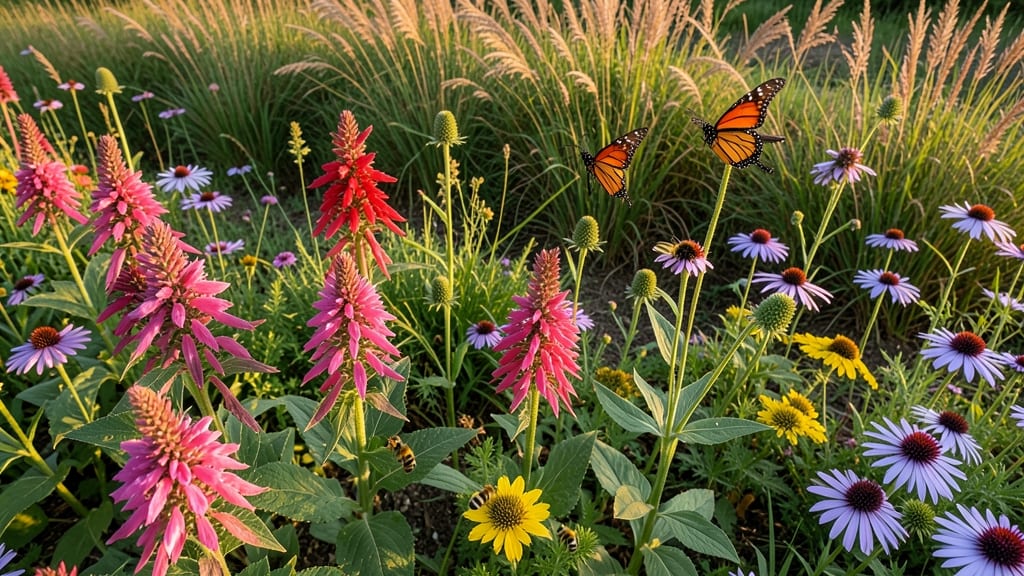
Skip the pesticides and still create a buzzing, colorful garden—this pollinator paradise does the heavy lifting for you. By focusing on native plants like milkweed and bee balm, you’ll transform your sunny patch into a magnet for bees, butterflies, and hummingbirds without any chemical interventions.
Start with a sunny, well-drained spot (at least 6 hours of sun daily) and mix perennials like purple coneflower and goldenrod with annuals such as black-eyed Susan for continuous blooms. Space plants 12-18 inches apart to allow pollinators easy access. Mulch with straw or leaves to retain moisture and deter weeds—no pesticides needed!
This design thrives best for eco-conscious gardeners who want to support local ecosystems while enjoying vibrant blooms. 🌿
Low-Maintenance Ground Cover Beds
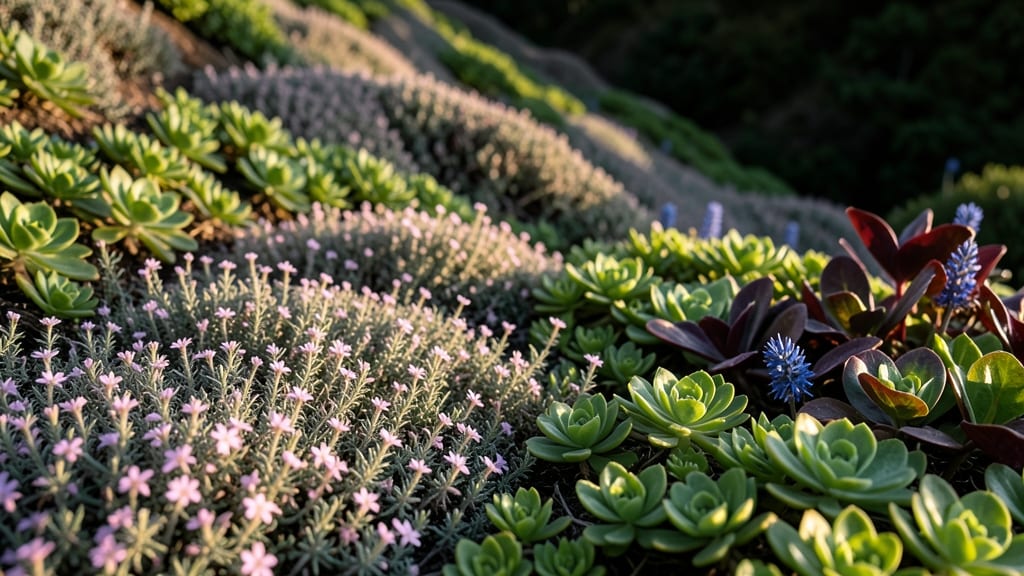
Tired of battling weeds in your flower bed? Ground cover plants like creeping thyme, sedum, and ajuga create a living carpet that chokes out weeds while adding texture and color. These hardy plants thrive in areas where traditional flowers fail—whether it's a steep slope or a shady corner.
Start by preparing the soil with a layer of compost to encourage root growth. Creeping thyme loves full sun and well-drained soil, while ajuga and sedum adapt well to partial shade. Space plants 6-12 inches apart for full coverage within a season. Once established, these plants require minimal watering and pruning, making them perfect for busy gardeners.
This solution is ideal for slopes, rocky areas, or under trees where grass won't grow. You'll enjoy a lush, weed-free bed that requires almost no maintenance once planted. 🌿
Seasonal Color Wheel Design
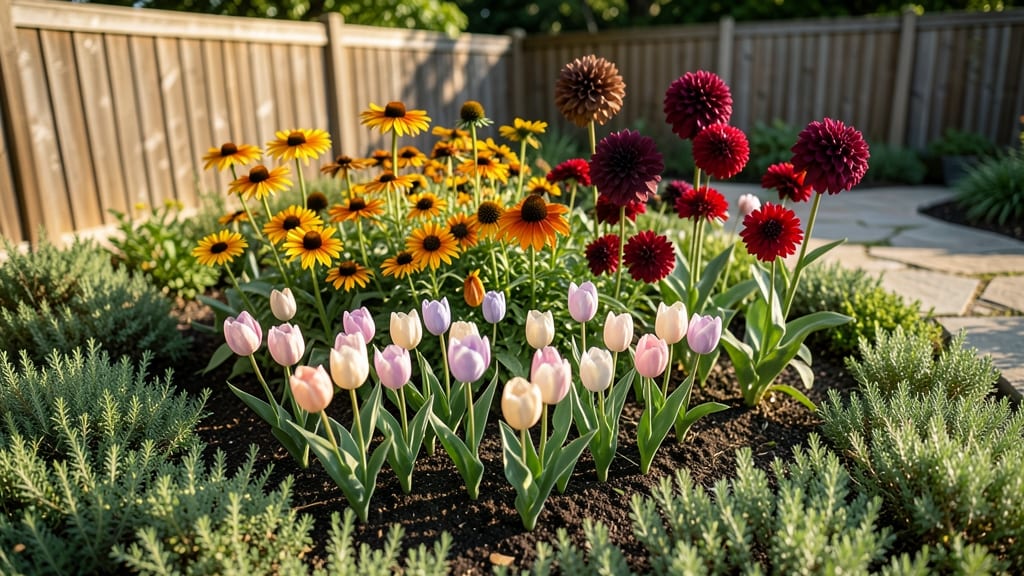
Tired of flower beds that look bare half the year? A seasonal color wheel design keeps your backyard vibrant from spring tulips to fall dahlias, with minimal replanting. This approach layers plants that bloom in succession, ensuring no dead zones while creating a dynamic, ever-changing display.
Start with early spring bulbs like tulips and daffodils, followed by midseason perennials such as coneflowers and black-eyed Susans. Add late-season stars like dahlias and chrysanthemums for fall flair. Choose plants with complementary colors—like purple clematis with coral cannas—to tie the seasons together seamlessly. Most combinations thrive in full sun to partial shade, making them versatile for most climates.
This design is perfect for gardeners who crave variety but hate the hassle of replanting. With the right mix, your flower bed will feel fresh and exciting all year—without the upkeep of annuals. 🌻
Drought-Tolerant Desert-Inspired Beds
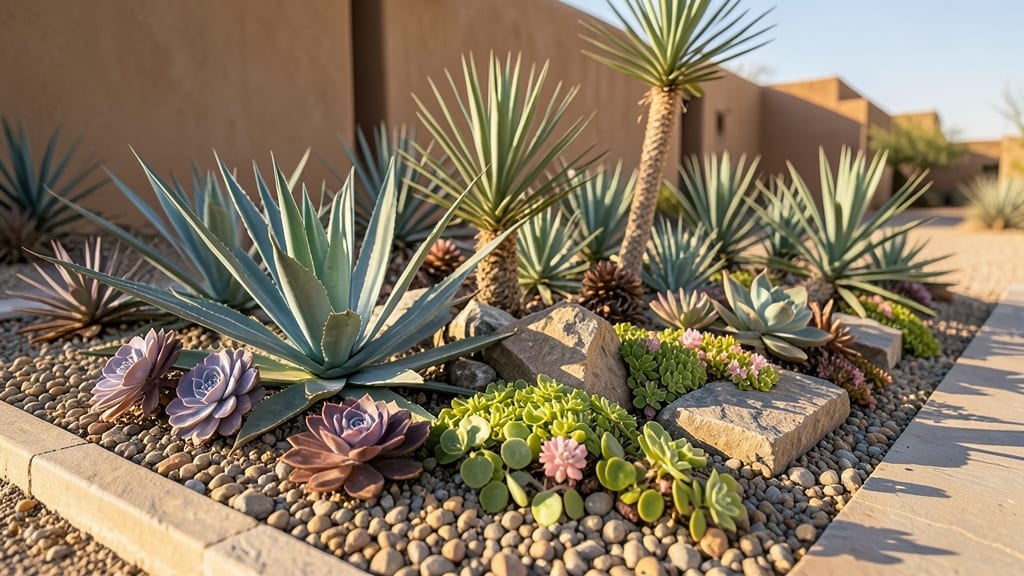
If you live in a hot, dry climate or simply want to slash your water bill, a desert-inspired bed is your answer. These striking designs combine succulents, agave, and yucca to create bold textures that thrive with minimal care—often surviving on rainfall alone.
Start with drought-resistant stars like blue flax for delicate blooms, hen-and-chicks for cascading foliage, and yucca for architectural height. Plant in well-draining gravelly soil (mix in coarse sand if needed) and space plants 12–18 inches apart to prevent competition. Mulch with pebbles or decomposed granite to retain moisture and suppress weeds—no organic mulch required!
This design is ideal for urban gardeners with limited water access or anyone craving a modern, low-fuss aesthetic. Once established, these plants need water only every 2–4 weeks, making them the ultimate "set it and forget it" option. 🌻
Vertical Flower Wall Planters
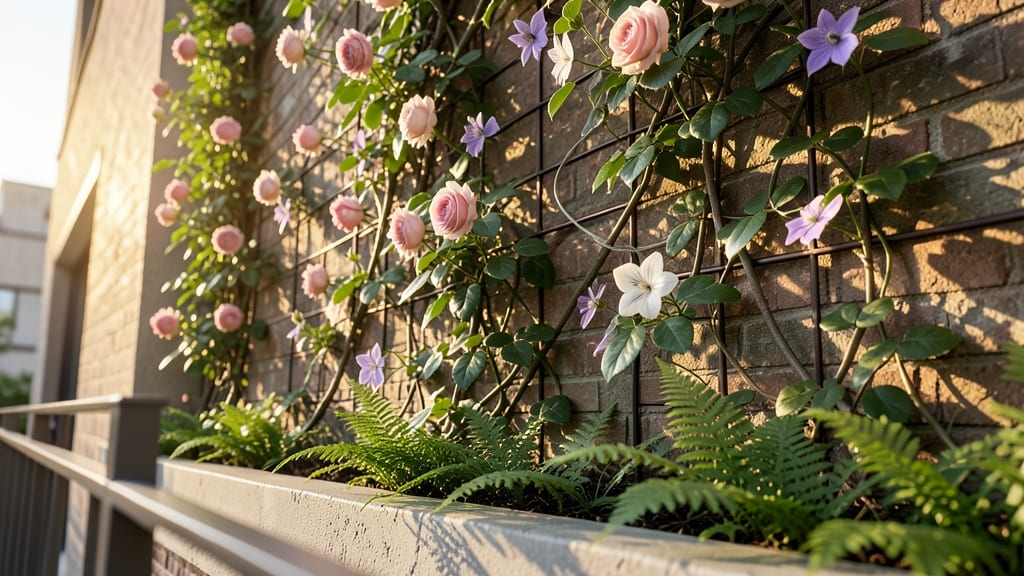
Turn your tiny urban backyard or patio into a lush vertical garden oasis with climbing roses, clematis, and ferns—plants that thrive upward instead of outward. This space-saving solution transforms blank walls into living tapestries while adding fragrance and texture to your outdoor space.
Start with a sturdy wall-mounted planter system or repurpose old wooden crates. Plant climbing roses at the base for structure, intersperse with clematis for cascading blooms, and fill gaps with ferns for lush greenery. Ensure your wall gets at least 6 hours of sun daily, and use well-draining soil to prevent root rot. Water deeply 2-3 times a week, and watch your vertical garden flourish with minimal ground space.
Perfect for renters, city dwellers, or anyone with limited square footage, this design brings nature to tight spaces without sacrificing beauty. 💚
Moon Garden With Nocturnal Blooms
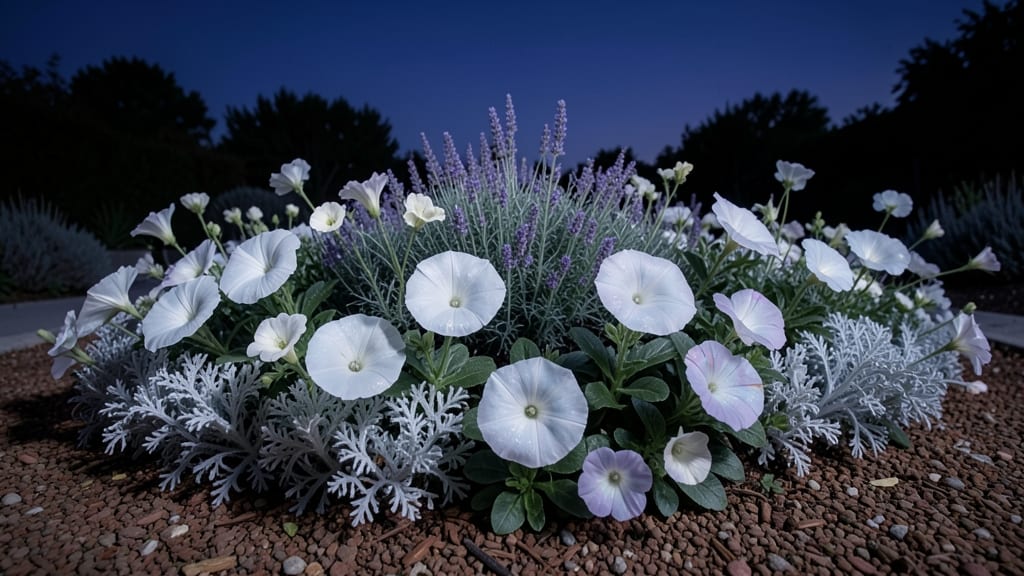
Transform your back yard into a twilight sanctuary with a moon garden that blooms only after sunset. Unlike daytime gardens, this design leverages fragrant, luminous white and pale flowers that glow under artificial or moonlight, creating a serene and romantic atmosphere perfect for evening strolls or al fresco dining.
Start with night-blooming jasmine and moonflowers—both thrive in warm climates and open their delicate blooms as the sun sets. Pair them with evening primrose and silver dusty miller for texture and height. These plants require well-draining soil and partial shade to full sun, depending on your climate. For a fragrant touch, add night-scented stock or four o’clocks, which release their sweetest aromas after dark.
This design is ideal for gardeners who love a low-light oasis or want to extend their garden’s usability into the night. Perfect for small spaces, patios, or as a focal point along a pathway, a moon garden adds enchantment with minimal daytime maintenance. ✨
Wildflower Meadow Mix Beds
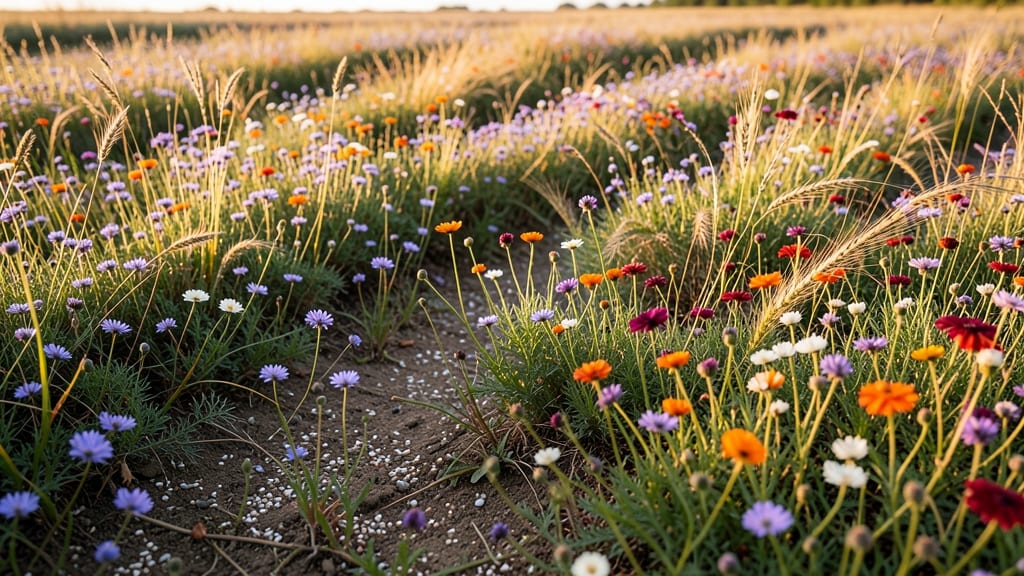
Skip the meticulous planning and embrace the beauty of nature with wildflower meadow mix beds—where every bloom feels like a surprise gift from the earth. This effortless approach transforms large open spaces into vibrant, swaying landscapes that require nothing more than a sprinkle of seeds and a little patience.
Choose a native wildflower mix suited to your climate, then scatter seeds evenly over prepared soil in early spring or fall. These hardy plants thrive in full sun to partial shade, need minimal water once established, and attract pollinators like bees and butterflies. For best results, mow back the meadow in late summer or early fall to encourage new growth and prevent weeds.
Perfect for gardeners who crave a low-maintenance, organic aesthetic, wildflower meadows are ideal for rural properties, sunny back corners, or even large containers. Let nature take the lead and enjoy a garden that evolves with the seasons. 🌻
Container Flower Bed Combo
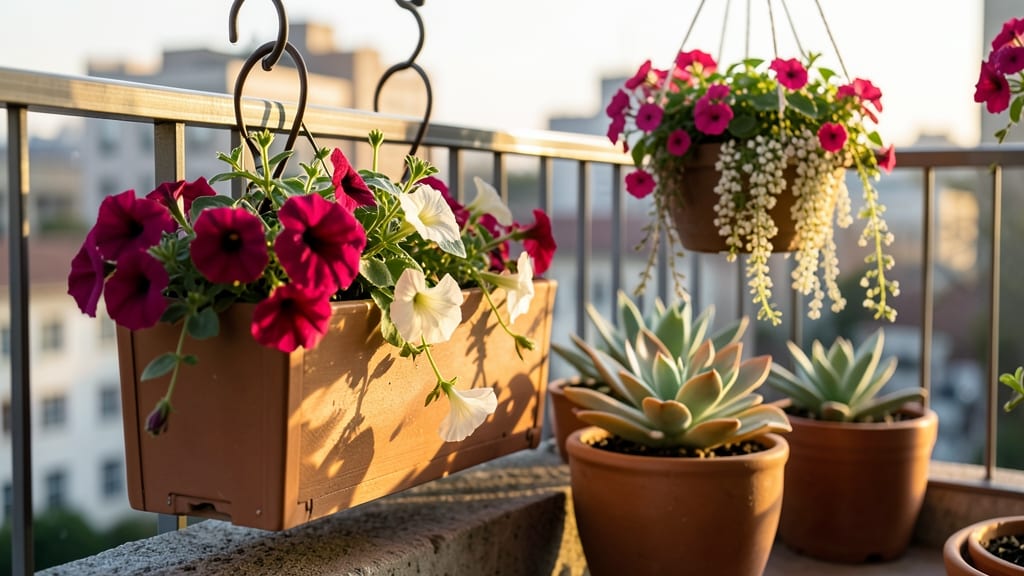
If you're a renter, urban dweller, or simply short on space, container flower beds transform any balcony, patio, or deck into a lush garden oasis. This flexible approach lets you mix window boxes for vertical charm, hanging baskets for cascading color, and terracotta pots for bold focal points—all while keeping soil contained and portable.
Start with a color-coordinated trio: pair red geraniums (sun-loving and drought-tolerant) with white petunias (spiller variety) and trailing ivy for texture. Use lightweight potting mix with added perlite to prevent soggy roots, and water containers every 2-3 days in summer or when the top inch of soil feels dry. Rotate pots seasonally—swap out spring bulbs for autumn mums or winter pansies to keep blooms year-round.
This system is ideal for small-space gardeners who want to experiment without commitment. Plus, you can move containers to follow the sun or protect them from frost—no permanent changes to your space required. 🌻
Evergreen Shrub Foundation Beds

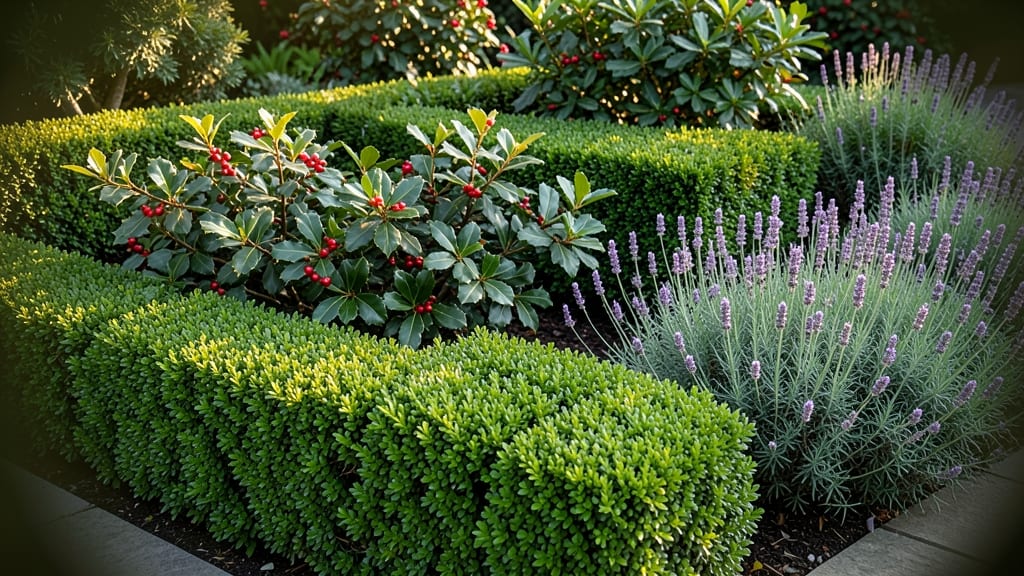
Tired of flower beds that look bare when seasonal blooms fade? Evergreen shrub foundation beds solve this by providing a year-round structural backbone that keeps your garden looking polished no matter the season. This design uses boxwood for crisp edges, holly for texture, and lavender for fragrance, creating a lush green frame that lets you tuck in seasonal flowers like hydrangeas or coneflowers.
Start by planting boxwood in a neat, uniform row along the bed’s perimeter—its dense foliage resists pests and stays vibrant in winter. Add holly for glossy, spiky contrast and lavender in clusters for color and scent. Prune boxwood twice yearly (spring and fall) to maintain shape, while holly thrives with minimal care. This combo works in full sun to partial shade and handles most soil types, making it ideal for both formal and cottage-style gardens.
Perfect for gardeners who want low-maintenance structure without sacrificing beauty, these beds also reduce weeding by crowding out weeds naturally. They’re especially great for framing patios or pathways, creating a timeless, elegant look that never goes out of style. 🌿