
Tools
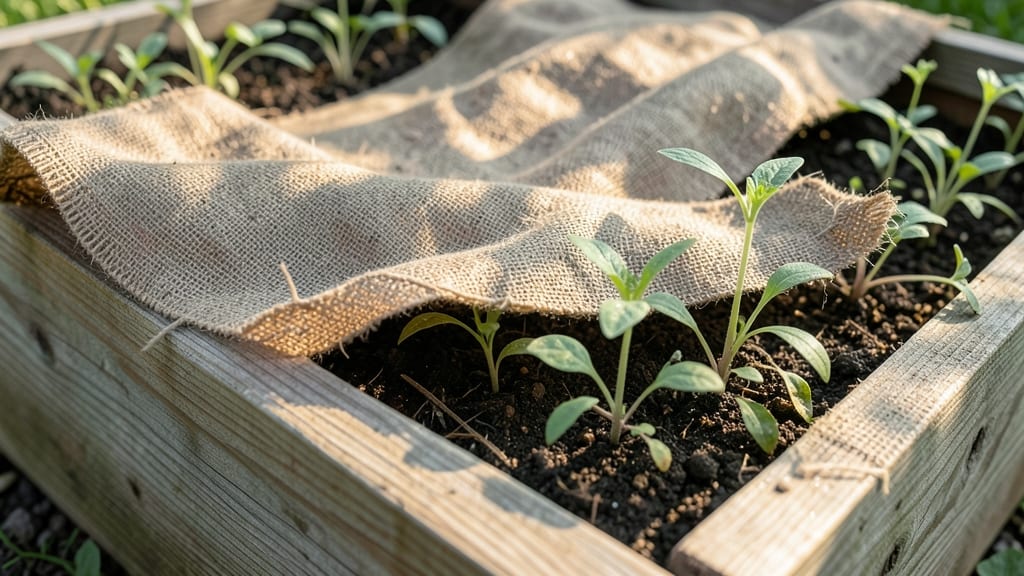
Missouri summers bring intense heat and unpredictable storms that can devastate your raised garden beds. The right cover protects plants from scorching temperatures, pests, and harsh winds while extending your growing season—here are the seven best options for Missouri gardeners.
Shade Cloth with 30% Light Blockage
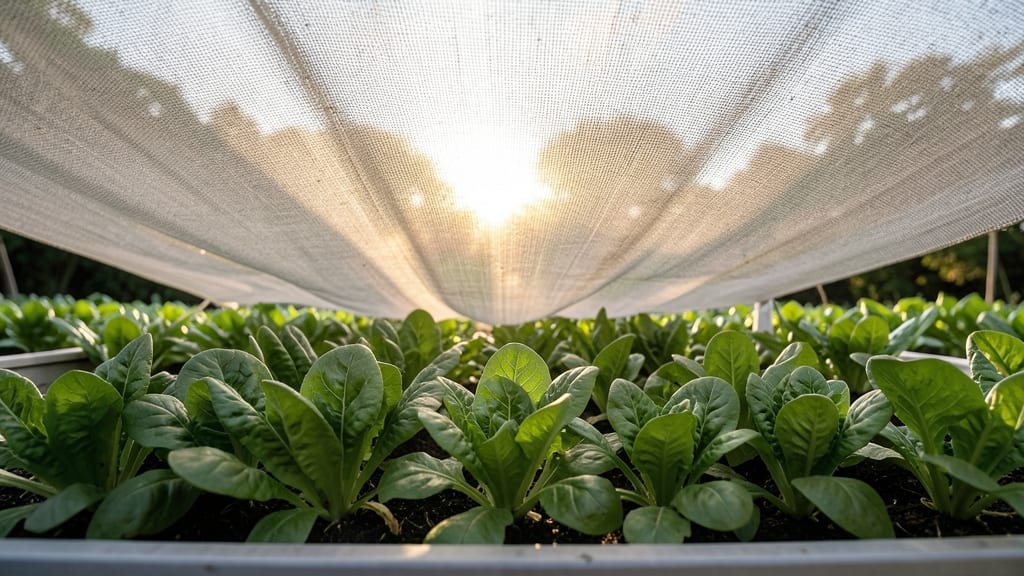
When Missouri’s summer sun climbs past 90°F, delicate greens like lettuce and spinach bolt faster than you can say "harvest." A 30% shade cloth strikes the perfect balance—filtering enough sunlight to prevent scorching while letting vital airflow keep your plants thriving.
This lightweight fabric reduces soil temperatures by up to 10°F, protecting heat-sensitive crops without stifling growth. Secure it with clip-on hoops (not strings) to avoid damaging stems, and leave edges slightly open for ventilation during afternoon humidity spikes. It’s the secret weapon for extending your greens’ harvest by 2-3 weeks.
Perfect for beginner gardeners or urban raised beds where space is tight, this cover is your go-to for summer heat without the stress. 🌱
Floating Row Cover Fabric
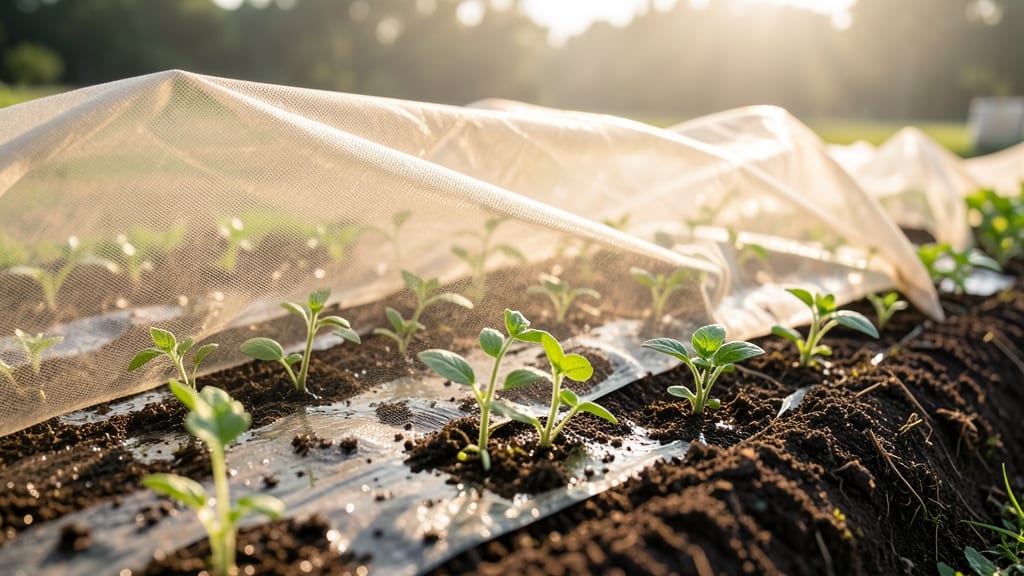
Struggling to get your early summer seedlings off to a strong start in Missouri’s muggy climate? A floating row cover fabric creates a protective bubble that shields young plants from pests like cabbage moths while gently warming the soil by 10-15°F at night—without smothering them like heavier covers.
Made from lightweight, breathable material (often polypropylene), this cover allows sunlight and water to pass through while blocking flying insects and reducing humidity stress. Simply drape it over hoops or stakes above your seedlings, leaving room for growth—perfect for broccoli, cabbage, and tomatoes during those unpredictable May-June transitions.
This is the go-to solution for gardeners who want to extend their planting window without sacrificing airflow or risking overheating. 🌱
Heavy-Duty Landscape Fabric
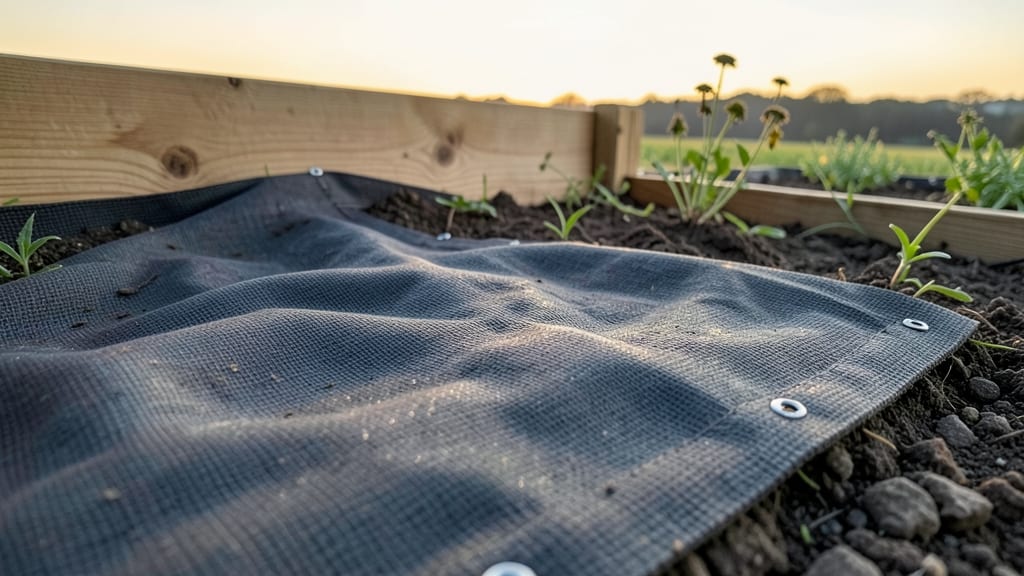
Missouri’s summer weather swings from sudden downpours to scorching droughts, leaving gardeners scrambling to keep moisture in the soil. Heavy-duty landscape fabric is the unsung hero for perennial beds and long-term moisture retention—it blocks weeds while locking in precious water during those prolonged dry spells.
This durable fabric suppresses soil moisture loss by up to 70% while still allowing air and nutrients to reach roots. Unlike mulch, it won’t break down or attract pests, making it ideal for low-maintenance perennial gardens or vegetable beds where you want to minimize weeding. For best results, lay it directly over the soil before planting, securing edges with landscape staples to prevent shifting.
Perfect for gardeners who want to reduce watering frequency without sacrificing plant health, this fabric is especially valuable in Missouri’s unpredictable summer climate. It’s a one-time investment that pays off year after year. 💪
Insect Netting with UV Protection
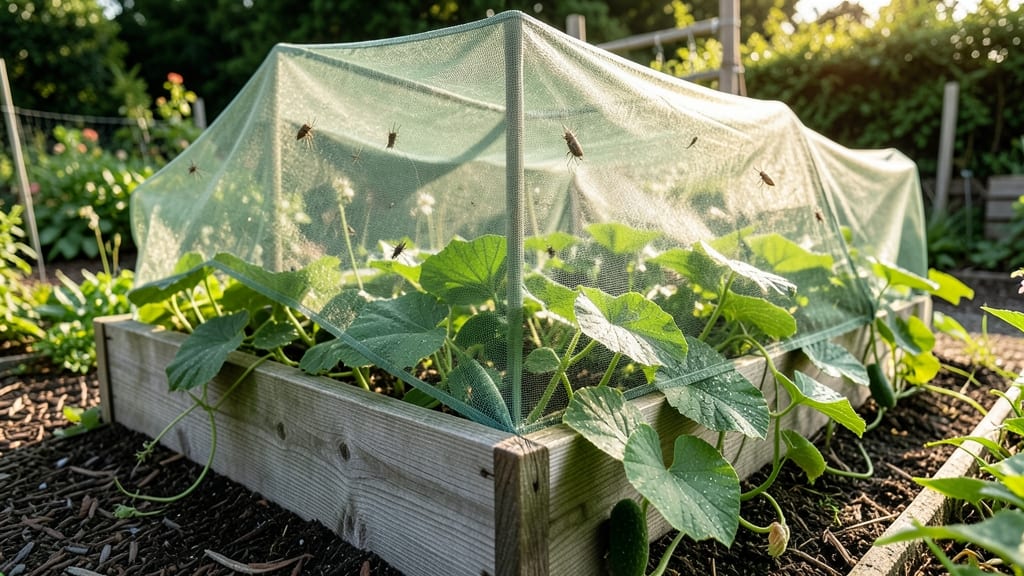
Missouri’s summer pests—like squash bugs and cucumber beetles—can wipe out your garden in days if left unchecked. The solution? UV-protected insect netting, a game-changer for raised beds that lets sunlight in while keeping destructive critters out.
This specialized netting blocks pests while allowing full sun exposure, and its UV treatment prevents fraying or weakening from Missouri’s intense sunlight and humidity. Look for mesh sizes of 0.6mm (16x16) for general pest control or 0.3mm (30x30) for delicate crops like squash. Secure it tightly with clips or weights to avoid gaps where pests could sneak in.
Perfect for gardeners battling Missouri’s most relentless bugs, this netting is especially valuable for cucumbers, zucchini, and melons—crops that thrive in summer but are prime targets for pests. 🌱
Thermal Blanket for Night Protection
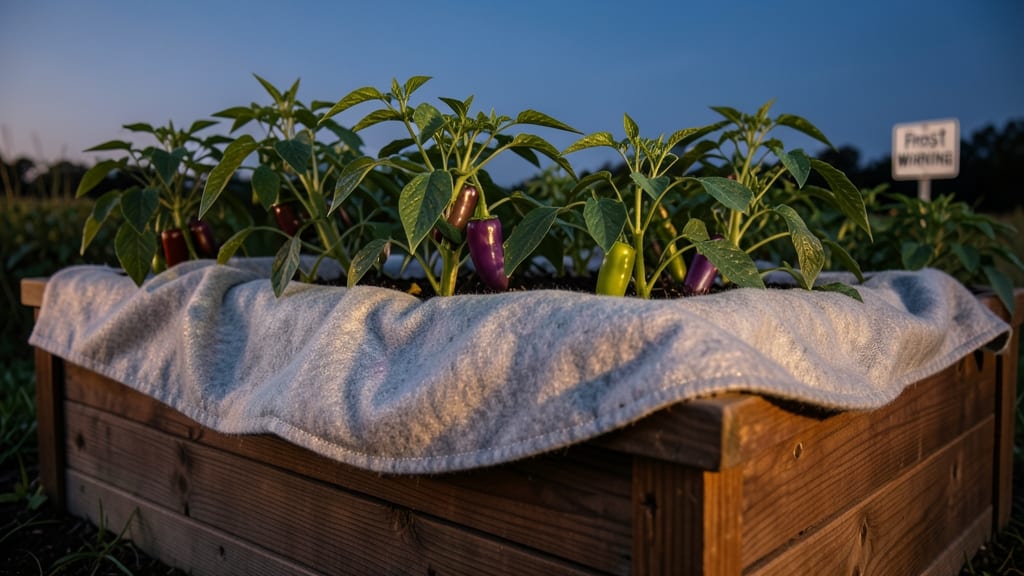
Missouri’s summer nights can drop temperatures faster than you can say "frost warning," leaving your peppers and eggplants vulnerable to chilly shock. A thermal blanket acts like a cozy down comforter for your plants, locking in warmth while remaining breathable enough for daytime removal.
Look for lightweight, reflective blankets designed for vegetable gardens—these trap heat radiating from the soil while allowing sunlight to penetrate during the day. Secure them loosely with clips or stakes to avoid smothering plants, and remove them by mid-morning when temperatures rise. This simple trick can extend your growing season by 2-3 weeks for heat-loving crops that struggle with Missouri’s erratic summer nights.
Perfect for gardeners with tender crops or those pushing late-season harvests, thermal blankets are especially useful during July-August when nighttime temps can plunge unexpectedly. 🌱
Clear Polycarbonate Tunnel Hoops
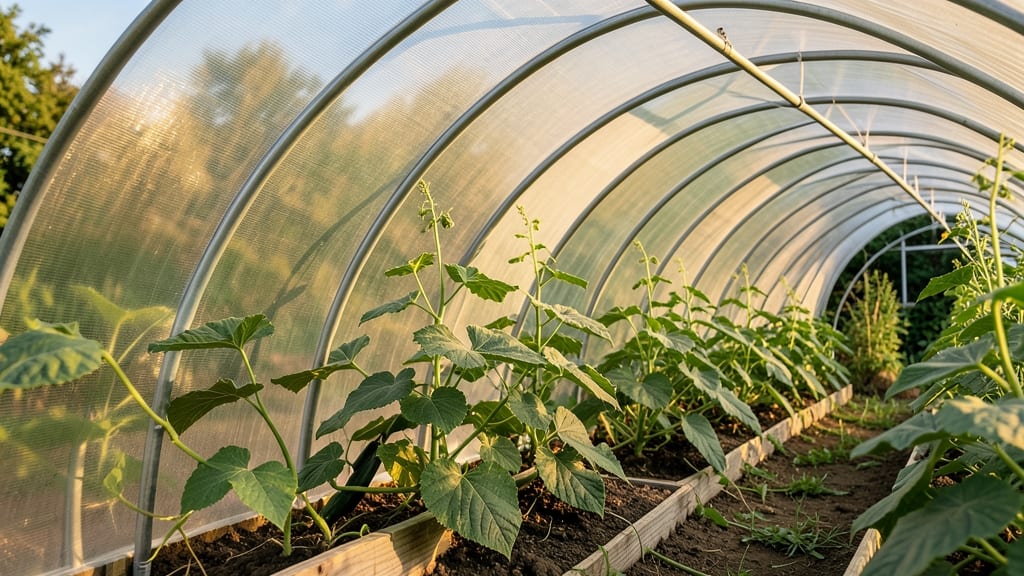
When Missouri’s summer storms strike with hail and wind, your cucumbers and beans don’t stand a chance—unless you shield them with clear polycarbonate tunnel hoops. These sturdy structures let in 90% of sunlight while deflecting debris and gusts, making them perfect for late-season heatwaves when other covers might suffocate plants.
Install hoops over your raised bed and drape lightweight plastic or mesh for extra protection. The clear panels prevent overheating while allowing vines to climb trellises, and the arch design resists collapse under heavy rain or hail. For gardeners with vining crops, this setup maximizes space and harvest potential without sacrificing sunlight.
Ideal for those who want durability without sacrificing growth, these hoops are a game-changer for extending the season in Missouri’s unpredictable climate. 🌱
Burlap Sack for Seedling Hardening
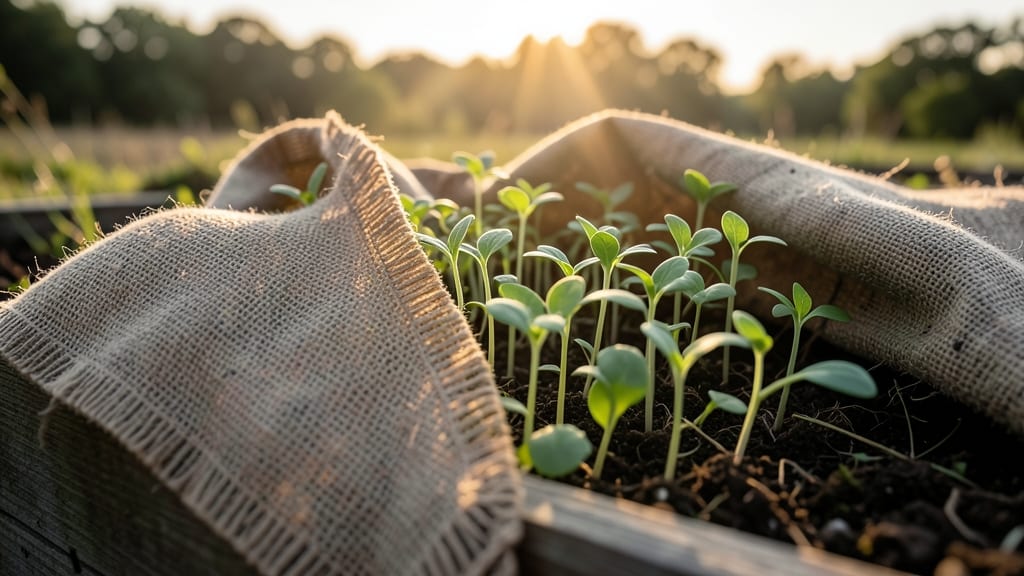
When your seedlings are ready to graduate from the greenhouse but Missouri’s afternoon sun and gusty winds still threaten their tender leaves, a burlap sack becomes your secret weapon. This organic, breathable material creates the perfect transition zone—hardening off plants without shocking their roots or wilting their foliage.
Simply drape the sack loosely over seedlings for 3-5 hours daily, increasing exposure over a week. The natural fibers absorb excess moisture from morning dew while shielding delicate stems from windburn and intense UV rays. Unlike plastic, burlap allows airflow while reducing transplant shock—a game-changer for tomatoes, peppers, and herbs struggling in Missouri’s unpredictable spring weather.
Best for beginners or eco-conscious gardeners, burlap is reusable, compostable, and costs pennies compared to specialized hardening trays. Just remember: remove it on cloudy days to prevent overheating. 🌱