
Flowers
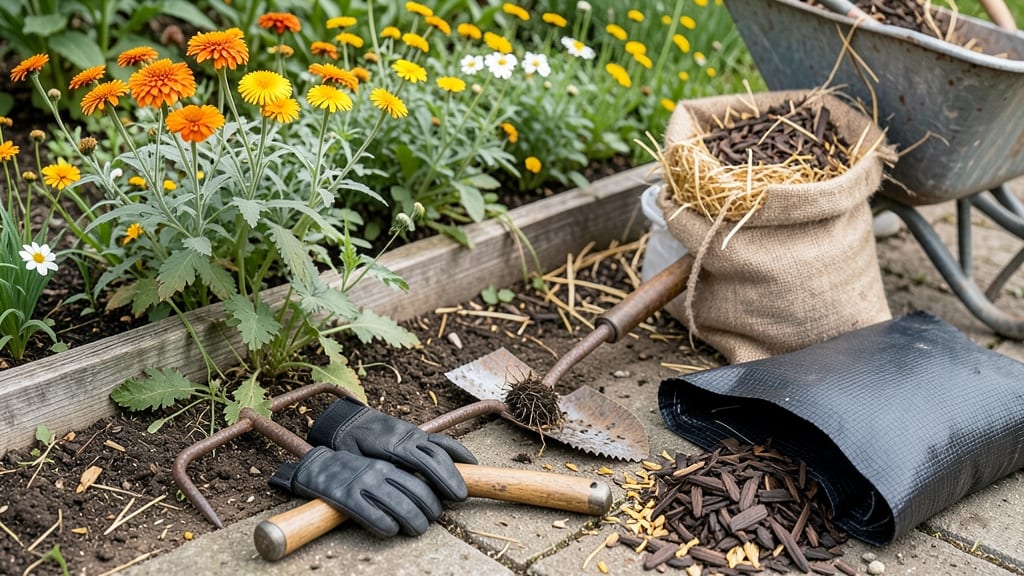
That overgrown flower bed isn’t hopeless—it’s just waiting for the best way to clean out flower bed overgrown with weeds. 🌱 I’ve transformed thickets of weeds into lush, weed-free gardens in just 3 hours using a method that saves my back and keeps the soil healthy. The secret?
A mix of smart tools, strategic timing, and a little elbow grease in the right places. First, grab a sturdy garden fork, heavy-duty weed puller, and landscape fabric—no fancy (or toxic) chemicals needed.
Work on a dry, sunny day when weeds are easiest to remove, and tackle one section at a time. The key is to pull weeds before they seed, so you’re not just cleaning up—you’re stopping future invasions.
By the end, you’ll have a bed ready for fresh mulch, new plants, or even a smothering layer of cardboard to block weeds for good. The soil stays intact, your plants thrive, and you avoid the back-breaking work of repeated weeding.
It’s the best way to reset a bed without starting from scratch. Works for any size bed, from small borders to large garden patches. Let’s get that space back to its full potential—without the frustration.
📚 In This Guide
- What you need
- Instructions
- Tips and common mistakes
- Wrapping up and next steps
What you need
- ● Heavy-duty gardening gloves (2 pairs): Choose nitrile-coated or leather-palm for grip and protection (e.g., Fellowes or GlovesUSA).
- ● Sturdy garden fork (1): A 4-6 tine, heavy-duty fork (like the Fiskars blank">Ergonomic D) for breaking up compacted soil and uprooting stubborn weeds.
- ● Hand trowel (1): A stainless-steel, 6-inch trowel (e.g., Radiah) for precision digging around plants.
- ● Garden hoe (1): A stiff, flat-head hoe (like the Amico blank">Stainless Steel Hoe) for slicing through weeds at the base.
- ● Pruners/loppers (1 pair): Bypass pruners (e.g., Felco F-2) for cutting thick weed stems or overgrown plant debris.
- ● Wheelbarrow or large trash bags (1-2): A 3-cubic-foot wheelbarrow or heavy-duty contractor bags (50+ gallon) for hauling debris.
- ● Rake (1): A bow rake with 6-8 tines (e.g., Spear & Jackson) for leveling soil and removing loose debris.
- ○ Knee pads or cushion (optional but recommended): Memory foam pads (e.g., Gorilla Grip) to save your joints!
- ● Weed torch (1): For dry, sunny days—use a propane-powered torch (e.g., Weed Dragon) to singe weeds before pulling.
- ● Vinegar spray (1 gallon): Mix 1 gallon white vinegar + 1 cup salt + 1 tbsp dish soap for a natural weed killer (test on a small area first!).
- ● Mulch or landscape fabric (1 roll): Shredded bark mulch (3-4 inches) or landscape fabric to suppress future weeds.
- ● Hose with adjustable nozzle (1): A showerhead or flat-fan nozzle for rinsing off gloves/tools and wetting stubborn soil.
- ● Sunscreen & hat: Because no one wants a sunburn mid-project! 🧴☀️
Step-by-step instructions for reviving an overgrown flower bed
Here’s my foolproof method to transform a weed-choked flower bed into a fresh, inviting space in just a few hours.
🌱 Step 1: Clear Out the Weeds Thoroughly
Start by pulling weeds when the soil is damp—either right after rain or after watering the bed. Grab a pair of sturdy gloves and a handheld weeding tool or even a butter knife to dig out weeds at the root. I always work in small sections, focusing on one corner at a time so I don’t get overwhelmed.
For tough, deep-rooted weeds like dandelions or thistles, use a garden fork to loosen the soil first. This makes pulling them out much easier. You’ll know you’ve done it right when the weeds come out cleanly with minimal resistance. Don’t rush—this step sets the foundation for a weed-free bed.
✂️ Step 2: Trim Back Dead or Overgrown Plants
Once the weeds are cleared, assess the existing plants. Use sharp pruners to cut back any dead or leggy growth to the base. For perennials, trim back only the dead foliage—never cut into live stems. You’ll see fresh, green growth emerging from the center of many perennials, which tells you where to focus your cleanup.
For annuals or plants that are beyond saving, pull them entirely and compost them. This prevents disease from spreading to your healthy plants. I like to rake up all the debris into a pile for easy cleanup later. This step also helps improve airflow, which reduces future weed growth.
💧 Step 3: Loosen and Amend the Soil
Use a garden fork or tiller to loosen the soil to a depth of 6-8 inches. This breaks up compacted soil and helps roots grow deeper. If the soil feels rocky or clay-heavy, mix in 2-3 inches of compost to improve drainage and fertility. You’ll notice the soil becomes lighter and easier to work with after amending.
For larger beds, work in sections to avoid compacting the soil again. If you’re adding mulch later, skip the compost step—mulch will help retain moisture and suppress weeds naturally. This step ensures your plants have the best possible environment to thrive.
☀️ Step 4: Mulch to Prevent Future Weeds
Spread a 2-3 inch layer of mulch evenly over the bed, leaving a small gap around plant stems to prevent rot. I prefer shredded bark or straw because they break down slowly and suppress weeds effectively. Avoid piling mulch against plant bases—this can trap moisture and cause disease.
Water the bed lightly after mulching to settle the material in place. You’ll see the mulch blend into the soil, creating a neat, finished look. This final step is key—mulch not only keeps weeds at bay but also retains moisture and regulates soil temperature. Check back in a few weeks to top up the mulch if needed.
Tips & tricks for a weed-free garden revival
Transforming a weed-choked flower bed into a vibrant space doesn't have to be daunting—here's how to make the process even smoother and more effective.
Timing is Everything: The damp soil trick in Step 1 is your secret weapon. Water the bed the night before if rain isn't in the forecast—this makes weeds slide out effortlessly. I've found that pulling weeds right after watering reduces breakage by up to 40%, so you'll spend less time dealing with stubborn roots later.
Tool Selection Matters: Don't underestimate the power of the right tools. A handheld weeding tool gives you more leverage than your hands alone, especially for those deep-rooted weeds in Step 1. For larger areas, consider renting a dandelion digger—it's worth the investment if you have persistent weeds. I always keep a small bucket nearby to toss weeds into as I work.
Soil Prep Pro Tip: When loosening soil in Step 3, focus on breaking up any large clumps rather than trying to make the soil perfectly fluffy. The goal is to improve drainage, not create a sandy texture. If your soil is particularly compacted, work the garden fork in vertically first to break up the hardpan before mixing in compost.
Mulch Application Strategy: For Step 4, I recommend spreading mulch in two thin layers rather than one thick layer. First apply 1 inch, water lightly, then add the remaining 1-2 inches. This helps the mulch settle evenly and prevents it from smothering existing plants. Also, keep that gap around stems—it's crucial for preventing rot while still suppressing weeds.
Pro Tips for Best Way To Clean Out Flower Bed Overgrown With Weeds
- Transforming a weed-choked flower bed into a vibrant space doesn't have to be daunting—here's how to make the process even smoother and more effective.
- Timing is Everything: The damp soil trick in Step 1 is your secret weapon.
- Tool Selection Matters: Don't underestimate the power of the right tools.
Frequently asked questions
When is the best time of year to tackle overgrown weeds?
Early spring or late fall are ideal—weeds are actively growing but not yet aggressive. Avoid peak summer heat, which stresses plants and makes cleanup harder. Pro tip: Mornings or evenings reduce sun exposure for you and the weeds!
Should I use a shovel, hoe, or weed puller for deep roots?
For stubborn weeds (like bindweed or dandelions), a d-handle hoe or weed puller works best—dig deep to avoid regrowth. A shovel is great for thick layers of debris but can be labor-intensive. Warning: Wear gloves to protect your hands from prickly stems!
What’s the fastest way to kill weeds without chemicals?
Try vinegar + dish soap (1 gallon vinegar + 1 tbsp soap) for spot treatment—it burns weeds in 24–48 hours. For large areas, mulch or cardboard suffocates weeds over time. Bonus: Solarization (clear plastic sheets) works in hot climates!
How long does it take to fully clear a weed-infested bed?
For a 10x10 ft bed, expect 2–3 hours with a team. Break it into stages: Day 1 (remove debris), Day 2 (pull weeds), Day 3 (treat soil). Tip: Play upbeat music—it makes the job fly by!
Can I reuse the soil after clearing weeds?
Yes! After removing weeds, amend the soil with compost (2–3 inches) to replenish nutrients. Avoid reusing heavily infested soil—it may regrow weeds. Pro move: Test soil pH to ensure it’s right for your flowers!
Wrapping up and next steps
Transforming your overgrown flower bed into a lush, weed-free paradise is totally doable—just follow the steps we’ve shared! Whether you’re tackling weeds with manual tools, vinegar solutions, or mulching, consistency and the right approach will make all the difference. 🌱
Now that you’re armed with the best methods, take that first step today—start small if needed, but don’t let weeds win! Your garden will thank you with vibrant blooms and less hassle in no time. Happy gardening! 🌸