
Tools
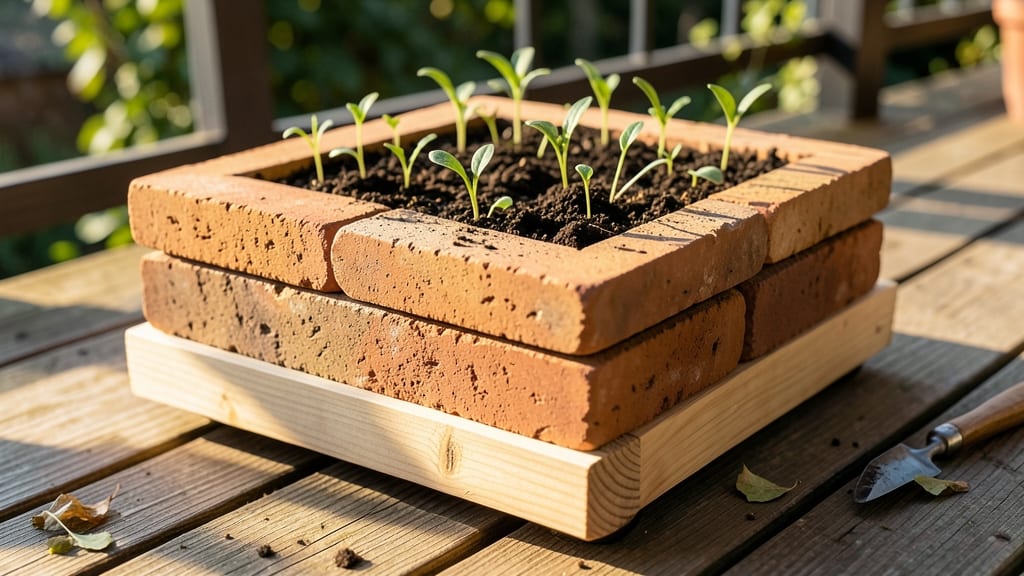
Transform your garden with these 10 brick raised bed designs that combine rustic charm with superior durability. Perfect for extending growing seasons, improving drainage, and creating stunning focal points for any outdoor space.
Classic Stacked Brick Border Bed
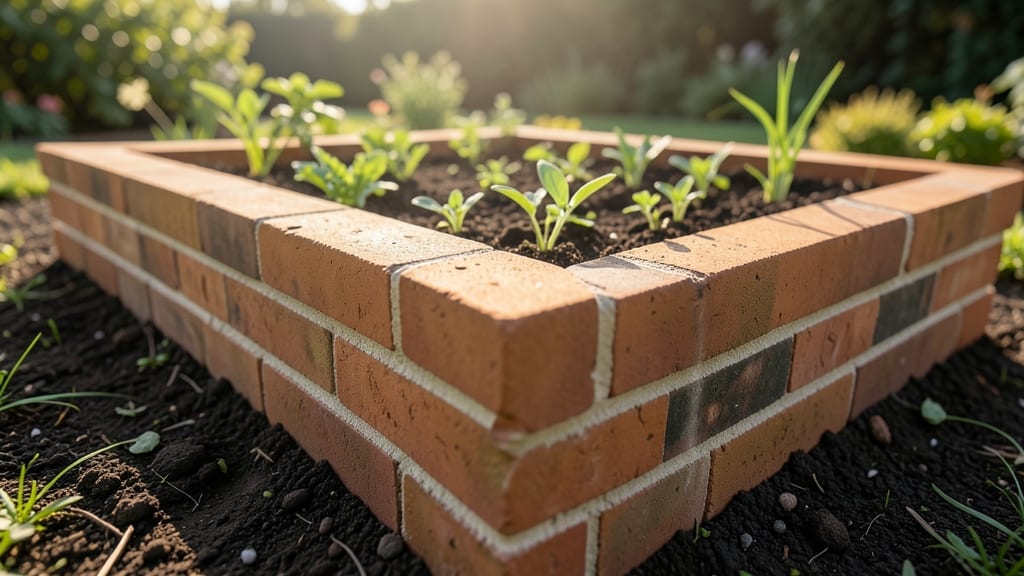
Want a garden bed that looks like it belongs in a historic estate but is simple to build? The classic stacked brick border bed delivers that polished, timeless look with just a few key materials and techniques. These beds create clean, straight edges that frame your plants beautifully while offering the practical benefits of raised gardening.
Start with uniform bricks (like clay pavers) stacked in a single or double layer, secured with mortar or landscape adhesive for stability. Aim for a depth of 6-12 inches—ideal for leafy greens, herbs, and shallow-rooted vegetables like lettuce or radishes. The bricks’ natural drainage prevents waterlogging, while their height reduces soil compaction and improves root growth. For a formal touch, pair the bed with low boxwood hedges or gravel pathways.
This design is perfect for gardeners who love structure and symmetry, whether you're creating a vegetable patch or a decorative border. The uniform look elevates any garden while keeping maintenance simple. 💚
Cinder Block Corner Planter Box
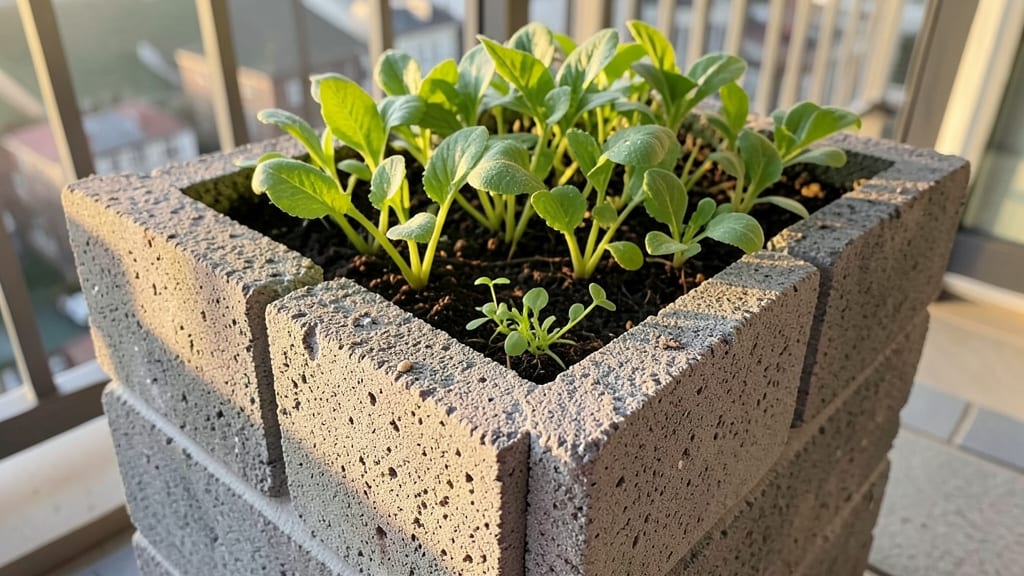
Turn even the tightest corners of your balcony or patio into a thriving garden with a cinder block corner planter box. This clever design maximizes every inch of space while creating a striking focal point for your smallest growing areas, perfect for fast-growing vegetables like radishes and lettuce.
Start by arranging two cinder blocks vertically in each corner, then fill the space between them with soil. The 12-inch depth is ideal for shallow-rooted crops, and the open sides allow easy access for harvesting. For extra stability, secure the blocks with landscape fabric or bricks at the base. This design works especially well with container-friendly varieties like cherry tomatoes or herbs, which thrive in confined spaces.
Urban gardeners and renters will love how this planter box transforms dead space into productive growing real estate. Plus, the industrial look of cinder blocks adds a modern touch to any small garden. 🌱
Half-Moon Brick Garden Bed
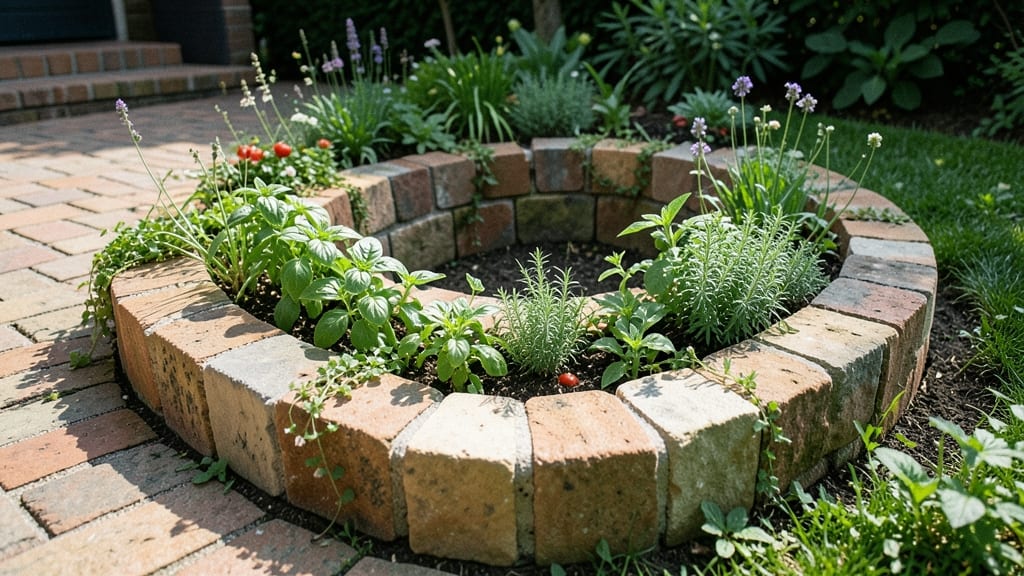
Turn awkward corners into functional growing space with a half-moon brick garden bed—a design that softens sharp edges while maximizing square footage in tight spots. This elegant curve creates a natural focal point that draws the eye while providing ample room for plants that might otherwise struggle in confined areas.
Build this bed by laying bricks in a gentle arc, using mortar or landscaping fabric to secure them without gaps. The curved shape works perfectly for shade-loving plants like lettuce along the outer edge, where sunlight might be limited, while the inner crescent can host sun-hungry tomatoes or peppers. Add a drip irrigation system along the curve to ensure even water distribution.
Urban gardeners and small-space enthusiasts will love how this design transforms dead corners into productive growing zones. Plus, the flowing lines add a touch of whimsy to formal garden layouts. 🌻
Tiered Brick Herb Garden
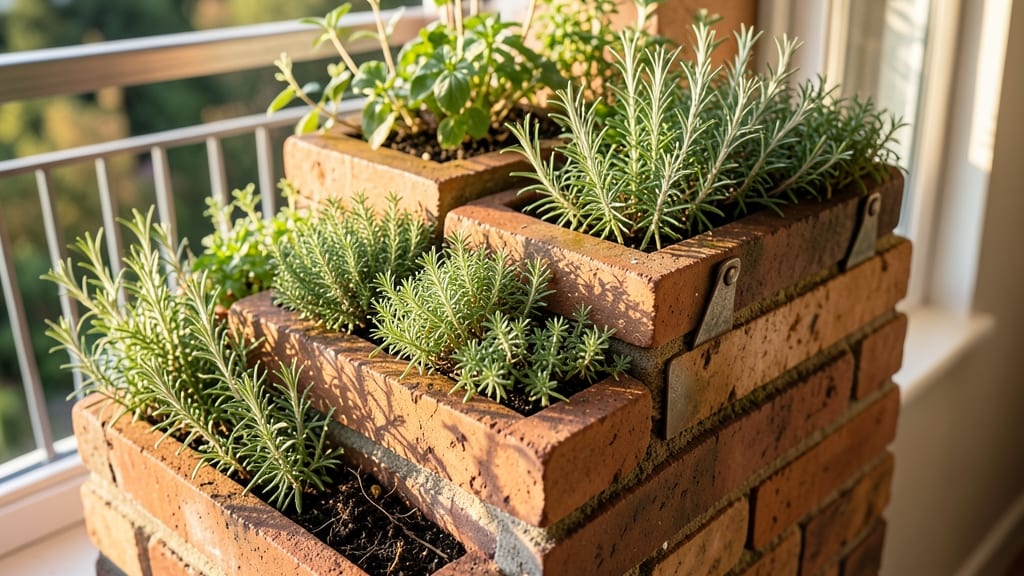
Turn your small balcony or kitchen windowsill into a fragrant herb haven with a tiered brick herb garden. This vertical design lets you grow sun-loving herbs like rosemary and thyme without sacrificing precious floor space—each tier gets optimal light exposure while keeping roots cool.
Build your tiers using firebricks or pavers stacked at varying heights (12-18 inches deep), with drainage holes drilled between layers. Plant parsley and chives in the top tier where they’ll thrive in bright light, while drought-tolerant rosemary in the bottom benefits from better moisture retention. The staggered design also makes harvesting easier—just reach down to snip fresh leaves without bending over.
Perfect for urban gardeners or anyone with limited space, this design keeps herbs within arm’s reach while adding rustic charm to patios or windowsills. 🌿
Firebrick Spiral Planter
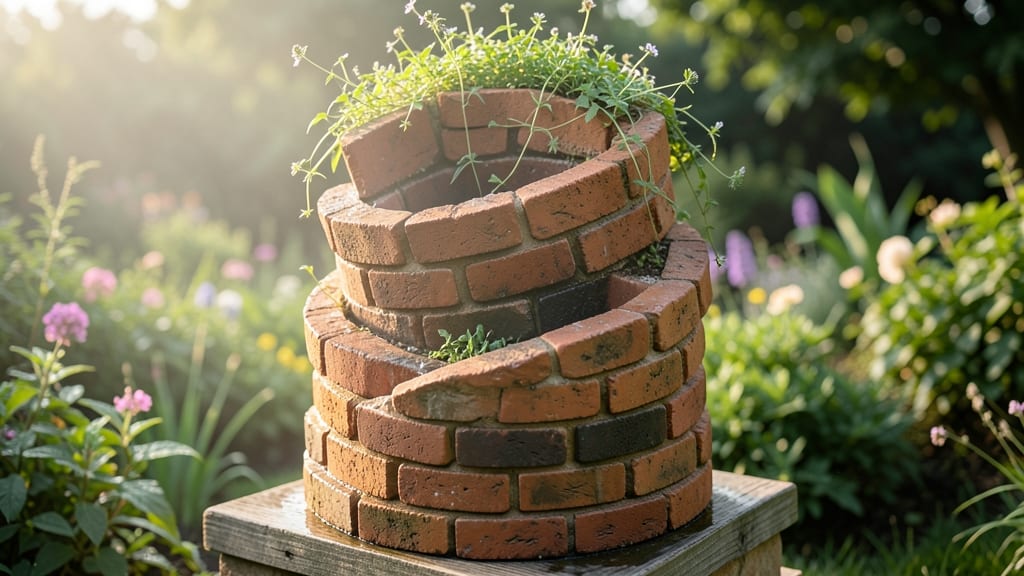
Turn your small garden into a whimsical vertical wonderland with a firebrick spiral planter—where every twist creates its own microclimate for thriving plants. This elevated design maximizes limited space while adding a dramatic focal point that’s impossible to ignore.
Start by stacking firebricks in a gentle spiral, leaving gaps for drainage and root growth. Place moisture-loving plants like lettuce or spinach at the base (where humidity lingers) and drought-tolerant lavender or thyme at the top (where air circulates freely). The spiral’s natural slope also prevents soil erosion during watering.
Perfect for urban gardeners or anyone craving a low-maintenance yet eye-catching design, this planter turns gardening into an art form. 🌻
Brick and Stone Retaining Wall Bed
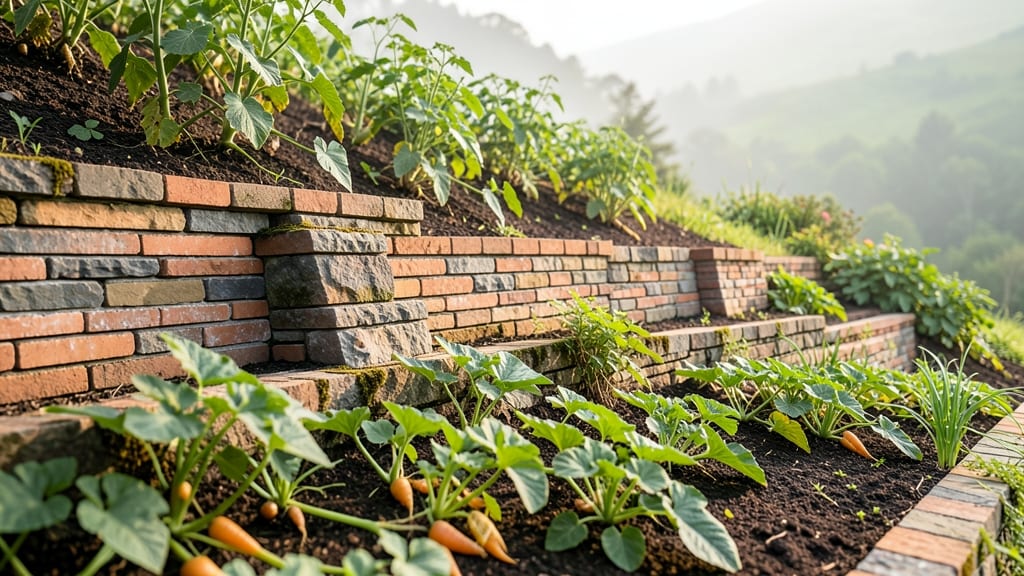
Turn that problematic slope into a productive garden with a brick and stone retaining wall bed—a dual-purpose solution that stops erosion while growing heavy crops like potatoes, carrots, and squash. Unlike traditional raised beds, these walls stabilize soil while providing the ideal 12-18 inch depth for deep-rooted vegetables.
Use interlocking bricks or natural stone for a sturdy base, layered with landscape fabric to prevent soil loss. For extra durability, alternate bricks with mortared stone sections> at stress points where the wall meets the slope. This design also creates a natural barrier against runoff, protecting your garden from washouts during heavy rains.
Perfect for gardeners with sloped yards or those who want to grow heavy vegetables without soil compaction. The added height improves drainage, making it ideal for clay-heavy soils. 💪
Interlocking Brick Planter Boxes
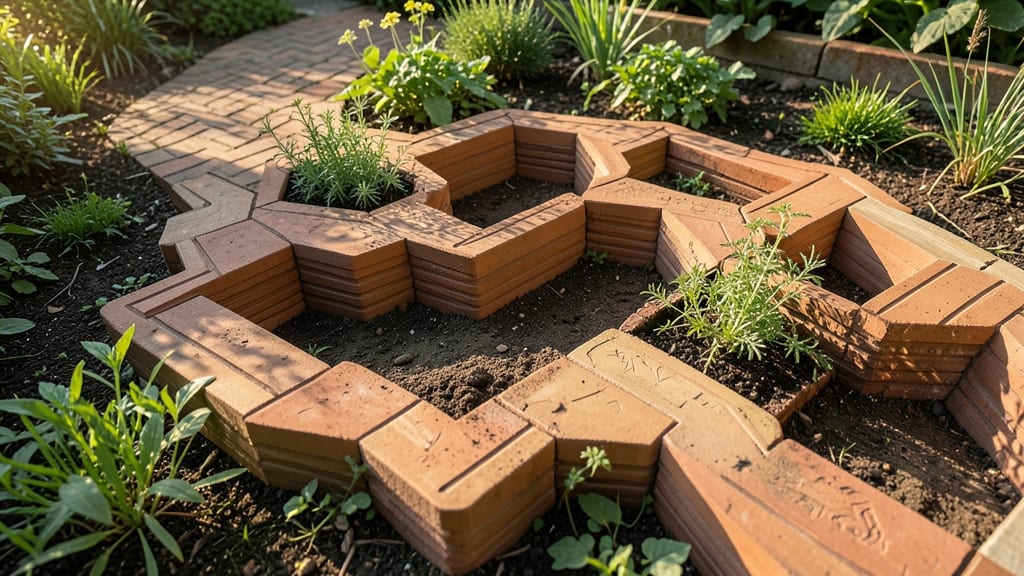
Tired of rigid garden beds that limit your creativity? Interlocking brick planter boxes let you mix and match bricks to create custom shapes—think hexagons, zigzags, or even abstract patterns—while keeping your plants neatly contained.
These modular systems use bricks with interlocking notches, eliminating the need for mortar and allowing easy expansion or rearrangement. Plant drought-tolerant herbs like rosemary in the sunniest sections and shade-loving lettuce in protected corners. The geometric precision also makes them ideal for modern or minimalist garden designs.
Perfect for urban gardeners or DIY enthusiasts, these beds offer endless layout possibilities without sacrificing durability. 💡
Brick and Wood Composite Bed
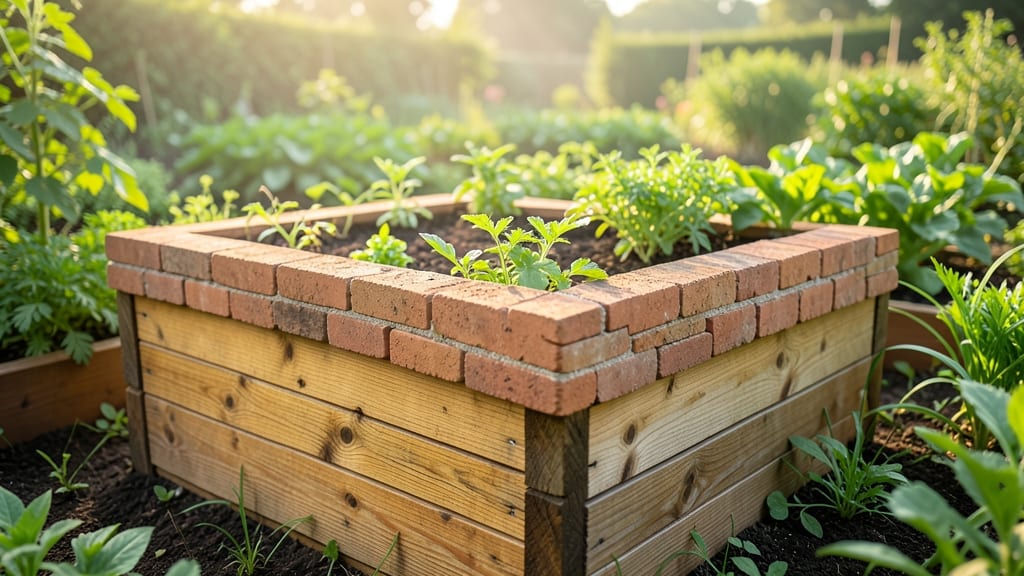
Need a durable yet budget-friendly raised bed for your larger vegetable garden? A brick and wood composite bed combines the best of both materials—bricks for longevity and wood for affordability—while keeping construction simple. This hybrid design lets you create spacious beds (4x8 feet or larger) without the full cost of brick-only construction.
Start by laying bricks along the outer edges for structure and drainage, then fill the center with untreated wood frames (like cedar or redwood) to contain soil. This combo resists rot better than all-wood beds while costing less than full brick. For heavy crops like tomatoes or squash, reinforce corners with metal brackets. The wood frame also makes it easier to customize bed dimensions to fit your space.
This design is perfect for gardeners who want long-term durability without breaking the bank—ideal for growing year-round vegetables in cooler climates too. 🌻
Decorative Brick Flower and Veggie Bed
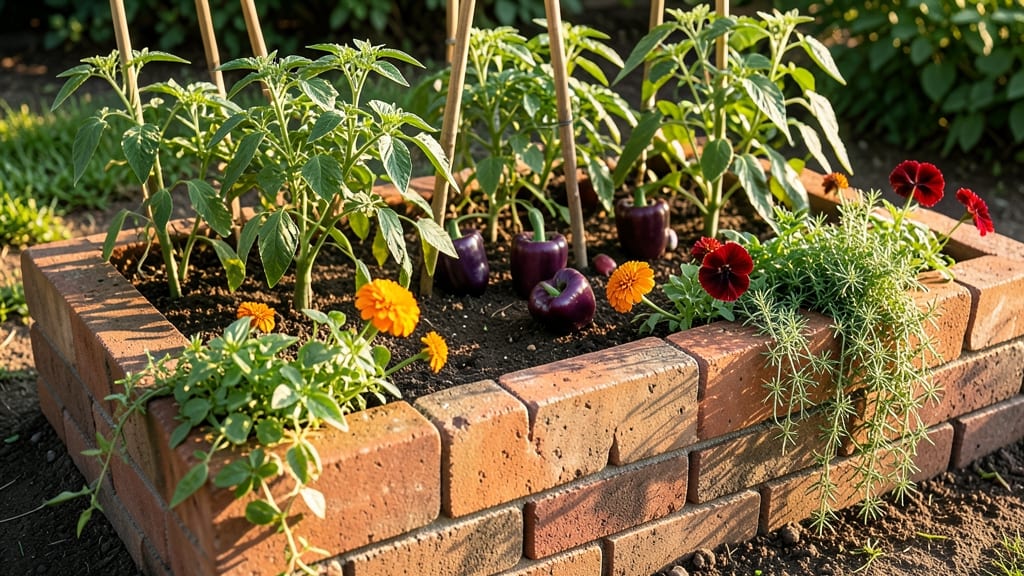
Want a garden that’s as beautiful as it is productive? A decorative brick flower and veggie bed marries aesthetics with function by weaving pollinator-friendly flowers like marigolds and nasturtiums between rows of tomatoes, peppers, and herbs. This design keeps your garden looking intentional while supporting bees, butterflies, and other beneficial insects.
Start by laying bricks in a neat, symmetrical pattern—alternate edible crops with flowers to create visual balance. Use dwarf varieties of vegetables (like cherry tomatoes or bush beans) to keep the bed tidy and prevent overcrowding. Add a layer of mulch between plants to suppress weeds and retain moisture, while ensuring each plant gets its ideal sunlight exposure (most veggies need 6-8 hours, while flowers like zinnias thrive in full sun).
This design is perfect for gardeners who love a curated, Instagram-worthy look but still want a bountiful harvest. Plus, the flowers act as natural pest deterrents, reducing the need for chemical interventions. 🌻
Portable Brick Planter Box

Tired of being stuck with a fixed garden layout? A portable brick planter box lets you move your garden to follow the sun’s path or rotate crops effortlessly—ideal for renters or small spaces where permanent beds aren’t an option.
These lightweight yet sturdy planters use bricks stacked on a rolling base with casters, allowing you to shift them daily for optimal sunlight exposure. Perfect for fast-growing greens, herbs, or strawberries, they also simplify crop rotation to prevent soil depletion. Just add a layer of landscape fabric between bricks and soil to deter weeds.
This design is a game-changer for urban gardeners or anyone with limited space—no digging, no permanent installation, just flexible, sun-smart growing. 💡