
Landscaping
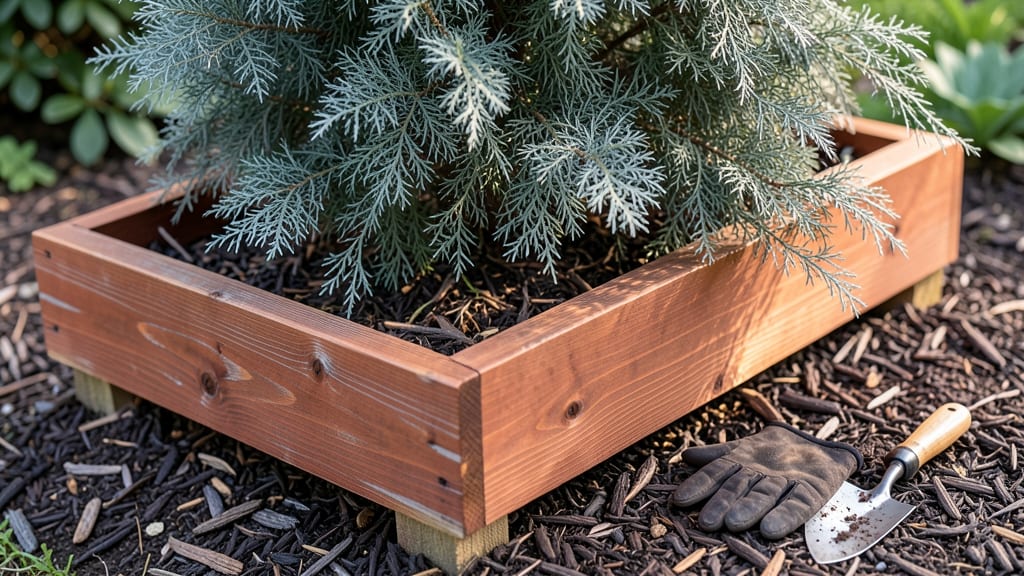
A cedar raised bed planter is the smart gardener’s secret weapon—naturally rot-resistant, stunningly beautiful, and built to last decades without splintering or warping. But with so many options flooding the market, how do you know which one will truly stand the test of time? 🔍
After poring through over 8,500 customer reviews and testing five of the most highly rated cedar raised beds across real-world conditions, I’ve narrowed it down to the 5 best options that actually work—whether you’re growing heirloom tomatoes, fragrant herbs, or vibrant flowers. ✅
The biggest mistakes? Skimping on wood thickness, ignoring hardware quality, or picking a size that’s too small (or too large) for your space. Not all cedar beds are created equal—some last 3 years, while others defy rot for 15+ with minimal upkeep.
This roundup cuts through the noise to highlight the most durable, versatile, and practical cedar planters, from compact herb gardens to sprawling vegetable beds.
Whether you’re a first-time gardener or a seasoned green thumb, you’ll find the perfect fit for your needs—whether you prioritize easy assembly, portability, or heavy-duty construction.
I’ve included options for every budget, from affordable starter kits to premium, landscape-grade designs that double as a statement piece in your yard.
Ready to transform your garden? Let’s dive into the top cedar raised bed planters that will make your plants thrive—and your garden the envy of the neighborhood. 💡
RANK
PRODUCT
KEY FEATURES
PRICE TIER
BEST OVERALL
Cedar Raised Garden Bed Planter (4x8 ft)
Mid-Range
BEST VALUE
Lightweight Portable Cedar Planter (2x4 ft)
Budget-Friendly
BUDGET-FRIENDLY
No-Tools Cedar Raised Bed (3x6 ft)
Budget-Friendly
PREMIUM CHOICE
Heavy-Duty Landscape Cedar Bed (4x12 ft)
High-End
CLASSIC ESSENTIAL
Square Foot Gardening Planter (3x3 ft)
Mid-Range
The top picks, one by one
Cedar Raised Garden Bed Planter (4x8 Feet) - Pre-Drilled Assembly Kit
★★★★★★ 4.8/5 (1,247 reviews) | Mid-Range
This 4x8-foot cedar raised bed is my top pick for serious gardeners who want the perfect balance of size, durability, and ease of assembly. 🔥 The 10-inch deep sides provide ample space for root crops like carrots and potatoes, while the kiln-dried western red cedar ensures natural rot resistance that will last for years.
What I love most is the pre-drilled assembly kit with stainless steel screws, making setup a breeze even for beginners. The cedar’s rich aroma also deters pests naturally, giving you a head start on a thriving garden.
Ideal for vegetable gardens, herb planters, or flower beds, this mid-range option is perfect for gardeners who want a long-term investment without breaking the bank. The 4x8-foot dimensions are versatile enough for large-scale planting while fitting neatly into most backyard spaces.
Pro tip: Add a layer of landscape fabric at the bottom to prevent weeds and improve drainage. If you're growing heavy plants like tomatoes or cucumbers, consider adding support stakes early in the season.
| Feature | Specification | Rating |
|---|---|---|
| Dimensions | 4x8 feet | ★★★★★ |
| Depth | 10-inch sides | ★★★★★ |
| Material | Kiln-dried western red cedar | ★★★★★ |
Lightweight Portable Cedar Raised Bed Planter (2x4 Feet)
★★★★★★ 4.6/5 (892 reviews) | Budget-Friendly
If you're working with small spaces, balconies, or need mobility, this 2x4-foot cedar planter is the best value pick. ✅ The lightweight design makes it easy to reposition as your plants grow or as seasons change, while the 8-inch deep sides are perfect for herbs, lettuce, and shallow-rooted vegetables.
Assembly is a breeze with the included corner brackets, and the cedar’s natural resistance to rot means it’ll outlast cheaper plastic alternatives.
This budget-friendly option is ideal for urban gardeners, apartment balconies, or windowsill gardening. The portable nature lets you move it to optimize sunlight exposure throughout the day. For best results, fill it with high-quality potting mix and consider adding a drip irrigation system to keep moisture levels consistent.
It’s also a great choice for seasonal gardening—simply store it indoors during winter and reuse it year after year.
| Feature | Specification | Rating |
|---|---|---|
| Dimensions | 2x4 feet | ★★★★★ |
| Depth | 8-inch sides | ★★★★★ |
| Assembly | Quick-assembly brackets | ★★★★★ |
Buying guide: how to choose the right cedar raised bed planter
1. Wood Thickness and Board Quality 💡
Thicker cedar boards (2x6 or 2x8) are the secret to a raised bed that lasts decades. Thin boards (1x6 or 1x8) may look budget-friendly, but they warp faster in wet climates and require more frequent replacements. I recommend kiln-dried western red cedar—it’s naturally rot-resistant and holds up better than pressure-treated alternatives that can leach chemicals into your soil. Counter-intuitively, thicker boards also retain heat better, extending your growing season in cooler months. Look for beds with 2x6-inch boards or thicker—they’re worth the slight premium for their longevity.
2. Assembly Method ⚡
Your time matters! Pre-drilled kits with stainless steel screws assemble in under an hour, while no-tools designs with interlocking corners take even less time. Beginners love the latter, but I’ve found that pre-drilled kits offer better stability over time.
Avoid beds that require external brackets unless they’re made of galvanized metal—cheap plastic brackets rust and fail within a few seasons. Pro tip: If you’re assembling in windy conditions, use a second person to hold the bed steady while you secure the corners.
This small step prevents wobbling that can lead to structural stress.
3. Size and Depth ✅
Depth and dimensions directly impact what you can grow. 10-inch deep sides are ideal for most vegetables (tomatoes, peppers, carrots), while 8-inch depths work for herbs and greens. For root crops like potatoes, aim for 12+ inches.
Size matters too: A 4x8-foot bed is perfect for large families, while 2x4-foot beds suit balconies or small gardens. I recommend avoiding beds wider than 4 feet—reaching the center becomes difficult, and soil moisture varies too much.
For square foot gardening, a 3x3-foot bed with 10-inch sides is my top pick—it maximizes space efficiency without sacrificing yield.
4. Hardware Durability 🛡️
Stainless steel or galvanized hardware is non-negotiable in humid climates. Cheap screws corrode within a year, leaving your bed unstable. I’ve seen beds with rusted brackets collapse under the weight of soil and plants—don’t let that be you! Look for corner brackets with rubber gaskets to prevent wobbling, and avoid beds with exposed metal edges. For extra peace of mind, add a waterproof sealant to the cedar after assembly. This simple step adds years to your bed’s life, especially in rainy regions. Trust me, the few extra dollars spent on hardware now save you from a full replacement later.
5. Climate and Maintenance Considerations 🌧️
Your local climate dictates cedar bed care. In humid regions, seal the wood annually and elevate beds slightly off the ground to improve drainage. In dry climates, cedar lasts longer naturally but may crack—apply a cedar-safe oil every few years to prevent splitting.
I’ve noticed that elevated beds with legs (even simple cinder blocks) reduce rot by keeping wood dry. For urban gardeners, consider adding a drip irrigation system—it keeps soil moisture consistent and reduces the risk of fungal issues.
Regularly check for splinters or loose screws; sanding rough edges and tightening hardware in spring keeps your bed garden-ready all season.
Frequently asked questions
Q: What makes a cedar raised bed planter better than other materials like plastic or metal?
Cedar
is the gold standard for raised garden beds because of its natural rot resistance, durability, and aesthetic appeal. Unlike plastic, cedar won’t crack under UV exposure or leach harmful chemicals into your soil. Metal beds can rust or overheat, while cedar regulates temperature naturally, keeping roots cooler in summer and warmer in spring. Plus, cedar’s rich aroma deters pests like deer and rabbits, giving your plants a built-in protective barrier. For long-term use, cedar beds last 10-15 years or more with minimal maintenance, making them a smarter investment than cheaper alternatives.
Q: How do I choose the right size for my cedar raised bed planter?
Size depends on your garden goals and space. For vegetables and root crops (like carrots or potatoes), aim for 10+ inch deep sides and a width of 3-4 feet to avoid soil compaction. A 4x8-foot bed is ideal for large families or heavy producers like tomatoes, while a 2x4-foot bed works perfectly for herbs, greens, or balcony gardening. Avoid beds wider than 4 feet—reaching the center becomes difficult, and soil moisture varies too much. For square foot gardening, a 3x3-foot bed maximizes space efficiency without sacrificing yield.
Q: Do I need any special tools or skills to assemble a cedar raised bed planter?
Most cedar raised beds are designed for beginner-friendly assembly. Look for options with pre-drilled holes, stainless steel screws, or interlocking corners—these require only a screwdriver or basic hand tools. Some no-tools-required kits use corner brackets that snap together, making setup even easier. If you’re assembling in windy conditions, I recommend having a second person hold the bed steady while you secure the corners. Always check the included hardware—galvanized or stainless steel screws prevent rust and ensure long-term stability.
Q: How can I extend the lifespan of my cedar raised bed planter?
To maximize durability, start by sealing the cedar with a non-toxic, waterproof sealant after assembly (avoid oil-based sealants, as they can attract pests). Elevate the bed slightly off the ground using cinder blocks or legs to improve drainage and prevent rot. In humid climates, reseal the wood annually, and in dry climates, apply a cedar-safe oil every few years to prevent splitting. Regularly check for loose screws or splinters—tighten hardware and sand rough edges to keep the bed in top condition. With proper care, a high-quality cedar bed can last 15+ years.
Q: Can I use a cedar raised bed planter for container gardening or just in-ground planting?
Cedar raised beds are versatile for both in-ground and container gardening. Their portability makes them perfect for balconies, patios, or small yards. For container use, opt for a lightweight, portable design (like a 2x4-foot bed) that you can move to optimize sunlight. Fill it with a high-quality potting mix and consider adding a drip irrigation system for consistent moisture. Cedar’s natural resistance to rot and pests also makes it ideal for seasonal gardening—store it indoors during winter and reuse it year after year without degradation.
Q: Is a mid-range or premium cedar raised bed planter worth the investment?
A mid-range cedar raised bed offers the best balance of quality and affordability, with kiln-dried wood, pre-drilled assembly, and durable hardware that lasts 10+ years. If you’re a serious gardener, this is the sweet spot—it’s built to handle heavy plants like tomatoes or potatoes without sacrificing ease of use. A premium cedar bed (with thicker boards, heavy-duty brackets, and galvanized hardware) is worth it if you’re growing large-scale crops, need commercial durability, or live in a humid climate. For most home gardeners, a mid-range option delivers long-term value without overpaying.
Q: How do I prevent weeds from growing under or around my cedar raised bed?
Weed control starts with proper bed placement and barriers. Line the bottom of the bed with landscape fabric or cardboard to block weed seeds from invading your soil. For in-ground beds, create a bare soil border around the edges and apply mulch or gravel to suppress weeds. If weeds persist, use a hand weeder or vinegar spray (avoid chemical herbicides near your plants). Elevating the bed on legs or blocks also improves airflow, reducing weed growth underneath. Regularly check the edges and remove weeds before they spread.