
Diseases
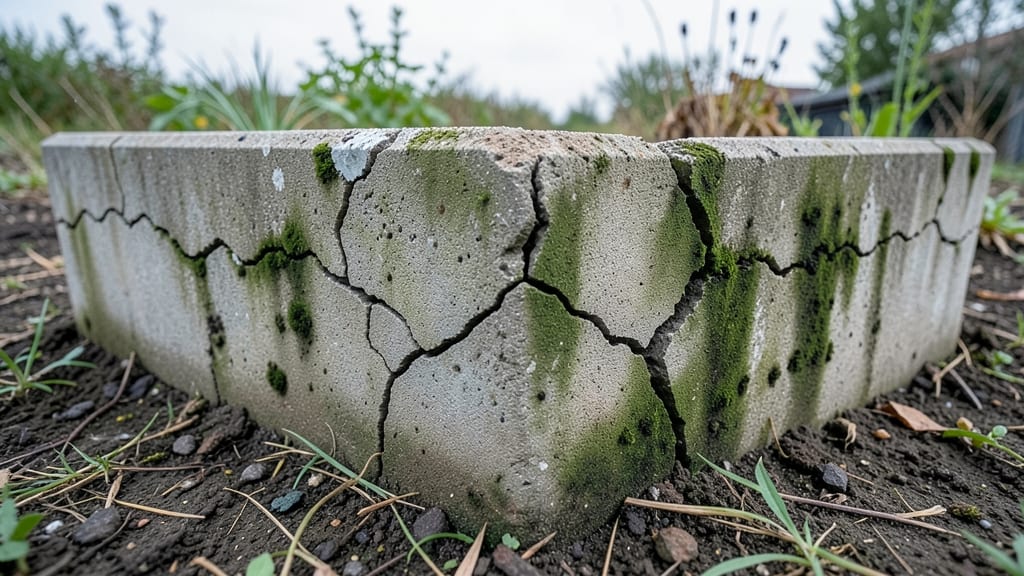
Fighting mold in your concrete raised beds? These 10 proven solutions will restore your garden’s health while preserving the durability of your growing space—without toxic chemicals or costly replacements.
Baking Soda and Water Spray Treatment
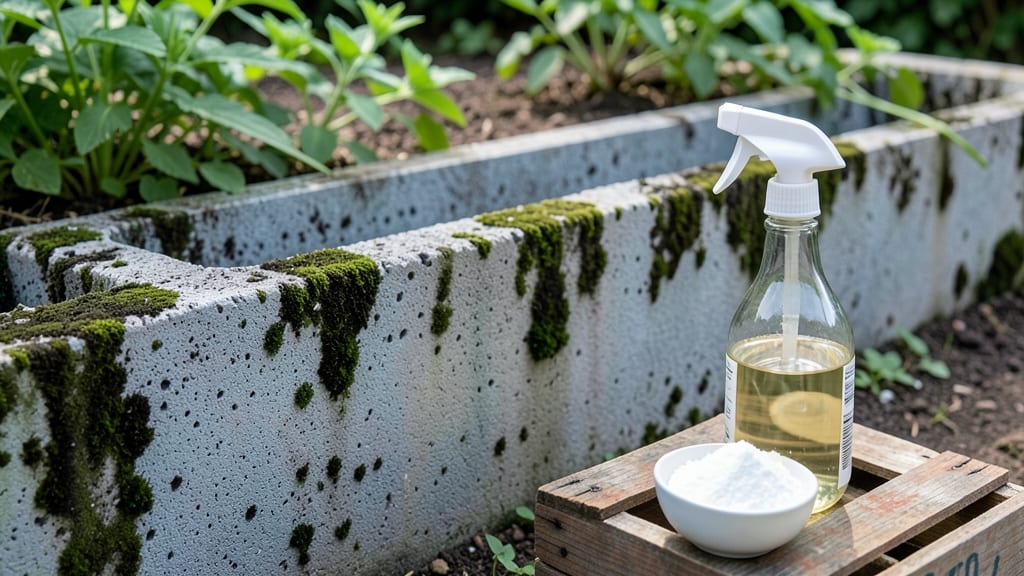
Tired of scrubbing away stubborn mold from your concrete raised beds? A simple baking soda and water spray is your secret weapon—it’s non-toxic, cost-effective, and works in minutes to disrupt mold spores while gently boosting soil pH.
Mix 1 tablespoon of baking soda with 1 gallon of water in a spray bottle, then apply directly to moldy areas. The alkaline properties create an environment where mold struggles to thrive, and the solution can also be used as a light soil amendment to prevent future growth. Reapply every 2-4 weeks or after heavy rain for best results.
This method is perfect for organic gardeners and beginners—no harsh chemicals, no fumes, and no risk to plants. Plus, it’s a pantry staple, so you’ll always have it on hand. 🌱
Vinegar and Hydrogen Peroxide Rinse
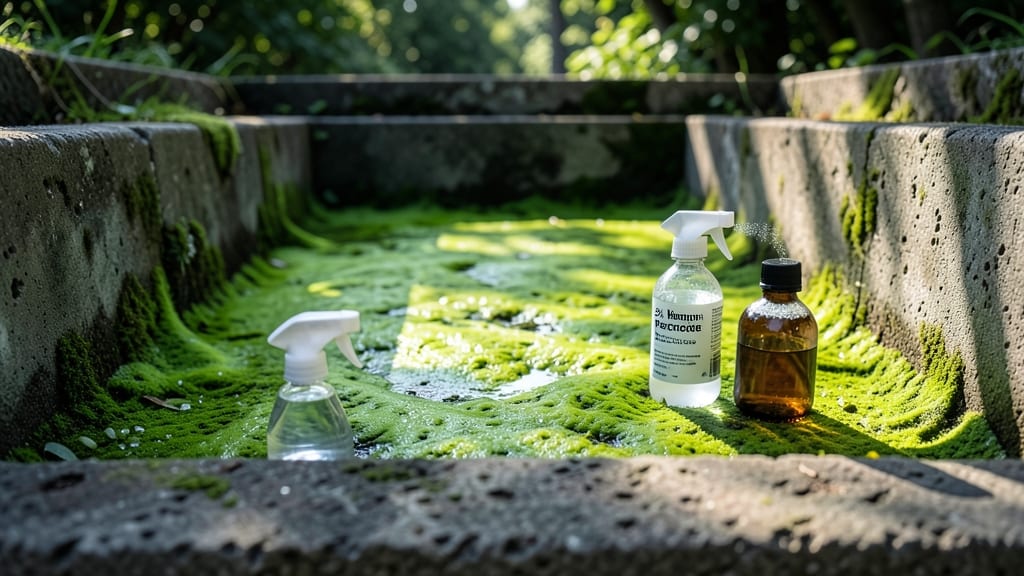
When your concrete raised bed looks like a green carpet of mold and baking soda just isn’t cutting it, this two-step rinse delivers a knockout punch. The combination of vinegar (to break down organic matter) and hydrogen peroxide (to kill spores on contact) works faster than single treatments, even on stubborn black mold.
Start by scrubbing the concrete with a stiff brush dipped in equal parts white vinegar and water—let it sit for 10 minutes to loosen mold. Then, spray with a 3% hydrogen peroxide solution (no dilution needed) and scrub again. Rinse thoroughly with water, as this combo leaves no chemical residue behind. For extra stubborn spots, repeat after 48 hours. This method is especially effective for beds with poor drainage or frequent moisture exposure.
Gardeners with heavily infested beds or those who prefer chemical-free deep cleaning will find this the most reliable solution. Just avoid using it on plants—always rinse the soil thoroughly before replanting. ✨
Food-Grade Diatomaceous Earth Application
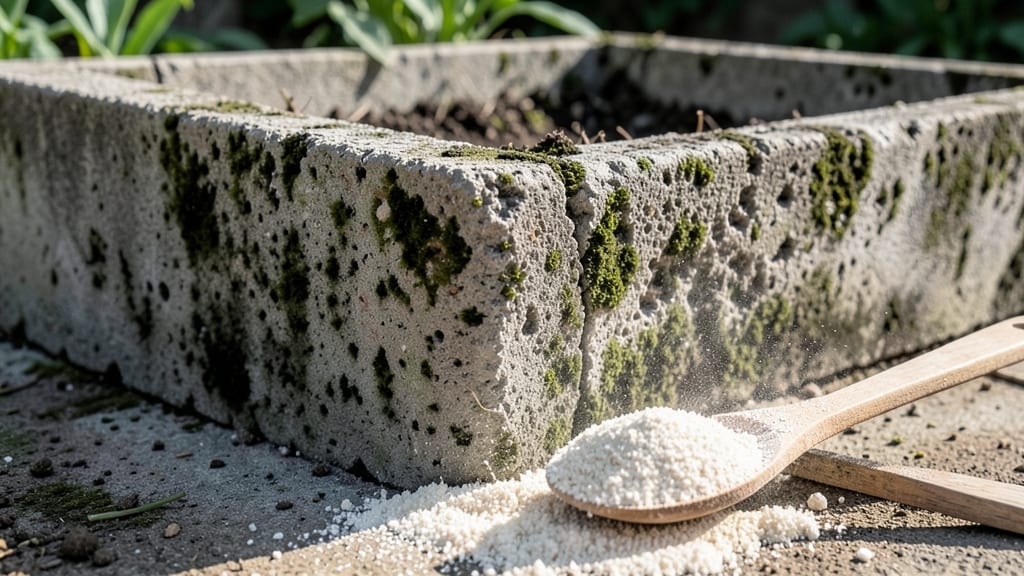
Struggling with stubborn mold in your concrete raised beds that won’t respond to sprays? Food-grade diatomaceous earth (DE) is your secret weapon—it doesn’t just mask mold, it starves it by dehydrating spores on contact. Unlike chemical treatments, DE is safe for edible plants and works best in dry climates or sandy soils where moisture retention is already low.
Apply a thin layer of food-grade DE along the edges of your concrete bed and lightly dust the soil surface after watering. The microscopic particles create a dry barrier that disrupts mold growth for up to 3 months without harming plants. Reapply after rain or heavy irrigation. For extra protection, mix 1 cup of DE into the top 2 inches of soil before planting.
This solution is perfect for gardeners in arid regions or those with sandy soils where mold thrives due to poor moisture control. It’s also a great option if you’re avoiding harsh chemicals but still need long-term prevention. 💡
Copper-Based Fungicide Spray
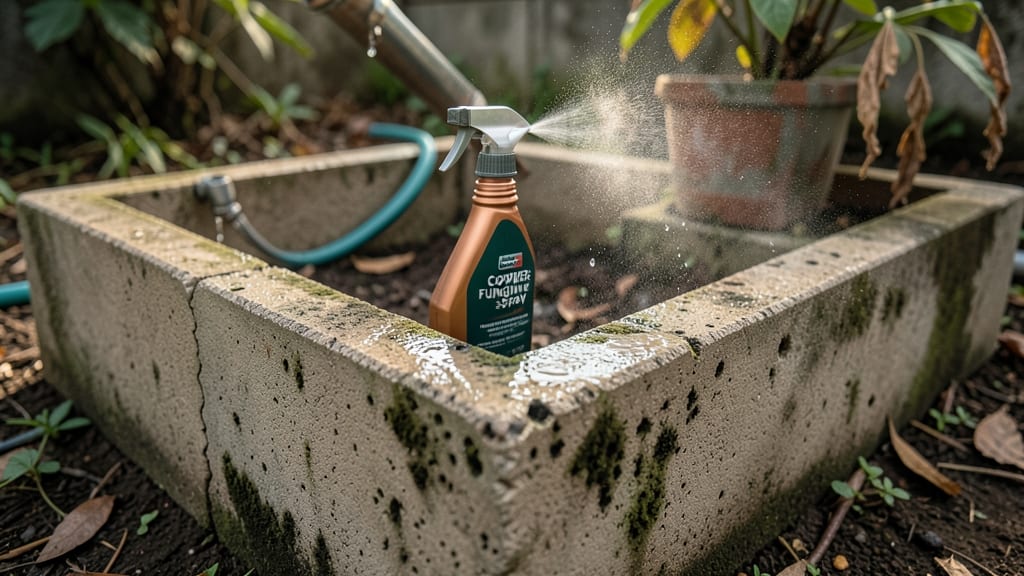
If your concrete raised beds are battling humidity-driven mold that won’t quit, a copper-based fungicide spray is your secret weapon. Unlike reactive treatments, this solution works proactively to prevent spores from taking hold, making it ideal for gardens in hot, damp climates where mold thrives.
Use it as a preventive spray every 4-6 weeks during peak humidity or after heavy rains. The active copper ions disrupt fungal growth without harming edible plants—perfect for herbs, leafy greens, or veggies. For best results, apply in the early morning when plants are dry, ensuring full coverage of soil and concrete surfaces. Always follow label instructions for dilution ratios.
This is the go-to choice for gardeners who want a low-maintenance, chemical-safe way to keep mold at bay year-round. 🌿
Sand and Lime Soil Amendment
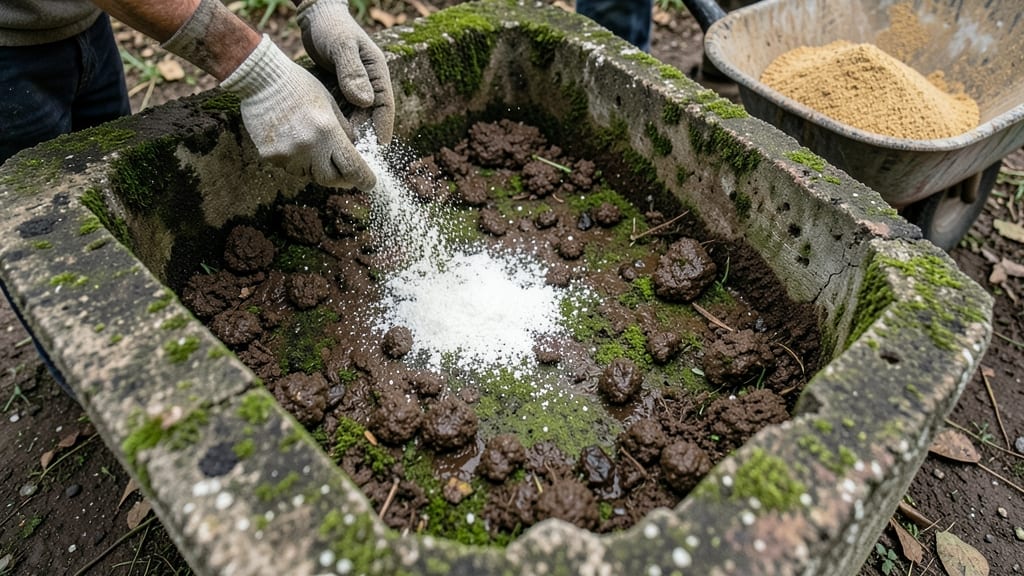
If your concrete raised bed feels like a damp, moldy sponge, it’s time to starve the spores at their source. Unlike quick-fix sprays, sand and lime tackle the root causes—poor drainage and high soil acidity—that mold thrives on. This dynamic duo lightens heavy clay soils while raising pH, creating an inhospitable environment for fungal growth.
Start by mixing coarse sand (like builder’s sand) into your existing soil to break up compaction—aim for 20-30% sand by volume. Then, sprinkle pelletized lime (not quicklime) at 1-2 pounds per 100 square feet, working it into the top 6-8 inches of soil. For clay-heavy soils, repeat this process every 2-3 years to maintain structure, while lime applications can be annual if your soil tests acidic (pH below 6.5).
This method is perfect for gardeners with clay soil or beds that stay soggy after rain. The dual action of improved airflow and balanced pH means fewer mold outbreaks and happier plants—no harsh chemicals needed. 🌱
Silica-Based Concrete Sealer Coating
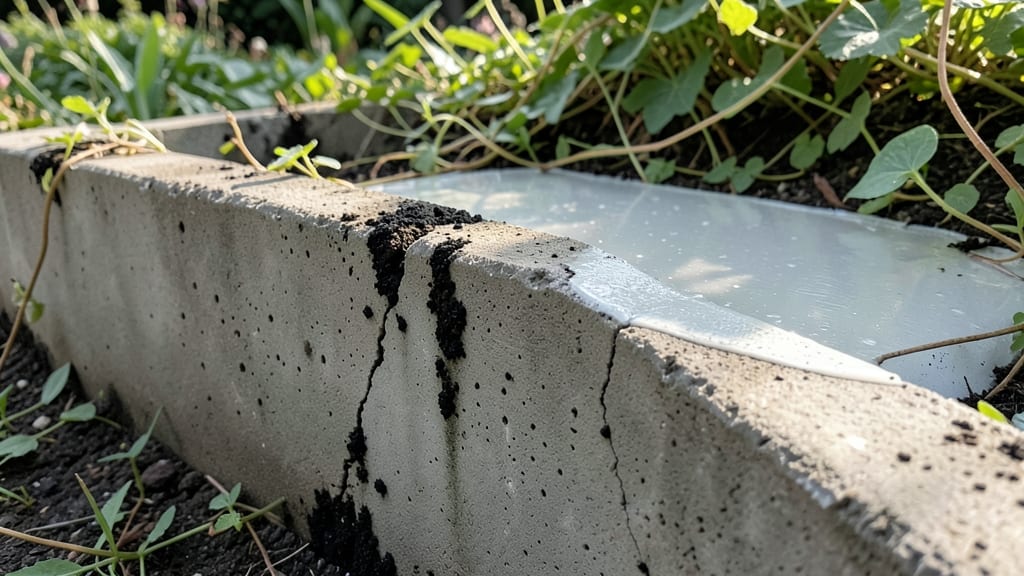
Struggling with mold-prone concrete beds that refuse to stay dry? A silica-based concrete sealer creates a water-repellent shield that keeps moisture out while letting soil breathe—perfect for new or weathered beds where mold thrives in cracks.
This penetrating sealer fills microscopic pores in concrete, blocking water absorption by up to 98% while maintaining permeability for roots. Apply it after cleaning the bed thoroughly, using a roller or brush for even coverage. Reapply every 2-3 years or when you notice water beading less effectively. Unlike plastic liners, it won’t suffocate roots or trap heat.
Ideal for gardeners in humid climates or those with cracked concrete, this solution prevents mold at the source without chemicals. Your plants will thank you with healthier growth! 💡
Neem Oil and Water Solution
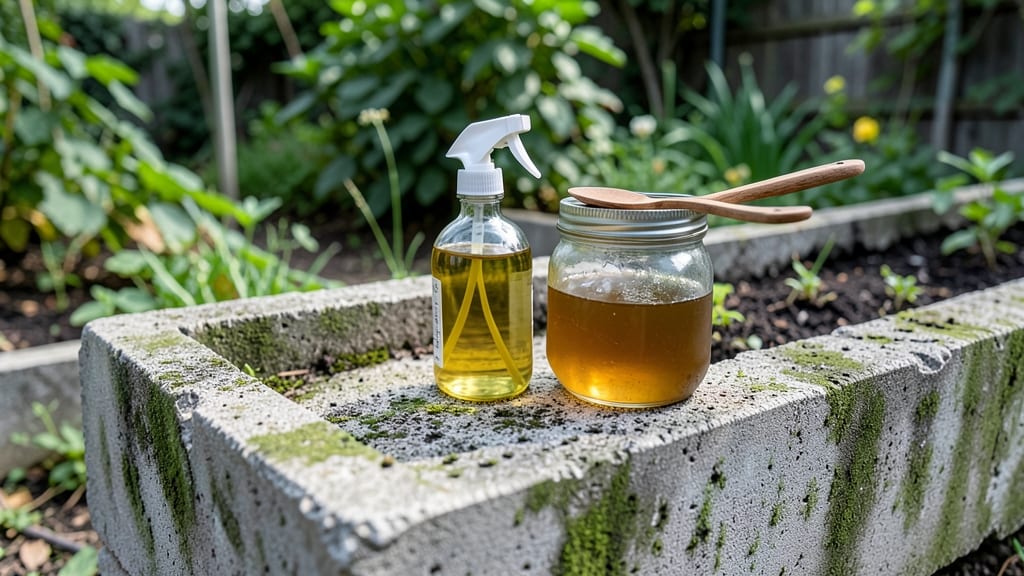
Tired of scrubbing away mold from your concrete raised beds only to see it return? A neem oil and water solution offers a natural, plant-safe way to smother mold spores at their source while preventing future outbreaks—no harsh chemicals required.
Mix 1 tablespoon of neem oil with 1 quart of water and a few drops of dish soap (as an emulsifier) in a spray bottle. Apply this solution directly to moldy areas, focusing on the concrete surface and soil edges. Reapply every 7-10 days during damp periods or after heavy rain to maintain protection. This method works wonders for container gardens and potted plants, too, making it versatile for any space.
Urban gardeners and organic growers will love this solution—it’s non-toxic, budget-friendly, and safe for edible plants, including herbs and vegetables. Plus, the pleasant citrusy scent deters pests while you’re at it! 🌿
Pressure Washing with Hot Water
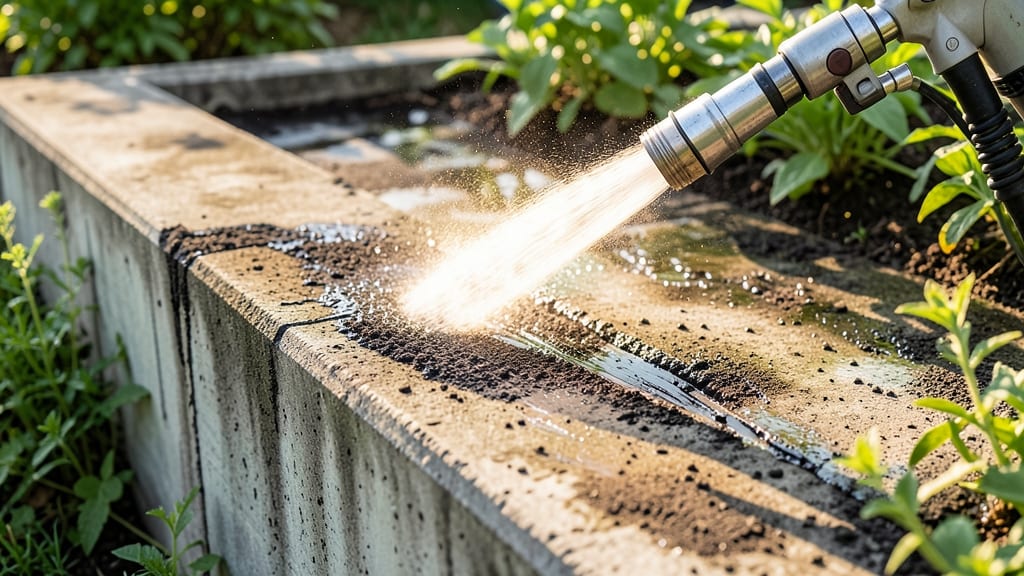
When chemical treatments feel too harsh or your concrete raised bed is massive, a pressure washer with hot water becomes your secret weapon. This mechanical method blasts away deep-seated mold without altering your soil chemistry or risking plant damage.
Set your pressure washer to a warm (120°F) water setting and use a wide-angle nozzle to avoid eroding the concrete. Work in sections, scrubbing stubborn mold spots with a stiff brush while rinsing continuously. For extra power, add a mild detergent (like dish soap) to break down oils that feed mold growth.
This method is perfect for large-scale gardens or when you want to avoid chemical residues in edible beds. Just remember to wear gloves and goggles—hot water and pressure can be intense! 💪
Reflective Mulch Layering Technique
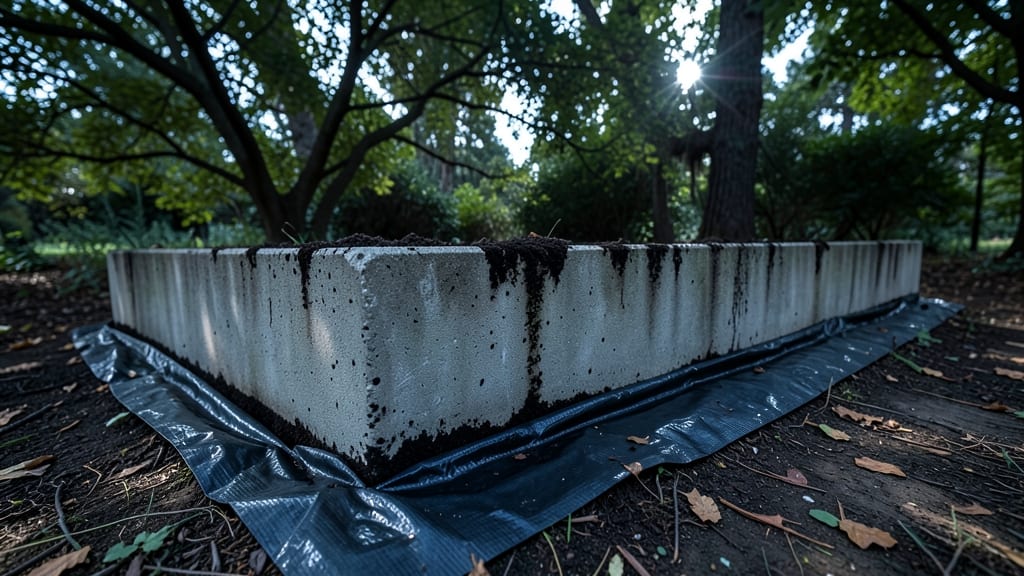
Struggling with mold in shaded concrete raised beds that never seem to dry out? A reflective mulch layering technique using black plastic or landscape fabric can be your game-changer—especially when sunlight is scarce or during winter storage.
This method works by blocking sunlight, which raises the temperature of the mulch and creates a drying effect beneath it. Lay down black plastic or landscape fabric directly over the bed (or soil surface) to prevent moisture buildup, then cover with a thin layer of soil or mulch. For winter storage, this technique prevents excess moisture from lingering, which is a primary cause of mold growth. It’s particularly effective in low-light areas where beds stay damp for longer periods.
This low-cost, chemical-free solution is ideal for gardeners dealing with shady spots or those prepping beds for off-season storage. It’s also a great option if you’re looking to avoid harsh treatments while keeping your concrete beds mold-free. 💚
Professional Concrete Resurfacing

When your concrete raised beds show deep cracks, persistent mold, and structural damage that no spray or scrub can fix, it’s time to consider professional resurfacing. This isn’t just a cosmetic upgrade—it’s a complete reset that eliminates mold-prone crevices while reinforcing the bed’s foundation for years to come.
A professional will grind down rough surfaces, fill cracks with waterproof concrete patch, and apply a smooth, mold-resistant finish that repels moisture. Unlike DIY fixes, this approach addresses the root cause: poor drainage and porous surfaces where mold thrives. The result is a seamless, long-lasting surface that protects your plants from future contamination while extending the bed’s lifespan by decades.
This solution is ideal for gardeners with high-value beds (like trellis-supported vines or heavy planters) or those who’ve exhausted all other options. While it requires an upfront investment, the preventative benefits—and peace of mind—make it worth it for serious growers. ✨