
Tools
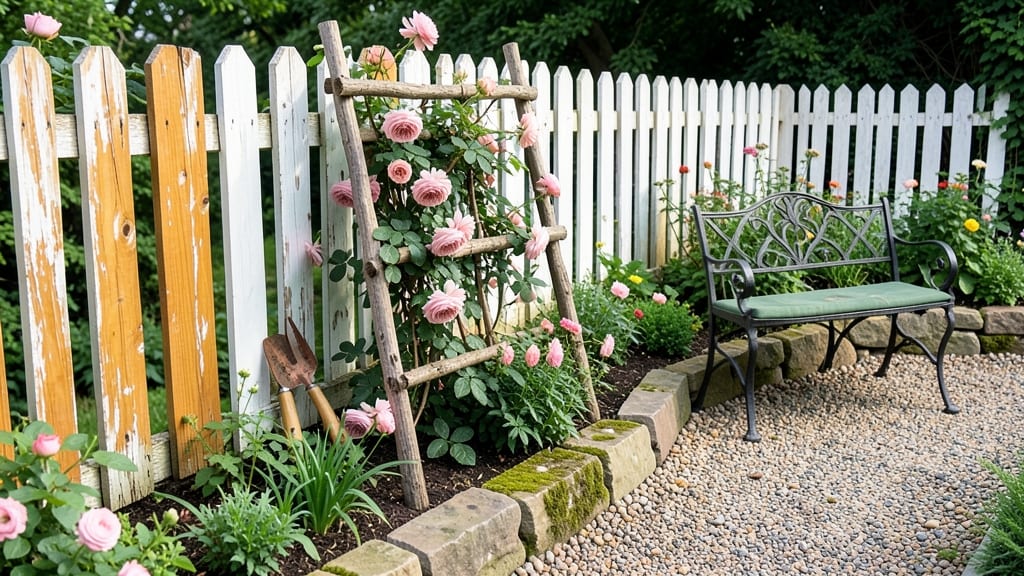
My cottage garden flower bed design starts with romantic layers that spill over like a storybook scene. 🌸 The secret isn’t just picking pretty flowers—it’s arranging them in waves: tall foxgloves at the back, roses in the middle, and trailing sweet alyssum at the edges.
I’ve designed three versions over the years, each with its own personality—one wild and untamed, one structured with gravel paths, and one that leans into cottagecore charm with vintage tools as decor.
You’ll need a mix of perennials for structure (like lavender and peonies) and annuals for bursts of color (think nasturtiums and marigolds). The key is seasonal variety—spring bulbs, summer roses, and fall asters—so there’s always something blooming.
I’ve found that even small spaces (like my 3x4-foot bed) can feel lush when you layer plants in odd numbers—three here, five there—rather than perfect rows.
What you end up with is a garden that feels alive, not static. The scent of roses mingling with the honeyed fragrance of lavender, the way morning light catches dew on petals—it’s the kind of beauty that makes neighbors pause and take photos.
Maintenance stays manageable when you group plants with similar water needs and mulch heavily to keep weeds at bay.
This design works for any yard size, from a postage-stamp city plot to a sprawling backyard. The only rule? Let it grow a little wild—cottage gardens aren’t about perfection, they’re about joy in the details. Ready to bring this charm to your space?
📚 In This Guide
- What you need
- Instructions
- Tips and common mistakes
- Wrapping up and next steps
What you need
- ● Soil: 2–3 cubic yards of high-quality garden soil or a mix of topsoil + compost (60/40 ratio). For poor soil, add 1 part peat moss or coconut coir to improve drainage.
- ● Mulch: 2–3 bags of organic mulch (e.g., shredded bark, straw, or pine needles) to retain moisture and suppress weeds.
- ● Plants: Perennials (for structure): 3–5 plants (e.g., peony, lavender, or coneflower—choose 2–3 per square foot).
- ● Annuals (for color bursts): 5–10 plants (e.g., pansies, sweet alyssum, or marigolds—space 6–12 inches apart).
- ● Foliage plants: 2–3 heuchera, hosta, or ornamental grasses for texture.
- ● Climbers/vines: 1–2 clematis, roses, or morning glories (if adding trellises or arches).
- ● Edging: Flexible landscape edging (e.g., metal, plastic, or stone) or bricks/flagstones to define the bed’s shape.
- ● Tools: Garden shovel and trowel (for digging).
- ● Wheelbarrow or garden cart (for hauling soil/mulch).
- ● Pruners or hand shears (for trimming).
- ● Rake (for leveling soil).
- ● Measuring tape and stakes (to mark plant spacing).
- ● Garden stakes or labels: Wooden or metal labels to track plant names (adds charm + functionality!).
- ● Decorative accents: Miniature garden ornaments (e.g., birdhouses, wind chimes, or vintage teacups).
- ● Drip irrigation or soaker hoses: For hassle-free watering (especially in hot climates).
- ● Slow-release fertilizer: 5–10 lbs of organic granular fertilizer (e.g., 10-10-10 or compost tea) to boost growth.
- ● Seasonal color boosters: Potted geraniums or petunias for instant pops of color in gaps.
Step-by-Step instructions for designing a cottage garden flower bed
Here's how to create a romantic, layered flower bed that bursts with color and charm throughout the seasons.
🌱 Step 1: Define Your Cottage Garden's Core Structure
Start by sketching your flower bed's shape. Cottage gardens thrive with organic, irregular edges—think soft curves and gentle undulations rather than crisp lines. I like to use a garden hose to outline the shape on the ground before digging, as it helps visualize the space without permanent changes. Aim for a 4-foot wide central path if your design includes walkways, as this allows easy access for maintenance and viewing.
Next, divide your bed into three distinct layers: the backdrop, the mid-height plants, and the foreground. The backdrop should consist of tall perennials (4-6 feet) like delphiniums or hollyhocks, while the mid-height layer (2-3 feet) could include roses or peonies. The foreground will feature shorter plants like lavender, salvia, or daylilies. This layering creates depth and draws the eye naturally through the garden.
🌿 Step 2: Select Plants for Season-Long Interest
Cottage gardens shine when they offer blooms from early spring through late fall. I always include a mix of bulbs (tulips, daffodils) for spring color, perennials (coneflowers, black-eyed Susans) for summer, and fall-blooming asters or chrysanthemums for autumn interest. Add evergreens like boxwood or heather for winter structure and texture.
For a whimsical touch, incorporate climbing plants like clematis or roses to train along trellises or fences. These vertical elements add height and draw the eye upward, creating a sense of grandeur. I also scatter self-seeding annuals (like poppies or cosmos) throughout the bed—they’ll reseed themselves year after year, adding spontaneity and naturalizing over time.
☀️ Step 3: Prepare the Soil for Healthy Growth
Cottage gardens flourish in well-draining, nutrient-rich soil. Before planting, loosen the soil to a depth of 12 inches using a garden fork or tiller. Amend the soil with 2-3 inches of compost and a balanced organic fertilizer (10-10-10) to provide essential nutrients. If your soil is heavy clay, mix in sand or perlite to improve drainage—cottage plants hate soggy roots.
I like to create small mounds or ridges in the soil for taller plants, which helps with drainage and gives them a naturalistic look. For smaller plants, press the soil gently around the roots to secure them without compacting it too tightly. Water deeply after planting to settle the soil and encourage root growth.
🪴 Step 4: Plant with a Natural, Crowded Feel
Unlike formal gardens, cottage gardens thrive on a lush, slightly crowded appearance. Plant perennials 12-18 inches apart and annuals 6-12 inches apart to allow them to fill in over time. Group plants with similar water and light needs together for easier maintenance—this mimics how flowers grow naturally in meadows.
Add mulch (2-3 inches of straw or shredded bark) to retain moisture, suppress weeds, and regulate soil temperature. I always leave a 2-inch gap between the mulch and plant stems to prevent rot. For a cottage-garden touch, scatter wildflower seeds or native plants along the edges—they’ll self-seed and add to the garden’s natural charm over time.
⏰ Step 5: Maintain with Seasonal Care
Cottage gardens require minimal upkeep but benefit from seasonal deadheading, pruning, and light dividing every few years. Remove spent blooms regularly to encourage more flowers and prevent self-seeding where you don’t want it. In late winter or early spring, trim back perennial stems to 2-3 inches above the ground—this promotes new growth and keeps the garden tidy.
Fertilize lightly in early spring and mid-summer with a low-nitrogen, high-phosphorus formula to support blooming. Water deeply once a week (or more in drought conditions), focusing on the base of plants rather than overhead. This method encourages strong root systems and reduces disease risk.
Tips & tricks for perfect cottage garden flower bed design
Transforming your outdoor space into a charming cottage garden takes more than just planting flowers—it's about creating harmony through thoughtful layering and seasonal planning. These insights will help you avoid common pitfalls and create a garden that thrives year-round.
Layering for Depth: When creating your three-layer structure in Step 1, consider adding a fourth "air layer" with climbing plants like clematis or roses. Train these along trellises or fences to draw the eye upward and create that signature cottage garden romance. I've found that positioning taller plants slightly off-center in the backdrop layer creates a more natural, organic look that feels less formal. This subtle shift mimics how wildflowers grow in meadows rather than following rigid garden designs.
Seasonal Plant Pairing: In Step 2, when selecting your seasonal plants, I recommend pairing spring bulbs with late-season bloomers like chrysanthemums that extend your garden's life into autumn. For example, plant daffodils with asters—the daffodils provide early color while the asters take over as summer fades. This creates continuous interest without gaps. Also, consider adding evergreen shrubs like boxwood to provide structure during winter months when other plants have gone dormant.
Soil Preparation Insight: The 12-inch soil depth mentioned in Step 3 is crucial, but don't stop there. I've discovered that adding a layer of coarse sand or perlite to the bottom of your planting holes for taller plants creates better drainage from the start. This prevents waterlogging at the roots, which is especially important for plants like delphiniums that hate soggy conditions. For smaller plants, a light sprinkle of mycorrhizal fungi with the compost can boost root development by up to 30%—it's like giving your plants a natural growth boost.
Pro Tips for Cottage Garden Flower Bed Design
- Transforming your outdoor space into a charming cottage garden takes more than just planting flowers—it's about creating harmony through thoughtful layering and seasonal planning.
- Layering for Depth: When creating your three-layer structure in Step 1, consider adding a fourth "air layer" with climbing plants like clematis or roses.
- Seasonal Plant Pairing: In Step 2, when selecting your seasonal plants, I recommend pairing spring bulbs with late-season bloomers like chrysanthemums that extend your garden's life into autumn.
Frequently asked questions
Got questions about crafting your dream cottage garden flower bed? You're not alone! Here are answers to the most common queries—from timing to troubleshooting—so you can dive in with confidence.
What’s the best time of year to plant a cottage garden flower bed?
For perennial blooms, plant in early spring (March–April) or early fall (September–October) when the soil is workable but not frozen. Annuals can go in after the last frost (typically late spring). This gives roots time to establish before extreme heat or cold hits!
How often should I water a cottage garden flower bed?
Water deeply 1–2 times per week (more in extreme heat or drought). Aim for 1–1.5 inches of water per session, focusing on the base of plants. Mulch (2–3 inches) retains moisture and reduces weeds—just reapply annually. Early morning watering prevents fungal issues.
Can I mix perennials and annuals in a cottage garden bed?
Perennials (like peony or lavender) provide structure and return yearly, while annuals (e.g., pansies or marigolds) add seasonal color. Pro tip: Place perennials toward the back/center and annuals in front for a layered, ever-changing look. Just ensure annuals won’t outcompete perennials for sunlight.
How do I keep pests away from my cottage garden naturally?
Prevent pests with diverse planting (mix flowers, herbs, and veggies to confuse bugs). Use neem oil or soapy water sprays for aphids, and row covers for cabbage moths. Ladybugs and lacewings are your allies—invite them with dill, fennel, or marigolds!
What if my cottage garden looks messy or unstructured?
Messy is part of the charm! Embrace "controlled chaos" by:
- Deadheading spent blooms to encourage regrowth.
- Thinning overcrowded plants in spring.
- Adding height with tall grasses or trellised climbers (e.g., clematis) to create visual layers.
What are low-maintenance cottage garden alternatives for busy gardeners?
Opt for drought-tolerant perennials like Russian sage or sedum, or self-seeding annuals (e.g., lupine or California poppies). Ground covers (e.g., creeping thyme or ajuga) suppress weeds. Group plants by water needs to simplify care—just 10–15 minutes weekly keeps it thriving!
Wrapping up and next steps
Creating a cottage garden flower bed design is all about embracing nature’s charm—layered blooms, rustic textures, and seasonal magic.
Whether you’re a seasoned gardener or just starting, this whimsical style rewards patience with endless color and life. 🌸 Start small, experiment fearlessly, and let your garden tell its own story!
Ready to bring your vision to life? Sketch your design, gather your plants, and dig in! Every season is a new chapter—happy gardening! 🌿