
Pests
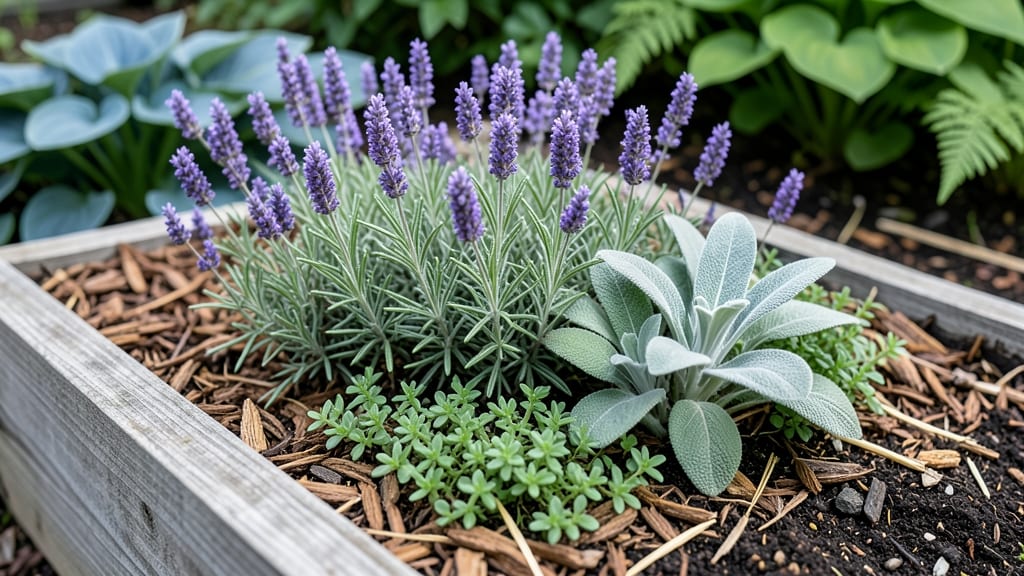
My deer-proof raised bed plans saved my hostas—and my sanity—after those creatures turned my garden into a salad bar. 🌱 The secret isn’t just height but smart material choices that keep deer out without breaking the bank.
I’ll show you how to build one that’s both predator-defying and simple to assemble, using supplies you can find at any hardware store.
Start with 2-foot-high walls—deer can’t reach over that—and line the bottom with hardware cloth (not chicken wire) to block burrowing. Cedar lumber resists rot, and a sloped top makes it harder for them to jump.
The best part? You can build this in a weekend with basic tools, and it’ll last for years with minimal upkeep. No more waking up to find your veggies trampled!
Once built, fill it with deer-resistant plants like lavender, marigolds, or peppers—deer hate their scent. A 3-foot-tall fence extension around the bed adds extra protection, and a few motion-activated lights deter nighttime visitors.
Your plants will thrive while deer move on to easier targets. Here’s how to make it happen without the headaches.
Whether you’re working with a small balcony or a full backyard, these plans adapt easily. I’ll cover budget-friendly shortcuts, space-saving designs, and how to keep the bed looking neat year-round. Let’s get those plants growing safely!
📚 In This Guide
- What you need
- Instructions
- Tips and common mistakes
- Wrapping up and next steps
What you need
- ● Lumber: 2x8 or 2x10 boards (cedar or redwood recommended for durability) – 4 pieces, 8 feet long
- ● Corner brackets or screws: Heavy-duty galvanized screws (2.5”–3”) or metal corner brackets – 8–12 pieces
- ● Hardware cloth: 1/4” or 1/2” mesh – enough to cover the interior base (cut to fit bed dimensions + 6” overlap)
- ○ Landscape fabric or burlap: For extra protection (optional but highly recommended)
- ● Staple gun or zip ties: To secure hardware cloth and fabric
- ● Wood screws: Deck screws (2.5”–3”) – 50–100 pieces
- ● Drill & drill bits: For pre-drilling holes (1/8” bit for screws)
- ● Measuring tape, pencil, and square: For precise cuts and angles
- ● Level: To ensure your bed stays perfectly even
- ● Galvanized nails or staples for extra reinforcement
- ● Wood preservative or sealant (if using untreated wood)
- ● Chicken wire or additional hardware cloth for sides (for extra-tough critters!)
- ● Garden stones or pavers for bedding down the base (prevents sinking)
Step-by-step instructions for building a deer-proof raised bed
Here's how to create a predator-resistant raised bed that deters deer while keeping assembly simple and sturdy.
🪴 Step 1: Select and Prepare Materials for Height and Durability
Choose 6-foot tall untreated cedar or redwood lumber for the frame—deer can't browse what's out of reach. I recommend 6x6 posts for corners and 2x6 boards for sides, cut to your bed dimensions (typically 4x8 feet). Pre-drill holes at each connection point to prevent wood splitting during assembly.
Line the bottom of the bed with landscape fabric to block weeds and burrowing pests while allowing drainage. This also prevents soil from spilling into the surrounding area, which can attract deer. I like to staple the fabric to the inside of the frame before adding soil—it's one less step later.
☀️ Step 2: Assemble the Frame with Predator-Deterrent Height
Construct the frame by attaching the corner posts first, then securing the side boards with 3-inch exterior wood screws. The key here is height—6 feet is the minimum to deter deer, but 7-8 feet works even better in areas with determined browsers. Double-check that all corners are square by measuring diagonally from one corner to the opposite.
Add horizontal supports at 2-foot intervals to reinforce stability, especially if your bed will hold heavy plants like tomatoes or squash. I reinforce the top edge with a 2x4 cap rail to protect the soil from erosion during watering. This also gives you a clean edge for planting.
🌱 Step 3: Fill with Soil and Add Deer-Repellent Planting Strategies
Fill the bed with a mix of 1/3 compost, 1/3 topsoil, and 1/3 coarse sand or perlite for drainage. I top it with 2-3 inches of mulch (cedar or pine) to deter deer from jumping in. The mulch also helps retain moisture and suppress weeds—two birds with one stone.
Plant deer-resistant varieties like lavender, rosemary, marigolds, or peppers along the perimeter. These plants release scents that deer dislike, creating a natural barrier. Avoid planting anything with a strong fragrance or soft stems near the edges, as these are more likely to attract curious deer.
✂️ Step 4: Add Physical Deterrents for Extra Protection
Install chicken wire or hardware cloth around the outside of the bed, secured with landscape staples. This creates a physical barrier that deer won't attempt to jump or push through. I bury the bottom 6 inches into the ground to prevent digging predators from accessing the soil.
For added security, I wrap the top edge of the bed with plastic bird netting or deer fencing, leaving it loose enough to allow rainwater to drain but tight enough to deter climbing. This is especially useful if you're growing plants deer find irresistible, like hostas or lettuce.
🌿 Step 5: Maintain the Bed to Keep Deer Away Long-Term
Check the frame annually for loose screws or wobbly corners, especially after heavy rains or snow. Tighten anything that feels unstable—deer are less likely to test a bed that looks solid. Refresh the mulch layer every spring to maintain its deterrent properties and suppress weeds.
Rotate your planting plan seasonally to keep deer guessing. If they realize a particular bed always yields tasty treats, they'll target it relentlessly. I also move potted plants around occasionally to disrupt their browsing patterns. A little unpredictability goes a long way in keeping deer at bay.
Tips & tricks for building a sturdy deer-proof raised bed
Here's what I've learned from years of testing these designs—simple adjustments that make all the difference in keeping your garden safe.
Material Selection: Cedar and redwood resist rot and insects naturally, but if you're on a budget, pressure-treated lumber works too—just avoid anything with chemical smells that might deter plants. For the 6-foot height requirement, don't skimp on thickness. I've seen 2x6 boards sag over time when using cheaper lumber, so opt for at least 2x8 if you're planting heavy crops like pumpkins or winter squash. The extra width prevents warping from moisture.
Frame Stability: When assembling the frame in Step 2, I can't stress enough how critical those 2-foot horizontal supports are. I've seen beds collapse under the weight of tomatoes or melons when these supports are omitted. Use a level to ensure the frame stays plumb before securing the cap rail. For extra peace of mind, add a diagonal brace from one corner post to the opposite side board—this creates a triangle, which is the strongest geometric shape in construction.
Soil Mix Strategy: The 1/3 compost, 1/3 topsoil, 1/3 sand/perlite ratio might seem like a lot of sand, but trust me—it's worth it. This mix prevents compaction and improves drainage, which is especially important if you're growing root vegetables. I like to add a handful of worm castings to the mix too (optional but game-changing for plant health). The 2-3 inches of mulch on top isn't just for deer deterrence—it also helps regulate soil temperature and reduces watering needs by up to 30%.
Physical Barrier Tips: For Step 4, burying the 6 inches of chicken wire is non-negotiable—raccoons and other digging pests will find a way in if you don't. I've had success with hardware cloth instead of chicken wire because it's more durable and won't rust as quickly. When wrapping the top edge with netting, leave about 6 inches of slack at the corners—this allows the fabric to settle without pulling tight, which can create weak points where deer might tear through.
Pro Tips for Deer Proof Raised Bed Plans
- Here's what I've learned from years of testing these designs—simple adjustments that make all the difference in keeping your garden safe.
- Material Selection: Cedar and redwood resist rot and insects naturally, but if you're on a budget, pressure-treated lumber works too—just avoid anything with chemical smells that might deter plants.
- Frame Stability: When assembling the frame in Step 2, I can't stress enough how critical those 2-foot horizontal supports are.
Frequently asked questions
Got questions about building deer-proof raised beds? You’re not alone—here are the answers to the most common concerns to help you garden with confidence!
How tall should my deer-proof raised bed be to keep deer out?
Aim for at least 3 feet tall—this height makes it nearly impossible for deer to jump in and browse your plants. If you’re in a high-risk area, consider 4 feet for extra security. The key is blocking their line of sight to your greens!
Can I use chicken wire or hardware cloth for deer-proofing?
Yes! Hardware cloth (1/4-inch mesh) is the gold standard—deer can’t chew through it, and it won’t rust like wire. Attach it to the outside of the bed’s walls, burying the bottom 6 inches to deter digging. Skip chicken wire; deer will shred it!
When is the best time to build a deer-proof raised bed?
Build in early spring or late fall when deer are less active. If you’re starting mid-season, prioritize fast-growing plants (like herbs or lettuce) inside the bed while you finish assembly. Deer-proofing retrofits work, but timing gives your garden a head start!
Are there cheaper alternatives to wood for the frame?
Try cinder blocks or bricks (stacked with hardware cloth wrapped around them) or galvanized metal troughs (like those for livestock). Just ensure the material is durable—deer won’t hesitate to test weak spots!
What if deer still get into my raised bed? How do I troubleshoot?
Check for gaps or weak points in the hardware cloth or frame. Reinforce with additional mesh or a deer-repellent spray (like hot pepper wax). For persistent pests, add a motion-activated sprinkler on a timer—deer hate surprises!
Wrapping up and next steps
Building a deer-proof raised bed is a game-changer for gardeners tired of losing their hard work to hungry critters! With just a few materials and smart design choices, you’ve got a sturdy, predator-defying space to grow your favorite veggies and flowers. 🌱🛡️
Now that you’re armed with the plans, tips, and answers to common questions, it’s time to roll up your sleeves and get building!
Start by gathering your supplies, then follow the step-by-step guide to create a raised bed that even the most determined deer will struggle to breach. Happy gardening—and may your harvest thrive!
Next step: Sketch your design, measure your space, and download the free template to make assembly a breeze!