
Tools
Transforming small spaces or repurposing materials into functional garden beds doesn’t have to be expensive. These 10 budget-friendly DIY raised garden bed ideas maximize growing potential while fitting any yard, patio, or even balcony—no heavy lifting or costly supplies required.
Wooden Pallet Vertical Garden Bed
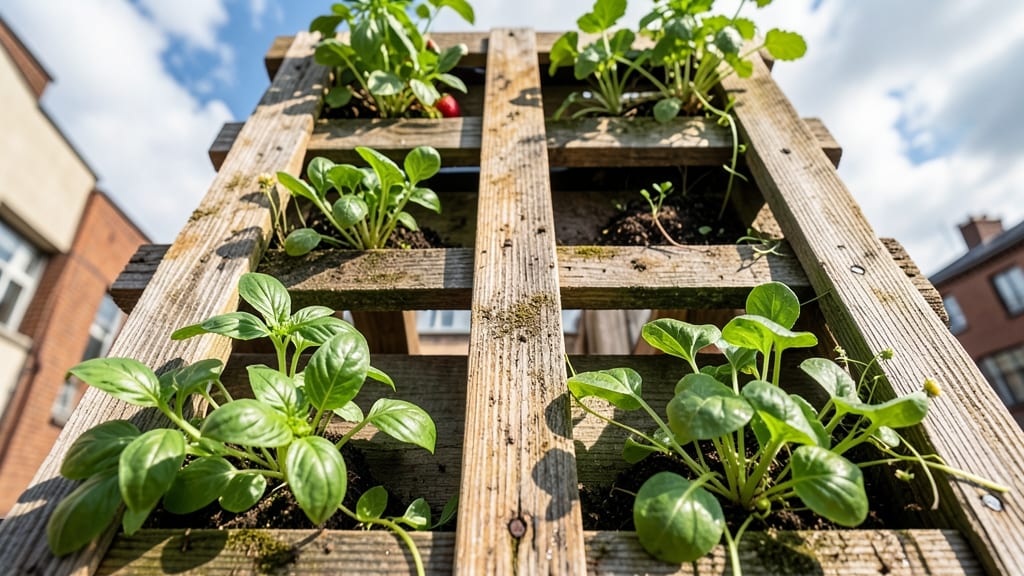
Turn your urban balcony or tiny backyard into a thriving garden with a wooden pallet vertical garden bed—no fancy tools or expensive materials required. Pallets are often free or low-cost, and their sturdy structure creates the perfect vertical space for herbs, lettuce, and even strawberries without taking up precious ground space.
Start by sanding and treating pallets (if needed) to remove splinters, then stack them vertically against a wall or fence. Fill each pallet with well-draining soil and plant shallow-rooted crops like basil, spinach, or cherry tomatoes. For extra stability, secure the pallets to the wall with screws or brackets. This design is ideal for renters or gardeners with limited space, as it maximizes growing area while keeping maintenance simple.
Whether you're a beginner or an urban gardener, this project is a game-changer for small spaces. Plus, the rustic charm of repurposed pallets adds a unique touch to any garden. 🌱
Cinder Block Planter Boxes
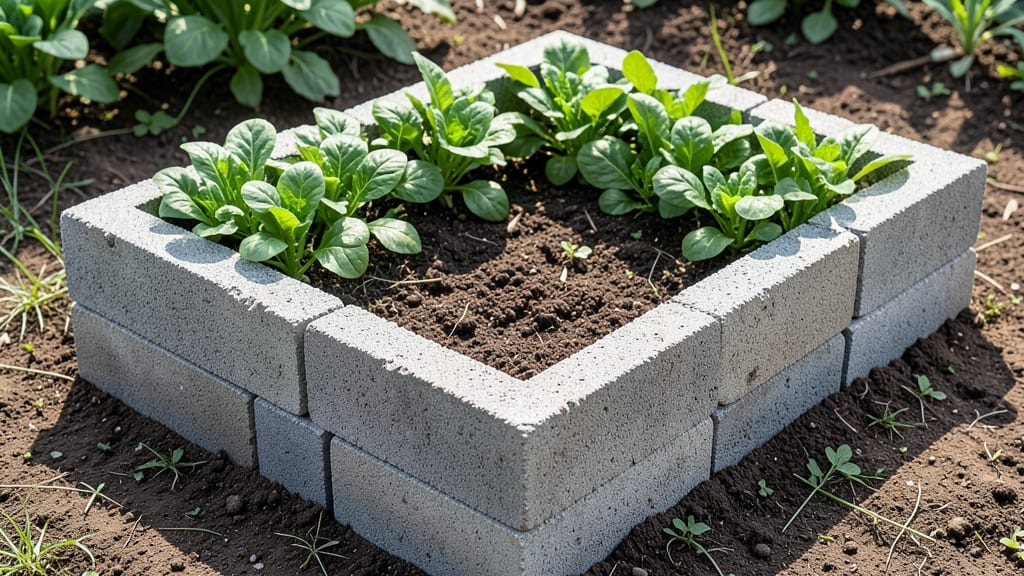
Skip the lumber yard and grab cinder blocks instead—these sturdy, affordable bricks let you build rectangular planter boxes that are both functional and stylish. A single block costs just a few dollars, and you can create beds of any size by stacking them in rows or L-shapes, perfect for vegetables like tomatoes or flowers like marigolds.
Line the bottom with landscape fabric to prevent weeds, then fill with a mix of topsoil and compost for nutrient-rich growing conditions. The blocks’ weight keeps them stable in windy areas, and you can easily disassemble them if you need to relocate your garden. For extra drainage, add a layer of gravel at the base before filling with soil.
This design is ideal for urban gardeners with limited space or anyone who wants a low-maintenance, long-lasting bed. Plus, the clean lines add a modern touch to any yard. 🌻
Tire Garden Planters
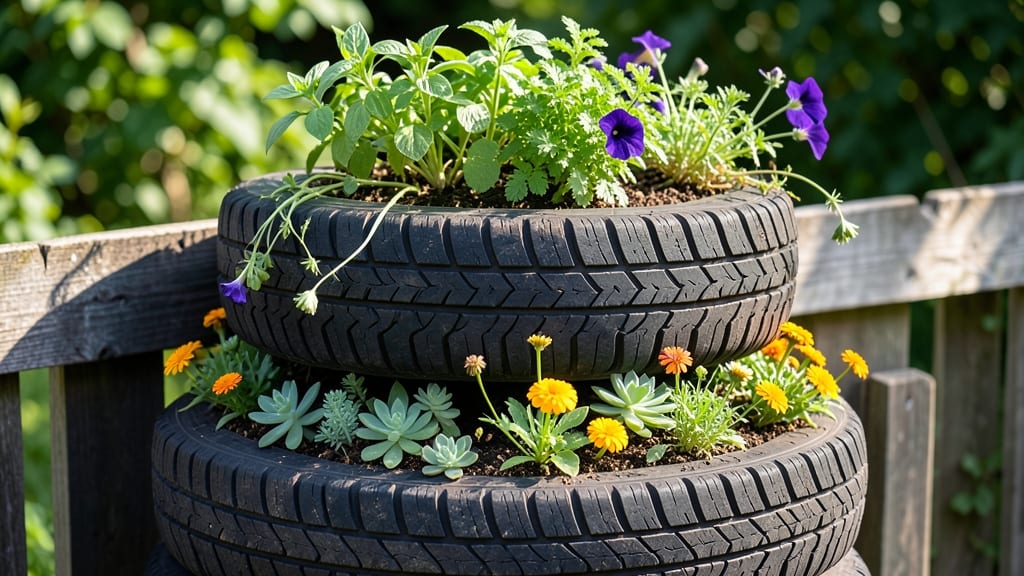
Turn trash into treasure with tire garden planters—a creative, zero-cost way to grow more in less space. These sturdy, stacked tires create tiered beds that elevate plants off the ground, reducing pests and improving drainage while adding a playful, industrial-chic vibe to your garden.
Start by cleaning and cutting old tires to create planters (leave the treads intact for grip). Stack them vertically or horizontally, filling each with well-draining soil and your choice of drought-tolerant plants like petunias, basil, or even small tomatoes. The tiered design is especially great for kids’ gardens, as it keeps plants visible and accessible while teaching them about vertical gardening.
This eco-friendly solution is perfect for urban gardeners or anyone with limited soil. Plus, the tires last for years, making it a low-maintenance option that grows with your green thumb. 🌱
Straw Bale Garden Beds
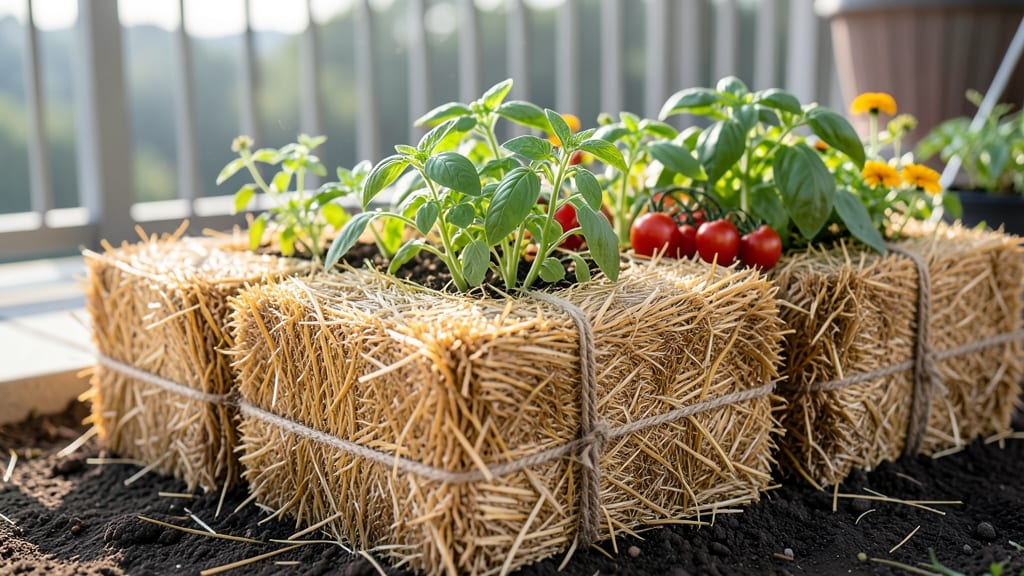
Skip the backbreaking work of digging—straw bale garden beds let you grow without turning over a single shovelful of soil. These portable planters are perfect for renters, urban gardeners, or anyone who wants a temporary growing space that can be moved or composted when the season ends.
Start by soaking your bales for a few days to kickstart decomposition, then top with 2-3 inches of compost or potting soil. Plant directly into the bale (lettuce, radishes, and spinach thrive here) or use it as a temporary nursery for seedlings. The bales provide excellent drainage while retaining moisture, and their natural structure prevents weeds from invading. You’ll have a ready-to-plant garden in just a few weeks.
This method is ideal for small spaces or beginners**—no tools, no permanent installation, and no mess. Just grab a bale, some seeds, and you’re ready to grow. 🌱
Galvanized Trough Garden
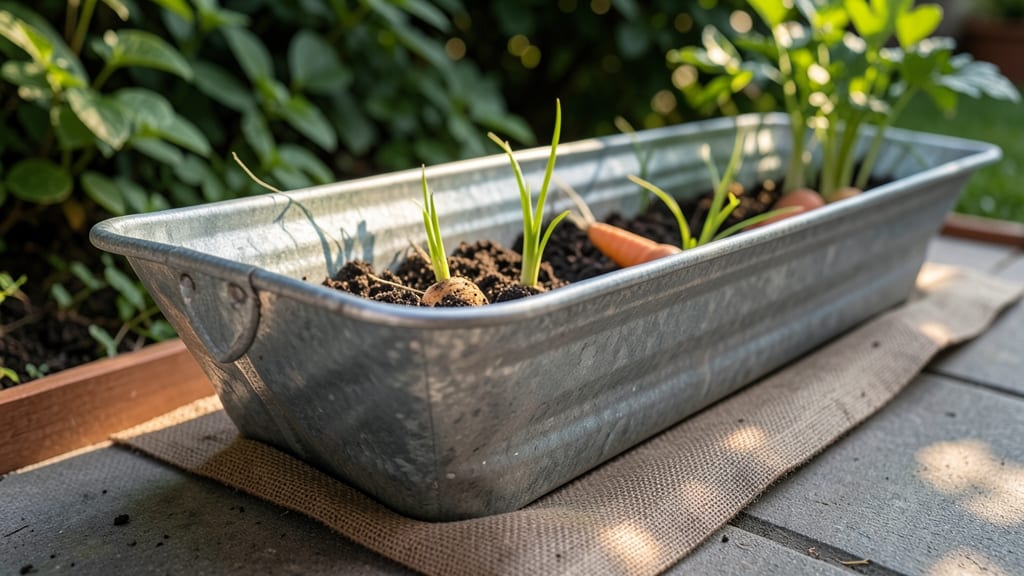
Turn old galvanized troughs or livestock feed buckets into a stylish, space-saving garden bed that’s perfect for root vegetables like carrots or parsnips. These long, narrow containers add a rustic, industrial charm while maximizing growing space in tight spots.
Line the bottom with landscape fabric to prevent soil loss, then fill with a mix of loamy soil and compost for optimal drainage. Place the troughs on bricks or cinder blocks to elevate them slightly, ensuring roots stay cool and water drains efficiently. Herbs like chives or parsley thrive here too, benefiting from the trough’s narrow, linear shape.
This design is ideal for urban gardeners with limited space or those who love repurposing materials. Plus, the reflective metal surface helps deter pests naturally. 🌱
Plastic Milk Jug Tower Garden
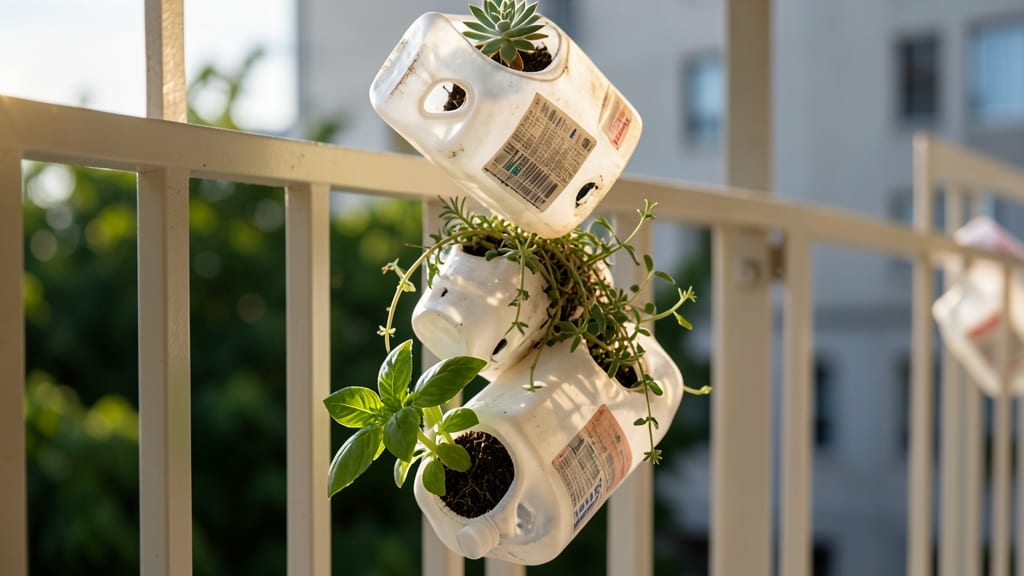
Turn everyday plastic milk jugs into a zero-cost vertical garden that brings fresh herbs and succulents to even the tiniest balconies or windowsills. This clever repurposing project requires just a pair of scissors, a drill (or sharp knife), and your local recycling bin—no construction skills needed!
Start by cutting the jugs horizontally to create individual pots, then stack them vertically with spacer rings (like bottle caps or foam) to ensure proper drainage between layers. Fill each with well-draining soil and plant herbs like basil or mint, succulents like sedum, or fast-growing microgreens—all thriving in the jugs' built-in sunlight exposure. The tower's design maximizes space while keeping maintenance simple: just water from the top and harvest as needed.
This project is perfect for urban gardeners, beginners, or anyone with limited space—it’s lightweight, portable, and can be disassembled if you move. Plus, you’ll reduce waste while growing fresh produce year-round. 🌱
Stone or Brick Border Raised Bed
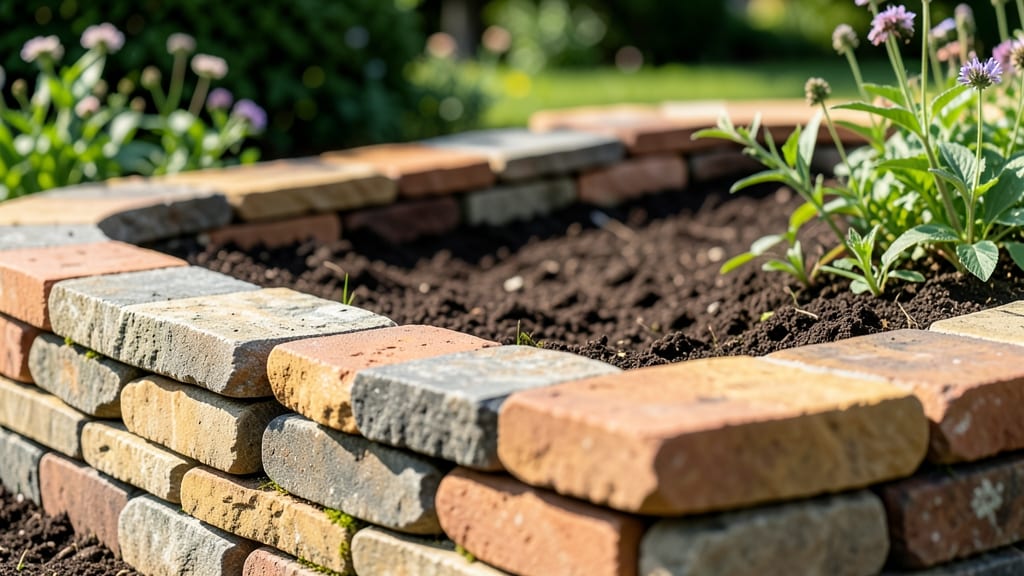
Skip the pressure-treated wood and expensive cedar—stone or brick borders create a timeless raised bed that lasts decades with minimal upkeep. These materials require no special tools or fasteners, just a shovel, level, and a little elbow grease to create a sturdy, weather-resistant frame that blends into any landscape.
Start by digging a shallow trench (6-8 inches deep) along your desired bed shape, then lay field stones or bricks on their sides to form the border. For extra stability, interleave stones with landscape fabric to prevent soil erosion. Fill the center with loose soil or compost, then plant your favorite vegetables, herbs, or flowers—this design works especially well for root crops like carrots or heavy feeders like tomatoes.
The beauty of this method is its versatility—urban gardeners can use salvaged bricks, while rural spaces benefit from natural river rocks. It’s the perfect solution for those who want a low-maintenance, high-impact garden feature that ages gracefully. 💪
Hanging Shoe Organizer Herb Garden
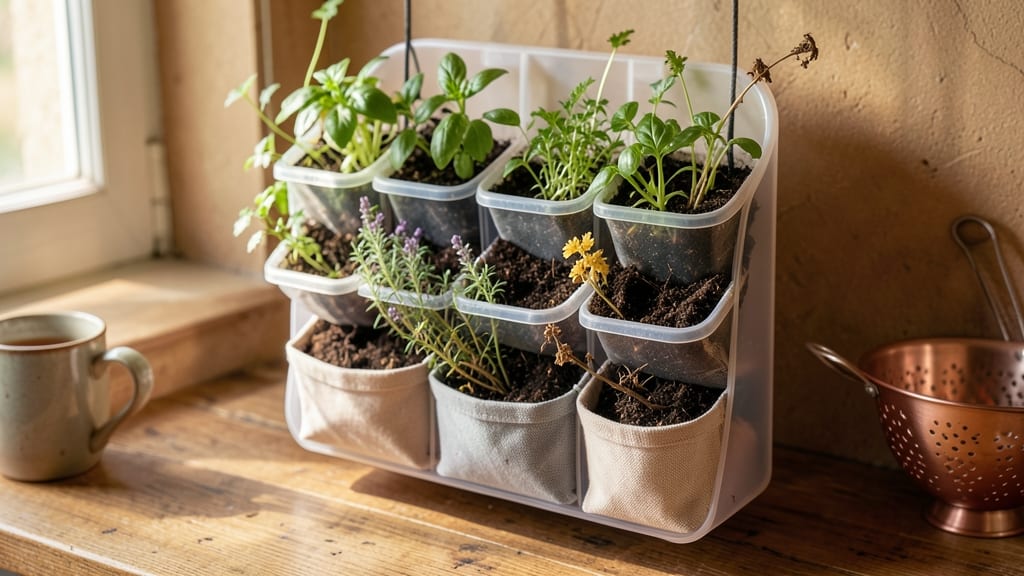
Turn clutter into a productive herb garden with a simple hanging shoe organizer—no green thumb required! This clever repurposing trick transforms an old organizer into a space-saving, modular growing system perfect for kitchens, patios, or sunrooms.
Fill each pocket with potting mix and plant herbs like basil or thyme in the top pockets (they need more light), while strawberries or small peppers thrive in the lower sections. The clear pockets let you monitor soil moisture, and the hanging design keeps plants off the ground, reducing pests. For best results, place it near a south-facing window or under grow lights indoors.
This DIY solution is ideal for urban gardeners, renters, or anyone with limited space—it’s portable, affordable, and expands easily by adding more organizers. Plus, you’ll always have fresh herbs within arm’s reach! 🌱
Wooden Crate Herb Spiral
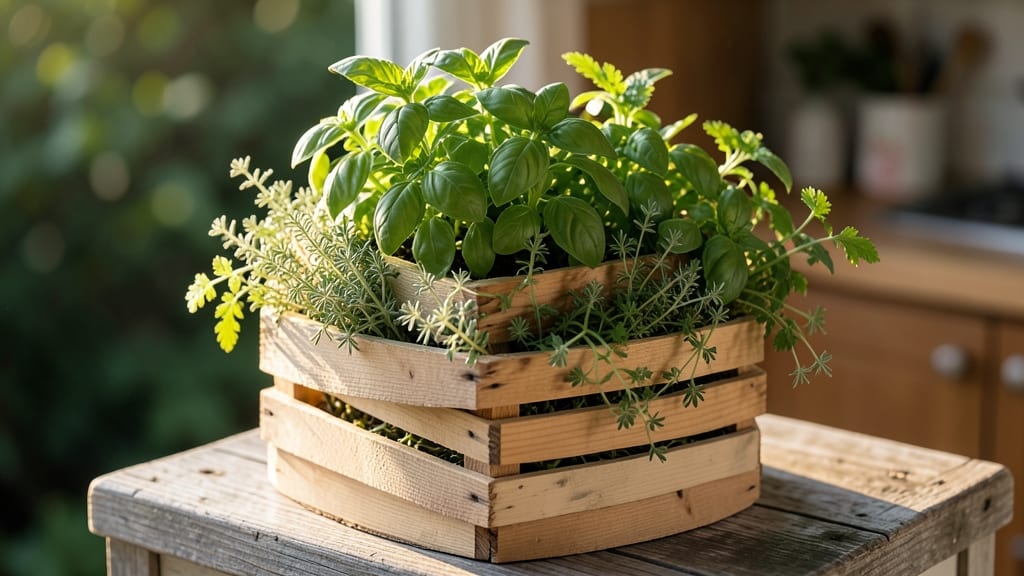
Turn your balcony or kitchen windowsill into a high-yield herb haven with a wooden crate herb spiral—a space-saving design that packs flavor into every square inch. This circular arrangement maximizes sunlight exposure for each plant while creating a visually striking focal point that’s easy to harvest from.
Start by stacking 3-5 crates in a spiral, securing them with screws or brackets for stability. Fill each crate with well-draining potting mix and plant fast-growing herbs like basil, parsley, and cilantro at the outer edge, moving slower growers like rosemary toward the center. The spiral design ensures year-round productivity—even in partial shade—by allowing you to rotate crates seasonally.
Perfect for urban gardeners or anyone with limited space, this design requires minimal tools and repurposes materials you might already have. Plus, the rustic charm blends seamlessly with cottage-style or modern decor. 🌿
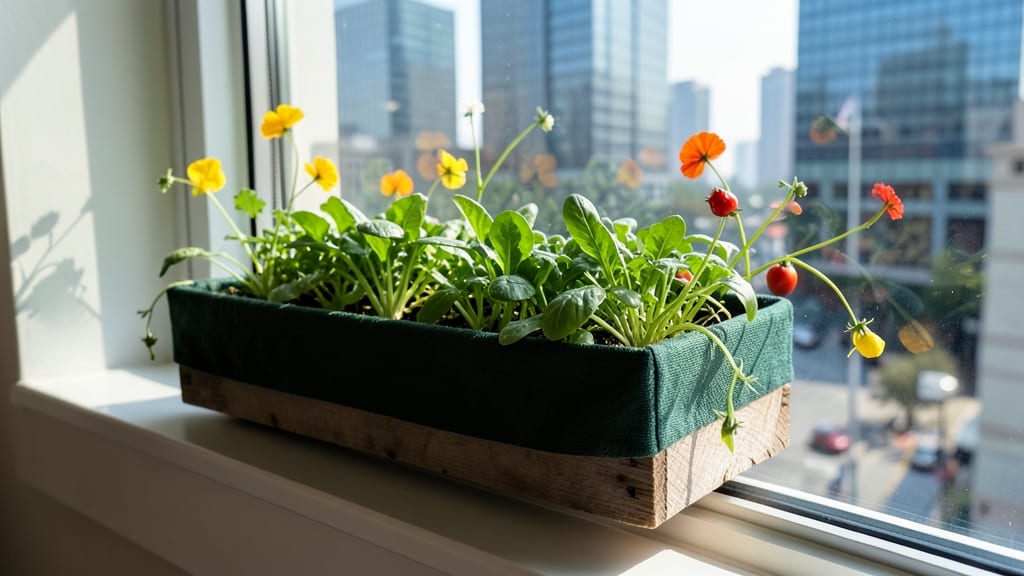
Fabric-Lined Window Box Garden

Turn your windowsill into a thriving garden without soil—this fabric-lined window box trick is perfect for urban dwellers with limited space. Skip the dirt entirely by using landscape fabric as a moisture-retentive base, letting you grow shallow-rooted plants like lettuce, spinach, or trailing flowers.
Start by cutting a piece of landscape fabric to fit your window box, then secure it with staples or nails. Fill the box with a lightweight potting mix, leaving about an inch of space at the top. Water through the fabric to keep roots hydrated without over-saturating, and place your box in bright, indirect sunlight for best results. This system drains excess water while keeping roots consistently moist.
Ideal for renters or small apartments, this method eliminates soil mess and reduces maintenance. Plus, the fabric acts as a built-in weed barrier, giving you a low-fuss way to grow fresh greens or vibrant blooms year-round. 🌿