
Tools
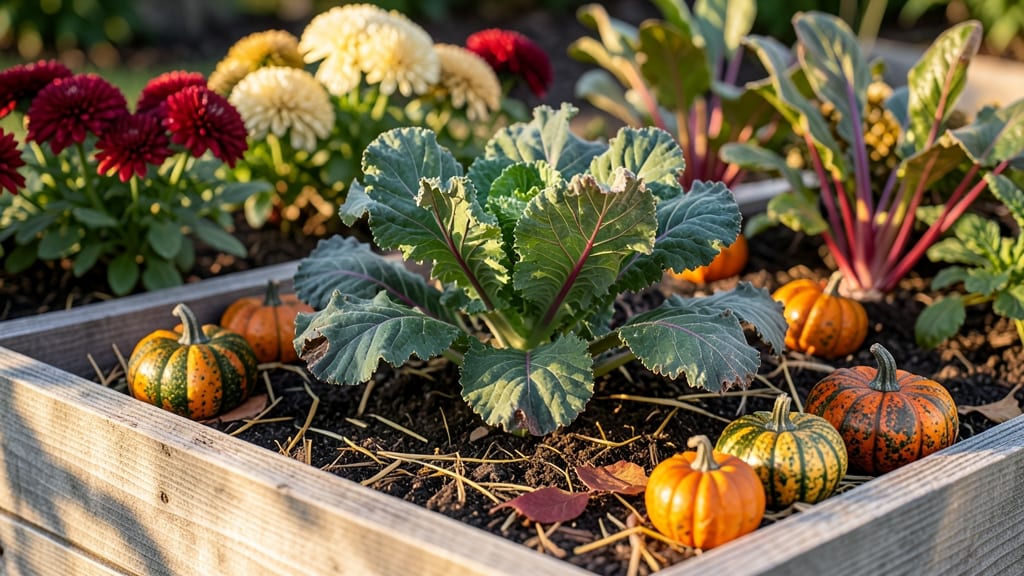
A fall raised bed garden isn't just about survival—it's about thriving when most gardeners call it quits. 🌿 I've learned that cool-season crops like kale, spinach, and carrots grow sweeter after a light frost, and with the right setup, your raised beds can still be productive when others are empty.
The key is timing, soil prep, and choosing plants that love the crisp air.
Start by clearing out summer plants and amending the soil with compost—this gives roots room to establish before winter sets in. Plant fast-growing crops like radishes in 2-3 weeks for a quick harvest, and slower growers like Brussels sprouts in 6-8 weeks before the first frost.
Mulch heavily with straw to protect plants and retain moisture, even as temperatures drop.
You'll end up with a garden that keeps giving long after the summer heat fades. The beds stay neat, weeds stay minimal, and you'll have fresh greens on the table when store-bought options are sparse.
Plus, the process of transitioning your garden for winter means next spring's planting will start with rich, prepped soil.
Works for both beginners and seasoned gardeners—just adjust the timing based on your first frost date. Here's how to make the most of your fall harvest without the guesswork.
📚 In This Guide
- What you need
- Instructions
- Tips and common mistakes
- Wrapping up and next steps
What you need
- ● Raised bed frame: Untreated wood (cedar or redwood preferred), plastic, or composite lumber. Dimensions: 4’ x 8’ x 12” deep (adjustable based on plant types).
- ● Garden soil: 60 cubic feet of high-quality, well-draining potting mix or a blend of 60% topsoil, 30% compost, and 10% perlite.
- ● Organic mulch: 2–3 bags of straw, shredded leaves, or wood chips (for insulation and moisture retention).
- ● Fertilizer: Slow-release organic fertilizer (e.g., 10-10-10 or composted manure) or compost tea.
- ● Fall crops: Seedlings or seeds for cold-hardy veggies like kale, spinach, carrots, radishes, or lettuce.
- ● Garden gloves (to protect your hands from soil and thorns).
- ● Hand trowel (for planting and soil amendments).
- ● Pruners (for trimming plants and harvesting).
- ● Watering can or hose with a gentle spray nozzle (for precise watering).
- ● Measuring tape (to ensure even soil distribution).
- ○ Optional: Soil tester kit (to check pH and nutrient levels) or a thermometer (to monitor soil temperature).
- ● A sunny location with at least 4–6 hours of sunlight daily (south-facing is ideal).
- ● Level ground or a flat base (use gravel or landscape fabric if needed).
- ● Access to water (a nearby spigot or portable water source).
- ● Weather check: Wait until after the first frost (or plant cold-hardy crops before frost).
Step-by-step instructions for building a fall raised bed garden
Here's how to create a productive fall garden that keeps giving until frost.
🪴 Step 1: Choose and Prepare the Location
Select a spot that gets at least 6 hours of sunlight daily—morning sun is ideal for fall crops like kale and spinach. I always check the area in late afternoon when shadows are longest to confirm sunlight coverage. Avoid low spots where cold air settles, as these freeze earlier in fall.
Clear the area of weeds and debris, then mark your bed dimensions with stakes and string. A 4x8-foot bed is perfect for four people and fits most standard lumber lengths. Level the ground carefully—uneven spots will cause your bed to tilt, making watering and planting uneven.
🌱 Step 2: Build the Raised Bed Frame
Use untreated lumber like cedar or redwood to build a frame that's 10-12 inches tall—this prevents soil compaction and makes harvesting easier. I like to use 2x6 boards for the sides, screwing them together at the corners with galvanized screws. Leave a 1-inch gap between boards at the bottom for drainage.
For a 4x8-foot bed, you'll need two 4-foot lengths and two 8-foot lengths of lumber. Reinforce the corners with corner brackets for extra stability, especially if your bed is taller than 12 inches. Line the inside with landscape fabric to block weeds while allowing water to penetrate.
💧 Step 3: Fill With the Right Soil Mix
Fill the bed with a mix of 60% topsoil, 30% compost, and 10% perlite or vermiculite for drainage. I always add a 2-inch layer of coarse sand at the bottom to improve drainage further. Avoid garden soil—it compacts easily and can harbor diseases.
Moisten the soil mix until it feels like a damp sponge—you should see slight moisture when you squeeze a handful, but it shouldn’t drip. This ensures roots have access to water without becoming waterlogged. Let the bed settle for 24 hours before planting to avoid shifting soil when you add plants.
☀️ Step 4: Plant Cool-Season Crops for Fall
Choose fast-maturing crops like bush beans, kale, spinach, or radishes—these thrive in cooler temperatures. Plant seeds ¼ inch deep and 1-2 inches apart, following packet instructions. I like to stagger plantings every 2 weeks to extend the harvest window.
Water gently after planting to settle the soil around seeds. Avoid overhead watering once seedlings emerge—it spreads diseases. Instead, use a drip irrigation system or water at the base of plants. Mulch with 2 inches of straw to retain moisture and suppress weeds.
⏰ Step 5: Maintain Through Fall
Water deeply 2-3 times per week, depending on rainfall, until the soil feels 2 inches dry below the surface. In late fall, reduce watering as plants slow growth. Harvest regularly—this encourages more production and prevents bolting.
Watch for pests like cabbage worms or aphids. I use row covers in early fall to protect young plants, then switch to handpicking pests once plants mature. Add a 2-inch layer of compost in late fall to replenish nutrients for next season.
Tips & tricks for perfect fall raised bed gardens
Here's what I've learned after building and maintaining raised beds for years—these tricks make all the difference in fall harvests.
Sunlight Strategy: That 6-hour sunlight minimum is non-negotiable for fall crops, but here's the secret: position your bed so the south side gets morning sun while the north side catches afternoon warmth. This creates a microclimate that extends your growing season by 1-2 weeks. I've seen spinach and kale thrive in beds that would otherwise get too cold.
Drainage Don't: That 1-inch gap at the bottom of your frame isn't just for looks—it's your insurance against waterlogged soil. If you're building in clay-heavy soil, increase the gap to 2 inches or add a layer of broken pottery pieces at the bottom before adding your sand layer. Trust me, your radishes will thank you when they don't rot in soggy soil.
Soil Settlement Secret: The 24-hour settling period before planting is crucial, but here's the pro move: lightly tamp down the soil mixture after filling, then water it thoroughly. This eliminates air pockets and ensures even settling. I like to use the back of my trowel to gently press down in a grid pattern—it creates a firm base that won't shift when you plant.
Pest Prevention: For those cabbage worms and aphids, here's my early-season defense: sprinkle a thin layer of diatomaceous earth around the base of your plants after they emerge. It's non-toxic but deadly to soft-bodied pests. I also plant a border of nasturtiums—they repel pests while adding color and attracting pollinators. It's a triple win!
Pro Tips for Fall Raised Bed Garden
- Here's what I've learned after building and maintaining raised beds for years—these tricks make all the difference in...
- Sunlight Strategy: That 6-hour sunlight minimum is non-negotiable for fall crops, but here's the secret: position you...
- Drainage Don't: That 1-inch gap at the bottom of your frame isn't just for looks—it's your insurance against waterlog...
Frequently asked questions
Got questions about maximizing your fall raised bed garden? Here are answers to the most common ones—so you can grow with confidence!
What’s the best time to start a fall raised bed garden?
Plant cool-season crops like kale, spinach, or radishes 8–10 weeks before your first expected frost (check your USDA zone). For warm-season holdovers (e.g., tomatoes, peppers), start seeds indoors 6–8 weeks before the last frost and transplant after summer heat wanes. Pro tip: Use a frost calculator for precise timing!
Can I still use a raised bed in winter?
Extend the season with row covers, cold frames, or low tunnels to protect plants from light frosts. For deep freezes, harvest hardy greens (like Swiss chard) or cover beds with straw mulch (4–6 inches). Evergreens and garlic also thrive in winter beds.
Are raised beds more expensive than in-ground gardens?
Upfront costs are higher (materials like cedar or composite lumber can run $50–$200+), but they save money long-term. Benefits include less weeding, better soil control, and higher yields—plus, you avoid costly amendments for poor native soil. Budget hack: Repurpose pallets or cinder blocks for DIY beds!
How do I keep pests out of my fall raised bed?
Prevent pests with physical barriers (row covers, netting), companion planting (marigolds repel nematodes), and crop rotation. For slugs/snails, use copper tape or diatomaceous earth. Quick fix: Handpick pests early in the morning when they’re sluggish!
What if my fall plants bolt or flower too early?
Bolting happens when plants sense long daylight or heat stress. To delay it:
- Use shade cloth (30–50%) during peak sun.
- Water deeply at the soil base (avoid wetting leaves).
- Choose slow-bolting varieties (e.g., ‘Winter Density’ kale).
If bolting occurs, harvest leaves or seeds before the plant goes to flower!
Wrapping up and next steps
A fall raised bed garden isn’t just a clever way to squeeze in more harvests—it’s a game-changer for extending your growing season, saving money, and enjoying fresh produce long after summer fades. 🍂 With the right planning, soil prep, and plant choices, you’ll turn late-season challenges into golden opportunities for flavorful greens, hearty roots, and even winter-hardy crops.
Ready to dive in? Start small—pick one bed, gather your supplies, and let your curiosity (and your plants!) guide the rest. Happy gardening! 🌱