
Flowers
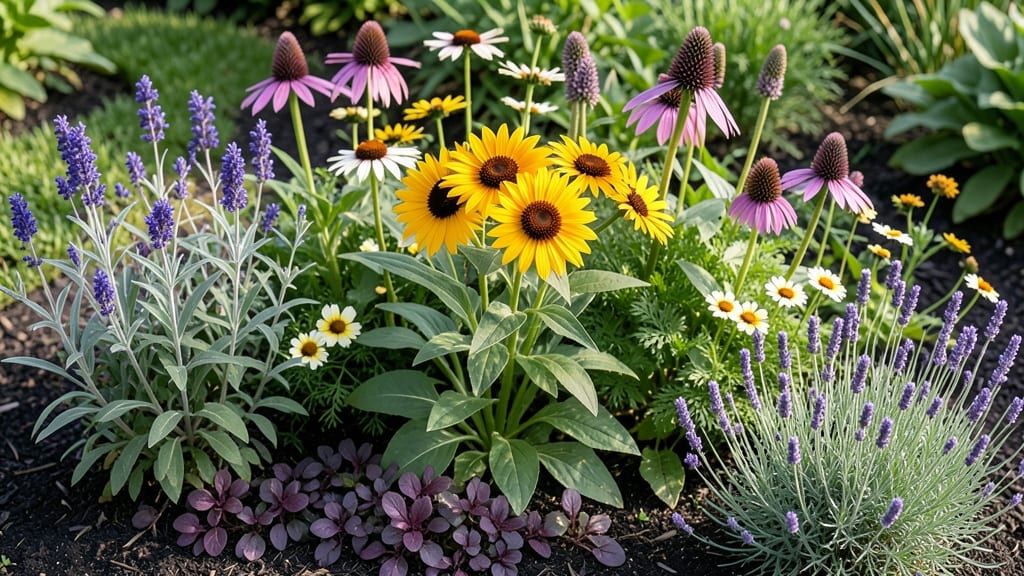
Strategic flower bed arrangements turn a random collection of plants into a season-long color show that keeps your yard vibrant from spring through fall. 🌸 I used to think flower beds were about filling space—until I realized the secret is pairing plants that bloom at different times, complement each other’s colors, and create height layers that make the garden look intentional (even when it’s not).
The magic happens with three simple layers: tall backdrops (like delphiniums or hollyhocks), mid-height bloomers (such as coneflowers or black-eyed Susans), and low-spreading plants (like ajuga or creeping thyme). Mix in foliage plants for texture, and suddenly, you’ve got a bed that never looks bare.
My first attempt used only annuals, and it looked great for three months—until the heat hit and everything faded at once. What you’ll end up with is a garden that feels like a professional designer’s work, but with plants you can actually afford and maintain.
The key is starting with a color palette (3-5 hues max) and sticking to it, even when adding new plants. Think of it like a painting—every brushstroke (or plant) should tie back to the original vision. Works for any size bed, from a small city plot to a sprawling backyard.
Here’s how to plan yours without overthinking it—because the best designs often come from breaking the rules.
📚 In This Guide
- What you need
- Instructions
- Tips and common mistakes
- Wrapping up and next steps
What you need
- ● Plants: Choose a mix of perennials, annuals, and fillers (e.g., Coneflowers, Black-Eyed Susans, Salvia, Marigolds, and Pansies). Aim for 3-5 types per bed for variety.
- ● Soil: High-quality garden soil or potting mix (1-2 bags, ~40 lbs each). Amend with compost (1 bag) for nutrients.
- ● Mulch: Organic mulch (e.g., shredded bark or straw), 2-3 cubic feet per bed.
- ● Hand trowel (for planting small flowers).
- ● Garden fork or spade (for breaking up soil).
- ● Pruners or shears (for trimming and shaping).
- ● Watering can or hose with nozzle (with a fine mist setting).
- ● Gloves (gardening or work gloves).
- ● Measuring tape (to plan spacing).
- ○ Knee pads (optional but highly recommended!).
- ● Edging tools (for clean borders—plastic, metal, or stone).
- ● Decorative stones or pebbles (for contrast or pathways).
- ● Stakes or cages (for tall plants like Delphiniums or Sunflowers).
- ● Slow-release fertilizer (granular or spikes).
- ● Rain gauge (to monitor watering needs).
Instructions for creating season-long flower bed arrangements
Here's how to design a flower bed that blooms from spring through fall with minimal effort.
🌱 Step 1: Plan Your Color and Bloom Timeline
Start by sketching your bed layout on paper, dividing it into three zones: front (short plants), middle (medium height), and back (tallest plants). I like to use a color wheel to select complementary hues—purples with yellows, pinks with blues—that will pop against each other. For season-long color, choose plants with staggered bloom times: early spring bulbs like daffodils, summer annuals like petunias, and late-season bloomers like chrysanthemums.
Write down each plant's bloom period in your sketch. This ensures you'll always have something in flower. For example, tulips bloom in spring, black-eyed Susans in summer, and mums in fall. You'll notice gaps naturally—fill those with annuals or perennials that fit your color scheme.
🪴 Step 2: Prepare the Soil and Plant in Layers
Remove existing plants and weeds, then loosen the soil to a depth of 12 inches using a garden fork. Mix in 2-3 inches of compost to improve drainage and fertility. For a 4-foot by 4-foot bed, spread a 1-inch layer of mulch after planting to retain moisture and suppress weeds. I like to use shredded bark mulch because it breaks down slowly and adds organic matter over time.
Begin planting from the back of the bed, working forward. Place tall plants like delphiniums or hollyhocks at the back, medium-height plants like daylilies or coneflowers in the middle, and short plants like ajuga or sweet alyssum at the front. Space perennials 18-24 inches apart and annuals 8-12 inches apart, depending on their mature size. This prevents overcrowding as they grow.
☀️ Step 3: Group Plants by Sun and Water Needs
Divide your bed into sections based on sunlight exposure. Full sun areas (6+ hours of direct light) can handle plants like black-eyed Susans, coneflowers, and lavender. Partial shade (3-6 hours of sun) works well for astilbes, hostas, and impatiens. Group plants with similar water needs together—drought-tolerant plants like sedum and Russian sage need less frequent watering, while thirsty plants like impatiens and lobelia need consistent moisture.
Install a drip irrigation system or soaker hoses to deliver water directly to the roots. Run the lines along the edges of each plant group to avoid overwatering some areas while others dry out. Water deeply once a week during dry spells, aiming for 1 inch of water per week. You'll see healthier plants with fewer pests when they're consistently moist but not soggy.
✂️ Step 4: Maintain and Refresh Throughout the Seasons
Deadhead spent blooms regularly to encourage more flowers and keep the bed looking tidy. For perennials like coneflowers and black-eyed Susans, cut back the stems to 6 inches tall in early spring to promote new growth. Annuals like petunias and marigolds will bloom continuously if you remove faded flowers promptly. I like to do this on a weekly basis—it takes just a few minutes and makes a huge difference.
Add new plants in early spring or fall to fill gaps or introduce new colors. For example, swap out spring bulbs with late-season bloomers like chrysanthemums or asters. Mulch again in late fall to protect roots from freezing temperatures. You'll notice your bed stays vibrant and full longer when you refresh it seasonally.
Tips & tricks for perfect season-long flower bed arrangements
Here's what nobody tells you about keeping your flower bed vibrant all year—these tricks save time and headaches.
Color Theory Shortcut: Instead of memorizing color wheels, use the "60-30-10 rule" when selecting plants. Choose one dominant color (60%), a secondary color (30%), and an accent color (10%). For example, 60% purple, 30% yellow, and 10% white creates instant visual harmony. This approach works especially well when pairing perennials like coneflowers (purple) with black-eyed Susans (yellow).
Soil Prep Hack: Before adding compost, test your soil's pH using a simple kit from your garden center. Most flowers prefer a pH between 6.0 and 7.0. If your soil is too acidic, mix in 1-2 inches of lime; if it's alkaline, add sulfur. I've seen beds fail because the soil was too acidic for lavender—it's worth the 5-minute test to avoid disappointment.
Plant Spacing Secret: When spacing perennials, measure their mature width (not just height) to prevent overcrowding. For example, a daylily might be 2 feet tall but spread 3 feet wide. I always sketch a top-down view of my bed to visualize how plants will fill out. This prevents that "sparse in the middle" look that happens when plants outgrow their space.
Watering Strategy: Install a rain gauge near your flower bed to track actual rainfall. Many gardeners overwater because they assume their sprinklers deliver the full 1 inch per week. I check mine every Saturday morning—if we've gotten 0.75 inches from rain, I only add 0.25 inches with my hose. This saves water and prevents root rot in moisture-sensitive plants like Russian sage.
Pro Tips for Flower Bed Arrangements
- Here's what nobody tells you about keeping your flower bed vibrant all year—these tricks save time and headaches.
- Color Theory Shortcut: Instead of memorizing color wheels, use the "60-30-10 rule" when selecting plants.
- Soil Prep Hack: Before adding compost, test your soil's pH using a simple kit from your garden center.
Frequently asked questions
about flower bed arrangements—because even the greenest thumbs need a little guidance! Here are answers to common questions to help you create a stunning, low-maintenance display.What’s the best time of year to plant a flower bed?
The ideal time depends on your climate, but spring (after the last frost) and early fall (4-6 weeks before the first frost) are the sweet spots. These windows give plants time to establish roots before extreme weather. For perennials, fall planting often yields better survival rates—just check your USDA hardiness zone!
How do I keep weeds from taking over my flower bed?
Weeds are the uninvited guests of the garden! Start with landscape fabric under mulch, or use organic mulch (shredded bark, straw) to smother weeds while retaining moisture. For natural control, plant dense ground covers like creeping thyme or ajuga between flowers. Pull weeds early—before they seed!
Can I mix annuals and perennials in the same bed?
Annuals (like petunias or zinnias) add bold color and quick impact, while perennials (like coneflowers or hostas) provide structure and return yearly. Pro tip: Place annuals in the front for seasonal flair, and tuck perennials toward the back. Just balance their sun/water needs—annuals often thirstier!
Why are my flowers wilting or dying despite good care?
Wilting can stem from overwatering (root rot), underwatering, pests (aphids, slugs), or poor drainage. Check soil moisture with your finger—it should feel damp but not soggy. Inspect leaves for holes or sticky residue. If drainage’s the issue, amend soil with compost or sand and consider raised beds.
Are there budget-friendly ways to create a beautiful flower bed?
Skip pricey nursery plants! Start with seeds (marigolds, cosmos, or sunflowers grow fast and cheap), divide existing perennials, or swap cuttings with gardening friends. Use free mulch (grass clippings, fallen leaves) and shop discount garden centers at season’s end. Even a few well-placed native plants (like black-eyed Susans) attract pollinators without breaking the bank.
Wrapping up and next steps
Creating a stunning flower bed arrangement that blooms all season is easier than you think—just pair the right plants and plan with intention! 🌸 Whether you’re a seasoned gardener or a beginner, strategic color combinations and seasonal transitions will keep your garden vibrant year-round.
Now that you’re armed with tips, materials, and answers to common questions, it’s time to roll up your sleeves and get growing!
Ready to transform your outdoor space? Start small with a single bed or dive into a full garden overhaul—every petal planted is a step toward beauty. Grab your gloves, sketch a quick design, and let nature’s palette inspire you!