
Flowers
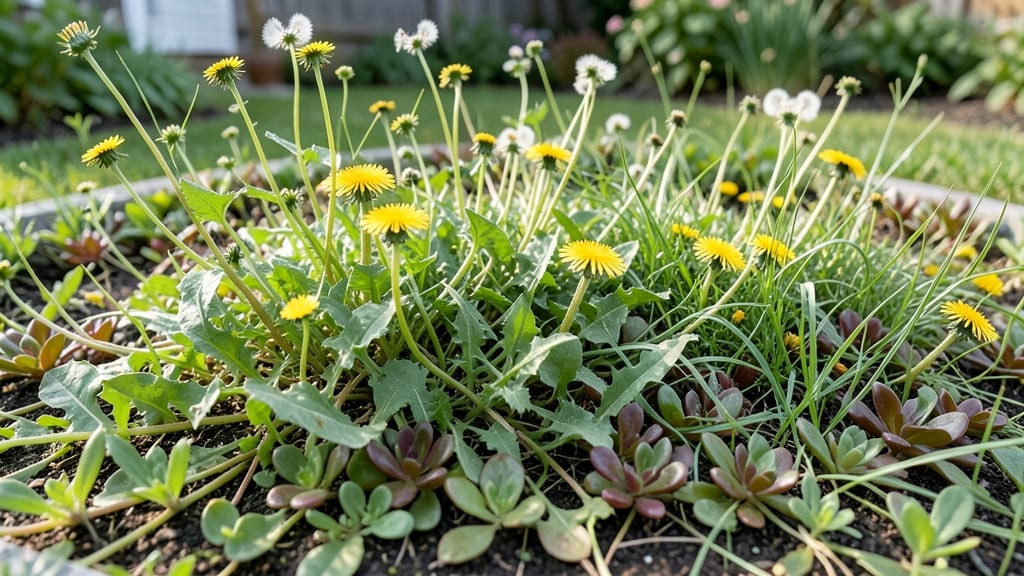
A flower bed full of weeds doesn’t mean your garden is lost—it means you’re one 30-minute session away from reclaiming it. 🌱 I’ve wrestled with stubborn weed patches for years, and the right approach turns them into lush, sunlight-ready spaces faster than you’d think.
The key? A mix of quick removal, smart prevention, and soil care that keeps weeds from staging a comeback.
Most weeds thrive because they exploit bare soil or weak plant competition. My first breakthrough came when I swapped weekly weeding for a mulch-and-smother combo—cardboard under thick mulch blocks sunlight, starving weeds while feeding your flowers.
For tough patches, a vinegar spray (3% acetic acid) works fast, but test it first on a small area to avoid damaging nearby plants.
By the end of your session, you’ll see fresh soil ready for seeds or transplants, with weeds cut down to almost nothing. The real magic happens over time: healthy plants crowd out weeds naturally, and your bed stays low-maintenance once you establish the routine.
No more dreading spring cleanup—just a quick reset and a garden that stays vibrant.
This method works for any flower bed, whether it’s sun-drenched or partially shaded. The only tools you’ll need are gloves, a hoe, and maybe a spray bottle. Let’s get that garden back to its full potential—without the battle scars.
The Hidden Triggers Behind Unruly Growth
If your once-vibrant flower bed has turned into a tangled jungle of unwanted plants, you’re not alone. 🌱🔥 Weeds thrive when specific conditions align—often ones we overlook or unintentionally create.
Understanding the root causes (literally!) is the first step to reclaiming your garden. Let’s break down the science behind why these intruders take over.
Weeds flourish because they’re opportunistic survivors. Unlike flowers, which often require careful cultivation, many weeds (like dandelions or crabgrass) grow aggressively in any open space. When your flower bed lacks dense, healthy plants, weeds fill the gaps like a vacuum.
- Why it happens: Flowers need sunlight, water, and nutrients to outcompete weeds. If your garden is sparse—due to poor spacing, underplanting, or dying flowers—weeds seize the advantage. Studies show that bare soil can see weed germination rates soar within 7–10 days.
- Actionable fix:
- Plant flowers closely together (check their mature spread on seed packets) to block light from reaching weed seeds.
- Use ground covers (like creeping thyme or clover) to smother soil and reduce weed growth by 60–80%.
Weeds love moisture—too much moisture. While flowers may wilt in drought, many weeds (such as nutsedge or chickweed) thrive in soggy conditions. Overwatering or compacted soil traps excess water, creating the perfect breeding ground.
- Why it happens:
- Weed seeds germinate faster in wet soil—some can sprout in as little as 24 hours after rain.
- Poor drainage leads to anaerobic (low-oxygen) conditions, which weakens flower roots while weeds adapt.
- Actionable fix:
- Water deeply but infrequently (1–2 inches per week) to encourage deep flower roots that outcompete shallow weed roots.
- Improve drainage by amending soil with compost or perlite and avoiding heavy clay.
Sunlight isn’t just for flowers—it’s a weapon against weeds. Many weeds (like lamb’s quarters) grow best in partial shade, while others (e.g., purslane) tolerate full sun. If your flower bed gets too much or too little light, weeds exploit the imbalance.
- Why it happens:
- Shady spots (from overgrown plants or nearby trees) favor shade-tolerant weeds like bindweed.
- Too much sun can stress flowers, leaving gaps for weeds to invade.
- Actionable fix:
- Choose native or drought-tolerant flowers (like lavender or sedum) for sunny areas to reduce weed competition.
- Prune overhanging branches to increase sunlight to your flower bed’s center.
Weeds often win because they’re nutrient scavengers. While flowers may need balanced fertilizers, many weeds (like pigweed) thrive in low-nutrient or nutrient-rich soil—making them nearly impossible to starve out.
| Soil Issue | Weed Response | Flower Impact |
|---|---|---|
| High nitrogen (from grass clippings or synthetic fertilizer) | Fast-growing weeds (e.g., crabgrass, chickweed) dominate. | Flowers may grow leafy but few blooms. |
| Low organic matter (compacted or sandy soil) | Weeds like nutsedge spread via underground rhizomes. | Flowers struggle to establish roots. |
Actionable fix:
- Test your soil (use a DIY kit or local extension service) and amend with compost or aged manure to balance nutrients.
- Avoid high-nitrogen fertilizers in flower beds—opt for slow-release, bloom-boosting formulas (e.g., 5-10-10).
Weeds don’t wait for you to “find the time.” A single weed seed can produce thousands of offspring in one season—and they germinate year-round in many climates. Skipping even one mowing or mulching session gives them a foothold.
- Why it happens:
- Weed seeds lie dormant in soil for years (some up to 50+ years!). Disturbing soil (via tilling or digging) wakes them up.
- Mulch breaks down, leaving bare patches where weeds germinate.
- Actionable fix:
- Mulch consistently with 2–3 inches of organic mulch (wood chips, straw) to block light and retain moisture.
- Pull weeds weekly—especially when they’re small (before they seed!).
💡 Pro Tip: If your flower bed is already overrun, don’t panic. The key is to disrupt the weed life cycle by combining smothering (mulch), starving (competitive plants), and removing (hand-pulling or vinegar spray) tactics.
Start with the weakest links—like fixing drainage or adding mulch—and watch weeds retreat in weeks!
Quick Fixes for Overrun Garden Beds
Transforming a flower bed choked with weeds into a vibrant, sunlight-ready garden is easier than you think—especially when you tackle the problem head-on with the right strategies.
Below, we’ll break down practical, step-by-step solutions tailored to the most common causes of weed dominance, plus pro tips to keep your garden lush and low-maintenance long-term.
If your flower bed is struggling because the soil is compacted, nutrient-poor, or lacks organic matter, weeds will thrive while your plants starve. Here’s how to fix it:
🔥 Step 1: Clear the Weeds (Without Breaking a Sweat)
- Smother first: Lay down thick cardboard or newspaper (no glossy ink!) over the bed, then top with 4–6 inches of mulch (straw, wood chips, or shredded leaves).
This blocks sunlight, killing weeds in 4–6 weeks without digging. - Pull stubborn weeds: For deep-rooted invaders (like dandelions), use a weed popper or dig carefully with a trowel.
Wear gloves—some weeds (like poison ivy) can irritate skin. - Vinegar spray (for tough patches): Mix 1 gallon white vinegar + 1 cup dish soap + 1 cup salt in a spray bottle. Target weeds on sunny days (this kills plants, so avoid spraying desired flowers).
🍳 Step 2: Loosen and Amend the Soil
- Aerate compacted soil: Use a garden fork or aeration tool to poke holes 6–8 inches deep across the bed.
This helps roots breathe and water penetrate. - Add organic matter: - Mix in 2–3 inches of compost (homemade or store-bought). - For clay soil, blend in sand or perlite to improve drainage. - For sandy soil, add peat moss or coconut coir to retain moisture. - Test your soil: A $20 soil test kit (from garden centers) checks pH and nutrients.
Adjust with lime (to raise pH) or sulfur (to lower it) if needed.
👨🍳 Step 3: Plant Competitive Ground Covers
Weeds hate competition! Plant fast-spreading, low-maintenance perennials that outcompete weeds naturally:
- Creeping thyme (drought-tolerant, fragrant)
- Ajuga (Bugleweed) (shade-loving, spreads quickly)
- Clover (fixes nitrogen, great for pollinators)
- Sedum (Stonecrop) (succulent, thrives in sun)
Pro Tip: 💡 Mulch like a pro—apply 3–4 inches of mulch (wood chips or pine straw) after planting. This suppresses weeds, retains moisture, and feeds the soil as it breaks down.
If your weeds (like crabgrass or purslane) dominate because they love full sun while your flowers wilt, it’s time to rethink your plant choices and provide shade where needed.
🔪 Step 1: Prune Overhead Branches
- Trim back tree branches or install shade cloth (30–50%) over part of the bed to reduce direct sunlight.
- DIY hack: Use bamboo stakes + sheer fabric to create temporary shade for delicate plants.
🌡️ Step 2: Swap Sun-Lovers for Shade-Tolerant Flowers
Replace sun-hungry weeds with low-light champions:
- Hostas (great for deep shade)
- Ferns (thrive under trees)
- Impatiens (bright blooms, loves shade)
- Lungwort (Pulmonaria) (tolerates partial sun)
✨ Step 3: Water Strategically
- Deep watering (1–2x/week) encourages deep roots, making plants more resilient.
- Morning watering reduces evaporation and fungal risks.
- Drip irrigation keeps weeds down by delivering water directly to plants.
Waterlogged soil is a weed magnet. If your bed sits in a low spot or has poor drainage, take these steps:
🏗️ Step 1: Raise the Bed Level
- Build a slight mound (6–12 inches high) with native soil + compost.
- Install French drains if water pools severely (dig a trench, fill with gravel, then cover with landscape fabric).
💧 Step 2: Choose Drought-Tolerant Plants
Weeds like chickweed and nutsedge love soggy soil. Replace them with:
- Black-eyed Susans (drought-resistant)
- Russian sage (thrives in poor soil)
- Sedum (succulent, needs little water)
🎯 Step 3: Use Gravel or Sand for Drainage Layers
- If replanting, mix coarse sand or perlite into the soil to improve drainage.
- For container beds, add a 1-inch gravel layer at the bottom before planting.
Once your flower bed is weed-free, lock in success with these habits:
- 🌿 Mulch religiously: Reapply mulch twice a year (spring and fall) to smother weeds before they sprout.
- 🌱 Hand-pull weekly: Spend 10 minutes every week removing new weeds—they’re easier to pull young!
- 🌱 Plant densely: Crowd out weeds by planting perennials in clusters (they’ll fill in faster than annuals).
- 🌱 Use landscape fabric (sparingly): Lay perforated fabric under mulch in high-weed areas (but don’t bury it—weeds will grow through it).
- 🌱 Try corn gluten meal: Sprinkle 20 lbs per 100 sq ft in early spring—it’s a natural pre-emergent that stops weed seeds from germinating.
Short on time? Try this express weed-clearing method:
- Smother: Cover the bed with wet cardboard + mulch (10 mins).
- Edge the bed: Use a half-moon edger to define borders (5 mins).
- Plant fast: Drop in pre-planted perennials or annuals (10 mins).
- Mulch: Top with wood chips (5 mins). Result: Weed-free in 4 weeks, with minimal effort!
Remember: A weed-free garden is a marathon, not a sprint. Stay consistent with mulching, watering, and plant selection, and your flower bed will stay lush—without the weeds! 🌸🔥
Frequently asked questions
How long does it take to clear weeds from a flower bed using mulch?
With proper mulching (4–6 inches of organic material like wood chips or straw), you’ll see a noticeable reduction in weeds within 3–4 weeks. The mulch blocks sunlight, which starves existing weeds and prevents new seeds from germinating. For heavily infested beds, combine mulch with smothering (cardboard underneath) for faster results.
Can I use vinegar to kill weeds without harming my flowers?
Yes, but with caution! A mix of 1 gallon white vinegar + 1 cup dish soap + 1 cup salt works well for weeds—just spray only the weeds on sunny days. Vinegar kills plants by dehydration, so avoid spraying flowers or nearby plants. For delicate flower beds, spot-treat weeds early in the morning when plants are less active.
What’s the best time of year to tackle weeds in a flower bed?
Early spring (before weeds seed) and late summer (when weeds are actively growing) are ideal. In spring, focus on pulling weeds before they spread seeds, and in summer, use mulch or smothering techniques. Avoid treating weeds in winter—they’re often dormant, and cold weather can stress your flowers too.
Will corn gluten meal really stop weeds from growing?
Yes! Corn gluten meal is a natural pre-emergent that stops weed seeds from germinating by disrupting their growth hormones. Apply 20 lbs per 100 sq ft in early spring (before weeds sprout) and again in fall. It’s safe for established plants and improves soil fertility as it breaks down. Just avoid using it on newly seeded flower beds—it’ll inhibit your flowers too!
How do I keep weeds from coming back after I’ve cleared them?
Consistency is key! Start by planting dense, competitive flowers (like creeping thyme or sedum) to crowd out weeds. Add 2–3 inches of mulch (wood chips or straw) and reapply it twice a year. Pull weeds weekly when they’re small, and consider using landscape fabric under mulch in high-weed areas. Healthy soil and plants are your best defense!