
Landscaping
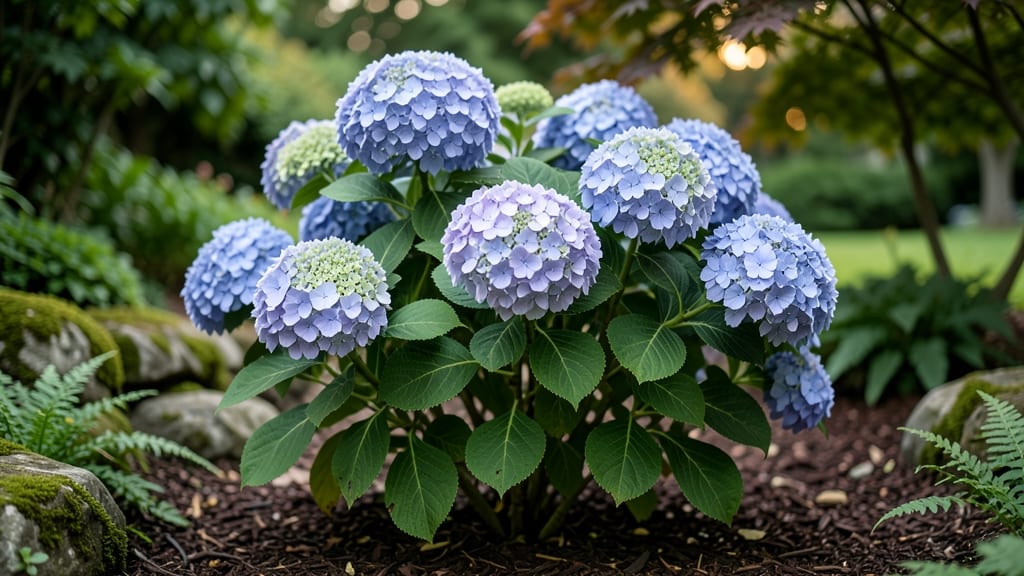
Creating flower bed ideas around trees transforms bare ground into lush, year-round beauty that thrives under the canopy. 🌿 I learned the hard way that not all plants survive in that shady, competitive space—but the right choices turn it into a vibrant understory.
The key is matching shade tolerance, root competition awareness, and seasonal interest to your tree's specific needs.
Start with 3-4 inches of mulch to protect roots and suppress weeds, then layer in shade-loving perennials like hostas, ferns, or astilbes that won't compete with your tree's roots.
For smaller trees, try a sunburst pattern with taller plants at the center and cascading foliage outward—it creates drama while keeping the tree as the star. Larger trees benefit from a wide, low border of ground covers like creeping phlox or ajuga.
You'll end up with a garden that stays lush year-round, even when other beds fade in summer heat. The dappled light creates a magical, woodland-like effect, and the right plants will reward you with blooms from spring through fall.
Seasonal interest comes from evergreens for winter structure, spring bulbs for early color, and late-season asters for fall.
This approach works for any tree size or garden style—whether you're filling the space under a towering oak or adding interest around a young fruit tree. The secret is patience: give plants 1-2 seasons to establish before expecting full coverage.
Once it's settled, you'll have a low-maintenance, high-impact feature that enhances your landscape.
📚 In This Guide
- What you need
- Instructions
- Tips and common mistakes
- Wrapping up and next steps
What you need
- ● Soil amendments: Compost (2–3 bags, 40–60 lbs each) – improves drainage and fertility.
- ● Organic mulch (e.g., shredded bark or pine needles, 2–3 cubic feet) – retains moisture and suppresses weeds.
- ● Plants: Perennials, shrubs, or ground covers (quantity depends on tree size; aim for 6–12 plants per 10-foot diameter). Popular choices: Heuchera, Ferns, Hostas, or Creeping Phlox.
- ○ Annuals (optional but great for color; e.g., Impatiens or Begonias, 1–2 flats).
- ● Tools: Garden trowel or spade (for digging small holes).
- ● Hand pruners (for trimming plants or mulch).
- ● Garden hose with spray nozzle (for watering).
- ● Measuring tape (to map plant spacing).
- ● Edging tools (e.g., plastic or metal edging) – defines the flower bed neatly.
- ● Slow-release fertilizer (e.g., 10-10-10) – boosts growth (follow package rates).
- ● Decorative stones or bark chips – adds texture and contrast.
- ● Drip irrigation kit – automates watering (ideal for dry climates).
Step-by-Step guide to designing flower beds around trees
Here's how to create stunning, low-maintenance underplantings that thrive under tree canopies.
🌱 Step 1: Assess Your Tree's Light and Soil Conditions
Start by observing your tree's canopy during different times of day. Note where dappled shade or full shade dominates—this determines your plant selection. I always check soil moisture by digging a 6-inch deep hole; if it stays damp for days, you'll need moisture-tolerant plants like hostas or ferns. Use a simple pH test kit to confirm your soil's acidity or alkalinity, as this affects root health.
Measure the tree's trunk diameter at 4 feet high—this helps determine how far from the trunk to plant. For trees under 12 inches in diameter, keep plants 3-4 feet away; for larger trunks, extend that to 5-6 feet. This prevents root competition while allowing sunlight to reach the ground.
🌿 Step 2: Select Plants That Thrive in Shade and Compete With Tree Roots
Choose a mix of perennials, annuals, and ground covers that tolerate low light and compete well with tree roots. For dappled shade, try hellebores, astilbes, and bleeding hearts. In full shade, ferns, hostas, and lungwort excel. I always include at least one evergreen like boxwood or pieris to provide winter interest and structure.
Layer plants by height: place tall perennials like astilbes (18-24 inches) at the back, mid-height plants like brunnera (12-18 inches) in the middle, and low-growing ground covers like ajuga (3-6 inches) at the front. This creates visual depth and ensures no plant gets overshadowed by its neighbors.
☀️ Step 3: Prepare the Soil and Plant With Care
Remove weeds and loosen the soil to a depth of 12 inches using a broadfork or spade. Amend the soil with 3 inches of compost to improve drainage and fertility, especially if your soil is heavy clay or sandy. For trees with shallow roots, I add a 2-inch layer of mulch immediately after planting to suppress weeds and retain moisture.
Dig holes twice as wide as the root ball but only as deep as the container's base. Place each plant at the same depth it was growing in the container—burying the stem too deep invites rot. Space perennials 12-18 inches apart and ground covers 6-12 inches apart, depending on their mature size. Water deeply right after planting to settle the roots.
💧 Step 4: Mulch and Maintain for Long-Term Success
Spread 3 inches of organic mulch (like shredded bark or pine needles) over the soil surface, keeping it 3 inches away from tree trunks to prevent moisture buildup and rot. Mulch helps regulate soil temperature, suppresses weeds, and slowly releases nutrients as it breaks down. Replenish mulch annually in early spring to maintain its protective layer.
Water deeply once a week during the first growing season, allowing the soil to dry slightly between waterings. After the first year, most shade-loving plants establish strong roots and require less frequent watering. Fertilize lightly in early spring with a balanced, slow-release fertilizer (10-10-10) to encourage steady growth without overstimulating foliage.
✂️ Step 5: Prune and Refresh Seasonally
In early spring, remove any dead or damaged foliage from perennials to make room for new growth. Cut back spent annuals after they flower to encourage a second bloom or replace them with fall-blooming varieties like pansies or caladiums. I always prune back overgrown ground covers in late winter to maintain their shape and prevent them from smothering smaller plants.
Monitor for pests like slugs or aphids, which thrive in shady, moist conditions. Use organic controls like diatomaceous earth or neem oil if needed, and avoid harsh chemicals that can harm beneficial insects. Every 2-3 years, refresh the mulch and top-dress with compost to keep the soil fertile and the bed looking vibrant.
Tips & tricks for perfect canopy underplantings
Creating a thriving flower bed under trees takes thoughtful planning—here’s how to avoid common pitfalls and elevate your design.
Light Assessment Matters: In Step 1, when observing your tree’s canopy, note the light patterns throughout the day. Morning sun creates dappled shade, while afternoon light may be full shade. I’ve found that using a simple light meter app on your phone can help you map these zones accurately—this ensures you select plants that match the exact light conditions they’ll receive. For example, hellebores thrive in deep shade, while astilbes need at least 3-4 hours of filtered light daily.
Root Competition Strategy: The spacing measurements in Step 1 are critical—never place plants closer than 3-4 feet from trunks of trees under 12 inches in diameter. I’ve seen beginners overcrowd plants, leading to stunted growth. For larger trunks (5-6 feet away), consider adding a layer of landscape fabric between the tree roots and your flower bed to create a natural barrier that prevents root competition while still allowing water to pass through.
Layering for Depth: When arranging plants in Step 2, think vertically as well as horizontally. Tall perennials like astilbes (18-24 inches) should anchor the back, while mid-height brunnera (12-18 inches) and low ajuga (3-6 inches) create a cascading effect. Pro tip: Use a small wooden stake or marker to sketch your design on paper first—this visual plan prevents overcrowding and ensures every plant gets the light it needs. I’ve used this method to create stunning layered beds that look intentional, not haphazard.
Soil Prep Secrets: The 12-inch soil loosening in Step 3 is non-negotiable, but here’s what I’ve learned: If your soil is particularly compacted, rent a soil aerator for the first 6 inches—this improves drainage dramatically. For clay-heavy soils, mix in perlite or coarse sand with your compost to create a lighter, more workable texture. And if you’re planting near shallow-rooted trees, that 2-inch mulch layer immediately after planting is your best defense against weeds and moisture loss.
Pro Tips for Flower Bed Ideas Around Trees
- Creating a thriving flower bed under trees takes thoughtful planning—here’s how to avoid common pitfalls and elevate your design.
- Light Assessment Matters: In Step 1, when observing your tree’s canopy, note the light patterns throughout the day.
- Root Competition Strategy: The spacing measurements in Step 1 are critical—never place plants closer than 3-4 feet from trunks of trees under 12 inches in diameter.
Frequently asked questions
Got questions about creating stunning flower beds around trees? You’re not alone! Here are some of the most common queries—and their practical solutions—to help you design with confidence.
What’s the best way to protect tree roots when planting flowers nearby?
Always keep new plantings at least 3–6 feet away from the tree trunk (depending on the tree’s size). Use mulch (wood chips or straw) to retain moisture and shield roots, but avoid piling it directly against the trunk. This prevents rot and compaction while keeping your flowers happy!
When is the ideal time to plant flowers around trees?
For best results, plant in early spring or fall when soil is workable but not freezing. Avoid summer heat or winter frost, which can stress plants. Pro tip: If planting perennials, give them 6–8 weeks to establish roots before harsh weather arrives!
Can I use annuals or should I stick with perennials for tree underplantings?
Both work! Annuals (like impatiens or petunias) offer quick color but require yearly replanting. Perennials (such as hostas or ferns) return yearly with less maintenance. For shade-tolerant trees, heuchera or bleeding heart are great perennials. Mix both for seasonal variety!
Why are my flowers wilting near the tree? Troubleshooting tips?
Wilting often signals root competition or poor drainage. Check for:
- Overwatering: Trees drink a lot—water flowers deeply but less frequently.
- Shade stress: If flowers need sun, choose shade-tolerant varieties (e.g., foxglove or astilbe).
- Compacted soil: Loosen soil gently with a fork to improve airflow.
What are low-maintenance, drought-resistant flowers for tree beds?
For minimal upkeep, try these tough, water-wise picks:
Flower
Sunlight Needs
Color/Height
Lavender
Full sun
Purple, 1–3 ft
Sedum (Stonecrop)
Partial shade
Pink/red, 6–12 in
Russian Sage
Full sun
Blue-purple, 3–5 ft
Ornamental Grasses (e.g., Miscanthus)
Partial shade
Gold/tan, 3–6 ft
Wrapping up and next steps
Transforming the space around your trees into a vibrant flower bed doesn’t have to be complicated—just creative and intentional. Whether you’re drawn to low-maintenance perennials, bold annuals, or lush ground covers, the right plants can turn an ordinary tree base into a stunning focal point that thrives year-round.
With a little planning and the ideas shared here, you’ll create a living masterpiece that enhances your outdoor space and brings joy with every bloom.
Ready to roll up your sleeves? Start by sketching a rough design, gathering your materials, and picking out plants that match your vision. Take the first step today—your future garden (and future you) will thank you!