
Lawn
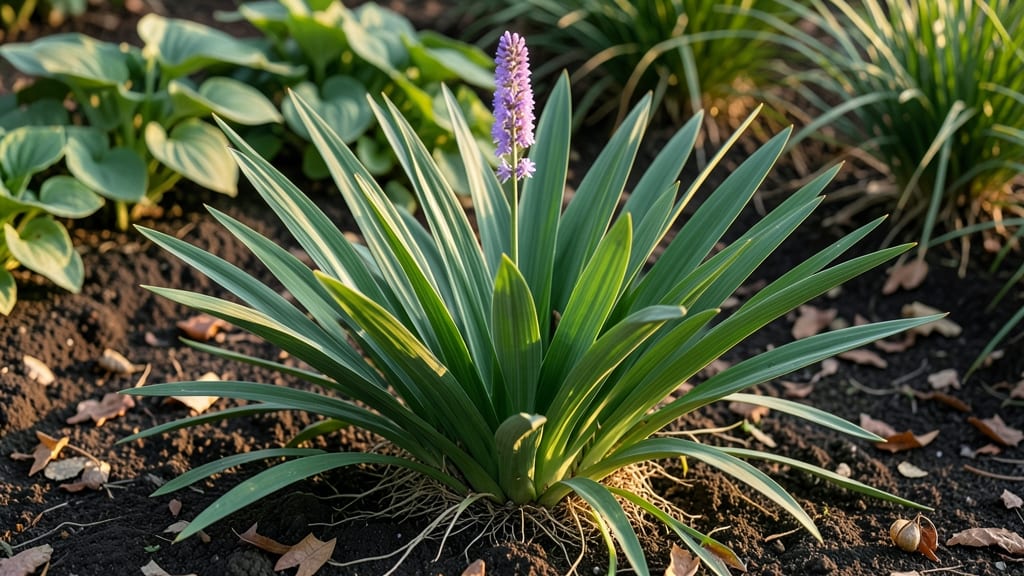
A monkey grass border transforms flower beds into lush, textured edges that grow wild with purpose—no pruning, no fuss, just year-round greenery that softens hard lines and adds movement. 🌿 I’ve used it to turn my backyard’s stark concrete borders into a living tapesture that hums with life even in winter, while keeping weeds at bay without herbicide.
The magic lies in pairing it with the right flowers: black-eyed Susans for summer cheer, heuchera for fall color, and snowdrops for early spring pops of white. Space the monkey grass 12–18 inches apart—close enough to fill gaps quickly but far enough to let sunlight reach your flowers.
It thrives in full sun to partial shade, so it’s the perfect border for almost any flower bed. By midsummer, your border will be a dense, swaying wall that catches the breeze and filters sunlight just enough to keep your blooms happy. The best part?
It grows 3–4 feet tall without needing a single trim, outcompeting weeds naturally while adding height and texture to your design. For extra drama, mix in ornamental grasses like fountain grass or little bluestem—they’ll echo the monkey grass’s movement while adding contrasting colors.
Just avoid planting anything too delicate right up against it; give your flowers a little breathing room to shine.
📚 In This Guide
- What you need
- Instructions
- Tips and common mistakes
- Wrapping up and next steps
What you need
- ● Monkey Grass (Liriope muscari or Liriope spicata): 10–20 plants (spaced 12–18 inches apart for a dense border)
- ● Choose varieties like 'Big Blue' or 'Silver Dragon' for striking contrast
- ○ Flowering Plants (Optional but Recommended): Perennials like black-eyed Susans, coneflowers, or daylilies (5–10 plants, depending on bed size)
- ● Annuals like impatiens or petunias for quick color (10–15 plants)
- ● Soil Amendments: 1–2 bags of compost (to enrich soil and improve drainage)
- ○ Optional: Slow-release fertilizer (10-10-10 ratio, 1 lb per 100 sq ft)
- ● Garden shovel or spade
- ● Garden trowel (for planting smaller flowers)
- ● Measuring tape (to mark spacing)
- ● Gloves (to protect your hands)
- ● Hose with spray nozzle or watering can
- ● Pruners (for shaping and trimming)
- ○ Optional: Mulch (2–3 inches of pine bark or shredded leaves) to retain moisture
- ● Full or partial sun exposure (6+ hours daily for best growth)
- ● Well-draining soil (amend if clay-heavy)
- ● Marked or pre-dug flower bed outline (use stakes and string for precision)
- ● Water source nearby (monkey grass thrives with 1 inch of water per week)
How to create a low-maintenance monkey grass border for privacy
This fast-growing, drought-tolerant grass creates instant privacy with almost no upkeep once established.
🌱 Step 1: Choose and Prepare Your Planting Location
Monkey grass thrives in full sun to partial shade, making it perfect for borders. Measure your space—you’ll need 2-3 plants per foot for a dense screen. Clear away weeds and debris, then loosen the soil to a depth of 6-8 inches with a garden fork. This helps roots spread quickly.
If your soil drains poorly, mix in 1 inch of compost to improve aeration. Monkey grass hates soggy roots, so avoid low spots where water pools. A slight slope actually helps excess water run off naturally.
🪴 Step 2: Dig Holes and Plant the Grass Clumps
Dig holes twice as wide as the root ball but only 1 inch deeper—burying too deep suffocates the crown. Space plants 12-18 inches apart for a full, lush look. Gently tease out the roots of each clump before placing it in the hole to encourage spreading.
Fill the holes with soil, pressing lightly to remove air pockets. Water deeply right after planting to settle the roots. You’ll see new shoots emerge within 2-3 weeks—that’s your sign the grass is happy and establishing.
☀️ Step 3: Water and Mulch for Fast Establishment
Keep the soil consistently moist for the first 4-6 weeks, watering 1-2 times per week depending on rainfall. Once established, monkey grass is drought-tolerant, but young plants need steady moisture to root deeply. Water at the base, not overhead, to prevent fungal issues.
Spread 2-3 inches of mulch around each plant (but not touching the crown) to retain moisture and suppress weeds. Use shredded bark or pine straw—both work well and break down slowly. This step cuts maintenance by 80% over time.
✂️ Step 4: Prune and Maintain for Year-Round Appeal
Cut back dead or brown fronds in early spring before new growth starts. Use clean, sharp shears to trim at the base—this encourages fresh, vibrant regrowth. If the grass gets too leggy, a light trim in late summer keeps it tidy without sacrificing density.
Fertilize once in early spring with a balanced, slow-release fertilizer (10-10-10 works well). Over-fertilizing leads to weak, floppy growth. After that, let it grow wild—monkey grass thrives on neglect once established.
⏰ Step 5: Enjoy Your No-Fuss Privacy Screen
Within 3-4 months, your border will fill in completely, blocking views and reducing noise. The arching fronds create natural movement, even in still air, adding texture and interest. Best of all? No mowing, no trimming, and no fuss—just vibrant green year-round.
Watch for spreaders: Monkey grass spreads slowly but steadily. If it encroaches where you don’t want it, simply dig up unwanted clumps in early spring. Otherwise, let it grow wild—it’s designed to be low-maintenance.
Tips & tricks for perfect monkey grass borders
These simple strategies will help you create a lush, low-maintenance privacy screen that thrives with almost no effort.
Location is Everything: Pay special attention to Step 1 when choosing your planting spot. While monkey grass handles partial shade, it truly thrives in full sun where it grows most vigorously. I've seen it struggle in deep shade—look for areas with at least 6 hours of direct sunlight daily. Also, avoid planting near large trees where roots might compete for nutrients or where falling leaves create thick mulch layers that suffocate the grass.
Root Care Matters: In Step 2, when planting, focus on proper root placement rather than depth. The crown should sit just above soil level—never buried. I learned this the hard way after burying too deep and watching my plants struggle. Tease out those roots thoroughly too; this encourages the grass to spread horizontally rather than staying compact. For extra insurance, add a handful of compost to each planting hole before backfilling with soil.
Watering Wisdom: During the critical 4-6 week establishment period in Step 3, consistency is key. I recommend using a soaker hose for deep watering at the base rather than overhead sprinklers. This prevents fungal issues and encourages deep root growth. A simple trick: water in the morning so leaves have time to dry before evening—this dramatically reduces disease risk. Once established, you'll be amazed how drought-tolerant this grass becomes.
Mulch Magic: Don't skip the 2-3 inches of mulch in Step 3—it's one of the secrets to low maintenance. I prefer pine straw because it breaks down slowly and has natural antifungal properties. Just remember to keep it 2-3 inches away from the crown to prevent rot. This mulch layer will suppress weeds by 80% and keep moisture levels perfect for those first few crucial weeks.
Pro Tips for Flower Bed Monkey Grass Border
- These simple strategies will help you create a lush, low-maintenance privacy screen that thrives with almost no effort.
- Location is Everything: Pay special attention to Step 1 when choosing your planting spot.
- Root Care Matters: In Step 2, when planting, focus on proper root placement rather than depth.
Frequently asked questions
What’s the best time of year to plant monkey grass for a border?
Plant monkey grass in early spring (after the last frost) or late summer (6–8 weeks before the first frost). This gives roots time to establish before extreme temperatures. For warmer climates, fall planting also works—just avoid winter’s chill!
How fast does monkey grass grow, and when will I see privacy?
Monkey grass grows 1–2 feet per year, but don’t wait! By 6–12 months, it’ll create a dense, lush screen. For faster results, plant in clumps 12–18 inches apart—this fills gaps quicker than single stems. Patience pays off, but it’s worth it!
Do I need to trim monkey grass, and how often?
Minimal trimming is needed! Cut back dead or leggy stems in early spring to encourage fresh growth. For a neater look, trim once a year in late winter (or after flowering). Avoid heavy pruning—monkey grass thrives on its wild, natural shape!
Can I use monkey grass as a border for other types of plants?
Monkey grass is perfect for edging flower beds, veggie gardens, or even walkways. Its tall, arching stems create a natural barrier while adding texture. Just keep it 1–2 feet from delicate plants to avoid shading them out.
Are there pests or diseases I should watch for with monkey grass?
Monkey grass is disease-resistant and pest-free in most cases! Rarely, you might spot aphids or spider mites—just hose them off with water. Overwatering can cause root rot, so ensure well-draining soil. Otherwise, it’s a low-maintenance superstar!
Will monkey grass survive in cold winters or hot summers?
This grass is hardy in USDA zones 5–10, meaning it handles both frost and heat like a champ. In colder areas, stems may brown in winter but regrow in spring. In hot climates, mulch the base to retain moisture—it’ll bounce back stronger than ever!
Pro Tip: Need a faster border? Mix monkey grass with bamboo or ornamental grasses for instant height and density!
Wrapping up and next steps
Creating a flower bed monkey grass border is your ticket to a stunning, low-maintenance privacy screen that thrives year-round! With its fast growth, lush texture, and minimal upkeep, this border delivers beauty without the fuss.
Whether you're a seasoned gardener or a beginner, monkey grass is your perfect partner for adding greenery and charm to your outdoor space.
Ready to transform your garden? Grab your supplies, follow the steps, and watch your vision come to life! 🌿✨ Start today—your future self (and your neighbors) will thank you!