
Pruning
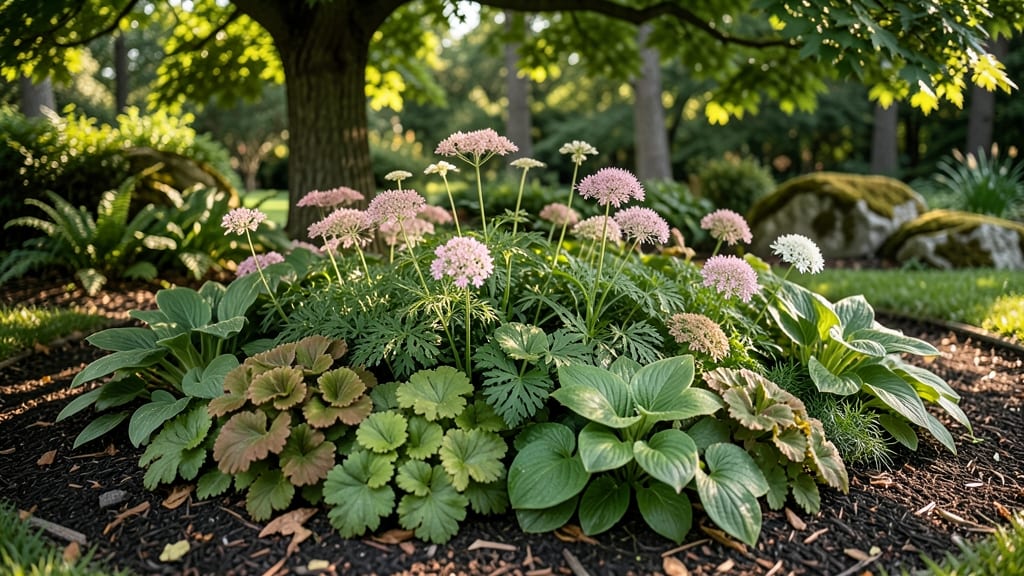
A flower bed under tree doesn't have to be a lost cause—it's where dappled light magic happens. 🌿 I've transformed shady spots into vibrant displays by choosing plants that thrive where others fade, proving that even under a tree's canopy, beauty is possible.
The secret lies in selecting shade-tolerant perennials like hostas, astilbes, and ferns that love filtered light. Add ground covers like creeping phlox or ajuga to fill gaps and suppress weeds, while mulching with wood chips keeps roots cool and conserves moisture.
Even with tree roots competing for space, these plants adapt beautifully. You'll end up with a lush, low-maintenance garden that blooms from spring through fall. The dappled sunlight creates a dreamy, ever-changing pattern as leaves shift with the breeze, making this spot the most enchanting part of your yard.
Works under any tree type—oaks, maples, or even fruit trees. Here's how to make it work without sacrificing your tree's health or your garden's beauty.
📚 In This Guide
- What you need
- Instructions
- Tips and common mistakes
- Wrapping up and next steps
What you need
- ● Soil amendments: 2–3 bags (20–40 lbs each) of compost or well-rotted manure to improve drainage and fertility.
- ● Mulch: Shredded bark, pine straw, or cocoa hulls (1–2 cubic yards) to retain moisture and suppress weeds.
- ● Dappled-light plants: 5–10 perennials or shrubs like hostas, heucheras, bleeding hearts, or ferns (check local climate zones).
- ● Ground cover: 10–20 plants of ajuga, sweet woodruff, or creeping phlox for texture and erosion control.
- ○ Edging material (optional): Flexible landscape fabric or stone borders to define the bed neatly.
- ● A garden fork or tiller for loosening soil.
- ● A shovel and hand trowel for planting.
- ● Pruning shears to trim plants and roots.
- ● A wheelbarrow for hauling soil/mulch.
- ● Gloves and knee pads for comfort.
- ● Watering can or hose with nozzle for post-planting care.
- ● Clear the area of debris, weeds, or invasive roots.
- ● Test soil pH (aim for 6.0–7.0 for most dappled-light plants).
- ● Choose a tree with moderate canopy coverage (avoid dense shade).
Step-by-step instructions for creating a flower bed under a tree
Here's how to transform shady spots into vibrant, low-maintenance displays that bloom year after year.
🌿 Step 1: Assess and Prepare the Space
Start by examining the tree's canopy to determine how much light reaches the ground. Most trees create dappled light—patchy sunlight that changes throughout the day. Measure the area and mark where sunlight hits at different times; this will guide your plant selection. Clear away existing weeds and debris, then outline your bed with a garden hose to visualize the shape.
Use a shovel to dig out the top 4-6 inches of soil, breaking up any compacted layers. This improves drainage and root growth. If your soil feels dense or clay-heavy, mix in 2-3 inches of compost to lighten it. The goal is loose, well-aerated soil that holds moisture without becoming waterlogged.
✂️ Step 2: Choose the Right Plants for Dappled Light
Select perennials and annuals that thrive in partial shade (2-6 hours of sunlight) or full shade (less than 2 hours). Some of my top picks include hostas for lush foliage, bleeding hearts for delicate blooms, and heucheras for vibrant leaves. For year-round interest, add ferns like maidenhair or Japanese painted fern, and evergreen ground covers such as creeping phlox or ajuga.
Group plants by their sunlight needs—place sun-lovers near the tree's edge where light filters through, and shade-tolerant varieties closer to the trunk. Space them 12-24 inches apart, depending on their mature size. This ensures they have room to grow without competing for resources.
💧 Step 3: Mulch and Water for Long-Term Success
Spread a 2-3 inch layer of mulch over the soil, keeping it 2-3 inches away from plant stems to prevent rot. Use shredded bark or pine needles for a natural look that also suppresses weeds. Mulch helps retain moisture and regulates soil temperature, which is especially important under trees where roots compete for water.
Water deeply once a week (or more often in hot weather) until the soil is moist 6 inches down. You'll know it's time to water again when the top 1-2 inches of soil feel dry. Avoid overhead watering, which can encourage fungal diseases. Instead, use a soaker hose or drip irrigation to deliver water directly to the roots.
☀️ Step 4: Maintain and Refresh the Bed Seasonally
In early spring, remove any dead foliage and add a fresh layer of mulch to protect new growth. This is also the time to divide overcrowded perennials, like hostas or astilbes, to keep them healthy. Fertilize lightly with a balanced, slow-release fertilizer (like 10-10-10) to encourage strong root development.
Throughout the growing season, monitor for pests like slugs or aphids, which love tender new growth. If you spot damage, treat it early with neem oil or soapy water spray. In fall, trim back spent blooms and add a layer of compost to replenish nutrients for next year.
Tips & tricks for perfect flower beds under trees
These little details make all the difference when creating a thriving garden oasis beneath your tree.
Soil Prep Secret: After digging out that 4-6 inch layer of soil, run your fingers through it—if it feels like packing clay, you absolutely need that 2-3 inch compost mix. I've seen gardens fail because people skipped this step, thinking their soil was fine. Trust me, roots will thank you for the extra aeration. The goal is soil that crumbles easily between your fingers, not clumps that hold together.
Plant Placement Pro Tip: When arranging your shade-loving plants, think of your tree's canopy like a clock. Place sun-loving varieties (like hostas) at the 12 o'clock position where light filters through most directly, and shade-tolerant plants (like ferns) closer to the 6 o'clock position near the trunk. This simple spatial strategy ensures every plant gets just the right amount of light it needs throughout the day.
Mulching Magic: That 2-3 inch layer of mulch isn't just decoration—it's a game-changer for moisture retention and temperature regulation. For extra weed suppression, I like to use shredded hardwood mulch rather than pine needles, as it breaks down more slowly. Just remember to keep it 2-3 inches away from stems to prevent rot. Pro move: Refresh your mulch every spring before new growth appears.
Watering Wisdom: The once-a-week watering guideline works perfectly in moderate climates, but here's the thing: in hot weather, you might need to water every 2-3 days. Always check that 6 inch depth—if it's dry, it's time. I use a simple screwdriver test: push it into the soil. If it comes out clean, water again. This method saves you from overwatering while keeping roots happy.
Pro Tips for Flower Bed Under Tree
- These little details make all the difference when creating a thriving garden oasis beneath your tree.
- Soil Prep Secret: After digging out that 4-6 inch layer of soil, run your fingers through it—if it feels like packing clay, you absolutely need that 2-3 inch compost mix.
- Plant Placement Pro Tip: When arranging your shade-loving plants, think of your tree's canopy like a clock.
Frequently asked questions
Got questions about creating or maintaining a flower bed under a tree?
You’re not alone! Here are some of the most common concerns—and their solutions—to help you craft a thriving, low-maintenance garden spot.
What are the best flowers for a dappled-light flower bed?
Opt for shade-tolerant perennials like heuchera (coral bells), hostas, astilbes, or bleeding hearts. For color pops, try impatiens or begonias in containers. Avoid sun-lovers like marigolds or lavender—they’ll struggle in filtered light.
When is the best time to plant under a tree?
Spring (after the last frost) or early fall are ideal. Avoid planting in summer heat or winter’s freeze. If your tree has shallow roots, wait until it’s dormant (late fall) to minimize competition. Pro tip: Amend the soil with compost before planting to give roots a nutrient boost!
How do I protect my flowers from tree roots?
Use root barriers (plastic or metal) if roots are aggressive, or plant in raised beds with well-draining soil. Mulch heavily (2–4 inches) to suppress weeds and retain moisture, but keep mulch away from the tree trunk to prevent rot.
Do I need to water differently under a tree?
Yes! Tree shade can dry out soil faster. Water deeply 2–3 times per week (or daily in extreme heat) and use drip irrigation to target roots. Avoid overhead watering to prevent fungal diseases like powdery mildew.
What if my flowers keep dying under the tree?
Check for competing roots, poor drainage, or pests (like slugs). Test soil pH—many shade plants prefer slightly acidic (6.0–6.5). If roots are smothering flowers, consider container gardening or relocating the bed to a sunnier spot.
Wrapping up and next steps
Creating a flower bed under a tree is a rewarding way to transform a shady spot into a vibrant, low-maintenance garden oasis! 🌿 By choosing the right plants, preparing the soil, and adding mulch, you’ll enjoy year-round beauty with minimal effort.
Whether you’re a seasoned gardener or just starting, this project is perfect for adding charm and life to your outdoor space.
Ready to get started? Sketch a simple design or grab your tools—your future dappled-light paradise is waiting! 🌸