
Flowers
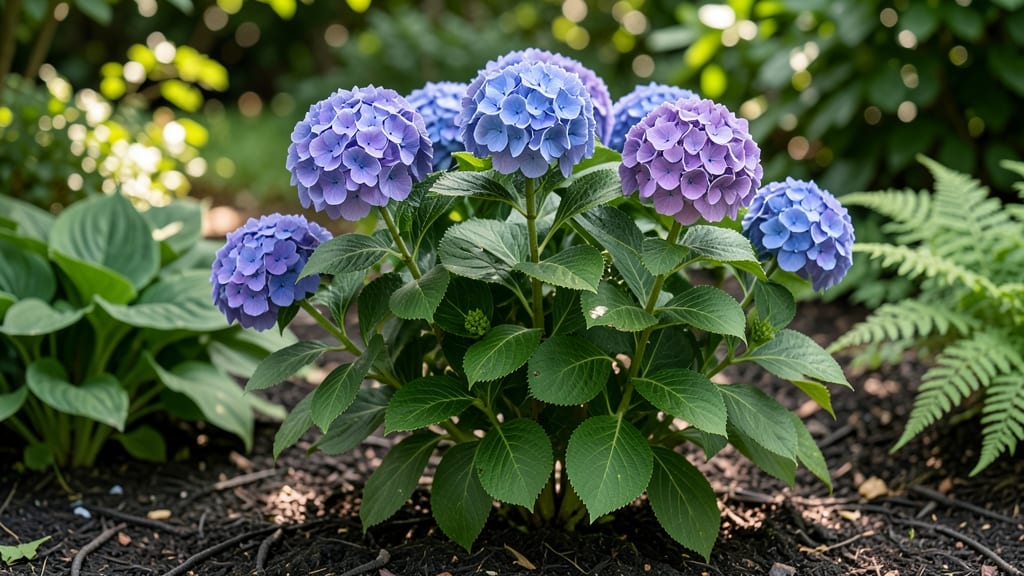
A flower bed with fountain transforms your yard into a serene retreat where water and blooms dance together. 🌸 I designed mine around a small tiered fountain that became the heart of the space, surrounded by drought-tolerant perennials that thrive with occasional misting.
The key was choosing plants that love moisture at their roots but can handle occasional dry spells above—like lavender, catmint, and ornamental grasses—that create a lush border while keeping maintenance simple.
The fountain placement makes all the difference—position it where you'll hear the water from your patio or deck, but avoid spots where wind would make the water spray everywhere.
My 24-inch-wide basin sits slightly elevated in the center, with plants arranged in concentric rings: moisture-loving irises closest to the water, then sun-tolerant salvias and finally drought-resistant sedum at the edges. The result? A garden that feels like a natural oasis, not a high-maintenance showpiece.
By summer, you'll have a space that hums with life—bees buzzing through the blooms, dragonflies skimming the water, and the scent of evening primrose filling the air. The fountain's gentle movement masks city noise, while the layered plants ensure color from spring through frost.
Even in winter, the skeletal grasses and evergreen shrubs keep the space interesting.
This design works for any size yard, from a tiny urban courtyard to a sprawling backyard. The fountain adds value beyond beauty—it attracts wildlife, cools the air on hot days, and creates a focal point that makes your garden feel like a destination.
Let's make yours the talk of the neighborhood!
📚 In This Guide
- What you need
- Instructions
- Tips and common mistakes
- Wrapping up and next steps
What you need
- ● Flower bed soil: 10–15 cubic yards (depending on bed size), enriched with compost (1–2 bags) for drainage and nutrients.
- ● Plants: Water-loving perennials: 5–10 plants (e.g., hostas, astilbes, or impatiens). Seasonal bloomers: 3–5 plants (e.g., daylilies, marigolds, or petunias). Foliage fillers: 3–5 plants (e.g., heucheras, ferns, or ornamental grasses).
- ○ Fountain components: 1 pre-formed pond liner (size matches bed dimensions + 6" overhang). 1 submersible pump (1,200–2,500 GPH, waterproof). 1 fountain kit (includes spout, tubing, and base—choose copper, stone, or ceramic). 1 water filter (optional but recommended for clarity).
- ● Digging tools: Shovel, garden trowel, and landscaping rake.
- ● Leveling: 4-foot level and measuring tape.
- ● Safety gear: Work gloves, knee pads, and eye protection.
- ● Extras: Hose with nozzle attachment for rinsing.
- ● String line and stakes for marking fountain placement.
- ● Waterproof adhesive (for securing liner edges).
- ● Lighting: Solar-powered LED lights (3–5) for evening ambiance.
- ● Decor: Smooth river rocks (5–10 lbs) or aquatic plants (e.g., water lilies) for texture.
- ● Maintenance: Pond vacuum and algae control tablets.
- ● Sound: Waterfall sound module (for added tranquility).
Step-by-Step instructions for designing a flower bed with fountain
Here's how to create a harmonious water feature that anchors your garden year-round.
🪴 Step 1: Plan the Layout and Excavate the Space
Start by sketching your fountain placement on paper, considering both visual appeal and practicality. I like to position fountains where they become the natural focal point—often near seating areas or garden paths. Mark the fountain's footprint with stakes and string, then dig out the area to a depth of 8-12 inches, depending on your fountain's height requirements.
For a 4-foot diameter fountain, you'll need to excavate roughly 12 square feet of space. Remove any rocks or roots, and level the bottom with a tamper. This ensures your fountain sits evenly and won't tilt after installation. I always add a 4-inch layer of compacted gravel at the bottom to improve drainage and prevent soil erosion around the fountain's base.
☀️ Step 2: Install the Fountain and Plumbing
Place your fountain in the excavated area and adjust the position until it looks balanced within your design. Most pre-formed fountains come with assembly instructions, so follow those carefully. For a pre-cast stone fountain, you'll typically need to connect the pump and plumbing kit provided with your purchase.
Run the pump's electrical cord or water line to a nearby outlet or water source, keeping it hidden beneath mulch or buried in a trench. If you're using a submersible pump, ensure it's fully submerged in water before turning it on. Test the fountain by filling it with water and running the pump—adjust the flow rate until you achieve a gentle, soothing sound. This is the moment that matters: you want a sound that blends seamlessly with your garden's ambiance, not overpower it.
🌱 Step 3: Prepare the Flower Bed Soil and Plantings
Fill the remaining space around the fountain with a mix of topsoil and compost, creating a gentle slope away from the fountain to prevent water runoff. I like to add a 2-inch layer of organic mulch over the soil to retain moisture and suppress weeds. For a 4-foot diameter bed, you'll need about 1 cubic yard of soil mix.
Choose plants that thrive in moist conditions but won't clog your fountain's filter. I recommend a combination of marginal plants like hostas or astilbes near the fountain's edge and drought-tolerant perennials like lavender or Russian sage toward the outer edges. Space plants according to their mature size—typically 12-24 inches apart—to allow for air circulation and easy maintenance. Here's the thing: moisture-loving plants near the fountain will need more frequent watering, while drought-tolerant varieties will thrive with minimal care.
💧 Step 4: Add Finishing Touches and Maintain
Surround the fountain with decorative stones or edging to define the flower bed and prevent soil from eroding into the water. I often use flat river rocks or pavers to create a clean, polished look. Water the plants thoroughly after installation, then mulch again to lock in moisture. For the first 2-3 weeks, check the soil daily to ensure it stays evenly moist—you'll see new growth within 3-4 weeks if everything is right.
To keep your fountain running smoothly, clean the pump and filter every 2-4 weeks during the growing season, and winterize it before the first frost. I know it seems like extra work, but a well-maintained fountain will provide years of tranquil beauty. Adjust your plantings seasonally—swap out summer annuals for hardy perennials in fall, and add spring bulbs like daffodils or tulips for early color. This ensures your flower bed remains vibrant and inviting year-round.
Tips & tricks for perfect flower bed with fountain
Creating a stunning water feature takes thoughtful planning—here's how to avoid common pitfalls and elevate your garden's focal point.
Design First, Dig Second: Before breaking ground, walk through your garden at different times of day to observe how sunlight and shadows shift. I've learned the hard way that a fountain placed in full afternoon sun can create harsh reflections that disrupt the tranquil ambiance. Position your fountain where it receives gentle morning light for that perfect serene glow.
Drainage is Non-Negotiable: The 4-inch layer of compacted gravel in Step 1 isn't just about stability—it's your fountain's lifeline. If you're working with clay soil, consider adding a perforated drain pipe wrapped in landscape fabric at the base before adding gravel. This prevents water from pooling around the fountain's base, which can cause erosion and make maintenance a nightmare.
Plant Selection Strategy: When choosing your moisture-loving plants for near the fountain, opt for varieties with deep root systems like hostas or astilbes—they'll help stabilize the soil around your water feature. For the outer edges, I recommend Russian sage over lavender because it handles occasional dry spells better while still providing that signature purple hue. The 12-24 inch spacing isn't arbitrary: it gives plants room to flourish without competing for water from the fountain.
Seasonal Soundscapes: The gentle sound you achieve in Step 2 should evolve with the seasons. During warmer months, you can increase the flow rate slightly for a more lively sound, then reduce it in fall to match the quieter ambiance. Pro tip: add a few smooth river rocks around the fountain's base—they'll amplify the water sounds naturally without needing electrical enhancements.
Pro Tips for Flower Bed With Fountain
- Creating a stunning water feature takes thoughtful planning—here's how to avoid common pitfalls and elevate your garden's focal point.
- Design First, Dig Second: Before breaking ground, walk through your garden at different times of day to observe how sunlight and shadows shift.
- Drainage is Non-Negotiable: The 4-inch layer of compacted gravel in Step 1 isn't just about stability—it's your fountain's lifeline.
Frequently asked questions
Got questions about creating or maintaining a flower bed with fountain? You’re not alone!
Here are some of the most common inquiries—plus practical answers to help you design a serene, functional water feature that thrives all year.
How deep should the fountain basin be to prevent mosquitoes?
A fountain basin should be at least 12–18 inches deep to deter mosquitoes. If you’re concerned about standing water, add a small solar-powered fountain pump (even a gentle trickle disrupts breeding cycles) or include a few mosquito fish (gambusia)—they’re natural predators! For extra peace of mind, clean debris weekly and consider a submersible UV light.
When is the best time to install a flower bed with fountain?
Spring or early fall are ideal—spring lets plants establish roots before summer heat, while fall avoids winter frost damage. Avoid installing in peak summer (risk of drought stress) or deep winter (frozen ground). If you’re adding a pre-planted bed, water it thoroughly for 3–5 days before installation to reduce transplant shock.
What are low-maintenance plants that thrive near fountains?
Opt for drought-tolerant, humidity-loving plants like:
- Hostas (shade, lush foliage)
- Astilbes (feathery plumes, partial sun)
- Hydrangeas (thrive in moist soil)
- Japanese iris (elegant, water-adaptive)
- Fern varieties (e.g., Osmunda cinnamomea)
Avoid delicate annuals (like petunias) unless you’re okay with frequent deadheading. Pro tip: Mulch with 3–4 inches of organic mulch (cedar or pine) to retain moisture and suppress weeds.
Why is my fountain pump making noise or not working?
Common fixes for a noisy or malfunctioning pump:
- Air in the lines: Run the pump for 5–10 minutes to purge air.
- Clogged intake screen: Turn off power, remove the screen, and rinse debris with water.
- Low water level: Ensure the basin is filled to the pump’s recommended level (check the manual).
- Power issues: Test the outlet with another device or replace the cord if frayed.
- Worn impeller: If noise persists, the impeller may need replacement (DIY-friendly or call a pro).
Safety first: Always unplug the pump before cleaning!
Can I DIY a flower bed with fountain on a budget?
Start with a preformed pond liner ($50–$150) instead of custom concrete, and use recycled materials like:
- Bricks or pavers (for edging)
- Salvaged stones (for fountain tiers)
- Thrifted pots (as planters)
For the fountain, a $30–$80 submersible pump from a hardware store works well. Skip expensive statues—opt for natural rocks or driftwood for a rustic look. Pro tip: Check local "free" sections (Facebook Marketplace, Craigslist) for gently used water features!
Wrapping up and next steps
A flower bed with fountain isn’t just a stunning addition to your garden—it’s a serene retreat that blends nature’s beauty with soothing water sounds. Whether you’re a seasoned gardener or just starting, this project offers endless creativity and tranquility for all seasons.
Ready to transform your outdoor space? Start small—sketch your design, gather your tools, and let your garden become a peaceful oasis. 🌸💦 Take the first step today!