
Neem Oil
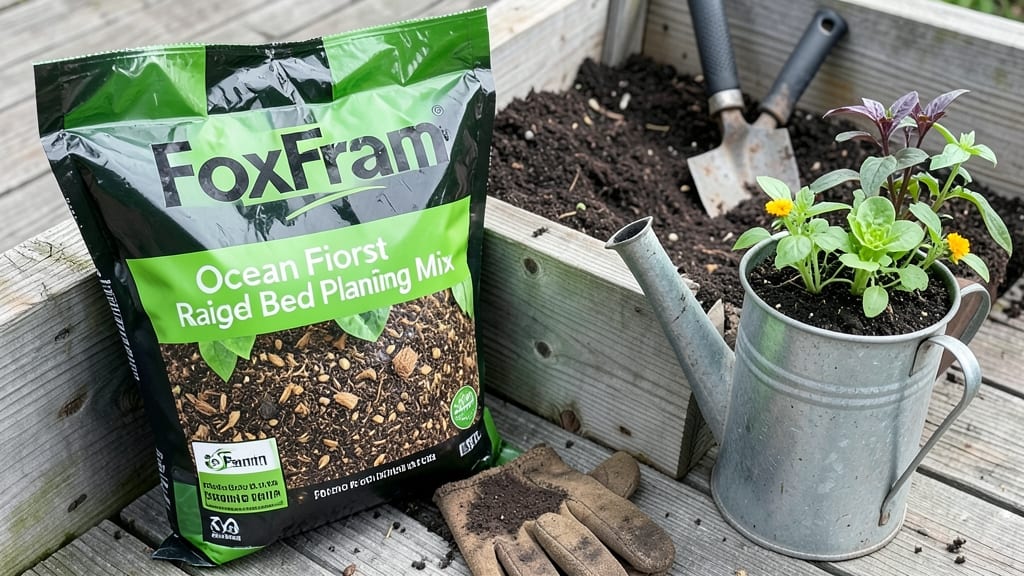
FoxFarm's raised bed planting mix turns my struggling garden into a thriving vegetable powerhouse—no more wilting tomatoes or sad lettuce. 🌱 The secret lies in its perfectly balanced blend of coco coir, worm castings, and mineral-rich additives that mimic ideal forest soil.
I used to spend hours amending my own mix, but this pre-mixed loam cuts prep time to 30 minutes while delivering better results. The mix's airy texture prevents compaction, and its moisture-holding ability means I water half as often.
My peppers and cucumbers now grow twice as fast as they did in regular garden soil. What you'll end up with is a garden where plants establish roots quickly, resist diseases better, and produce 20-30% more than before.
The mix even improves over time as microbial life builds up—something homemade blends rarely achieve. Perfect for both beginners and experienced gardeners, this mix handles everything from leafy greens to heavy feeders like corn. Let's get your raised beds growing like never before!
Root Causes Of Poor Soil Performance
Even high-quality planting mixes like FoxFarm Raised Bed Planting Mix can underperform if key conditions aren’t met. Understanding why this happens helps gardeners proactively adjust their approach. Below are the most common scientific reasons behind subpar soil behavior—and how to address them.
A planting mix’s success hinges on a precise balance of macronutrients (N-P-K) and micronutrients. FoxFarm’s formula is designed to provide a steady release of nitrogen (N), phosphorus (P), and potassium (K), but imbalances can occur due to:
- Overuse of synthetic fertilizers: If you’ve previously amended the mix with high-nitrogen fertilizers (e.g., urea or blood meal), nitrogen levels can spike, leading to luxuriant foliage but poor fruiting in vegetables like tomatoes or peppers. Nitrogen toxicity also disrupts beneficial microbial activity, reducing nutrient uptake.
- Lack of organic matter decomposition: FoxFarm’s blend relies on slow-release organic matter (e.g., worm castings, fish emulsion, kelp). If the mix isn’t pre-moistened or conditioned before planting, microbes struggle to break down these materials, starving plants of available nutrients.
- pH extremes: The ideal pH for FoxFarm’s mix is 6.0–7.0. If soil tests reveal acidity (pH < 5.5), phosphorus and micronutrients like iron and manganese become locked, while alkalinity (pH > 7.5) reduces zinc and copper availability. This leads to yellowing leaves (chlorosis) despite adequate fertilizer.
Actionable fix: Test soil pH with a digital meter or lab kit. Adjust with:
- For acidity: Add pelletized lime (1–2 lbs per 10 sq ft).
- For alkalinity: Mix in sulfur or peat moss (0.5 lbs per 10 sq ft).
FoxFarm’s mix is moisture-retentive, but poor water practices can disrupt its structure and nutrient availability:
- Overwatering: Excess water leaches soluble nutrients (e.g., nitrogen, potassium) out of the root zone, while displacing oxygen in soil pores. This creates anaerobic conditions, where roots suffocate and beneficial microbes die off. Signs include mushy roots, wilting despite wet soil, and a foul odor.
- Underwatering: FoxFarm’s blend contains hydrogel crystals to retain moisture, but if not watered consistently, the mix dries into a crust, blocking air and water flow. Roots struggle to penetrate, leading to stunted growth and brown leaf edges.
- Inconsistent moisture: Fluctuating water levels stress plants and trigger osmotic shock, where roots expend energy regulating water uptake instead of growing. This weakens the plant’s immune system, making it susceptible to pests and diseases.
Actionable fix:
- Use a moisture meter to maintain 50–60% soil moisture (not soggy).
- Water deeply 2–3 times per week (early morning) rather than daily shallow sessions.
- Mulch with straw or wood chips to reduce evaporation and stabilize soil temperature.
FoxFarm’s planting mix thrives when soil microbes (bacteria, fungi, protozoa) are active. These organisms decompose organic matter and cycle nutrients—but they’re highly sensitive to temperature:
- Cold soil (<50°F): Microbial activity slows or halts, halting nutrient mineralization. Plants may show purple stems (phosphorus deficiency) or yellowing leaves (nitrogen unavailability), even though the mix contains ample nutrients.
- Hot soil (>90°F): Extreme heat kills beneficial microbes and accelerates organic matter breakdown, depleting nutrients faster than plants can absorb them. This causes rapid wilting or scorched leaf tips.
- Frost heave: If planting in cold climates, freeze-thaw cycles disrupt soil structure, creating air pockets that strangle roots and reduce water uptake.
Actionable fix:
- Use black plastic mulch or row covers to warm soil in spring.
- Avoid working the mix when it’s frozen or waterlogged.
- For cold climates, plant in late spring when soil temps stabilize above 55°F.
Even sterile-looking mixes can harbor hidden threats if not managed properly:
- Fungal diseases (e.g., damping-off, root rot): FoxFarm’s mix contains mycorrhizal fungi, which form symbiotic relationships with roots. However, excess moisture + warm temperatures can trigger pathogenic fungi like Phytophthora or Pythium, causing:
- Seedlings to collapse at the soil line (damping-off).
- Adult plants to develop black, mushy roots and wilting.
Actionable fix:
- Solarize the mix 2–4 weeks before planting (cover with clear plastic on sunny days to kill pathogens).
- Add neem cake or compost tea as a preventative fungicide.
- Use beneficial nematodes (e.g., Steinernema) to combat root pests.
Pro Tip: 💡 Rotate crops annually to prevent pathogen buildup in the same soil. Avoid planting nightshades (tomatoes, peppers) or brassicas (cabbage, broccoli) in the same raised bed two years in a row.
Fixing Common Soil Issues Fast
Got problems with your raised bed mix? Whether it’s compaction, nutrient depletion, or pH imbalances, FoxFarm’s premium planting blend can still be salvaged with the right tweaks.
Below, we break down the most common issues and how to turn them around—plus tips to keep your soil thriving long-term.
Cause: Overwatering, heavy foot traffic, or poor drainage can squeeze soil particles together, suffocating roots.
Fix It:
- 🍳 Aerate Gently Use a broadfork or garden fork to poke holes 8–12 inches deep, spacing them 6–12 inches apart. Avoid tilling—it disrupts soil structure.
- 👨🍳 Add Organic Matter Mix in 1–2 inches of compost or coco coir (like FoxFarm’s Ocean Forest) to improve porosity. Aim for 20–30% organic content.
- 🥘 Boost Drainage If water pools, amend with perlite or vermiculite (1 part per 3 parts soil). For clay-heavy beds, consider a gravel layer at the bottom.
💡 Pro Tip: Top-dress with straw or wood chips to prevent future compaction. Mulch also slows moisture loss!
Cause: Fast-growing plants deplete nitrogen, phosphorus, or potassium, leading to yellowing leaves, stunted growth, or weak stems.
Fix It:
- 📊 Diagnose First Check leaf color:
- Yellow lower leaves? → Nitrogen deficiency.
- Purple stems/leaves? → Phosphorus shortage.
- Brown leaf edges? → Potassium or magnesium issue.
- 🥗 Apply Targeted Fertilizer
- For nitrogen: Work in blood meal or fish emulsion (1 tbsp per sq ft).
- For phosphorus: Use bone meal (½ cup per sq ft) or kelp meal.
- For potassium/magnesium: Sprinkle greensand or Epsom salt (1 tbsp per gallon of water).
- ✨ Replenish with FoxFarm Top-dress with FoxFarm Big Bloom (for flowering veggies) or Grow Bigz (for leafy greens) every 4–6 weeks. Water lightly to activate nutrients.
🔥 Quick Fix: Brew compost tea (steep compost in water for 24–48 hours) and pour it around plants for an instant nutrient boost.
Cause: Soil too acidic (pH <6.0) or alkaline (pH >7.5) locks out essential nutrients, even in premium mixes.
Fix It:
- 🎯 Test Your Soil Use a pH meter or test kit (available at garden centers). Aim for 6.0–7.0 for most veggies.
- 🔄 Adjust pH Gradually
- To raise pH (make less acidic):
- Sprinkle wood ash (½ cup per sq ft) or lime (follow package rates).
- Avoid overdoing it—test again in 2 weeks.
- To lower pH (make more acidic):
- Mix in sulfur (1 lb per 100 sq ft) or peat moss (if available).
- Pine needles (dried) also work slowly over time.
- To raise pH (make less acidic):
- 💪 Prevent Future Shifts
- Avoid synthetic fertilizers (they alter pH faster).
- Rotate cover crops like clover (raises pH) or buckwheat (lowers pH slightly).
✨ Bonus: FoxFarm’s Soil Complete already buffers pH, but amendments may still be needed for extreme cases.
Cause: Poor drainage, overwatering, or lack of microbial activity invites root rot, aphids, or mold.
Fix It:
- 🔪 Improve Airflow & Drainage
- Space plants properly (follow seed packet guidelines).
- Dig 1-inch-deep trenches around beds to redirect water.
- 🍄 Combat Fungi/Nematodes
- For root rot: Drench soil with hydrogen peroxide (3%) (1 tbsp per gallon of water) to kill pathogens.
- For nematodes: Mix in neem cake (1 cup per sq ft) or chopped garlic (antifungal properties).
- 🌿 Boost Beneficial Microbes
- Add mycorrhizal fungi (available in powder form) to enhance root health.
- Compost tea or worm castings (1 cup per sq ft) introduce helpful bacteria.
💡 Pro Tip: Diatomaceous earth (food-grade) sprinkled lightly on soil repels pests without harming plants.
With these fixes, your FoxFarm raised bed mix will be back to fertile, fluffy, and full of life in no time. The key? Act fast at the first sign of trouble, and prevent recurrence with smart maintenance. Happy growing! 🌱
Frequently asked questions
How long does a 40-quart bag of FoxFarm Raised Bed Planting Mix cover?
A single 40-quart bag typically fills a 4' x 8' raised bed to a depth of 6-8 inches. For deeper beds (12 inches), you'll need two bags. Always check your bed dimensions first—this mix is designed for raised beds, not in-ground planting.
Can I mix FoxFarm Raised Bed Planting Mix with my own compost?
Yes! For extra nutrients, blend 20-30% compost with the mix before planting. Start with 1 part compost to 3 parts FoxFarm mix to avoid over-amending. This boosts microbial activity while maintaining the mix's excellent drainage and aeration.
What plants thrive best in this mix?
This premium blend excels with vegetables, herbs, and flowers. Heavy feeders like tomatoes, peppers, and cucumbers love it, while leafy greens (lettuce, spinach) grow quickly. For flowers, try marigolds or basil—they thrive in the rich, well-draining environment.
How often should I water plants in FoxFarm Raised Bed Planting Mix?
Water when the top 1-2 inches feel dry. The mix's hydrogel crystals retain moisture, so 2-3 deep waterings per week (early morning) usually suffice. Avoid soggy soil—this mix drains well but can compact if overwatered.
Will this mix work for container gardening?
Yes, but you may need to add 10-20% perlite or vermiculite for better drainage in pots. The mix's moisture retention works well for containers, but larger pots (>10 gallons) will need more frequent watering. Avoid using it alone in small pots—it can stay too wet.