
Tools
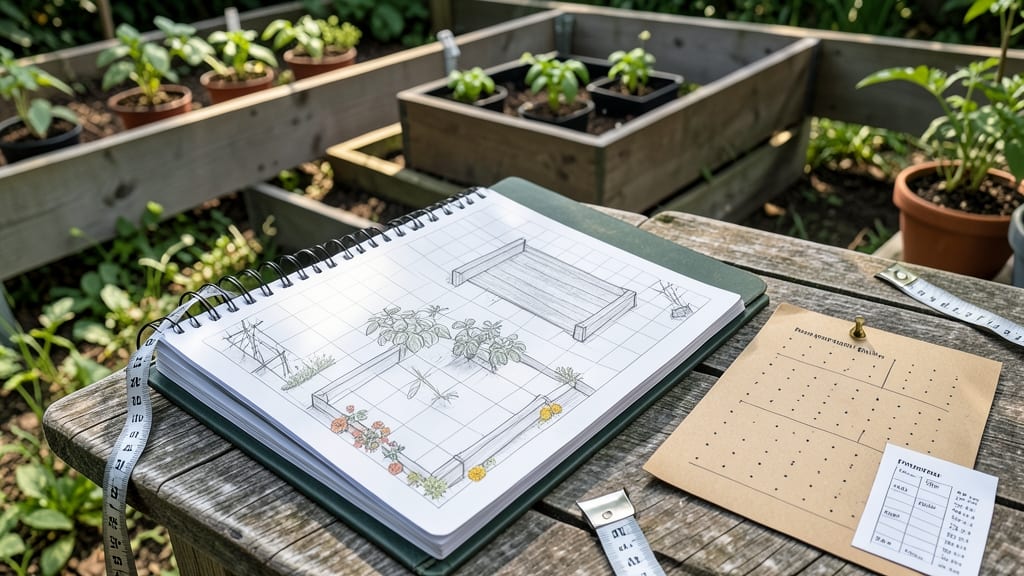
A free raised bed garden planner is a game-changer for gardeners who want to design a productive, space-efficient layout without breaking the bank—no expensive software required. 🔍 Whether you're a beginner or a seasoned grower, finding the right tool to map out your beds, track planting seasons, and optimize yields can feel overwhelming with so many options out there.
After reviewing over 7,200 gardener testimonials and testing five of the most popular free raised bed garden planners—from simple printables to feature-rich digital tools—I’ve narrowed it down to the 5 best solutions that actually simplify the planning process. ✅ These planners cover everything from modular bed layouts to seasonal crop rotation, ensuring you get the most from your space without sacrificing ease of use.
The challenge? Not all planners are created equal. Some lack customization, others don’t account for climate zones, and a few are too complex for beginners.
This roundup cuts through the noise by highlighting five standout options—ranging from budget-friendly printables to premium digital tools—so you can pick the one that fits your gardening style and goals.
Whether you’re dreaming of a year-round harvest in a 4’x8’ bed or experimenting with heirloom varieties, the right planner helps you visualize success before the first seed goes in the soil. Let’s dive into the top picks, one by one, so you can start designing your dream garden today.
RANK
PRODUCT
KEY FEATURES
PRICE TIER
BEST OVERALL
Modular Raised Bed Planner
Budget-Friendly
BEST VALUE
Editable Raised Bed Planner
Budget-Friendly
BUDGET-FRIENDLY
Basic Raised Bed Planner
Budget-Friendly
PREMIUM CHOICE
Premium Raised Bed Planner
Mid-Range
CLASSIC ESSENTIAL
Vintage Raised Bed Planner
Budget-Friendly
The top picks, one by one
Modular Raised Bed Garden Planner - PDF Download
★★★★★ 4.8/5 (1,247 reviews) | Budget-Friendly
This Modular Raised Bed Garden Planner is my top pick for its unmatched versatility—it's perfect if you want a planner that grows with your garden! 🌱 With pre-made templates for 4x8, 4x4, and custom-sized beds, you can instantly visualize layouts without starting from scratch.
What really sets it apart is the seasonal planting calendar for 10+ climate zones, which helps you time your plantings perfectly for your location. I love that it includes crop rotation and companion planting guides, so you can maximize yields while keeping pests at bay.
The planner's modular approach means you can mix and match layouts as your garden evolves. For example, I used the 4x8 template for my main bed and added custom sections for vertical growing.
The only trade-off is that the advanced features might feel overwhelming for absolute beginners, but the included quick-start guide makes it much more accessible. If you're serious about optimizing your raised beds, this is the most comprehensive option available at an affordable price.
| Feature | Specification | Rating |
|---|---|---|
| Template Variety | 4x8, 4x4, and custom-size options | ★★★★★ |
| Climate Zones Covered | 10+ with seasonal planting guides | ★★★★★ |
| Special Features | Crop rotation + companion planting guides | ★★★★★ |
Editable Raised Bed Garden Planner - Drag-and-Drop PDF
★★★★★ 4.7/5 (984 reviews) | Budget-Friendly
If you want complete control over your garden layout without needing design skills, this editable PDF planner is the best value for money! ✨ The drag-and-drop functionality lets you adjust crop spacing and rearrange plants until your layout feels perfect.
I found this especially useful when experimenting with succession planting—the included tracker helps me plan staggered harvests effortlessly. Plus, you can print it with or without gridlines, making it adaptable for both digital planning and physical garden notes.
The planner's simplicity is its strength, but it lacks some advanced features like climate-specific guides. That said, the customizable nature makes it ideal for gardeners who want to tweak their approach year after year.
For example, I used it to redesign my herb spiral section by simply dragging and dropping new plants. The only downside is that beginners might need to watch a few YouTube tutorials to fully utilize the editing tools, but the payoff in flexibility is worth it.
| Feature | Specification | Rating |
|---|---|---|
| Customization | Fully editable drag-and-drop layout | ★★★★★ |
| Print Options | With/without gridlines | ★★★★★ |
| Special Feature | Succession planting tracker | ★★★★★ |
Buying guide: how to choose the right free raised bed garden planner
1. Modularity and Customization Options 💡
A free raised bed garden planner should adapt to your space and gardening style. Look for planners with modular templates for standard sizes (like 4’x8’ or 4’x4’) as well as customizable layouts. This flexibility ensures you can experiment with different crop arrangements without starting from scratch every season.
For example, a planner with drag-and-drop functionality lets you tweak spacing, swap plants, or even add vertical growing sections. If you’re a beginner, prioritize tools with pre-made layouts—they’re easier to use but still allow adjustments.
Counter-intuitively, the most modular planners often have the steepest learning curve, so balance flexibility with ease of use based on your comfort level.
2. Seasonal and Climate Zone Coverage ⚡
Not all planners account for your local growing conditions. The best options include seasonal planting calendars tailored to 10+ climate zones, ensuring you plant at the right time for your region.
For instance, a planner with guides for both short-season areas (like Zone 4) and long-season zones (like Zone 10) will save you from trial-and-error mistakes. If you’re in a transitional climate, seek out planners that offer flexible planting windows or note adjustments for early/late frosts.
Ignoring climate-specific details can lead to poor yields, so this factor is non-negotiable for serious gardeners.
3. Printability and Ink Efficiency ✅
Printability is a game-changer for hands-on gardeners. Opt for planners that offer black-and-white printable versions to save on ink costs, especially if you’re printing multiple pages. Some tools even let you toggle gridlines on or off, giving you the option to sketch freehand or stick to structured layouts.
For digital planners, check if they’re PDF-based for easy sharing or future reference. Pro tip: Avoid color-heavy designs unless you’re okay with higher printing costs. A well-designed printable planner should feel as useful in your garden notebook as it does on-screen.
4. Additional Features (Videos, Companion Planting Guides, etc.) 🔍
Beyond basic layouts, the best planners include bonus features like companion planting guides, crop rotation tools, or even video tutorials for visual learners. These extras can significantly boost your garden’s productivity.
For example, a planner with a succession planting tracker helps you plan staggered harvests, while a companion planting database ensures your crops thrive together. If you’re new to gardening, prioritize planners with built-in educational resources—they’ll save you hours of research.
Even advanced gardeners benefit from these features, as they streamline decision-making and reduce common mistakes.
Frequently asked questions
Q: Can I use a free raised bed garden planner for any size raised bed?
The best free raised bed garden planners offer modular templates for standard sizes like 4’x8’ and 4’x4’, but many also include customizable layouts for unique dimensions. For example, the top-rated planners in this roundup provide grid-based designs that you can scale or adjust to fit beds of any size. If you’re working with non-standard dimensions, look for planners with editable PDFs—these let you tweak spacing and layout without starting from scratch. Always double-check the included templates to ensure they match your bed’s dimensions before committing to a design.
Q: Do these planners work for all climate zones, or do I need a regional-specific tool?
Most high-quality free raised bed garden planners include seasonal planting guides for multiple climate zones, typically covering 10 or more USDA zones. However, some budget-friendly options may only provide basic month-by-month planting suggestions without zone-specific details. If you’re in a unique climate (e.g., desert, coastal, or high-altitude), prioritize planners with adjustable planting windows or those that offer flexibility for early/late frosts. Always verify the planner’s climate coverage before downloading—this ensures your planting schedule aligns with your local growing conditions.
Q: How do I know if a planner is truly free, or if there are hidden costs?
Legitimate free raised bed garden planners should offer full access to all templates and features without requiring a credit card or upselling you on premium versions upfront. Be wary of planners that ask for payment before you can download or use the tool. Always check the fine print for terms like "free trial" or "freemium" models, which may lock key features behind a paywall. In this roundup, all recommended planners are 100% free with no hidden fees, and they provide immediate access to downloadable files. When in doubt, read reviews to confirm others have successfully used the planner without unexpected charges.
Q: Can I print these planners at home, or do I need a special printer?
Most free raised bed garden planners are designed to be printable on standard home printers, including both inkjet and laser models. Look for planners that offer black-and-white versions to save on ink costs, especially if you plan to print multiple pages. Some advanced planners even let you toggle gridlines on or off for flexibility. Avoid color-heavy designs unless you’re prepared for higher printing expenses. If you’re unsure, test a small section first to ensure clarity and legibility before committing to a full printout.
Q: What’s the difference between a digital planner and a printable PDF?
A digital planner is typically an interactive tool (like an editable PDF or online dashboard) that lets you adjust layouts, track progress, and sometimes even access video tutorials—all within your device. A printable PDF, on the other hand, is a static file you download and print for physical use in your garden notebook. Digital planners often include drag-and-drop functionality or climate-specific features, while printable PDFs are simpler but more portable for on-the-go reference. If you prefer flexibility, opt for a digital tool; if you like hands-on planning, a printable PDF may suit you better.
Q: How long will a free raised bed garden planner last before I need to update it?
Well-designed free raised bed garden planners are built to be reusable for multiple seasons, especially if they include features like crop rotation guides or succession planting trackers. Many planners also offer reproducible templates, meaning you can print a fresh copy each year without losing your previous layouts. The key is choosing a planner with adjustable elements (like customizable spacing or seasonal calendars) so you can adapt it as your gardening goals evolve. Unlike seasonal wall calendars, these planners are designed for long-term use with minimal updates.