
Landscaping
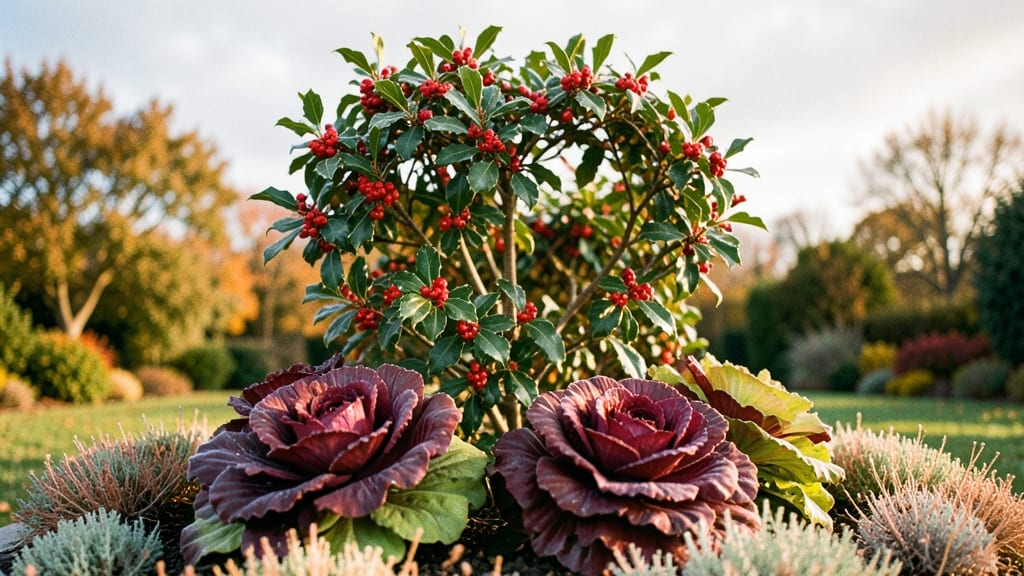
Fall flower beds bring warmth and texture to your front yard while supporting bees, butterflies, and hummingbirds. These 10 pollinator-friendly designs combine seasonal blooms, foliage, and structural plants for year-round interest—even after the leaves change.
Sunny Black-Eyed Susan Meadow Mix
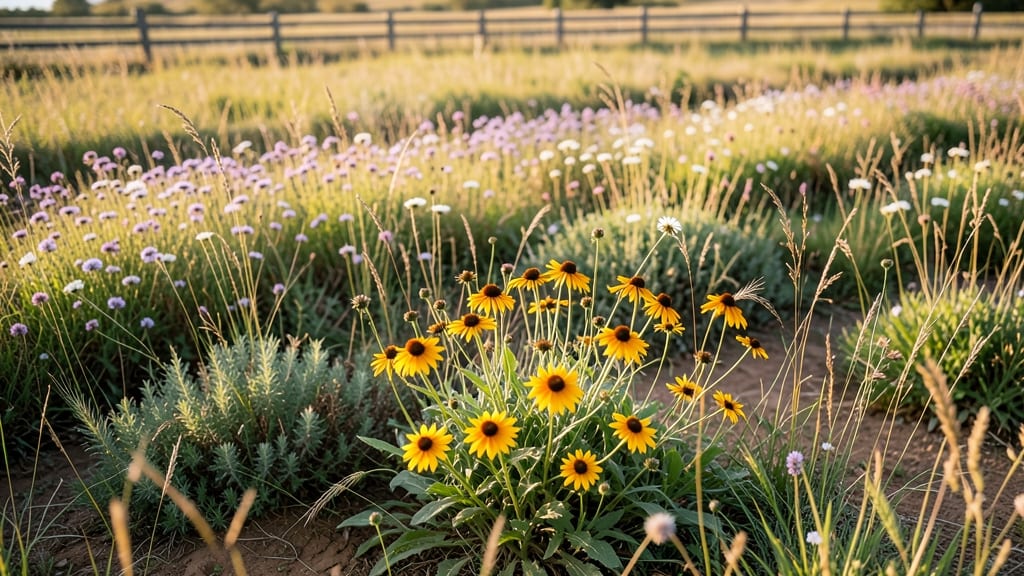
Skip the high-maintenance garden and create a low-fuss meadow that thrives on neglect. The Sunny Black-Eyed Susan Meadow Mix combines cheerful Rudbeckia hirta with native grasses and wildflowers to deliver drought-tolerant beauty that blooms from summer through frost—perfect for front yards that need color without the upkeep.
This pollinator magnet mix includes coneflowers, asters, and goldenrod to attract monarchs, bees, and butterflies while requiring no fertilizers or weekly watering. Plant in full sun (6+ hours daily) and let it grow wild—mow once in late fall to tidy up. The self-seeding varieties ensure your meadow returns year after year with minimal effort.
Ideal for small spaces, beginners, or urban yards, this mix replaces boring lawn with a vibrant, wildlife-friendly alternative that still looks intentional. 🌻
Autumn Joy Sedum Border with Ornamental Grasses
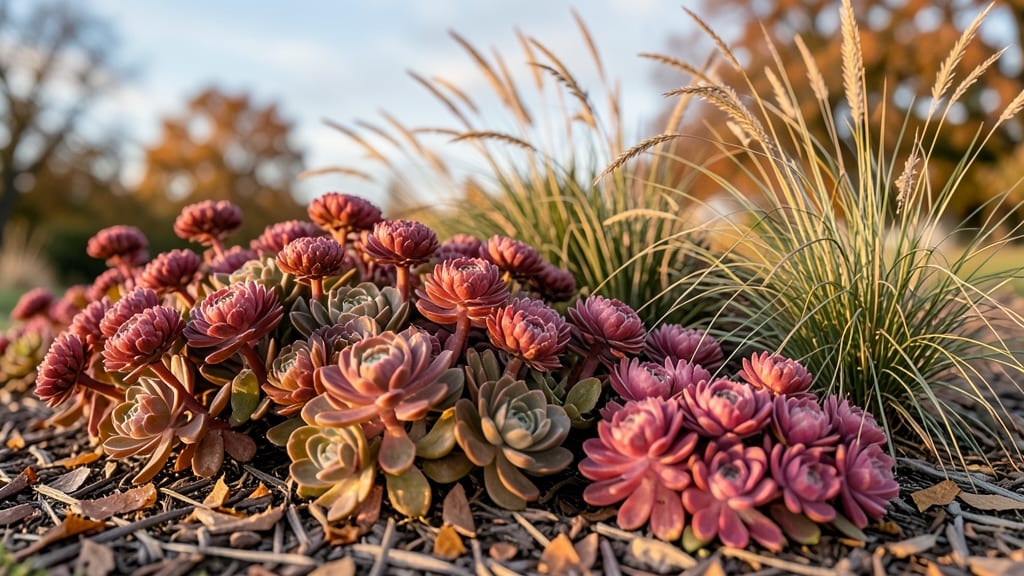
Skip the seasonal color fade-out with Autumn Joy sedum—this succulent stays stunning even after frost, boasting deep pink blooms that turn coppery-bronze as temperatures drop. Pair it with ornamental grasses like fountain grass or maiden grass for architectural height that sways in the breeze, creating a modern, sculptural look.
Plant Autumn Joy sedum in well-draining soil with 6 hours of sun daily, and tuck grasses around the edges for contrast. The combo thrives in USDA zones 3-9, making it versatile for most climates. For extra drama, weave in New England asters (purple blooms) or Russian sage (silvery foliage) to extend the fall season. This low-maintenance duo requires minimal watering once established.
Urban gardeners and modern landscape lovers will adore this design—it’s perfect for small spaces, container gardens, or as a striking border. The year-round structure and late-season color keep your front yard looking intentional well into winter. 🌻
Russian Sage and Lavender Pollinator Patch
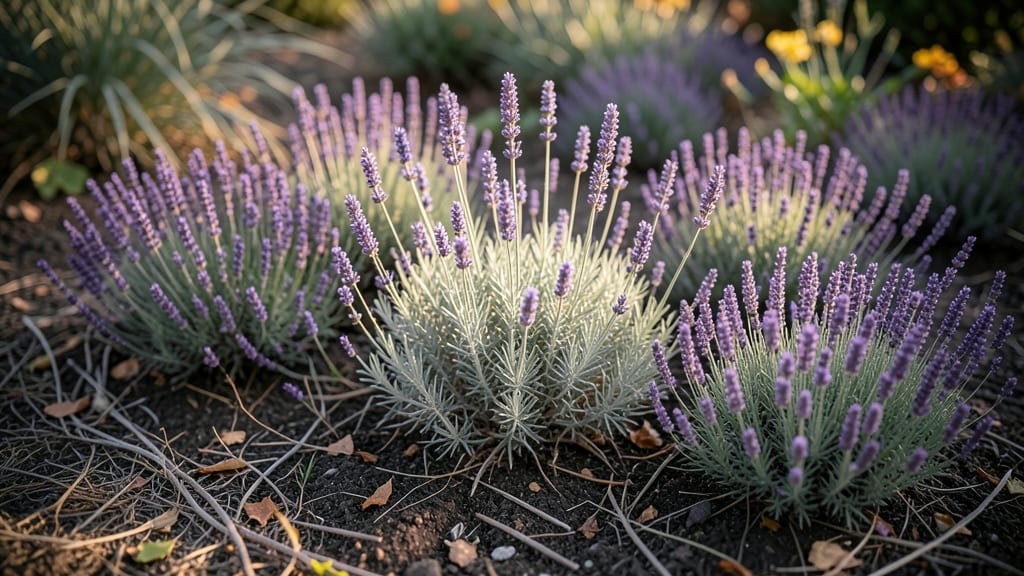
Skip the fuss of rich, fertile soil—this Russian sage and lavender duo thrives in even the most neglected patches of your yard. Their silvery foliage and fragrant blooms create a sensory-rich garden that hummingbirds and bees can’t resist, while their deer-resistant nature makes them a low-stress choice for rural or suburban front yards.
Plant Russian sage (Perovskia atriplicifolia) in the back for its airy, 4-5 foot tall purple spikes, and tuck lavender (Lavandula) in front for its compact, fragrant mounds. Both love full sun and well-draining soil, making them perfect for rocky or sandy spots where other plants struggle. A light pruning after blooming keeps them tidy, and they’ll reward you with summer-to-fall nectar for pollinators.
This pairing is ideal for cottage garden lovers or those craving a Mediterranean vibe with minimal effort. The aromatic foliage also deters pests naturally, making it a dual-purpose powerhouse for your front yard. 🌿
Heuchera and Coral Bells Shade Garden
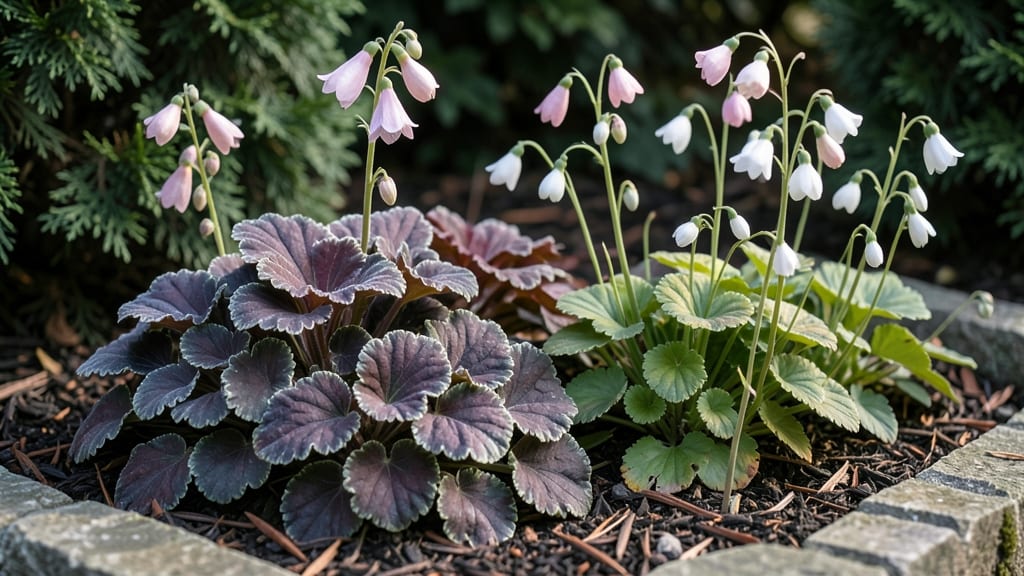
North-facing beds that struggle with sun-loving plants can finally shine with a Heuchera and Coral Bells combo. These shade-tolerant stars deliver velvety foliage in deep purples, silvers, and chartreuse, paired with delicate pink or white bell-shaped blooms that dance in the breeze.
Plant Heuchera (also called coral bells) for its striking leaves, which stay vibrant even in low light, and add Coral Bells (Heucherella) for their airy flowers that bloom from late spring to fall. This duo thrives in partial to full shade and well-draining soil—perfect for urban gardens or wooded edges. Mulch with shredded bark to retain moisture and suppress weeds.
Gardeners with limited sun or rocky soil will love how this pairing transforms dull corners into lush, textured focal points. The foliage’s rich hues add warmth to fall landscapes while requiring minimal care. 🌿
Goldenrod and Queen Anne’s Lace Wildflower Drift
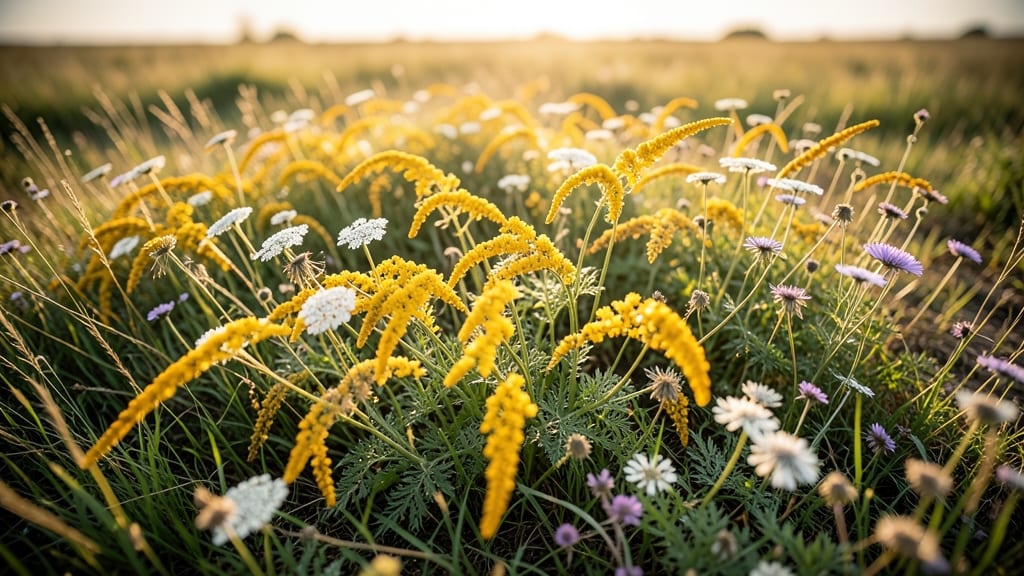
Skip the manicured look and bring the prairie to your front yard with a Goldenrod and Queen Anne’s Lace drift—this effortless combo thrives on neglect while buzzing with life. These native wildflowers create a natural, airy meadow that blooms from late summer through frost, offering nectar for bees, butterflies, and monarchs without any fertilizer or fuss.
Plant Queen Anne’s Lace (the delicate white laceflower) alongside goldenrod (with its golden plumes) in loose clusters across open spaces. They love full sun to part shade and adapt to almost any soil—even clay or rocky ground. Let them self-seed for a year-round display, and enjoy the rustic charm that requires only occasional deadheading.
This design is perfect for gardeners who want to support pollinators while keeping maintenance minimal. It’s especially stunning in large, open front yards or as a natural border along fences. 🌻
Mums and Chrysanthemum Color Blocks
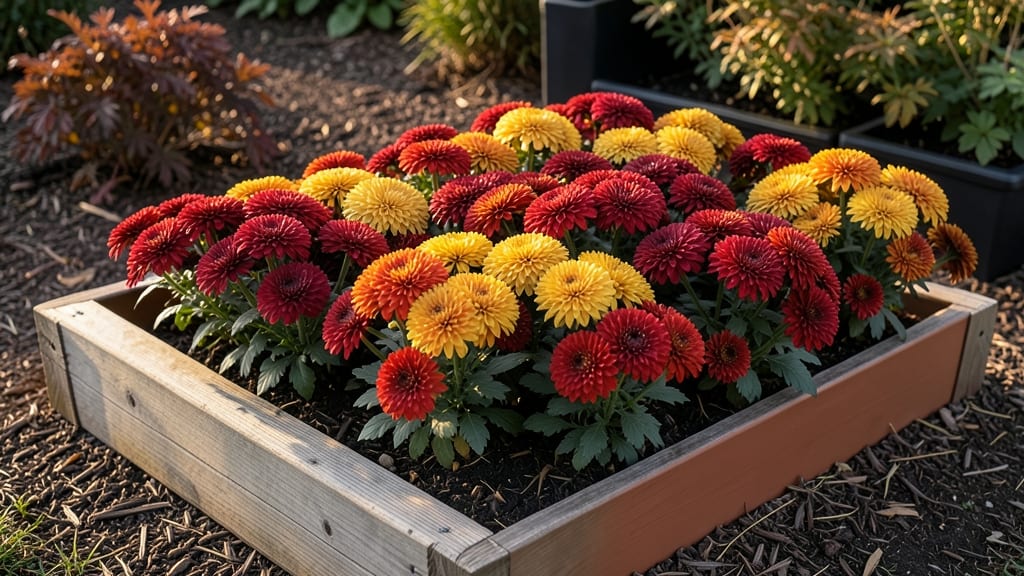
Want a front yard that pops with fall color while requiring minimal fuss? Chrysanthemums (or "mums") deliver bold, long-lasting blooms in every hue—from fiery red to golden yellow—perfect for structured beds or containers.
Opt for disease-resistant varieties like 'Bonanza' or 'Dynasty' for reliable performance, and plant in full sun to partial shade for peak flowering. Group them in color blocks (e.g., all reds together, yellows in another) for a polished look, or mix heights for texture. Deadhead spent blooms to extend their season until frost.
These perennials (or treat as annuals) are ideal for urban gardeners or beginners—just water consistently until established. Their versatility makes them the ultimate fall workhorse. 🌻
Smoke Bush and Toad Lily Foliage Focus
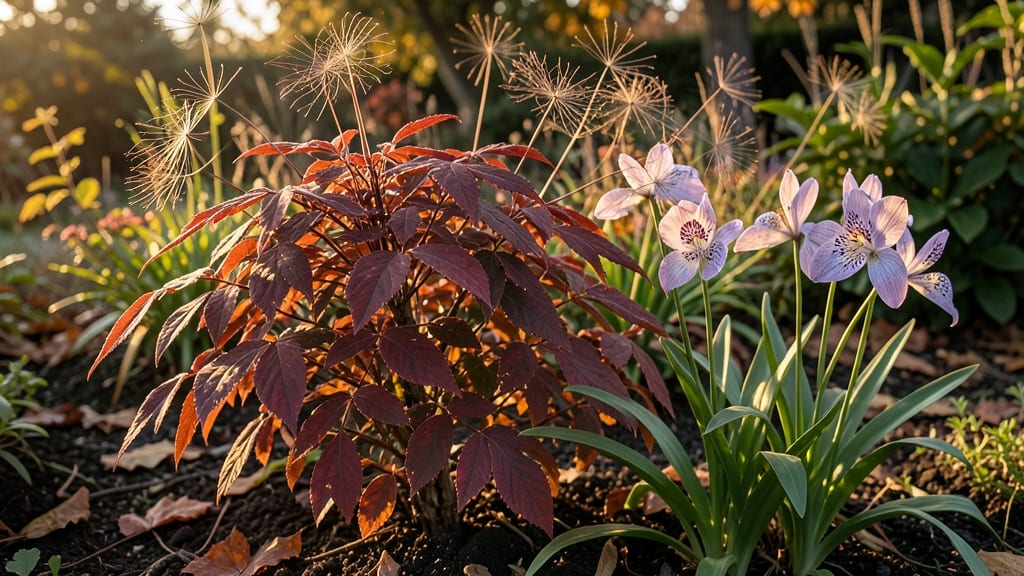
Skip the fuss of constant blooms—this foliage-forward duo lets the leaves steal the show. The smoke bush (Cotinus coggygria) delivers velvety burgundy foliage that glows like embers in autumn light, while toad lilies (Tricyrtis) add mysterious spotted blooms that emerge late in the season when most gardens fade.
Plant smoke bush in full sun to part shade for maximum leaf color, and tuck toad lilies in dappled shade where their unique flowers will pop against the rich foliage backdrop. Both thrive in well-drained soil and need minimal pruning—just trim back dead growth in early spring. This combo works beautifully in modern landscapes or as a striking focal point near patios.
Perfect for gardeners who love drama without the upkeep, this pairing offers year-round structure (smoke bush keeps its shape) and late-season interest when other plants are winding down. 💚
Astilbe and Hydrangea Moisture-Loving Combo
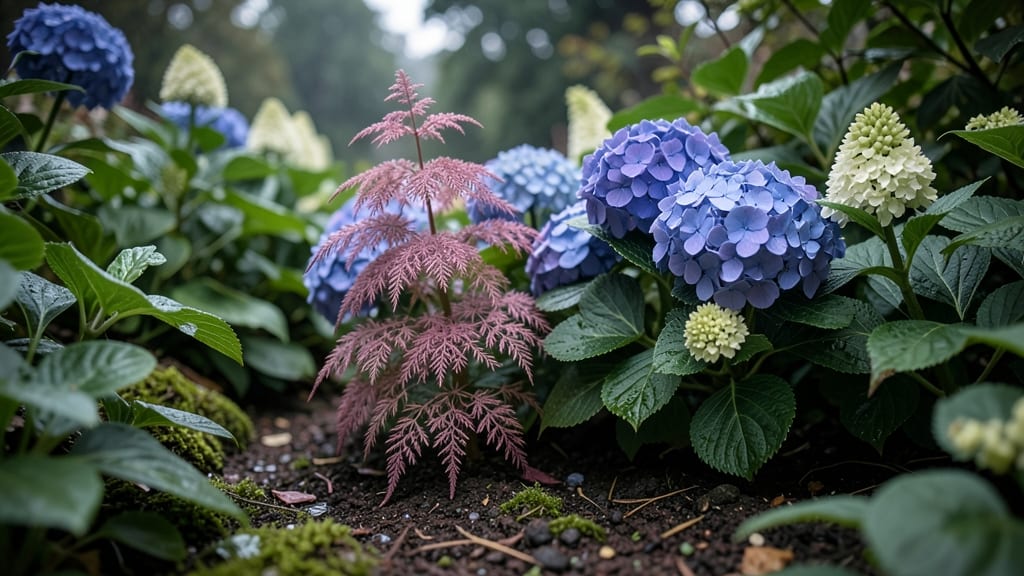
If your front yard has shady spots that stay damp—whether from rain or poor drainage—this moisture-loving duo turns soggy soil into a lush, late-season showstopper. Pairing astilbe with hydrangeas creates a vertical waterfall of feathery plumes and bold blooms that thrive where other plants wilt.
Plant astilbe (with its airy, plume-like flowers in pink, white, or purple) alongside hydrangeas (like 'Endless Summer' or 'Nikko Blue') for a three-season display. Both love morning sun or dappled shade and consistently moist soil, making them ideal for rain gardens or under trees. Add hostas or ferns for extra texture in the understory.
This combo is perfect for gardeners with shady, wet areas who want drama without the fuss. The vertical layers add height and movement, while the hydrangea’s late-summer blooms extend your season well into fall. 🌿
Coneflower and Blanket Flower Sunburst
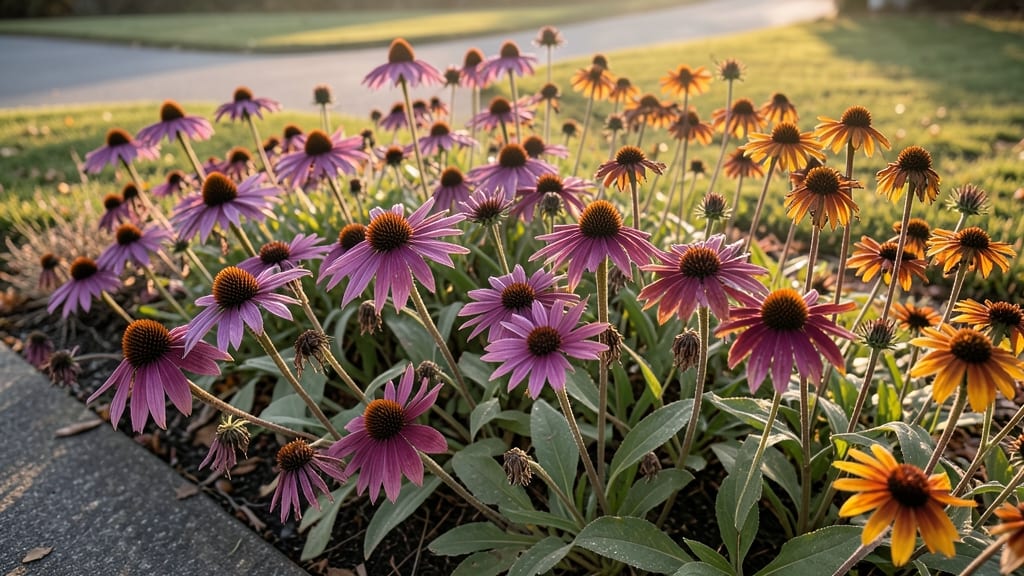
Turn your front yard into a buzzing hub for pollinators with a coneflower and blanket flower combo that thrives from summer straight through frost. These native perennials not only keep blooming when other flowers fade but also repel deer and tolerate drought—making them the ultimate low-fuss, eco-friendly choice.
Plant purple coneflowers (Echinacea) alongside orange blanket flowers (Gaillardia) in full sun for a vibrant, sunburst effect that hummingbirds and bees adore. Both plants are drought-tolerant once established and require minimal care—just deadhead spent blooms to encourage more flowers. This pairing works beautifully in wildlife gardens or as a border for pollinator-friendly pathways.
Perfect for gardeners who want to support local ecosystems without extra effort, this duo delivers year-round structure and color while requiring almost no maintenance. 🌻
Winterberry Holly and Ornamental Cabbage Accent

Tired of fall flower beds that fade with the first frost? Pair winterberry holly—a deciduous shrub with bright red berries that last through winter—with ornamental cabbage for a showstopping combo that delivers color year-round. This duo creates texture and structure while keeping your front yard vibrant even when other plants retreat.
Plant winterberry holly in moist, well-drained soil with full sun to partial shade, and choose ornamental cabbage varieties like 'Redbor' or 'Osaka Purple' for bold foliage that thrives in cooler weather. The holly’s glossy evergreen leaves provide a backdrop for the cabbage’s ruffled, jewel-toned heads, which add drama from late summer until hard frost. Prune winterberry after berries fade to maintain shape.
This pairing is perfect for homeowners who want low-maintenance curb appeal without seasonal gaps. The berries also attract birds, adding ecological benefits to your landscape. 🌿