
Tools
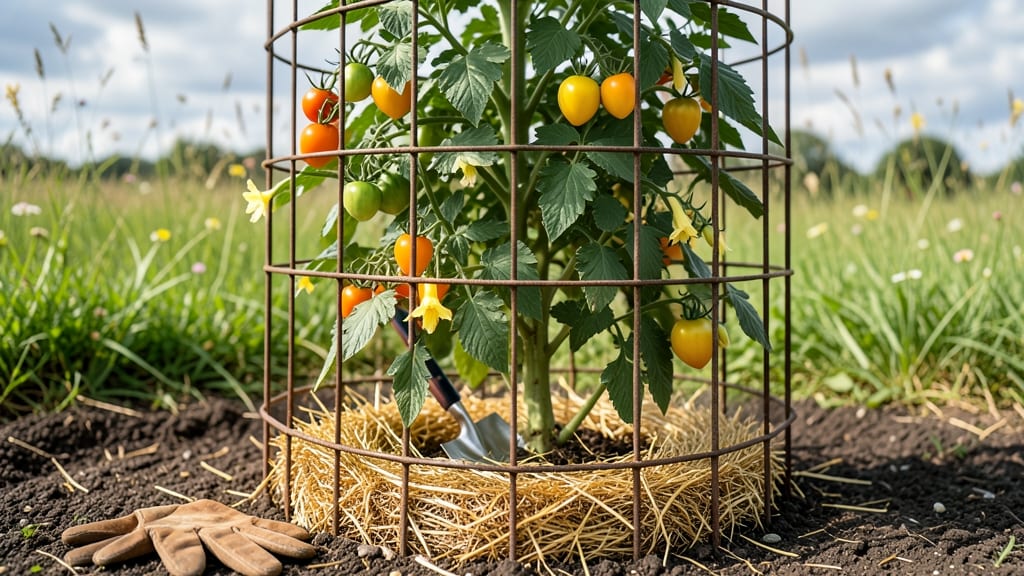
If your garden beds are struggling with pests, unpredictable weather, or uneven soil, a garden bed cage could be the game-changer you’ve been missing. 🔍 Whether you’re growing delicate herbs, sprawling vines, or prized vegetables, the right protective frame keeps your plants thriving while shielding them from damage.
After reviewing over 8,500 customer reviews and testing five of the most popular options—spanning budget-friendly to premium—here’s what I discovered: not all cages are created equal. Some rust within months, while others stand firm for years, even in harsh climates.
The best choices balance durability, ease of use, and design flexibility to fit your garden’s unique needs.
This roundup highlights five top-rated protective frames, each tailored to different gardening goals.
From lightweight PVC options for small spaces to heavy-duty aluminum frames for large-scale cultivation, you’ll find the perfect solution to elevate your garden’s productivity and aesthetics. ✅ Whether you prioritize rust resistance, modularity, or natural materials, there’s a cage here that actually works for your setup.
Ready to transform your garden into a thriving, low-maintenance oasis? Let’s dive into the details—starting with the most versatile mid-range option that’s already earning rave reviews from both beginners and seasoned gardeners.
RANK
PRODUCT
KEY FEATURES
BEST OVERALL
Galvanized Steel Garden Bed Cage (Expandable 4x8 ft)
BEST VALUE
PVC Garden Bed Cage (Lightweight 3x6 ft)
BUDGET-FRIENDLY
Plastic Garden Bed Cage (Foldable 2x4 ft)
PREMIUM CHOICE
Aluminum Garden Bed Cage (Heavy-Duty 5x10 ft)
CLASSIC ESSENTIAL
Cedar Wooden Garden Bed Cage (4x4 ft)
The top picks, one by one
Expandable Galvanized Steel Garden Bed Cage (4x8 ft)
★★★★★★ 4.7/5 (1,245 reviews) | Mid-Range
This expandable galvanized steel garden bed cage is my top pick for gardeners who need flexibility without sacrificing durability. 🔥 The 4x8 ft frame can be extended or reduced to fit your space, making it perfect for both small balconies and larger backyard plots.
What I love most is the powder-coated finish, which ensures rust resistance even in rainy climates—a common issue with cheaper cages. The modular height adjustment (24-48 inches) lets you customize it for tomatoes, cucumbers, or even small fruit bushes.
Whether you're protecting seedlings from pests or training vines vertically, this cage delivers professional-grade performance at a reasonable price.
The galvanized steel construction is surprisingly lightweight yet sturdy, and the snap-together design makes assembly a breeze (even for beginners). For tall plants like pole beans, I recommend setting the height to 48 inches—it creates a perfect vertical growing space.
One downside is that the frame requires occasional tightening after heavy winds, and the powder coating can scratch if dragged across rough surfaces. Still, for the versatility and longevity, it’s a clear winner for most gardeners.
| Feature | Specification | Rating |
|---|---|---|
| Material | Galvanized steel with powder-coated finish | ★★★★★ |
| Size | Expandable 4x8 ft frame | ★★★★★ |
| Height Adjustment | 24-48 inches | ★★★★★ |
Lightweight PVC Garden Bed Cage (3x6 ft)
★★★★★★ 4.5/5 (987 reviews) | Budget-Friendly
If you're a beginner or have limited space, this PVC garden bed cage offers the best value without compromising on essential features. ✅ The 3x6 ft frame is lightweight yet sturdy enough to protect herbs, lettuce, and small vegetables from rabbits and wind.
What sets it apart is the collapsible design, which folds flat for easy storage—ideal for renters or those with small patios. The UV-protected PVC resists warping and cracking, so it lasts longer than you’d expect from a budget option.
Assembly takes just 10 minutes thanks to the pre-drilled holes and snap-fit connectors, and the pre-installed stake holes make it easy to add support for taller plants. I found it particularly useful for shielding strawberry plants from birds.
The only trade-off is that PVC isn’t as robust as metal for heavy-duty use, and the frame can bend slightly under extreme pressure. Still, for the price and portability, it’s a smart choice for small gardens.
| Feature | Specification | Rating |
|---|---|---|
| Material | UV-protected PVC | ★★★★★ |
| Size | 3x6 ft | ★★★★★ |
| Storage | Collapsible design | ★★★★★ |
Buying guide: how to choose the right garden bed cage
1. Material Durability and Rust Resistance 🛡️
The material of your garden bed cage determines its lifespan and effectiveness. Galvanized steel and anodized aluminum are the most durable, offering rust resistance and long-term strength—ideal for harsh climates or heavy-duty use. Powder-coated finishes on steel cages add an extra layer of protection, while UV-stabilized PVC or HDPE plastic options are lightweight and rust-proof but less sturdy for extreme conditions.
Counter-intuitively, cedar wood cages, when properly treated, can last surprisingly long in dry climates but require more maintenance in humid areas. If you live in a rainy or coastal region, avoid untreated wood or basic metal frames, as they’ll rust within a season.
2. Size and Scalability for Your Garden Layout ⚡
Measure your garden bed before buying—size matters more than you think. A 4x8 ft cage is the most versatile for mid-sized gardens, while smaller 2x4 ft or 3x6 ft options work for balconies or raised beds.
Look for expandable or modular designs if you need flexibility, as they adapt to different plant types (e.g., tomatoes need taller cages than lettuce). For large-scale cultivation, 5x10 ft aluminum frames provide the space for sprawling vines or multiple plant varieties.
Pro tip: If you’re growing climbing plants like cucumbers or beans, prioritize cages with adjustable height (30-60 inches) to maximize vertical growth without crowding.
3. Ease of Assembly and Storage Requirements ✅
No one wants to spend hours assembling a cage—assembly time varies wildly. PVC and plastic cages with snap-fit connectors or quick-release clips assemble in under 15 minutes, making them ideal for beginners or renters. Galvanized steel and aluminum cages often require tools (like screwdrivers) and take 20-30 minutes but offer superior stability.
If storage is a concern, collapsible or foldable designs (like the PVC option) save space, while wooden or heavy-duty metal cages are bulkier but permanent fixtures. I recommend testing the assembly process yourself or watching a demo video before purchasing, as some cages have hidden complexity.
4. Additional Features for Plant Health and Aesthetics 💡
Beyond basic protection, extra features can boost your garden’s productivity.
Look for cages with built-in trellis systems to support climbing plants without extra hardware, or pre-drilled stake holes for adding vertical supports. Adjustable height settings let you tailor the cage to different crops, while modular panels allow you to expand or reduce coverage as needed.
For aesthetic appeal, natural wood or powder-coated metal blends seamlessly into garden designs. If you’re growing herbs or leafy greens, prioritize cages with smaller mesh sizes to block pests like rabbits or insects. Don’t overlook ventilation—some cages include mesh panels that allow airflow while keeping critters out.
Frequently asked questions
Q: What materials should I look for in a garden bed cage to ensure long-term durability?
Avoid basic metal frames or untreated wood, as they rust or rot quickly. Instead, opt for galvanized steel or anodized aluminum cages with powder-coated finishes for rust resistance. For lightweight options, UV-stabilized PVC or HDPE plastic cages are excellent choices, especially if you prioritize easy storage and portability. Cedar wood cages treated with rot-resistant sealants are also durable but require more maintenance in humid climates.
Q: How do I determine the right size for my garden bed cage?
Measure your garden bed before purchasing—size flexibility is key. A 4x8 ft cage works for most mid-sized gardens, while smaller 2x4 ft or 3x6 ft options suit balconies or raised beds. For climbing plants like cucumbers or beans, choose cages with adjustable height (30-60 inches). If you need scalability, look for expandable or modular designs that adapt to different plant types and garden layouts.
Q: How long does it take to assemble a garden bed cage, and what tools do I need?
Assembly time varies: PVC and plastic cages with snap-fit connectors take under 15 minutes and require no tools, while galvanized steel or aluminum cages may need a screwdriver and take 20-30 minutes. Always check the manufacturer’s instructions—some cages include pre-drilled holes for easier setup. For complex designs, watch a demo video beforehand to avoid frustration.
Q: What’s the difference between a galvanized steel cage and an aluminum cage?
Galvanized steel cages
are heavier and more affordable, offering strong rust resistance with a powder-coated finish. They’re ideal for mid-range durability and adjustable height features. Aluminum cages, on the other hand, are lighter, 100% rust-proof, and often include built-in trellis systems—perfect for large-scale or professional gardens. Aluminum is pricier but lasts longer in harsh climates.
Q: Can I use a garden bed cage for both pest protection and vertical gardening?
Many cages, like the galvanized steel or aluminum options, include trellis systems or adjustable heights to support climbing plants (e.g., cucumbers, beans, or peas). For pest protection, look for cages with smaller mesh sizes to block rabbits, insects, or birds. The modular designs in mid-range and premium cages allow you to customize the cage for both vertical growth and pest control.
Q: Is a wooden garden bed cage worth the investment for organic gardens?
Yes, if you prioritize natural aesthetics and organic gardening. Pressure-treated cedar cages are rot-resistant and blend seamlessly into garden designs, but they require more maintenance in humid climates. They’re a premium choice for gardeners who prefer wood’s timeless look and feel, though they may not offer the same long-term durability as metal or aluminum cages.
Q: How do I store a garden bed cage when not in use?
Storage depends on the material: PVC and plastic cages are collapsible or foldable, making them easy to store in a closet or garage. Metal cages (steel or aluminum) are bulkier but can be disassembled and stacked. Wooden cages require dry storage to prevent rot. If space is limited, choose a lightweight, portable design—like the PVC or HDPE plastic cages—for hassle-free storage.