
Tools
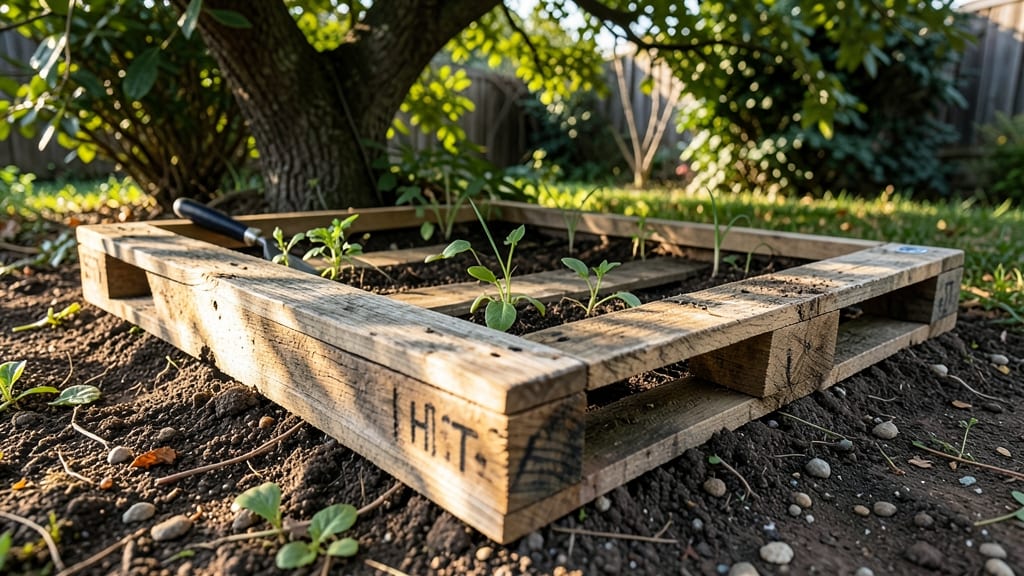
Building a garden bed that lasts requires the right materials. These ten durable, budget-friendly options offer longevity, sustainability, and ease of assembly for any gardener—from beginners to seasoned green thumbs.
Cedar Wood Garden Bed Frames
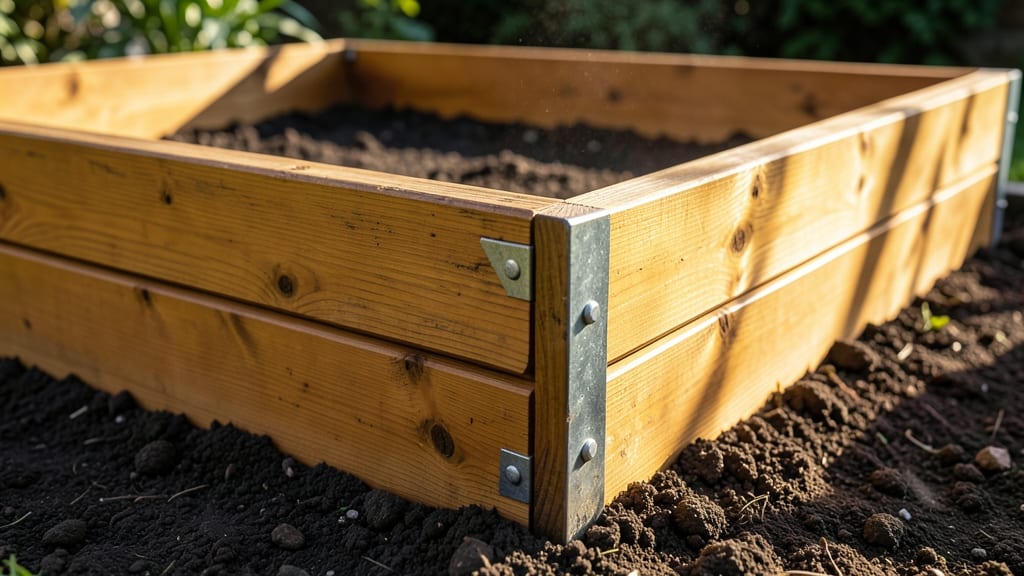
If you’re tired of replacing rotted-out garden bed frames every few years, cedar wood is your long-term solution. Its natural oils repel insects and fungi, giving you a 10-15 year lifespan with just occasional sanding—no toxic chemicals required. The warm, woodsy aroma also deters pests while adding a rustic charm to your garden.
For organic gardeners, cedar’s resistance to decay means fewer replacements and zero synthetic treatments. Pre-drill screws to prevent splitting, and use galvanized hardware to avoid rust. The wood’s natural stability makes it ideal for raised beds, especially in damp climates where other woods would fail.
This is the perfect choice for those who prioritize low-maintenance, chemical-free gardening without compromising durability. Your plants—and your back—will thank you. 🌿
Composite Lumber Raised Beds
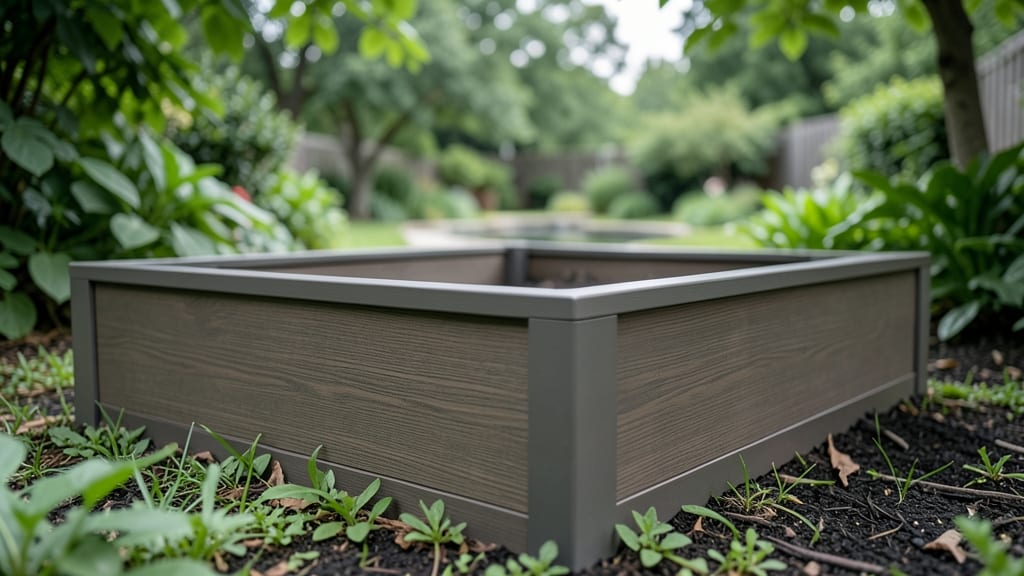
Tired of replacing warped or rotting wood in your garden beds? Composite lumber combines wood fibers with recycled plastic to create a waterproof, termite-proof frame that won’t splinter or warp—even in wet climates or near water sources. This modern material eliminates the need for sealing or staining while standing up to harsh weather conditions.
Available in sleek, uniform colors like gray or brown, composite lumber beds require zero maintenance beyond occasional cleaning. They’re also 100% rot-resistant, making them ideal for areas with high humidity or frequent rainfall. Plus, the smooth surface prevents splinters, creating a safer environment for kids and pets. These beds are perfect for urban gardeners or anyone who wants a low-maintenance, long-lasting solution.
If you’re dealing with soggy soil or want a bed that lasts 20+ years without replacement, composite lumber is the way to go. It’s especially great for containers, planters, or raised beds near patios or decks. 🌱
Galvanized Steel Garden Edging
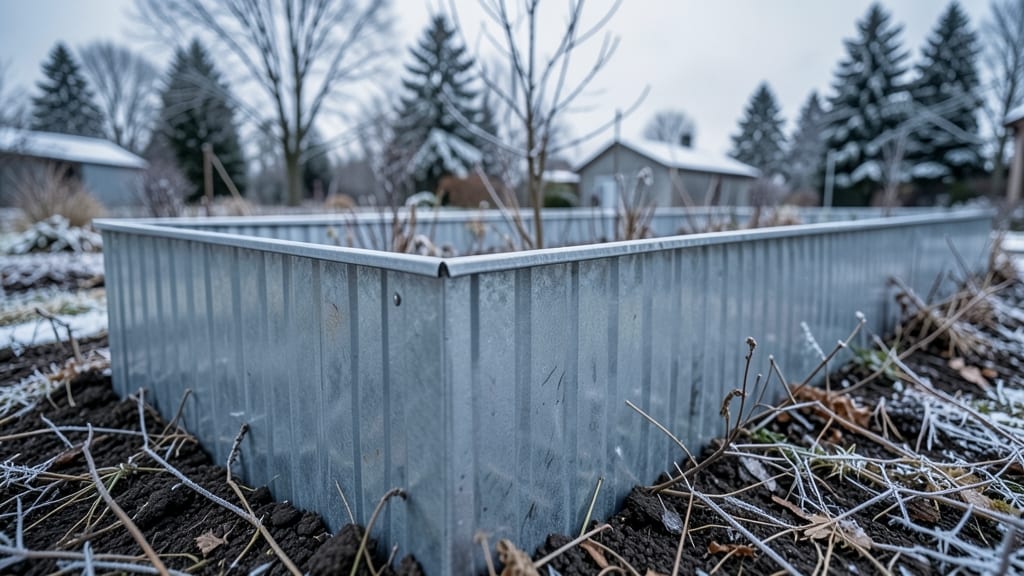
When your garden demands unmatched durability—think commercial plots, high-traffic community gardens, or beds that need to withstand harsh winters—galvanized steel edging is the heavyweight champion. Unlike wood or plastic, this industrial-grade material resists rust, pests, and even the heaviest foot traffic, making it the go-to for large-scale projects.
Steel’s zinc coating creates a protective barrier against moisture and corrosion, while its sharp, clean edges deter weeds and keep soil contained without bending or degrading over time. For maximum longevity, opt for thick-gauge steel (16-18 gauge) and secure it with stainless steel screws to prevent future rusting. This material thrives in commercial greenhouses, urban farms, or high-visibility public gardens where aesthetics and function must align.
If you’re managing a large-scale garden or need a bed that will outlast seasonal changes, galvanized steel delivers decades of service with minimal upkeep—ideal for those who prioritize practicality over charm. 💪
Recycled Plastic Garden Beds
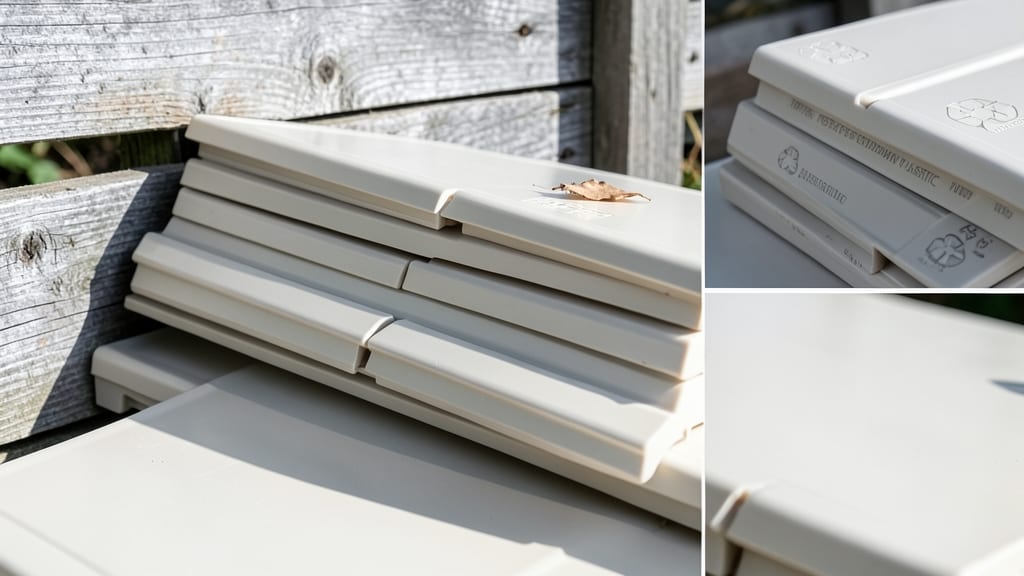
Tired of hauling heavy materials or worrying about rot and pests? Recycled plastic garden beds offer a hassle-free, sustainable solution that’s perfect for renters or eco-conscious gardeners. These modular panels are made from up to 100% post-consumer plastic, keeping landfills out of your garden while providing a lightweight yet sturdy frame.
One of their biggest perks is their zero-maintenance design—no painting, staining, or sealing required. They resist mold, mildew, and insects, and their interlocking system makes assembly a breeze, often in under an hour. Plus, their durability matches (or exceeds) traditional wood, with some brands guaranteeing 20+ years of use. Choose from earthy tones or vibrant colors to match your garden’s aesthetic.
This option is ideal for urban gardeners with limited space, renters who need portable beds, or anyone who wants to reduce their environmental footprint without sacrificing quality. 🌱
Stone or Brick Retaining Walls
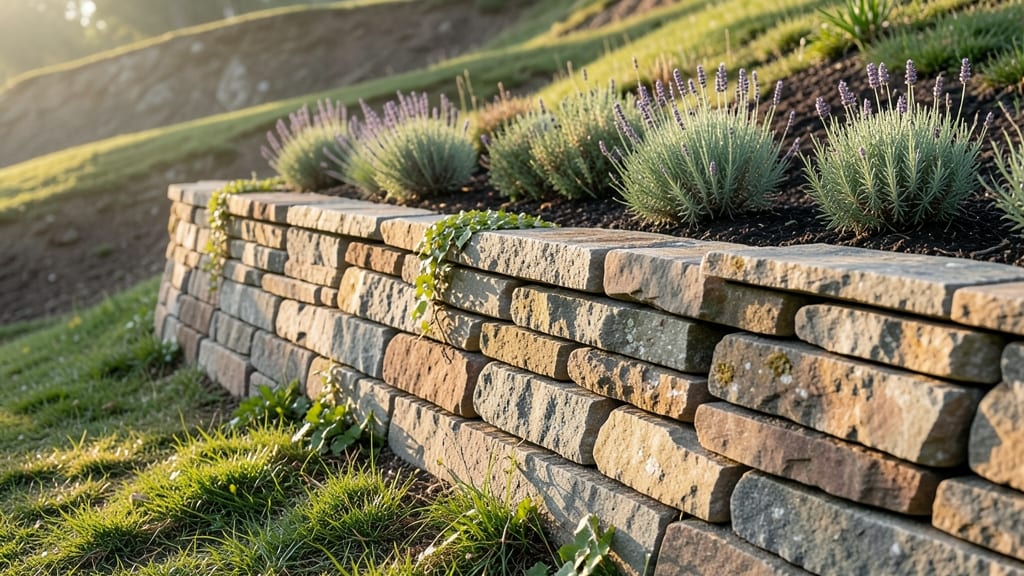
Transform uneven terrain into a functional garden without the upkeep of wood or metal—stone or brick retaining walls offer both beauty and structural support. Unlike temporary materials, these beds last decades, resisting rot, pests, and weather while adding a rustic or classic aesthetic to your landscape.
For sloped yards, stacked river rock or brick creates defined planting areas that prevent soil erosion while requiring only occasional weeding between crevices. Choose local stone for a natural look or uniform bricks for clean lines; both options allow roots to breathe and improve drainage. They’re especially ideal for perennial gardens or drought-tolerant plants like lavender or sedum.
Perfect for gardeners who want low-maintenance durability, these walls blend into any design while handling heavy rainfall or freeze-thaw cycles better than wood. 🌿
Bamboo Garden Bed Frames
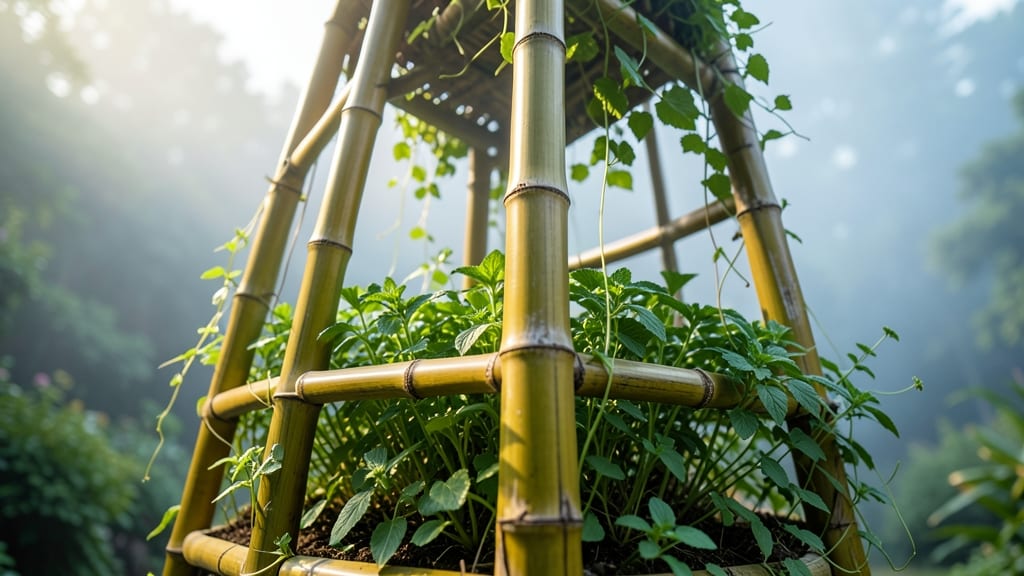
Looking for a garden bed frame that’s as kind to the planet as it is to your plants? Bamboo frames grow in just 3-5 years, making them the fastest renewable resource for gardeners who want sustainability without compromise.
This naturally pest-resistant material thrives in humid climates, resisting rot and termites better than many woods. Its sleek, vertical slats create a modern, tropical aesthetic that pairs beautifully with ferns, hibiscus, or even citrus trees. For assembly, use stainless steel screws to secure sections without compromising the frame’s integrity.
Perfect for eco-conscious gardeners or those in warm climates, bamboo frames offer a low-maintenance solution that blends seamlessly with natural landscapes. 🌿
Pressure-Treated Pine Frames
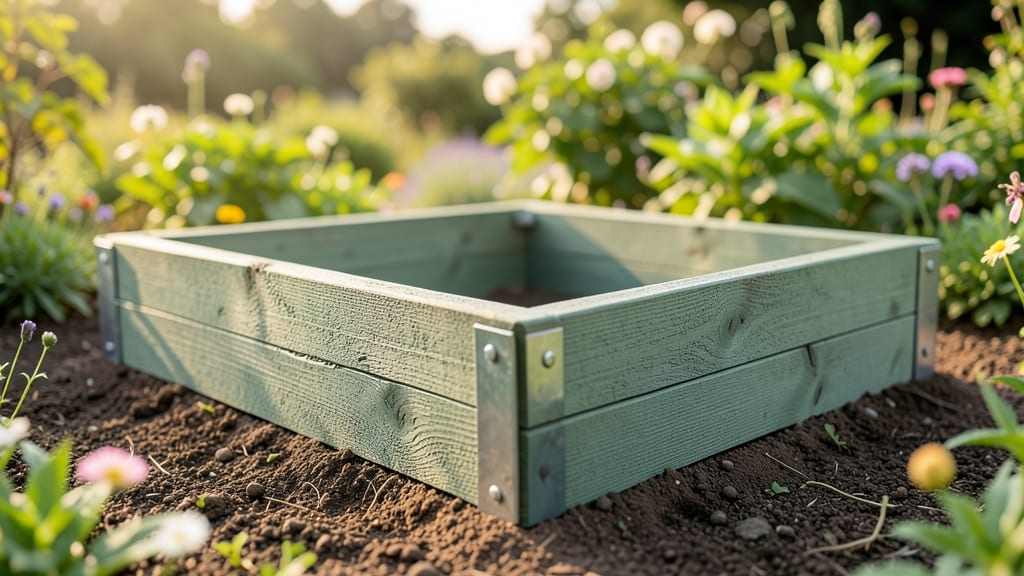
If you're looking for a garden bed frame that won’t break the bank but still delivers solid performance, pressure-treated pine is your best friend. It’s the go-to choice for DIYers and beginners because it’s affordable, easy to find at hardware stores, and built to handle the elements—just with a little extra care.
This budget-friendly option gets its durability from chemical treatment that wards off rot, insects, and warping, giving you 7-10 years of service when sealed properly. Start by applying a non-toxic wood sealant (like linseed oil or water-based polyurethane) before planting to lock in moisture resistance. Avoid direct soil contact with untreated pine, and elevate the frame slightly to prevent moisture buildup at the base.
Perfect for temporary beds, small-scale gardens, or test plots, pressure-treated pine lets you experiment without committing to pricier materials. It’s especially great for urban gardeners or renters who need flexibility. Just remember: while it’s sturdy, it won’t last as long as cedar or composite lumber—so plan for eventual replacement. 💪
Corrugated Metal Garden Beds
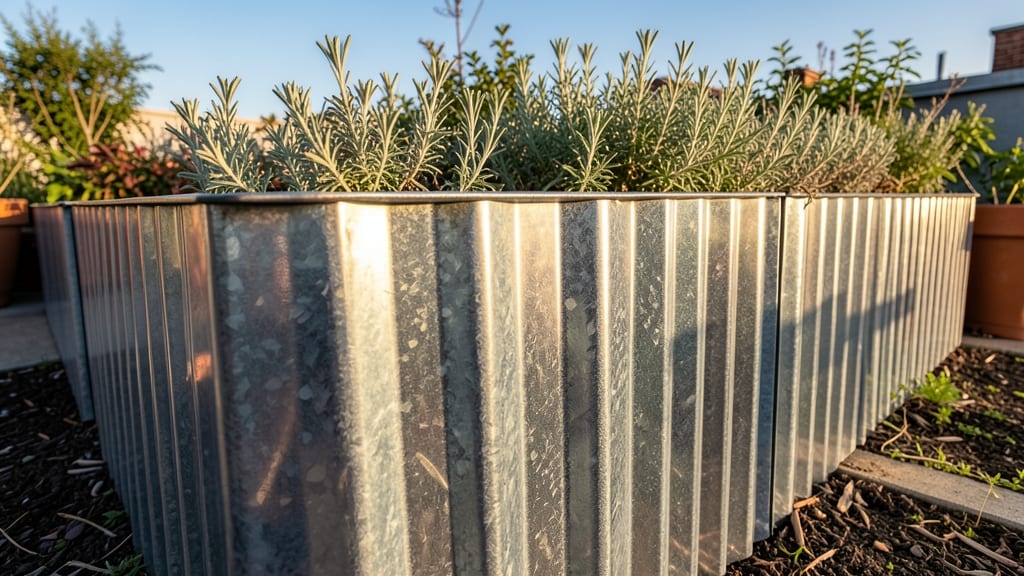
Looking for a garden bed that turns heads while keeping pests at bay? Corrugated metal garden beds bring an industrial-chic aesthetic to urban spaces, with a reflective surface that naturally deters insects and rodents by bouncing sunlight around unpredictably.
These beds are built to last decades, resisting rust with galvanized coatings and standing up to heavy rain or snow. Their reflective properties also help regulate soil temperature, creating optimal growing conditions for urban greens like kale or Swiss chard. For city gardeners with limited shade, the metal’s ability to mirror light can even extend growing seasons.
Perfect for rooftop gardens or tiny balconies, these beds require minimal maintenance and can be painted to match your design scheme. Urban gardeners and modern minimalists will love their sleek, functional look. ✨
Hempcrete Garden Bed Blocks
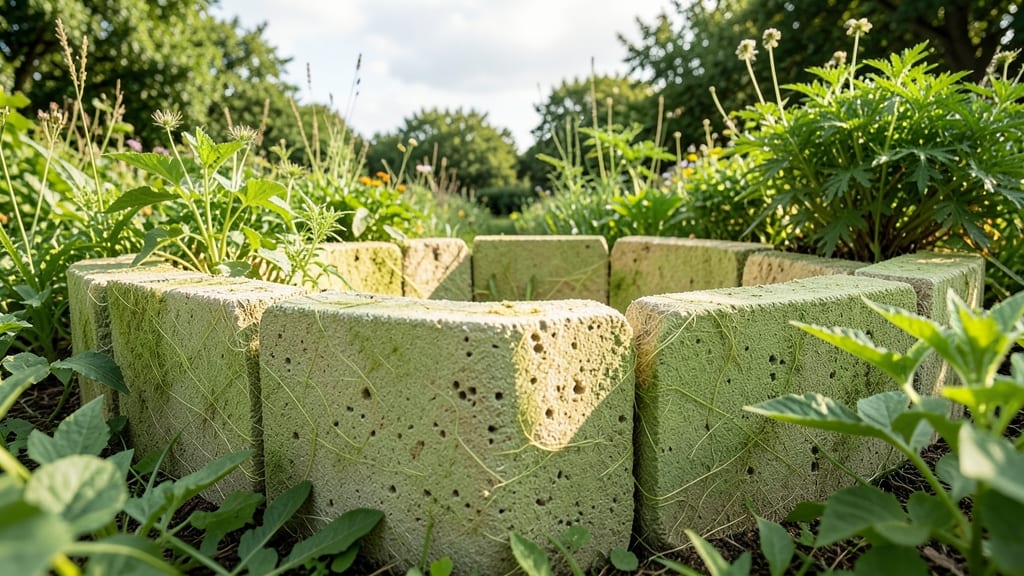
If you're looking for a carbon-negative garden bed material that actually improves the environment while you grow, hempcrete blocks are the game-changer you didn’t know you needed. These interlocking blocks—made from hemp fibers and lime—lock away CO₂ as they cure, creating a bed that’s not just sustainable but actively beneficial.
Beyond their eco-credentials, hempcrete blocks offer superior insulation to keep roots warm in winter and cool in summer, while their moisture-resistant properties prevent rot or warping. The natural texture also deters pests like slugs and rodents, making them ideal for organic gardens. Simply stack and fill with soil—no tools or fasteners required.
Perfect for urban gardeners or permaculture enthusiasts, these blocks are lightweight yet sturdy, and their neutral beige tones blend seamlessly into any landscape. Build a bed that grows with your conscience. ✨
Salvaged Wood Pallet Beds

Skip the store-bought garden beds and turn salvaged wood pallets into a free or nearly free growing space with a little creativity. These sturdy, often discarded frames offer a zero-cost solution for small-scale gardens, container herb patches, or even temporary plant trials.
Start by inspecting pallets for the "HT" stamp (heat-treated, safe for food plants) and sanding rough edges to prevent splinters. Stack two pallets vertically with screws or sturdy brackets, then line the interior with landscape fabric to block weeds. Fill with a mix of compost and topsoil, and you’ve got a rustic bed ready for herbs, microgreens, or shallow-rooted veggies like lettuce or radishes.
This DIY approach is perfect for urban gardeners, beginners testing layouts, or anyone on a tight budget. Plus, the weathered wood adds instant charm to any garden space. 🌱