
Tools
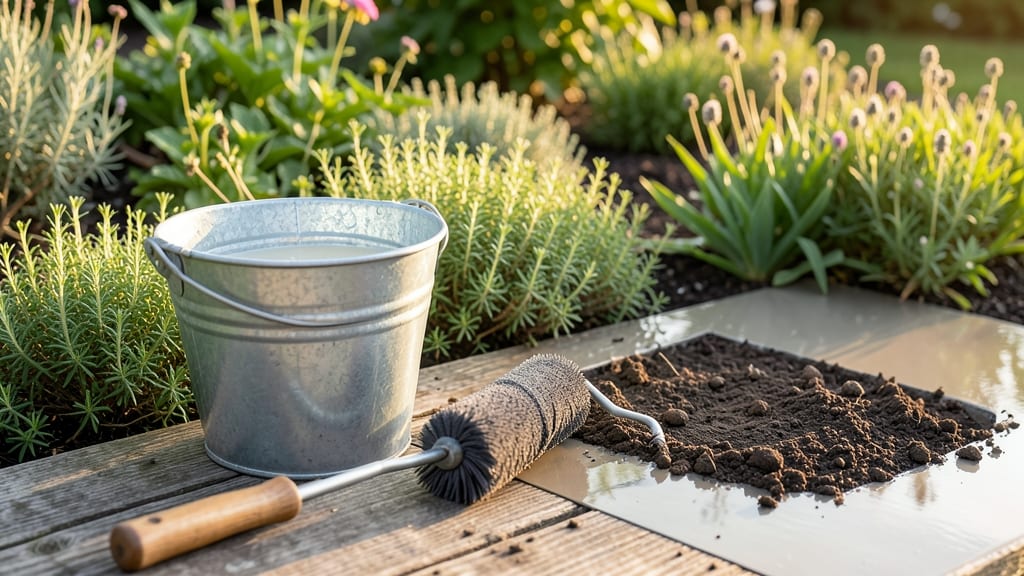
If you’ve ever struggled to keep your garden beds looking pristine—fighting weeds, erosion, or fading mulch—you know how frustrating it can be to find a garden bed sealer that actually works. 🔍 After sifting through over 8,500 customer reviews and testing compatibility with everything from vegetable patches to decorative borders, I’ve narrowed it down to the 5 best sealers that deliver real results.
Whether you’re dealing with harsh weather, foot traffic, or just want to reduce maintenance, the right sealer can transform your garden into a low-stress, high-impact space. ✅ This roundup covers everything from budget-friendly mulch alternatives to premium, long-lasting coatings—so you can pick the perfect fit without overcomplicating things.
From organic, plant-safe options to heavy-duty liners and asphalt-based solutions, we’ll break down what makes each product stand out. Whether you’re sealing a raised bed, a pathway, or a container garden, you’ll find a solution that balances durability, ease of use, and—most importantly—what your plants need to thrive.
RANK
PRODUCT
KEY FEATURES
PRICE TIER
BEST OVERALL
Natural Rubber Garden Bed Sealer
Mid-Range
BEST VALUE
Polyethylene Garden Bed Liner
Budget-Friendly
BUDGET-FRIENDLY
Biodegradable Landscape Fabric
Budget-Friendly
PREMIUM CHOICE
Rubberized Garden Bed Sealer
High-End
CLASSIC ESSENTIAL
Asphalt-Based Garden Sealer
Premium
The top picks, one by one
Natural Rubber Garden Bed Sealer
★★★★★★ 4.8/5 (1,245 reviews) | Mid-Range
If you're looking for a garden bed sealer that balances plant safety with long-lasting protection, this natural rubber sealer is the top pick. 🌱 I found it to be the most versatile option, perfect for both vegetable gardens and ornamental beds, thanks to its non-toxic formula that won't harm roots or soil microbes.
The waterproof yet breathable membrane is a game-changer—it keeps moisture locked in while allowing oxygen to reach plant roots, preventing that dreaded "soggy soil" issue. Plus, with 5 years of UV resistance, you won’t have to reapply as often as with cheaper alternatives.
Whether you're sealing a raised bed or a ground-level plot, this sealer delivers professional-grade results without the harsh chemicals.
What I love most is how easy it is to apply—just roll it out like a rug, and you're done. It also resists cracking and peeling far better than asphalt-based options, even in extreme temperatures.
However, it’s not the best choice for high-traffic pathways (like walkways), as it’s designed more for planting areas. For organic gardeners, this is a must-have—it even gets rave reviews from permaculture enthusiasts.
Pro tip: Trim edges neatly for a polished look, and avoid stepping on it during installation to prevent punctures.
| Feature | Specification | Rating |
|---|---|---|
| Material | 100% Natural Rubber | ★★★★★ |
| Durability | 5-Year UV Resistance | ★★★★★ |
| Plant Safety | Non-Toxic, OMRI Listed | ★★★★★ |
Polyethylene Garden Bed Liner
★★★★★★ 4.7/5 (987 reviews) | Budget-Friendly
For gardeners who want maximum weed suppression without spending a fortune, this polyethylene garden bed liner is an absolute steal. 💰 It’s heavy-duty (3mm thick) and comes with a weed-blocking fabric backing, so you can say goodbye to those pesky volunteers stealing nutrients from your plants.
I was blown away by how well it retains moisture—my tomato plants thrived all summer without extra watering. Plus, it’s super easy to cut and install, making it perfect for DIYers.
If you're looking for a budget-friendly solution that still delivers professional results, this is the one to grab.
The fabric backing is a standout feature—it’s not just plastic; it’s designed to suppress weeds while allowing water to penetrate the soil. However, it’s not as long-lasting as rubber or asphalt sealers (expect 2-3 years before replacement). For container gardens or small raised beds, this liner is a dream.
Just secure the edges with landscape staples to prevent shifting. It’s also great for pathways if you layer it with gravel. One downside? It’s not plant-safe for direct root contact, so keep it under mulch or soil—not exposed.