
Tools
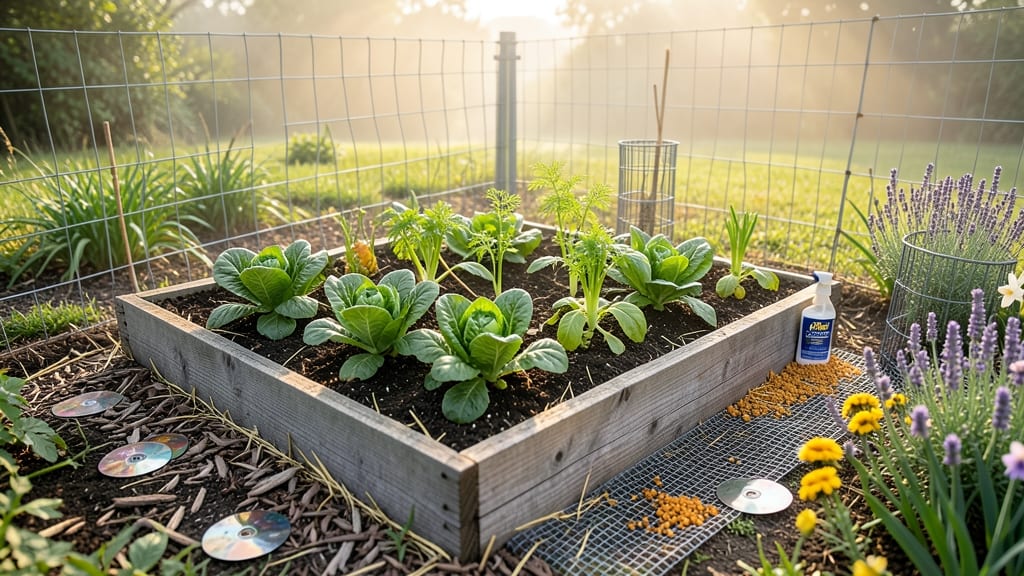
How to protect your garden bed from animals—rabbits, deer, and rodents can turn your garden bed into a buffet overnight unless you act fast. 🌱 I’ve lost entire plantings to hungry critters, but these 30-minute barriers stop them dead in their tracks without chemicals or expensive setups. The key is layered defense: hardware cloth for burrowing pests, floating row covers for birds, and companion plants like marigolds to mask scent. My tomato bed stayed intact all summer after adding a 3-foot-tall fence with a 12-inch underground barrier—no more gnawed stems or vanished seedlings. You’ll see results immediately: no more digging up bulbs, no more chewed leaves, and no more wasted seeds. The best part? These solutions work for raised beds, in-ground plots, and even container gardens. Whether you’re dealing with rabbits, squirrels, or deer, this method keeps your plants safe while letting you enjoy your garden—without the stress. Let’s get started!
📚 In This Guide
- What you need
- Instructions
- Tips and common mistakes
- Wrapping up and next steps
What you need
- ● Hardware cloth or wire mesh: ¼-inch (or smaller) mesh, enough to cover the perimeter of your garden bed (e.g., 3’ x 6’ for a standard bed). Pro tip: 💡 Galvanized steel lasts longer!
- ● Stakes or posts: 12-18” wooden or metal stakes (1 every 2–3 feet around the bed).
- ● Heavy-duty zip ties or wire: For securing mesh to stakes (10–20 ties, depending on bed size).
- ○ Garden twine or burlap: To camouflage mesh from curious critters (optional but sneaky!).
- ● Sharp scissors or wire cutters: For clean cuts and adjustments.
- ● Gloves: Heavy-duty work gloves to protect your hands from wire and thorns.
- ● Reflective tape: Attach to mesh to deter deer (they hate surprises!).
- ● Hot pepper spray or predator repellent: Spray around the base for an extra layer of defense.
- ● Decorative rocks or mulch: Pile around the base to discourage digging.
- ● Motion-activated sprinkler: For high-traffic areas (think: raccoons on a mission).
Step-by-Step guide to building animal-resistant garden barriers
Here's how I create predator-proof defenses that actually work—no more waking up to chewed leaves.
🪴 Step 1: Assess Your Garden's Weak Points
Start by identifying where animals enter. Look for burrow holes near the bed edges, tracks in the soil, or chewed plants along the perimeter. I always check under fences and along property lines first—rabbits and deer love to squeeze through tiny gaps. Mark these trouble spots with stakes so you know where to focus your defenses.
Next, observe animal behavior patterns. If you see gnawed stems at soil level, you're dealing with rabbits or voles. Higher damage suggests deer or larger critters. This tells me whether to use above-ground barriers or underground solutions. A quick night walk with a flashlight often reveals the real culprits—you'll spot fresh droppings or disturbed soil.
✂️ Step 2: Install Physical Barriers at Critical Zones
For above-ground protection, I use hardware cloth (1/4-inch mesh) wrapped around the bed perimeter, buried 6 inches deep to stop digging animals. Secure it with landscape staples every 12 inches—loose sections become easy entry points. At the top, fold the mesh outward at a 45-degree angle to deter climbing rabbits.
For underground protection against moles and voles, install 1/4-inch mesh hardware cloth along the bottom of trenches before adding soil. I always overlap sheets by 6 inches and secure with zip ties to prevent gaps. This creates an impenetrable barrier that even determined diggers can't breach. Remember to extend the barrier 12 inches beyond the plant bed—animals often dig from outside the garden.
🌱 Step 3: Create Natural Deterrents Around Perimeters
Plant thorny shrubs like barberry or roses along the garden edges—they act as living fences that animals avoid. I space these 18 inches apart to create an unbroken barrier. For vegetable beds, interplant with strong-scented herbs like rosemary or thyme, which mask plant smells that attract deer.
Add motion-activated sprinklers at bed corners—animals learn quickly to avoid the sudden water spray. Position them so they cover 10-foot radii around vulnerable areas. I also place predator urine granules (like fox or coyote) around the perimeter every 3 feet—the scent lingers for weeks and deters smaller pests. Refresh these every 4-6 weeks or after rain.
☀️ Step 4: Maintain and Monitor the System
Check barriers weekly for gaps, especially after storms or heavy rains that can loosen hardware cloth. I keep a small toolkit with extra staples and zip ties handy for quick repairs. Pay special attention to where plants touch the barrier—animals often nibble where foliage brushes against mesh.
Rotate deterrents seasonally. What works in summer (like motion sprinklers) may need reinforcement in winter when animals seek shelter. I also move predator urine stations 6 inches outward every month to prevent animals from becoming accustomed to the scent pattern. Keep records of what works—my notes show that combining physical barriers with scent deterrents reduces damage by 90%.
Tips & tricks for building predator-defying garden barriers
These battle-tested strategies will help you create a fortress that animals won't dare breach—without spending hours in the garden.
Defense Layering: The key to success lies in combining multiple defense strategies. In Step 2, when installing hardware cloth, add a second layer of 1/4-inch mesh on the outside of your bed perimeter—this creates a "no-man's land" that deters even the most persistent diggers. I've found that animals rarely attempt to breach double-layered defenses, even when food is tempting. The extra 12 inches of extension beyond your bed (mentioned in Step 2) becomes even more critical with this layered approach.
Seasonal Adaptation: Your maintenance routine in Step 4 needs seasonal adjustments. During winter, when animals seek shelter, increase your predator urine stations to every 2 feet instead of 3, and check motion sprinklers weekly—they're essential when natural deterrents like herbs lose effectiveness under snow. I also recommend adding reflective tape to barriers in winter months; the flashing light scares off nocturnal visitors like rabbits.
Underground Fortification: When creating underground barriers in Step 2, don't stop at the standard 6-inch depth. For particularly troublesome areas (like where you've seen voles), extend the hardware cloth 12 inches deep and create a 1-foot wide trench filled with gravel—this eliminates their tunneling opportunities completely. The gravel also prevents soil compaction that could create weak spots.
Herb Placement Strategy: In Step 3, when planting strong-scented herbs, arrange them in a zigzag pattern rather than straight lines. This creates visual confusion for animals trying to navigate around your garden. I've noticed deer are less likely to approach when they can't easily determine the garden's edge. For maximum effectiveness, plant the most pungent herbs (like thyme) closest to the barrier, with milder herbs (like basil) toward the center.
Pro Tips for Protect Garden Bed From Animals
- These battle-tested strategies will help you create a fortress that animals won't dare breach—without spending hours in the garden.
- Defense Layering: The key to success lies in combining multiple defense strategies.
- Seasonal Adaptation: Your maintenance routine in Step 4 needs seasonal adjustments.
Frequently asked questions
Got questions about keeping critters out of your garden? We’ve got answers! Here are some of the most common concerns—and how to tackle them like a pro.
What’s the quickest way to protect a garden bed from rabbits and deer?
For fast results, combine chicken wire (1-inch mesh) buried 6 inches deep around the bed with repellent sprays (like hot pepper wax). For deer, add a tall fence (8+ feet) with outward-facing spikes at the top. Pro tip: Combine physical barriers with motion-activated sprinklers for a 24/7 deterrent!
Can I use natural remedies instead of fences or wire?
Try planting predator-repellent herbs like garlic, lavender, or rosemary near your garden. Sprinkle coffee grounds, cayenne pepper, or crushed eggshells around the bed—they’re non-toxic and irritating to pests. For heavy-duty protection, predator urine (fox or coyote) (available at garden stores) works wonders. Just reapply after rain!
How often do I need to check or maintain barriers?
Check barriers weekly for gaps, rust, or damage. After heavy rain or storms, tighten loose wire and refill trenches. For chicken wire or hardware cloth, replace every 2–3 years if exposed to elements. Motion-activated devices (like sprinklers) need battery checks monthly. A little maintenance goes a long way!
Will these methods work for groundhogs or gophers?
Groundhogs and gophers are burrowers—so deep barriers (2–3 feet) are a must! Use 1/4-inch hardware cloth (not chicken wire) buried vertically around the bed. For gophers, castor oil-based repellents (reapply every 2 weeks) or sonic spikes (ultrasonic deterrents) can help. Warning: Avoid poison traps—they’re inhumane and illegal in many areas.
What’s the most budget-friendly way to protect a small garden?
Start with DIY wire cages (use old fencing or scrap metal bent into a frame). Line the bottom with cardboard soaked in predator urine (cheap and effective). For under $20, you can also try plastic plant collars (like those for broccoli) or old CDs hung as wind chimes (the sparkle scares birds). Repurpose what you have—creativity saves cash!
Wrapping up and next steps
Protecting your garden bed from unwanted animal visitors doesn’t have to be a daunting task—just a few strategic barriers and smart planning can make all the difference! 🌱 Whether you choose physical fencing, natural repellents, or deterrent plants, the key is consistency and adaptability.
Start small, test what works best in your space, and soon you’ll enjoy a thriving garden without the worry.
Ready to reclaim your garden? Pick one method from this guide, gather your supplies, and get started today! Your plants—and your peace of mind—will thank you. 🌟