
How To
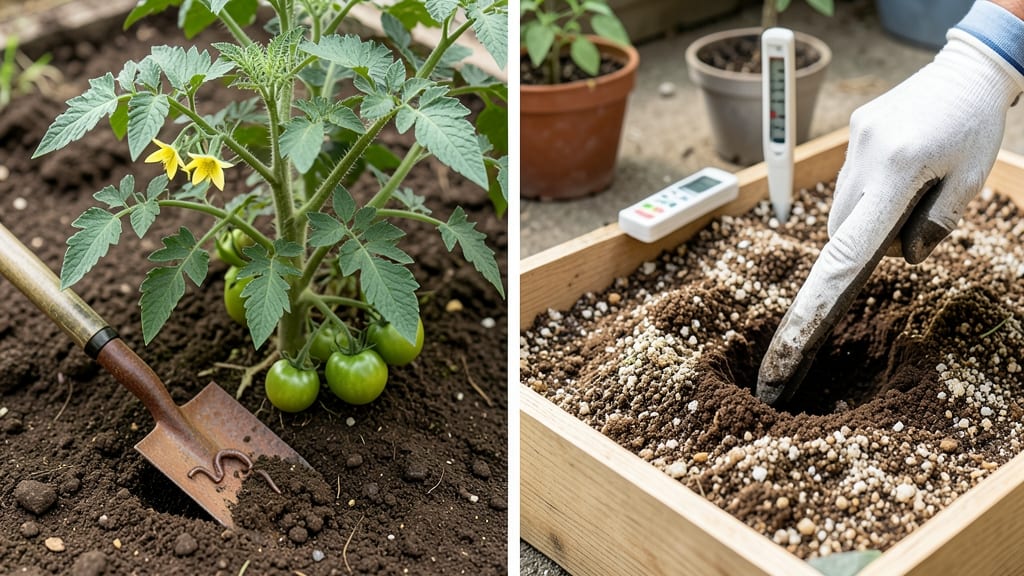
The right soil texture makes all the difference for root growth—whether you're digging in-ground or filling raised beds. 🌱 I've tested both methods for years, and the loose, airy texture in raised beds consistently produces stronger plants, but in-ground soil has its own advantages when you know how to work with it.
In-ground soil is what nature provides, but it often needs amendments to improve drainage and aeration. Clay-heavy soils can suffocate roots, while sandy soils drain too quickly. Raised beds, on the other hand, let you control the mix entirely—combining compost, peat, and perlite for perfect balance.
The trade-off? Raised beds cost more upfront but pay off with less compaction over time.
You'll notice deeper root systems in raised beds, especially for vegetables like tomatoes and peppers, while in-ground soil excels for perennials and deep-rooted shrubs. The key is testing your soil's pH and adjusting with lime or sulfur—both methods benefit from this step.
For raised beds, I swear by a 60-40 mix of topsoil and compost to keep roots happy.
Choose raised beds for high-value crops or poor native soil, and stick with in-ground for low-maintenance perennials or large-scale planting. Either way, a soil test is your first step—it reveals what each method needs to truly shine.
The first option explained
If you're dreaming of a lush, thriving garden with minimal fuss, in-ground soil might just be your perfect match! 🌱 This classic gardening option involves planting directly into the natural earth, leveraging the soil already present in your yard. Here’s what makes it a top choice for many gardeners:
🌍 Key Characteristics
- Natural Composition: In-ground soil is a mix of organic matter, minerals, and microorganisms that develop over time. It’s often rich in nutrients from decomposed plants and animal matter.
- Depth and Space: Roots can spread freely, accessing deeper layers of soil for water and nutrients. Ideal for large plants, trees, and deep-rooted vegetables like carrots or potatoes.
- Temperature Regulation: The earth naturally insulates roots, protecting them from extreme temperature fluctuations—perfect for perennial plants or cold-hardy crops.
🌟 Benefits of In-Ground Soil
- Cost-Effective: No need to buy or build raised beds—just use what Mother Nature provided! 💰
- Eco-Friendly: Minimizes resource use (like wood or fabric for raised beds) and supports natural soil ecosystems.
- Ideal for Large-Scale Planting: Perfect for lawns, orchards, or expansive vegetable gardens where space isn’t a constraint.
- Better for Heavy or Bulky Plants: Trees, shrubs, and deep-rooted plants thrive with the stability and depth of in-ground soil.
🌿 Typical Use Cases
In-ground soil shines in scenarios where you have:
- Ample Space: Large yards, farms, or rural properties benefit from the room to grow.
- Established Soil Quality: If your soil is already fertile (or can be easily amended with compost), in-ground planting is low-maintenance and rewarding.
- Long-Term Projects: Perennial gardens, fruit trees, or permanent landscaping thrive with the stability of natural soil.
Pro Tip: 💡 If your in-ground soil is clay-heavy or sandy, don’t fret! Amend it with compost, organic matter, or mulch to improve texture and fertility before planting.
The second option explained
Option B: Raised Bed Soil 🌱✨
If you're dreaming of a garden that’s easier on your back, more productive, and packed with customizable soil, raised bed soil might be your perfect match.
Unlike in-ground soil, raised beds offer a controlled environment where you can fine-tune the mix to suit your plants' needs—whether it's veggies, flowers, or herbs. Here’s why this option is a game-changer for many gardeners:
🔍 Key Characteristics
- Customizable Soil Mix: You can blend loose, well-draining soil with compost, peat moss, or coconut coir to create the ideal texture for root growth. This is especially helpful if your native soil is heavy clay or sandy.
- Warms Up Faster: Raised beds absorb heat quicker in spring, giving you a longer growing season. Perfect for cool climates or early plantings!
- Better Drainage: Since the soil isn’t compacted like in-ground soil, excess water drains away, reducing the risk of root rot.
- Weed and Pest Control: The elevated design makes it harder for weeds to invade, and some pests (like slugs) avoid the higher ground.
🌟 Top Benefits
- Easier Maintenance: No bending or kneeling—just step into the bed and tend to your plants with ease. Your back will thank you!
- Higher Yields: Raised beds promote deeper root systems and better aeration, leading to healthier, more productive plants.
- No Soil Compaction: Heavy foot traffic or machinery can compress in-ground soil over time, but raised beds stay fluffy and inviting for roots.
- Versatile for Small Spaces: Ideal for balconies, patios, or urban gardens where in-ground planting isn’t an option.
🌿 Typical Use Cases
Raised beds shine in these scenarios:
- Vegetable Gardens: Perfect for tomatoes, peppers, lettuce, and herbs—plants that thrive in loose, nutrient-rich soil.
- Flower Beds: Create stunning displays with perennials, annuals, or even hanging baskets around the edges.
- Container Gardening: Use raised beds to grow dwarf fruit trees, strawberries, or microgreens in small spaces.
- Rehabilitating Poor Soil: If your yard has rocky, clay-heavy, or contaminated soil, raised beds let you start fresh.
Pro Tip: 💡 For the best results, mix 60% loose topsoil, 30% compost, and 10% perlite or vermiculite to keep the soil light and airy. Add a slow-release fertilizer to give your plants a nutrient boost from day one!
Key differences
🌱 Soil Composition & Texture
When it comes to texture, in-ground soil often starts with a mix of native minerals, clay, sand, and organic matter—but its consistency can vary widely depending on your location.
Heavy clay soils (common in many regions) may compact easily, restricting root expansion, while sandy soils drain too quickly, leaving nutrients washed away.
On the other hand, raised bed soil is a blank canvas: you control the blend of loamy, well-draining mixes, often enriched with compost, coconut coir, or perlite to achieve that perfect loose texture for roots.
Think of it like comparing a packed dirt road to a fluffy garden bed—one fights your plants, the other cradles them!
💧 Drainage & Moisture Control
In-ground soil can be a hit-or-miss scenario for drainage. After heavy rains, water may pool or seep away too fast, leaving roots thirsty or suffocated. Raised beds, however, offer superior control—their elevated design prevents waterlogging, and you can tweak the soil mix to retain moisture without sogginess.
Pro tip: 💡 Add vermiculite or hydrogel crystals to raised beds for that Goldilocks zone of hydration!
🌡️ Temperature & Seasonal Stability
In-ground soil is at the mercy of Mother Nature: it heats up faster in summer and chills to the bone in winter, which can stress plants. Raised beds, however, warm up earlier in spring and stay cooler in summer—thanks to their ability to insulate better and avoid direct ground contact.
For gardeners in colder climates, this means longer growing seasons, while hot-zone gardeners benefit from reduced heat stress. It’s like giving your plants a cozy thermal jacket!
🛠️ Ease of Maintenance & Amendments
Tilling in-ground soil to improve texture or fertility can be backbreaking work, especially if it’s rocky or compacted. Raised beds, however, let you easily swap out or refresh soil without heavy machinery.
Need to boost nutrients? Just top off with compost. Want to adjust drainage? Mix in sand or peat moss. It’s the difference between digging a trench and fluffing a pillow—way more satisfying!
🐛 Pest & Weed Management
In-ground gardens are open season for pests like gophers, grubs, and weeds sneaking in from the surrounding soil. Raised beds create a natural barrier, reducing burrowing pests and making it harder for weeds to invade.
Plus, you can add hardware cloth or copper tape for extra defense. That said, in-ground soil can still win for beneficial insects like earthworms, which thrive in undisturbed native soil.
💰 Cost & Long-Term Investment
| In-Ground Soil | Raised Bed Soil |
|---|---|
| ✅ Free or low-cost (uses existing land) | ⚠️ Upfront cost for bed frames, soil, and amendments |
| ❌ Ongoing amendments (fertilizers, tilling) | ✅ One-time premium mix lasts years with top-ups |
While in-ground soil saves upfront, raised beds may pay off in time and effort saved over time. Think of it like renting vs. buying: in-ground is the rental, raised beds are the foreclosure-worthy investment!
When to choose which
Choosing between in-ground soil and raised bed soil depends on your gardening goals, climate, and available resources. Here’s when each option shines:
🌱 Opt for In-Ground Soil When:
- You’re planting perennials or large shrubs—deep roots thrive in natural soil layers.
- Your climate has stable moisture levels—in-ground soil retains water better in humid areas.
- You want minimal maintenance—no borders or framing means less upkeep.
- Soil testing shows healthy, well-draining native soil—avoid digging if your ground is already ideal!
🏡 Choose Raised Beds When:
- Your soil is poor, rocky, or compacted—raised beds let you customize soil texture and fertility.
- You’re growing vegetables or annuals—warmer soil in spring and better drainage speed up growth.
- You have limited space or mobility issues—raised beds reduce bending and maximize small areas.
- You live in a cold or wet climate—elevated beds drain faster and warm up quicker.
- Pest control is a priority—raised beds deter burrowing critters like gophers or grubs.
Pro Tip: 💡 For maximum flexibility, consider a hybrid approach—use raised beds for veggies and in-ground planting for perennials! Mixing both can balance ease and natural growth conditions.
The bottom line
Choosing between in-ground soil and raised bed soil comes down to your garden’s needs, climate, and goals. In-ground soil offers natural, nutrient-rich depth and cost-effectiveness but may struggle with drainage or compaction.
Raised beds, on the other hand, provide better control over soil quality, faster warming, and fewer weeds—ideal for small spaces or heavy clay. 🌱
For root-heavy plants like carrots or potatoes, loose, well-draining raised bed soil wins. But if you’re growing sprawling veggies (think squash or corn) or have deep, fertile native soil, in-ground might be your best bet. Pro tip: Test your soil first!
A mix of both—like raised beds over in-ground bases—can give you the best of both worlds. Happy gardening! 🌿