
Lawn
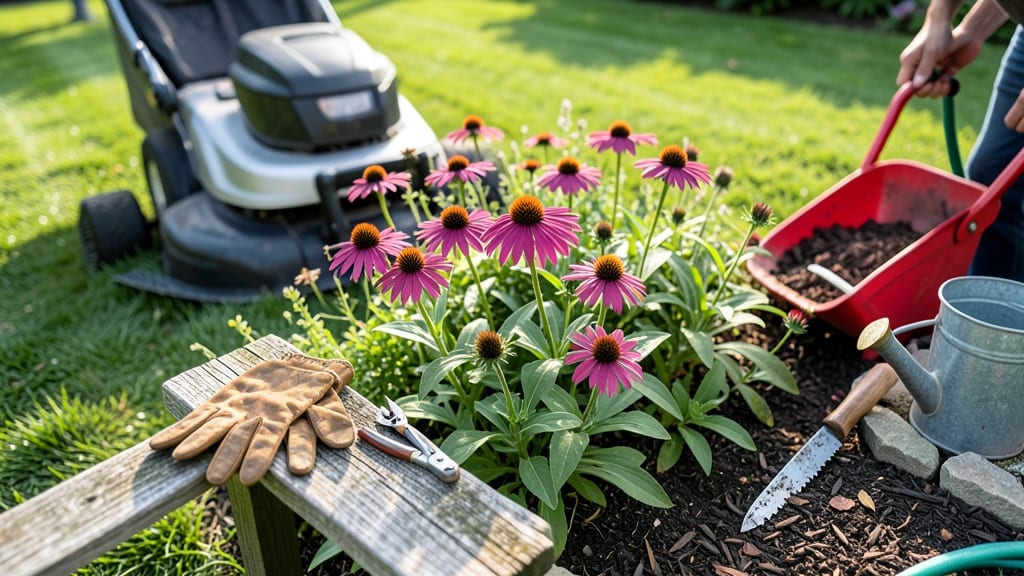
Lawn and flower bed maintenance requires seasonal care including mowing at the right height, watering deeply in the morning, fertilizing based on soil tests, and mulching to retain moisture while protecting roots from temperature swings. Weeding and pruning also prevent overgrowth and encourage healthy blooms.
Keeping your outdoor space thriving isn't just about aesthetics—it's about understanding how each task supports plant health.
For example, mowing at the correct height (usually 2-3 inches for lawns) strengthens grass roots by encouraging deeper growth, while morning watering prevents fungal diseases by allowing foliage to dry before nightfall. 🌱 Soil tests reveal nutrient deficiencies so you can apply the right fertilizer (like a nitrogen boost in spring or potassium in fall), and mulching acts like a natural blanket, regulating soil temperature and locking in moisture.
These small, consistent efforts add up to a lush, low-maintenance landscape over time.
What many gardeners overlook is how seasonal timing affects results. Pruning spring-blooming shrubs right after they flower preserves next year's blooms, while fall is the best time to divide perennials for stronger root systems.
In warmer climates, you might extend your maintenance window into late fall, but in colder zones, early spring aeration becomes critical for breaking up compacted soil before the growing season kicks in.
💡 In This Article
- Seasonal Lawn and Flower Care Breakdown
- Time-Saving Tools and Techniques for Busy Gardeners
Seasonal lawn and flower care breakdown
Spring is all about revival, and the first task—aeration—isn’t just about poking holes in your lawn. This process physically breaks up compacted soil, allowing air, water, and nutrients to reach grass roots up to 6 inches deep.
Without aeration, soil can become as dense as concrete, suffocating roots and leaving your lawn vulnerable to drought and pests. 🌱 Think of it like giving your lawn a deep breath after winter’s long nap.
For flower beds, spring is also prime time to divide perennials, which stimulates new growth by encouraging roots to branch out.
Summer’s heat demands strategic watering—deep and infrequent is the golden rule. Watering lightly every day only wets the top ½ inch of soil, encouraging shallow roots that struggle in drought.
Instead, aim for 1-1.5 inches per week, delivered in the early morning to minimize evaporation and fungal risks. Mulching with 2-3 inches of organic material (like shredded bark) keeps soil temperatures 10-15°F cooler than bare ground, reducing stress on plants.
Pruning during summer isn’t just about looks—it’s about airflow. Overgrown foliage traps humidity, creating the perfect conditions for powdery mildew, a fungal disease that thrives in 75-85°F temperatures with high moisture.
Fall is your chance to prepare for winter’s chill. Fertilizing with a high-potassium blend (like 10-10-20) in late fall strengthens cell walls, helping plants withstand freezing temperatures. For lawns, this is also the time to overseed—cool-season grasses like fescue and ryegrass germinate best when soil temps hover around 55-65°F.
In flower beds, cutting back dead stems (but leaving seed heads for winter interest) prevents energy-draining regrowth while protecting tender perennials with a 4-6 inch layer of mulch—this acts like a thermal blanket, insulating roots from 20°F temperature swings that can damage cell structures.
Winter care varies wildly by climate zone. In colder regions (USDA zones 3-5), dormant plants need minimal attention, but checking for rodent damage and removing ice buildup on evergreens prevents needle loss.
In milder zones (6-8), winter is prime time for soil testing—since plants aren’t actively growing, you can amend soil with compost or lime without disrupting roots.
The key is understanding your zone’s last frost date: in zone 7, for example, you might still plant cool-season veggies in October, while zone 4 gardeners wait until May.
What most gardeners miss is how microclimates within your yard create localized conditions. A south-facing flower bed bakes in summer, while a north-facing area stays cooler—adjust watering and mulching accordingly.
For instance, succulents in full sun may need water only every 2-3 weeks, while shade-loving hostas thrive with weekly moisture. Using a simple soil thermometer ($15 at garden centers) helps track these variations, ensuring you’re not over- or under-watering based on guesswork.
Pro tip: Keep a seasonal checklist with your zone’s specific deadlines. For example, in zone 5, prune spring-flowering shrubs (like lilacs) immediately after blooming**—waiting until summer removes next year’s flower buds. Timing is everything, and a misstep can mean the difference between a lush garden and a struggle. 💫