
Tools
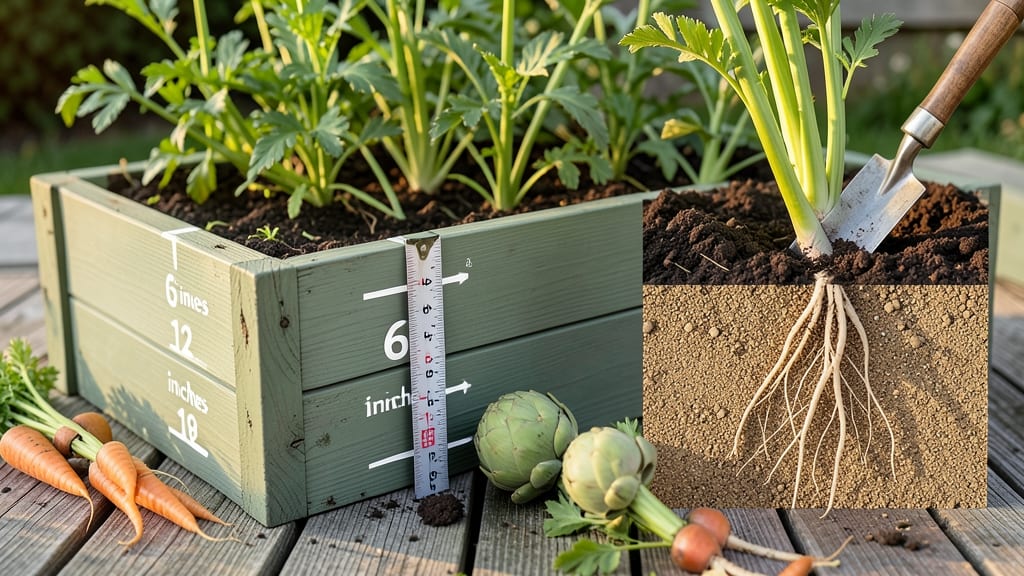
Determining optimal raised garden bed depth depends on your plants' root systems: standard beds should be 6 to 12 inches deep for most vegetables and herbs, while root crops like carrots or potatoes thrive in deeper beds (12–18 inches). Proper depth ensures adequate soil volume, drainage, and nutrient access for healthy growth.
Most gardeners focus on bed height for aesthetics, but the real magic happens below the surface. 🌱 A deeper bed—especially 12–18 inches—gives root crops like parsnips or beets the space they need to develop fully, while shallower beds (6 inches) work perfectly for leafy greens or strawberries.
The key is matching your plants' natural growth patterns to the soil volume available. For example, tomatoes with their extensive root systems benefit from deeper beds, while herbs like basil thrive in just 6–8 inches of soil.
Poor drainage or compacted soil can also force you to adjust depths, so always consider your local soil conditions when planning.
What's interesting is how bed depth affects soil health over time. Deeper beds warm up more slowly in spring but retain moisture better during dry spells. I've found that adding compost or organic matter to the bottom layer creates a nutrient-rich zone that encourages deeper root growth.
For small spaces, consider vertical gardening techniques or layered beds to maximize root space without sacrificing garden area.
💡 In This Article
- How Root Systems Influence Raised Garden Bed Depth
- Building the Perfect Raised Bed: Depth Guide by Plant Type
How root systems influence raised garden bed depth
Plant roots aren't just passive structures—they're dynamic systems that determine how deep your garden bed needs to be. Shallow-rooted plants like lettuce or radishes thrive in just 4-6 inches of soil because their roots spread horizontally rather than vertically.
These plants prioritize quick nutrient access near the surface where microbial activity is highest. In contrast, deep-rooted crops like asparagus or sweet potatoes need 12-18 inches to develop fully, as their roots must reach moisture and nutrients stored deeper in the soil profile.
The science gets even more interesting when you consider how root systems interact with soil aeration.
Deeper beds (12+ inches) create better oxygen exchange throughout the root zone, which is crucial for plants that produce extensive root systems. 🌱 For example, carrots need loose, well-aerated soil to grow straight and avoid forking—a problem that occurs when roots encounter compacted layers.
The ideal raised bed depth for carrots is 12-18 inches because it mimics their natural growth pattern in loose, fertile soil. Shallow beds force roots to grow sideways, resulting in stunted or deformed vegetables.
Nutrient absorption works differently at various depths too. Surface-level soils (top 6 inches) are rich in organic matter but often lack the minerals found deeper.
Plants like tomatoes, which need consistent nutrient delivery, benefit from deeper beds where they can access a wider range of nutrients over their growing season.
The deeper root zone also helps stabilize plants during wind or heavy rain, reducing the risk of toppling—a common issue with shallow-rooted plants in raised beds.
Drainage is another critical factor tied to root depth. Shallow beds (6 inches) can dry out quickly, forcing plants to compete for moisture in the topsoil layer. Deeper beds (12-18 inches) maintain moisture longer and prevent the "bathtub effect" where water pools at the bottom.
This is why root crops like parsnips (which can grow 2 feet deep) perform poorly in shallow beds—their roots simply can't reach the moisture they need to mature.
Here's a practical tip: if you're growing a mix of plants, consider creating "root zones" within your bed. For example, dedicate one side to shallow-rooted herbs (6 inches) and the other to deep-rooted vegetables (12+ inches).
This layered approach maximizes space while meeting each plant's specific needs. The key is observing how your plants grow—if leaves yellow or plants wilt despite regular watering, it's often a sign the roots aren't reaching sufficient soil depth.
One common misconception is that deeper always means better. While root crops love depth, overdoing it (beyond 18 inches) can create maintenance challenges. The extra soil volume requires more compost and water, and deeper beds take longer to heat up in spring.
For most home gardens, 12 inches strikes the perfect balance between root space and practicality.