
Landscaping
Maximize your harvest in limited space with these creative potato bed ideas that extend growing seasons and boost yields—perfect for urban gardeners, small homesteads, or anyone craving fresh potatoes year-round.
Vertical Straw Bale Potato Towers
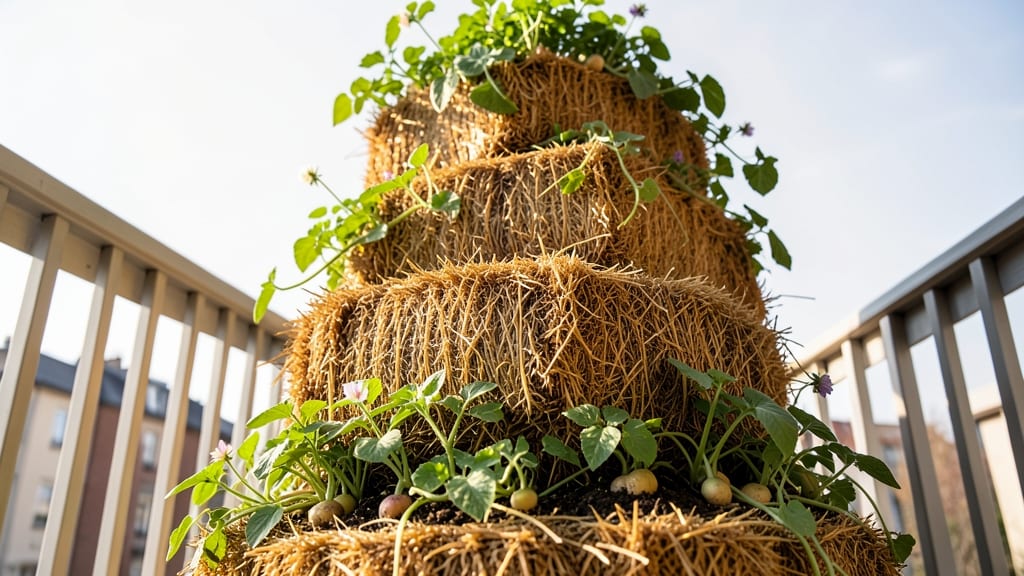
Turn your balcony or patio into a potato powerhouse with vertical straw bale towers—a space-saving hack that lets you grow three to four varieties in a single setup. These towers transform bulky bales into a tiered growing system where potatoes thrive in stacked layers, freeing up precious floor space while maximizing yield.
Start by stacking two to three bales (or repurposed hay bales) on a sturdy base, leaving gaps between layers for drainage. Fill each bale with moistened, seed-free straw mixed with compost, then plant seed potatoes at the top layer, spacing them 6-8 inches apart. As the plants grow, gently tuck new potatoes into the gaps between bales—this vertical method encourages deeper tuber formation while keeping the harvest accessible. Water deeply two to three times per week, and watch as your tower becomes a lush green spire by midsummer.
This method is a game-changer for urban gardeners or anyone with limited square footage, offering a 4-6 week extended harvest by staggering plantings. Plus, the rustic charm of straw bales adds a cozy, farmhouse vibe to small spaces. 🌱
Hill-and-Furrow Raised Beds
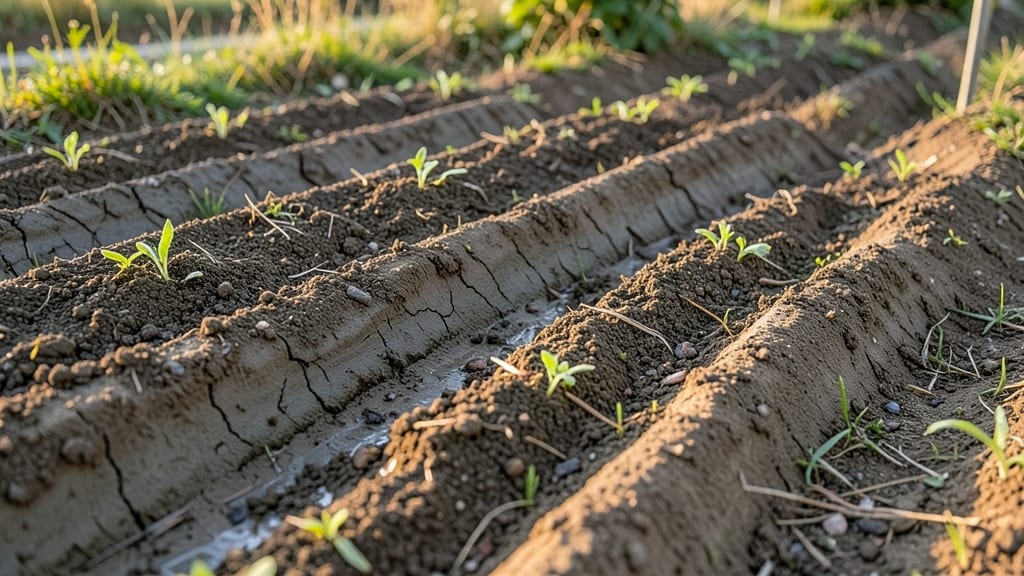
If your garden struggles with clay-heavy soil that drains poorly, hill-and-furrow raised beds are your secret weapon. This classic method transforms compacted soil into loose, aerated layers where potatoes can grow deeper without battling waterlogged conditions.
Start by shaping long, narrow mounds (hills) 12-18 inches high with furrows between them. Plant seed potatoes at the top of each hill, spacing them 12 inches apart. As plants grow, gently mound soil around the stems to encourage deeper tuber formation. The raised structure improves drainage while reducing weeds—no more backbreaking tilling or soggy soil.
Perfect for gardeners with heavy clay or limited mobility, these beds also work wonders in small spaces where traditional rows aren’t practical. The open design lets air circulate freely, preventing disease and giving you bigger, healthier potatoes with minimal fuss. 🌱
Container Grown Potatoes in Fabric Pots
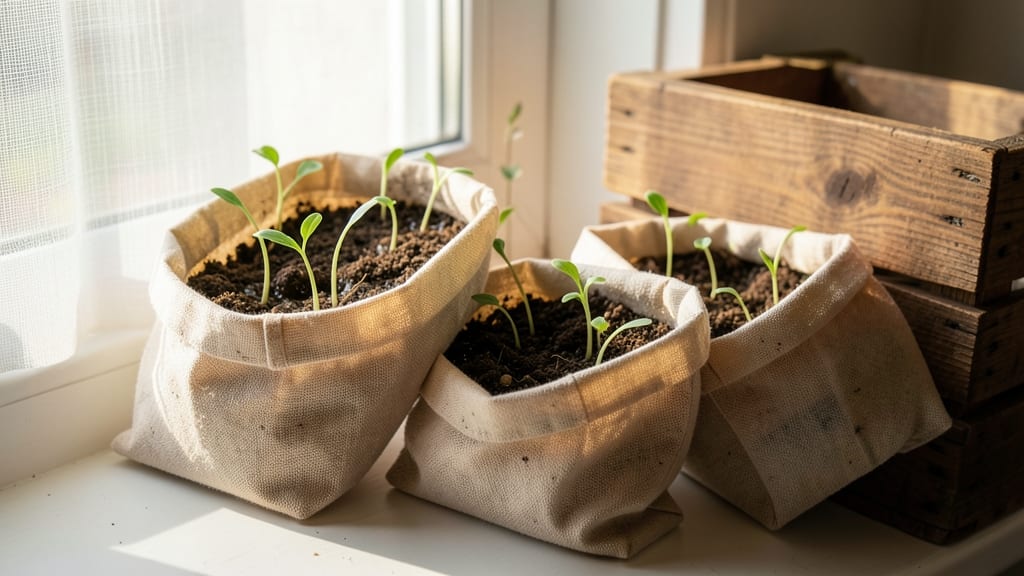
If you rent an apartment or face early frosts, fabric pots are your secret weapon for growing potatoes year-round. Unlike rigid containers, these breathable bags prevent root circling and let excess water drain—critical for preventing rot in tubers. Plus, they’re lightweight enough to move indoors when temperatures dip.
Start with early-maturing varieties like ‘Yukon Gold’ or ‘Red Norland’ in 5-gallon fabric pots, planting seed potatoes 4 inches deep. As vines grow, mound soil around the stems to encourage tuber formation. The real magic? When frost threatens, simply carry pots into a garage or sunroom—potatoes keep growing until you’re ready to harvest. No permanent garden bed required!
This method is perfect for urban gardeners or anyone with limited outdoor space. Fabric pots also break down naturally, reducing waste—ideal for eco-conscious growers. 🌱
Underground Potato Cloche Beds
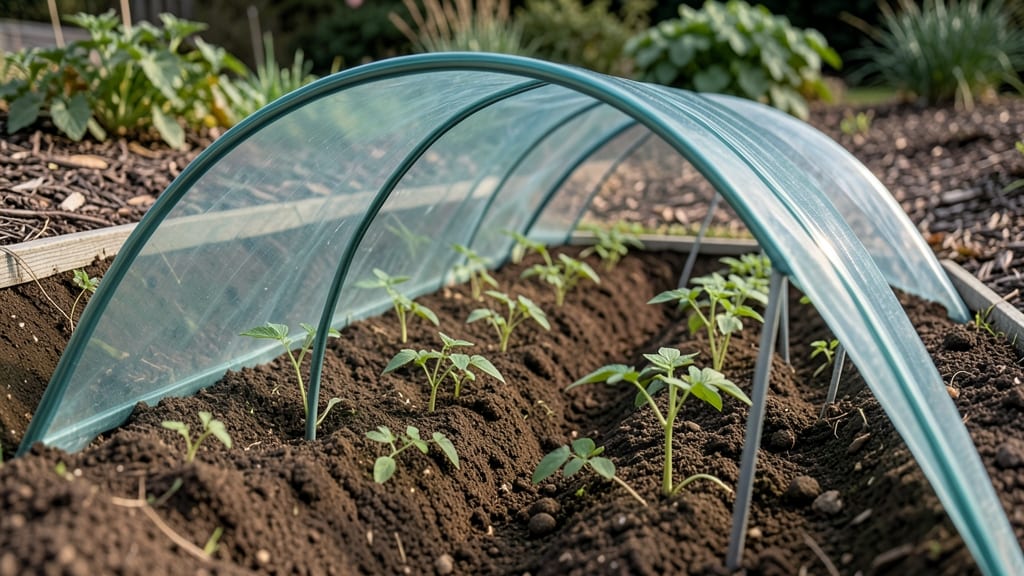
Want to beat frost and pests while harvesting potatoes two months early or extending your season into fall? Underground potato cloche beds create a cozy, protected growing environment without expensive greenhouses.
Start by digging a 12-inch-deep trench and lining it with clear plastic arches (or repurposed PVC pipes). Plant seed potatoes in layers every 3-4 inches, covering each layer with soil. The plastic traps heat during the day and insulates at night, protecting tubers from late spring frosts and wireworms. For late-season extension, plant a second crop in August—harvest before the first hard frost.
This method is ideal for gardeners in short-season climates or those who want to maximize small spaces. With minimal setup, you’ll enjoy earlier harvests and fewer pest problems. 🌱
Intercropped Potato and Green Manure Beds
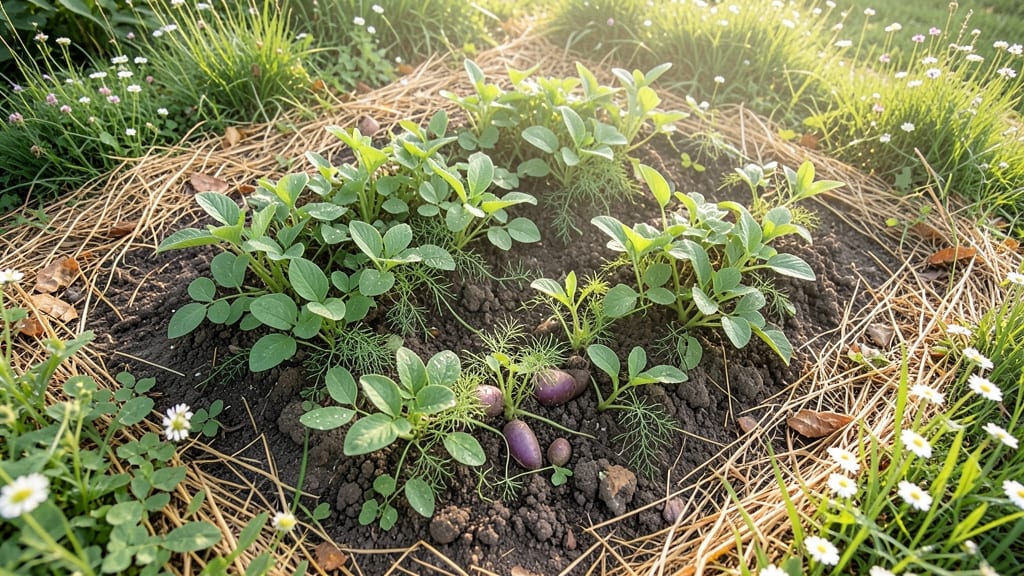
Want to grow potatoes without the hassle of synthetic fertilizers or pest battles? Try intercropping with green manure—a natural powerhouse that turns your potato bed into a self-sustaining ecosystem.
Plant potatoes alongside clover or vetch (both nitrogen-fixing legumes) to feed your soil while suppressing weeds. The clover’s dense foliage blocks weeds, and its roots release nitrogen, reducing the need for fertilizers. For best results, sow clover in early spring and plant potatoes after it’s established, or mix seeds directly in the bed. This method also deters pests like Colorado potato beetles, thanks to the clover’s strong scent.
Perfect for organic gardeners or those aiming for longer harvests, this technique extends your growing window by 3-5 weeks—no extra work required! 💚
Hanging Potato Sack Gardens
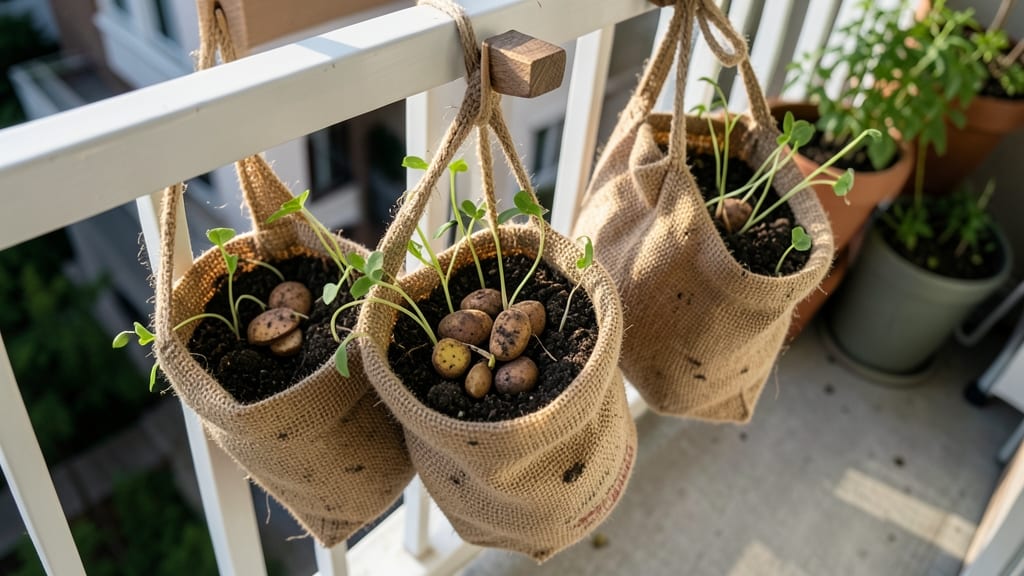
Turn your balcony or fence into a potato patch with hanging potato sack gardens—a whimsical yet practical way to grow fingerling potatoes in tight spaces. Simply fill sturdy burlap sacks with soil, hang them at eye level, and plant potato pieces in layers as they sprout. This vertical method frees up ground space while creating a charming, rustic display.
Choose early-maturing varieties like 'Yukon Gold' or 'Red Pontiac' to ensure tubers form before the sacks get too heavy. Water thoroughly when the top inch of soil dries out, and fertilize lightly with compost tea every 3-4 weeks. The sacks’ breathable material prevents rot while allowing roots to expand downward naturally. Perfect for urban gardeners or anyone with limited square footage!
This method is especially great for beginners—just hang, plant, and watch your potatoes grow without the need for heavy lifting or large garden plots. 🌱
Cold Frame Potato Extenders
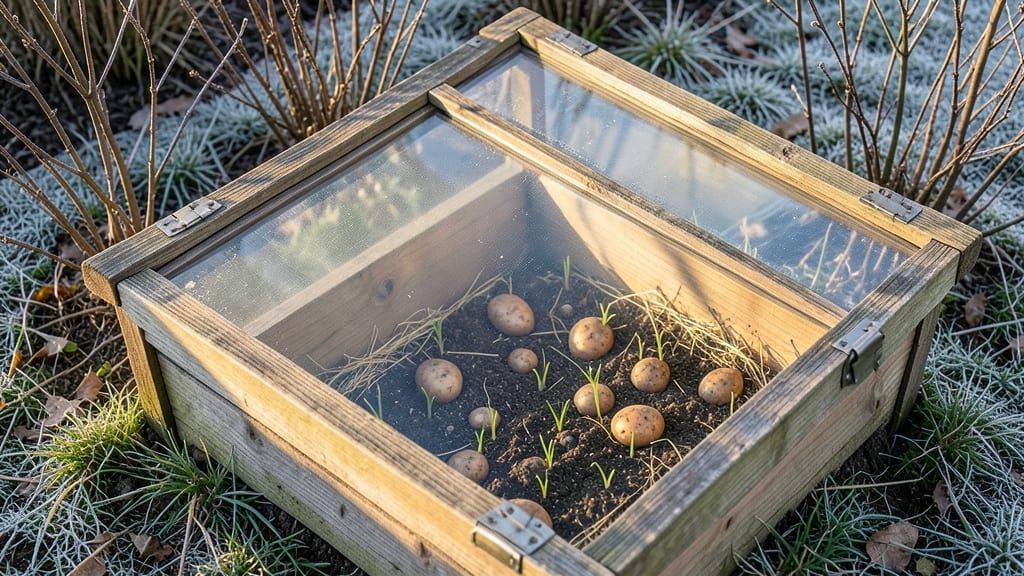
Want to keep harvesting potatoes long after your neighbors have given up for the season? A cold frame turns your garden into a winter potato extender, letting you plant 6-8 weeks before the last frost and protect tubers until spring.
This low-tech greenhouse traps sunlight during the day and holds warmth overnight, creating a microclimate that keeps potatoes growing through early winter or even into late fall. Simply cover the frame with thick straw mulch once temperatures drop below freezing—this extra insulation prevents soil from freezing solid while allowing light to reach the plants. Varieties like Yukon Golds or Red Pontiacs thrive in these conditions, giving you a head start on spring planting or a late-season harvest.
Cold frames are ideal for gardeners in USDA Zones 3-6 who want to maximize their potato yield without expensive equipment. Even beginners can master this method—just add a clear lid and monitor moisture levels. 🌱
Potato and Garlic Companion Beds
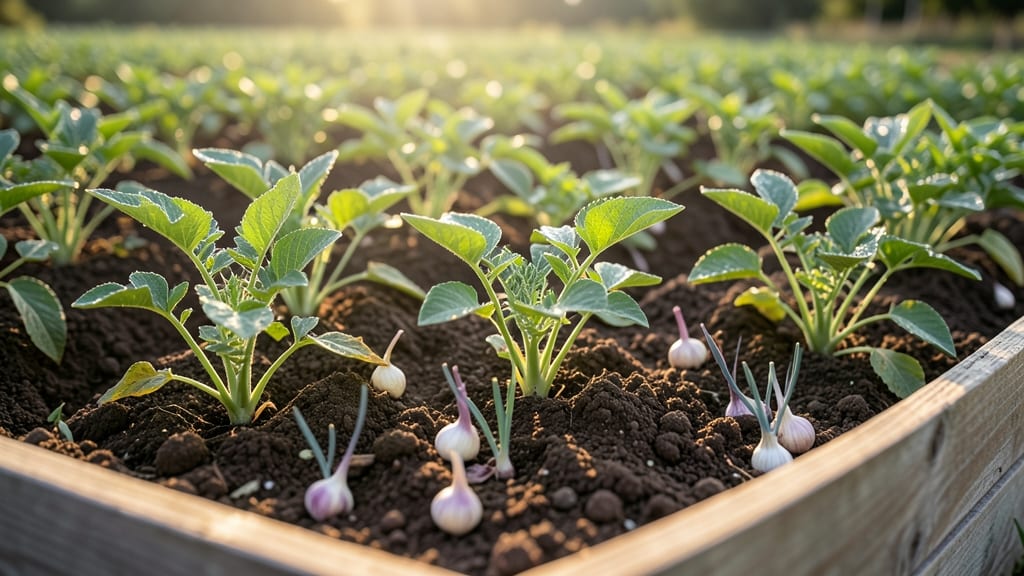
Tired of losing your potato harvest to pests or struggling with storage? Garlic is your secret weapon—this dynamic duo not only deters aphids and beetles naturally but also makes your potatoes last 2 months longer after harvest.
Plant garlic cloves every 6-8 inches alongside potato rows, spacing them slightly deeper than potatoes. The strong aroma repels pests while the sulfur compounds in garlic slow tuber spoilage. For best results, use hardneck garlic varieties like Rocambole or Silverskin, which thrive in cooler climates where potatoes also excel.
This low-maintenance combo is perfect for organic gardeners or anyone looking to reduce pesticide use. Plus, you’ll get two harvests in one bed—fresh garlic in summer and potatoes in fall! 🌱
Tiered Pallet Potato Planters
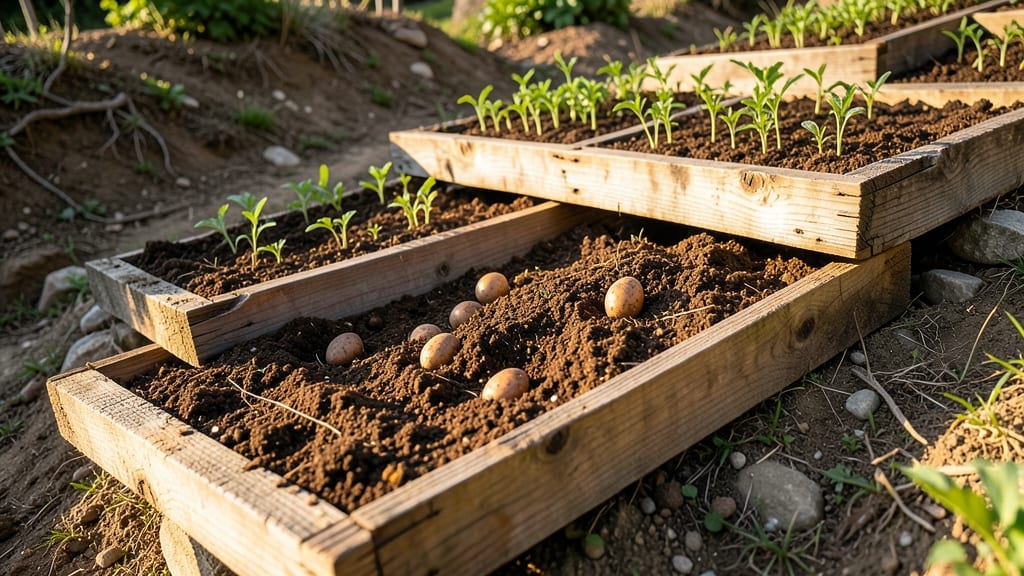
Transform a tricky sloped garden into a productive potato paradise with tiered pallet planters—a clever way to grow more in less space while preventing soil erosion. Stack wooden pallets at angles to create natural terraces, then fill each layer with loose, well-draining soil perfect for tuber development.
Start by placing pallets on their sides, securing them with stakes or bricks to prevent shifting. Plant seed potatoes in each tier, spacing them 12 inches apart, and water deeply at the base to encourage roots to grow downward through the layers. This method lets you grow multiple potato varieties simultaneously, with each tier producing a fresh harvest as they mature. The elevated design also makes harvesting easier—no more bending over muddy soil!
Perfect for urban gardeners with slopes or anyone looking to upcycle materials, these planters double as a rustic garden feature while maximizing your harvest. Just ensure pallets are untreated wood to avoid chemical leaching into your soil. 🌱
Mulch-Heaped Potato Mounds

Want to squeeze extra weeks of harvest from your potato patch without extra work? Mulch-heaped potato mounds use nature’s insulation to keep tubers warm longer—ideal for fall gardeners or those eager for an early spring start.
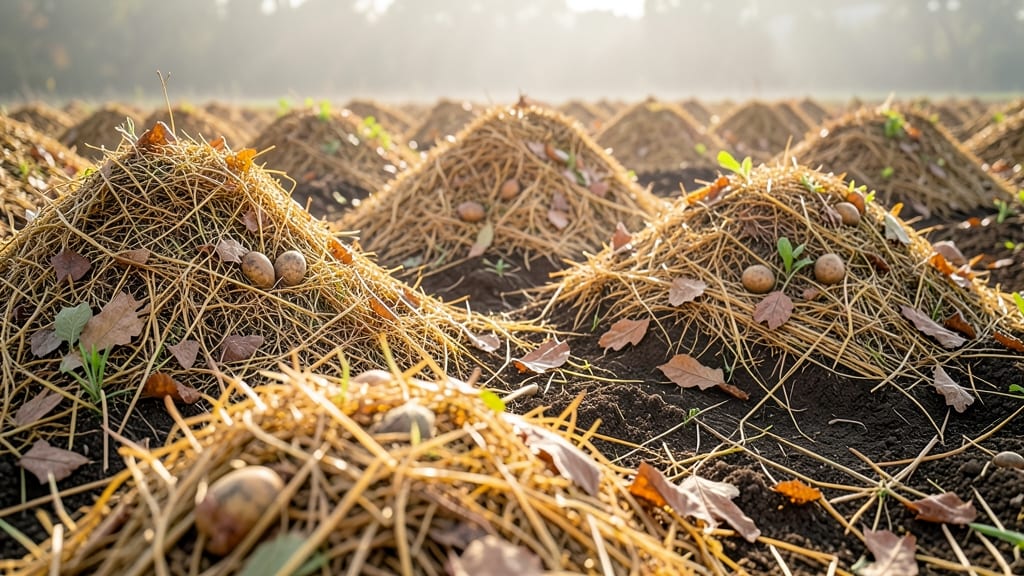
After planting seed potatoes in mounded rows, simply pile straw, leaves, or grass clippings 6-8 inches thick over the hills. This creates a passive heat blanket that delays frost damage in autumn or warms soil faster in spring. For late-season harvests, add mulch in early fall; for early starts, heap it in late winter. Avoid wet mulch to prevent rot.
This low-effort method is perfect for small-scale gardeners who want to extend harvests without complex setups. Just pile, forget, and enjoy potatoes when you need them most. 🌱