
Container Gardens
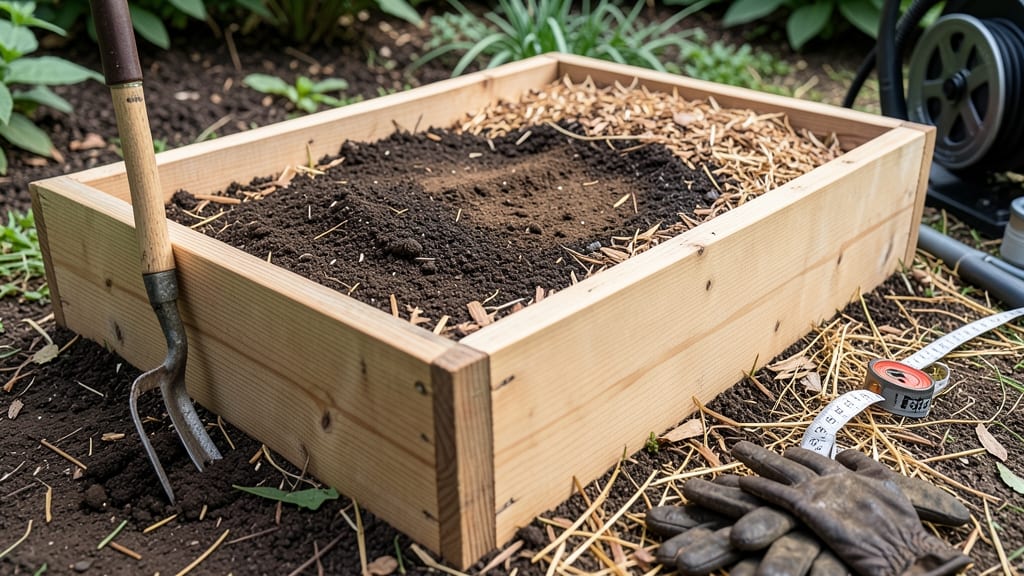
A 2x8 raised bed turns even the tiniest yard into a high-yield garden—packing 12 planting zones into just 16 square feet. But without the right layout, you’ll waste space, smother plants, or struggle to reach the back.
Picture this: your 🌱 tomatoes sprawling into the lettuce, your herbs fighting for sunlight, and weeds sneaking in between every row. That’s the nightmare of a poorly planned 2x8 bed—one that could’ve been a year-round harvest with smart spacing and companion planting.
Here’s the game-changer: divide your bed into 12 square-foot zones, each tailored to a plant’s needs. Whether you’re growing bush beans, cherry tomatoes, or microgreens, this setup ensures every inch works for you—not against you.
I’ll walk you through the exact layout, the best plants for each zone, and how to avoid the three biggest mistakes that turn a raised bed into a tangled mess. Ready to grow more in less space?
How to design a 2x8 raised bed for 12 optimal planting zones
A 2x8 raised bed gives you 16 square feet of prime growing real estate—but without a clear plan, you’ll waste space or create maintenance nightmares. The secret? Dividing it into 12 one-square-foot zones, each tailored to specific plants.
This approach, inspired by square-foot gardening, ensures every inch works for you, not against you.
Start by sketching your bed on graph paper, marking 12 equal 1x1-foot squares. This forces you to think critically about plant spacing and compatibility. For example, a 24-inch zucchini can’t share a zone with shallow carrots—but a 12-inch cherry tomato and 6-inch basil make perfect neighbors.
The goal? Maximize yield without overcrowding.
Before planting, consider sun exposure. Most vegetables need 6+ hours of sunlight, but herbs like thyme tolerate partial shade. Place sun-lovers (tomatoes, peppers) on the south side of the bed, while shade-tolerant plants (lettuce, spinach) go north. This simple tweak can double your harvest.
Now for the critical spacing rules:
Don’t forget companion planting—it’s how you turn a good garden into a great one. For example, basil near tomatoes improves flavor and deters pests, while carrots with onions confuse carrot flies. Even flowers like nasturtiums can act as trap crops, luring aphids away from your veggies.
Accessibility matters too. Place your tallest plants (like trellised cucumbers) on the north side so they don’t shade shorter crops. Keep high-maintenance plants (like lettuce that bolts in heat) near the center for easy access. And always leave 2-inch pathways between zones to prevent soil compaction and make weeding easier.
For drainage and soil health, add a 1-inch layer of gravel at the bottom before filling with soil. Mix in compost and aged manure for nutrients, and top with mulch to retain moisture. This setup ensures your
Best plants for a 2x8 raised bed: 12 high-yield combinations
A 2x8 raised bed is a gardener's secret weapon for maximizing space without sacrificing yield. By strategically pairing plants with complementary growth habits, you can create a high-yield ecosystem that thrives in just 16 square feet.
The key is balancing sun exposure, root depth, and harvest timing—so you're not left with empty zones while others overcrowd.
For example, vertical climbers like cucumbers or pole beans can share space with shallow-rooted greens like lettuce or radishes. Meanwhile, bush varieties such as cherry tomatoes or bush beans fit perfectly in the remaining gaps.
This approach ensures no sunlight or soil is wasted, and you'll enjoy a continuous harvest from spring to fall.
Seasonal rotation is another game-changer. In early spring, prioritize cool-season crops like spinach, peas, and radishes. As temperatures rise, swap them for warm-season powerhouses like peppers, eggplants, and zucchini. This keeps your bed productive year-round while reducing pests and diseases that thrive in monocultures.
Don’t overlook vertical stacking—it’s one of the easiest ways to double your yield in a 2x8 raised bed. For instance, plant pole beans or cucumbers along the north side of the bed to climb a trellis, freeing up floor space for shallow-rooted companions like lettuce or herbs.
This technique also improves air circulation, reducing the risk of fungal diseases that plague crowded beds.
For small-space staples, prioritize bush varieties and compact cultivars. Cherry tomatoes like 'Tiny Tim' or 'Patio Princess' thrive in containers and produce abundantly, while bush beans like 'Blue Lake' or 'Contender' mature quickly without sprawling.
Even microgreens can be grown in shallow trays, harvested in as little as 2-3 weeks, and replanted repeatedly.
Pro tip: Group plants with similar water needs together to simplify irrigation. For example, pair tomatoes, peppers, and basil—they all thrive with consistent moisture. Meanwhile, drought-tolerant herbs like thyme or rosemary can go in a separate zone where you water less frequently.
This zonal approach saves time and ensures no plant is over- or under-watered.