
Companion Plants
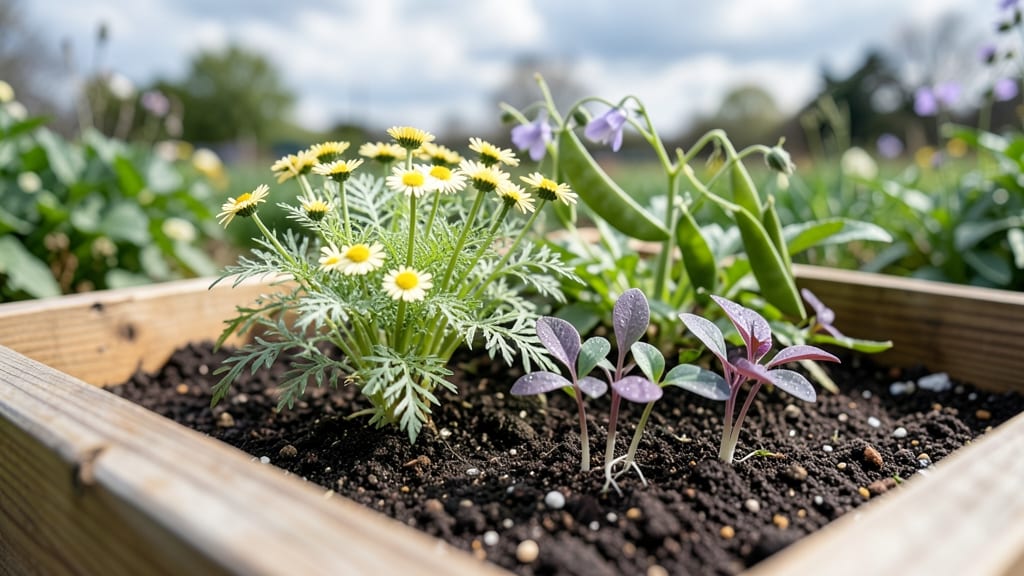
Maximize your raised bed garden’s productivity with these science-backed companion planting layouts. These space-saving pairings deter pests, improve soil health, and increase yields—all while fitting perfectly into small urban or suburban plots.
Three Sisters Garden Layout
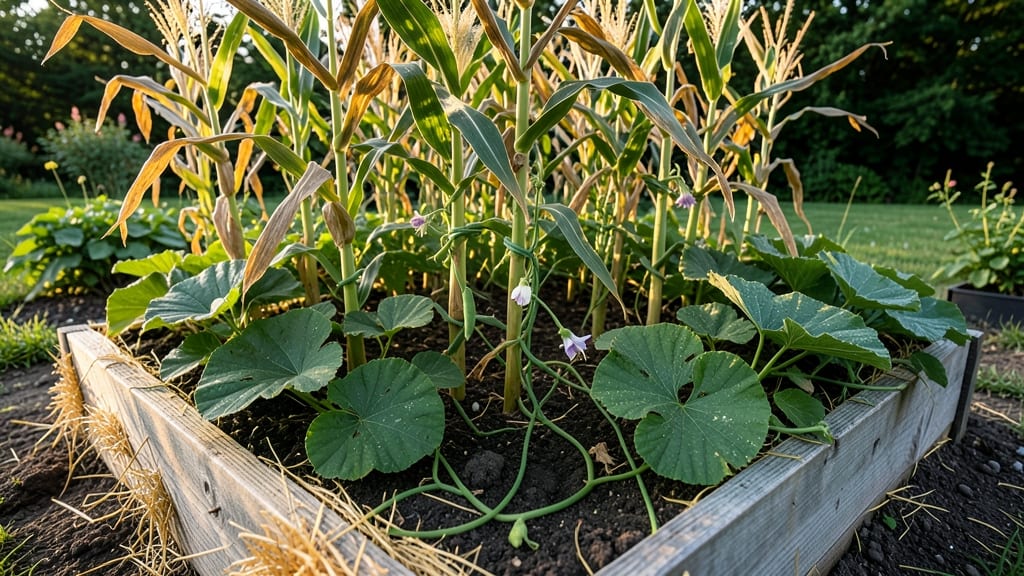
Transform your raised bed into a self-sustaining ecosystem with the Three Sisters Garden Layout—a time-tested Native American technique that combines corn, beans, and squash in a single bed. This trio isn’t just beautiful; it’s a symbiotic powerhouse where each plant supports the others in ways that maximize space, deter pests, and boost yields without extra work.
Start by planting corn in the center of your bed as the tallest support structure—its stalks provide trellis-like support for pole beans to climb, saving you the hassle of installing poles or cages. The beans, in turn, fix nitrogen in the soil, feeding the corn and squash below. Meanwhile, summer squash or winter squash sprawls along the ground, shading the soil to retain moisture and suppress weeds. For best results, space corn stalks 12-18 inches apart, plant beans around them once the corn reaches 6 inches tall, and tuck squash vines between the rows.
This layout is perfect for gardeners who want low-maintenance, high-reward beds that thrive in full sun and well-draining soil. It’s especially great for beginners or those with limited space, as it turns a single raised bed into a thriving, interconnected garden. 🌱
Herb-Calming Vegetable Beds
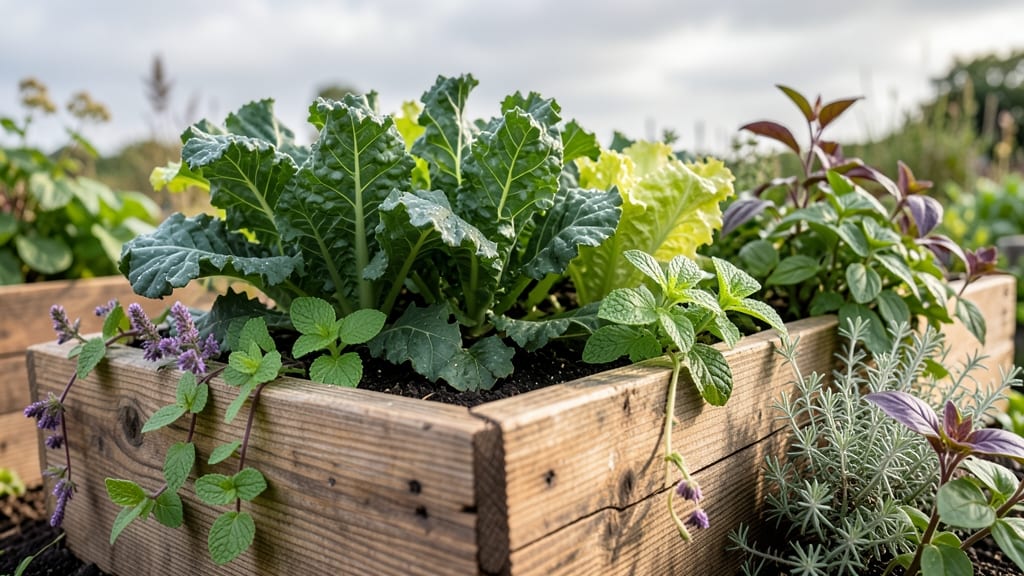
Struggling with pests ruining your leafy greens? Herb-calming beds are your secret weapon—using mint, thyme, and basil to naturally repel cabbage moths and aphids while enhancing flavor. This layout is perfect for small spaces like urban balconies or 4x8-foot raised beds.
Plant lettuce and kale alongside these herbs to create a pest-free zone. Mint’s strong scent deters pests, thyme improves soil health, and basil acts as a natural aphid repellent. For best results, place herbs in small pots or containers to control their spread—especially mint, which can take over.
Urban gardeners and beginners will love this low-maintenance approach. The herbs also provide fresh culinary options right from your bed, making it a win-win for flavor and productivity. 🌿
Tomato-Basil-Pepper Triangle
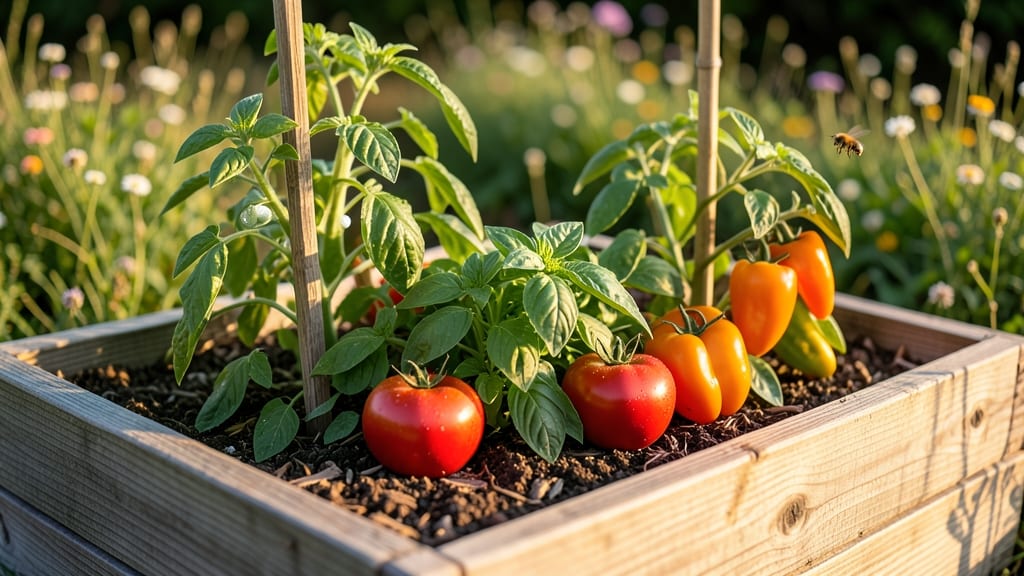
Looking for a low-maintenance, high-reward raised bed combo? The tomato-basil-pepper triangle delivers flavor, pest control, and year-round interest in just a few square feet. This Mediterranean trio doesn’t just grow well together—they actively protect each other from common pests while thriving in the same warm, well-draining soil.
Start by planting basil around the base of your tomatoes to repel whiteflies and deter tomato hornworms. Add peppers (like jalapeños or bell peppers) nearby—their strong scent confuses pests and improves tomato flavor. All three plants love full sun (6-8 hours daily) and benefit from regular mulching to retain moisture. For containers, use a 5-gallon pot per plant or a larger raised bed with 12-18 inches between each plant.
This layout is perfect for urban gardeners or beginners—it’s compact, visually striking, and produces edible rewards all season long. Plus, the aromatic basil and peppers will keep your garden smelling fresh while you harvest. 🌿
Onion-Garlic-Carrot Defense System
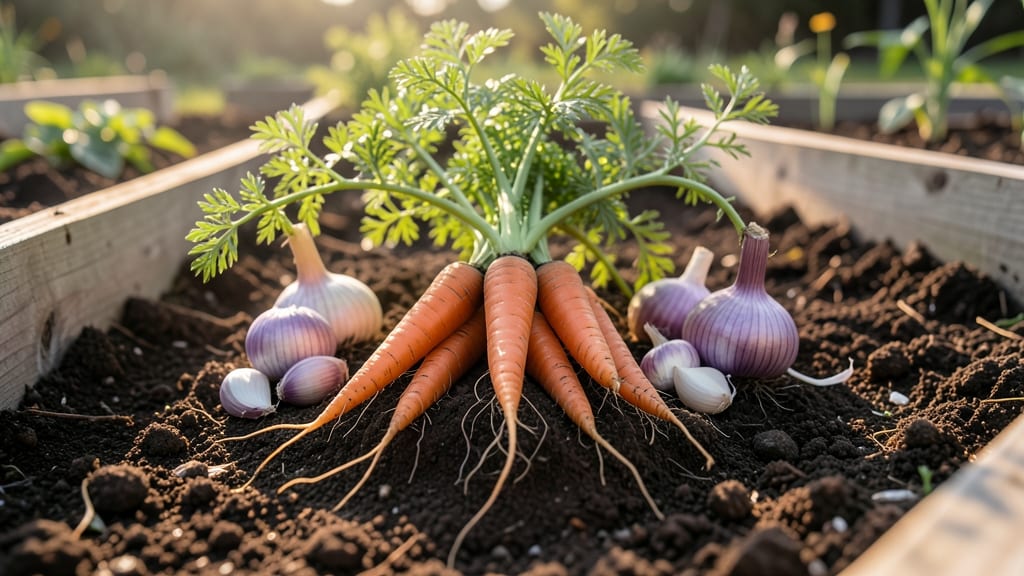
If you love growing root vegetables but struggle with carrot flies or compacted soil, this trio is your secret weapon. The onion-garlic-carrot defense system combines three powerhouse plants that work together to create healthier soil and happier harvests.
Plant onions and garlic around your carrots to naturally repel carrot flies with their strong scent, while also enhancing the flavor of your root crops. Meanwhile, carrots loosen the soil as they grow, preventing compaction and making it easier for other plants to establish roots. This layout thrives in full sun and works especially well in small raised beds where space is limited.
Perfect for urban gardeners or anyone with limited square footage, this system gives you a double benefit: fewer pests and better soil structure. 🌱
Cucumber-Marigold-Zucchini Guard
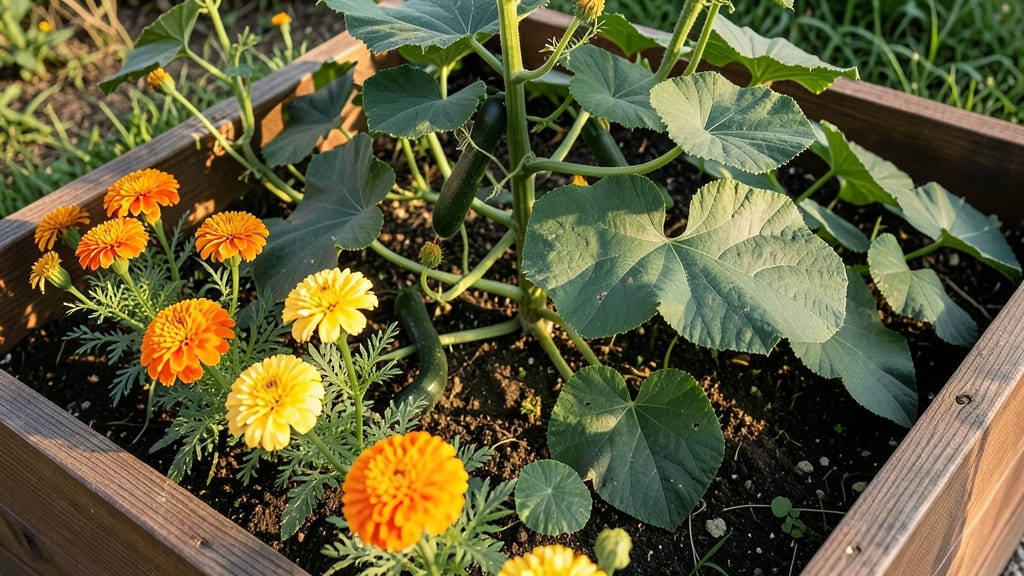
Turn your raised bed into a pest-fighting powerhouse with this dynamic trio: cucumbers, marigolds, and zucchini. The fragrant marigolds act as natural pest repellents, keeping cucumber beetles at bay, while the zucchini provides a sturdy, bushy trellis for cucumbers to climb—saving you space and reducing sprawl.
Plant marigolds at the edges of your bed to create a protective barrier, then tuck zucchini in the center as a living trellis. Allow cucumber vines to twine up the zucchini stalks, which also help shade the soil and retain moisture. This layout thrives in full sun and works especially well for urban gardeners with limited space.
Not only does this combo deter pests, but it also maximizes vertical growth—ideal for small plots or containers. Perfect for gardeners who want high yields without the mess of sprawling vines! 🌱
Lettuce-Chive-Radish Salad Bed
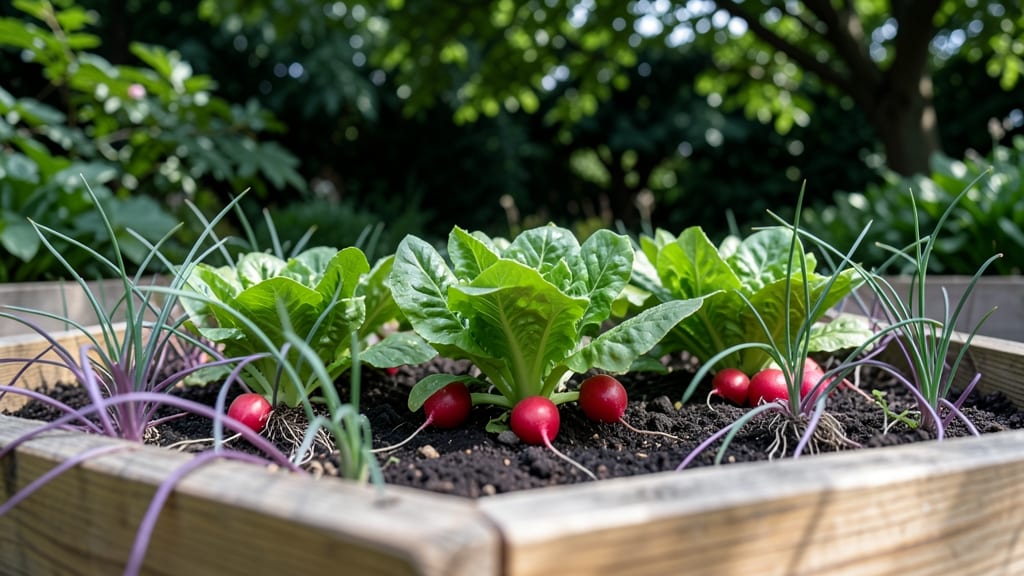
Skip the summer heat and still enjoy fresh salads with this cool-season power trio—a lettuce-chive-radish bed that thrives in partial shade while keeping pests at bay. This layout is perfect for gardeners who want quick harvests without the fuss of full-sun crops.
Plant chives along the edges—their strong scent naturally deters aphids and other soft-bodied pests, while their edible flowers add a pretty purple pop. Tuck radishes between rows of butterhead or romaine lettuce; their fast-growing roots loosen compacted soil, making it easier for lettuce to establish strong roots. For best results, sow radishes first (they mature in 3-4 weeks), then follow with lettuce seeds in early spring or late summer when temperatures dip below 80°F.
This bed is ideal for urban gardeners with limited space or anyone who wants a low-maintenance salad source without the need for fertilizers. Plus, you’ll get a harvest in 4-6 weeks—perfect for fresh spring meals or late-summer crunch. 🌿
Potato-Bush Bean-Shallot Stack
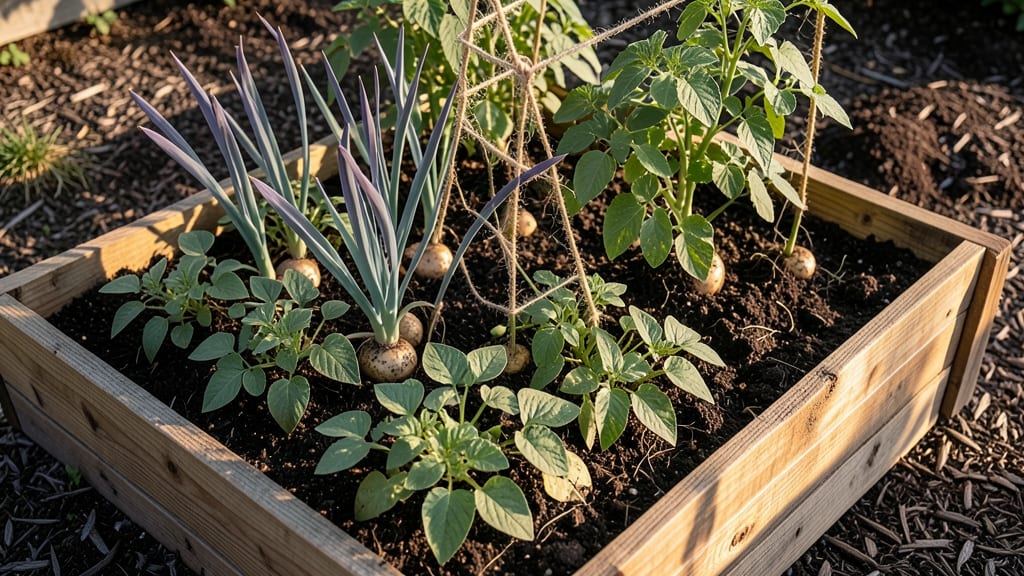
Turn your deep raised bed into a three-layer powerhouse with this potato-bush bean-shallot stack—a trio that fights pests, feeds the soil, and grows upward to save space. The secret? Shallots act as natural pest deterrents, bush beans fix nitrogen in the soil, and potatoes climb vertically, leaving room for more harvests.
Start by planting shallots along the edges of your bed—their strong aroma confuses potato beetles while improving flavor. Next, tuck bush beans between rows of potatoes, training them to climb small stakes or trellises to free up ground space. The beans will fix nitrogen, enriching the soil for next year’s crops. Finally, plant potatoes in the center, using the vertical space to maximize yield in a compact footprint.
This layout is perfect for gardeners with deep raised beds (at least 12 inches) and limited space—ideal for urban plots or small backyards. The result? More potatoes, fewer pests, and healthier soil without extra work. 🌱
Eggplant-Basil-Oregano Heat Guard
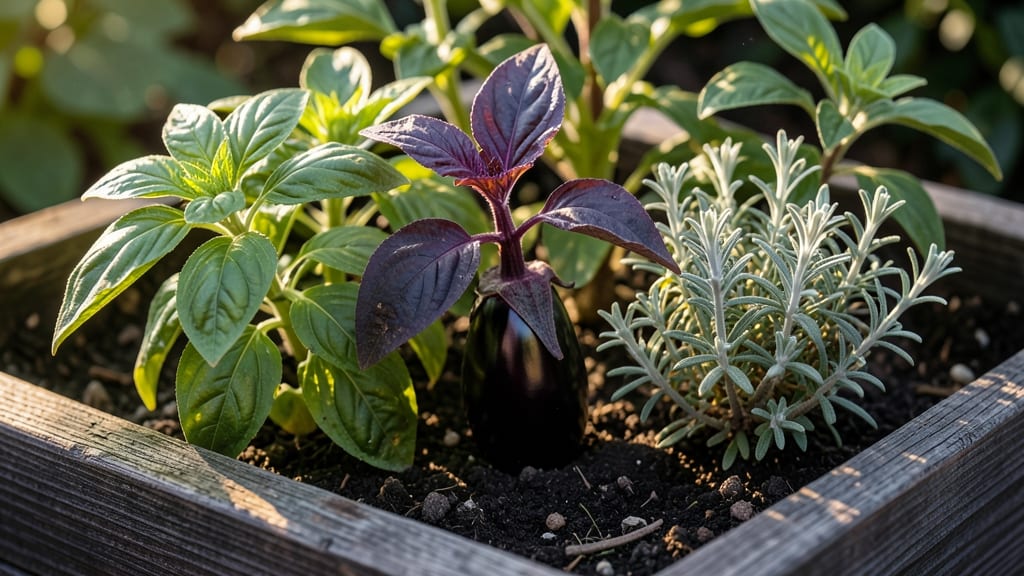
If your urban garden struggles with heat stress or water restrictions, this trio of eggplant, basil, and oregano creates a self-sustaining heat shield that thrives together. The aromatic herbs don’t just repel pests—they improve the flavor of your eggplants while requiring minimal water once established.
Plant basil around the base of eggplants to deter whiteflies and improve fruit sweetness, while oregano acts as a natural pest barrier with its strong scent. All three plants love full sun (6-8 hours) and well-draining soil, making them ideal for drought-prone urban spaces. Water deeply once a week after establishment to conserve resources.
This layout is perfect for small raised beds or containers, offering high yields with minimal maintenance. The herbs also provide fresh seasoning for your harvests, doubling as edible garden decor. 💚
Spinach-Nasturtium-Bush Bean Trio
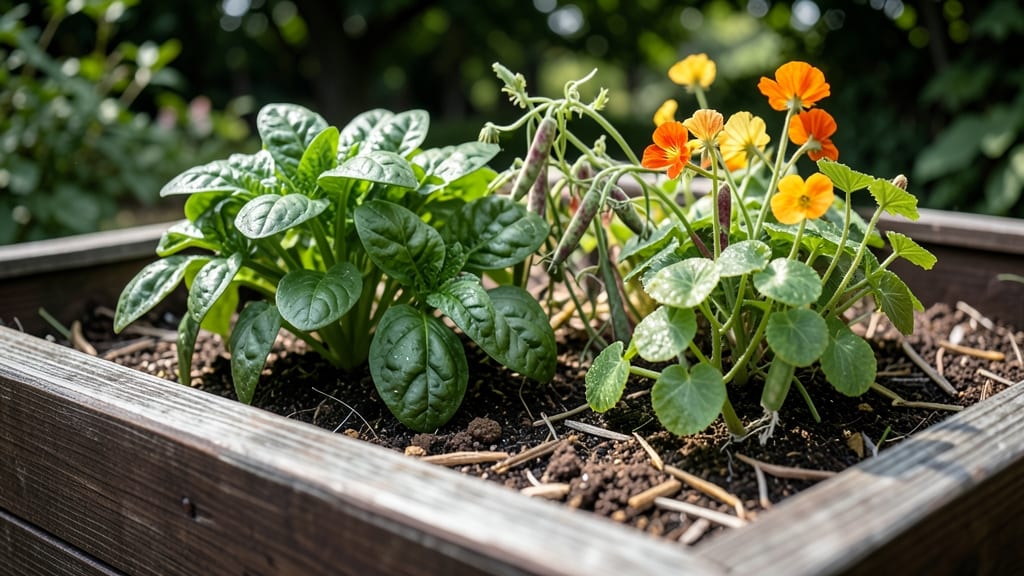
If your raised bed gets only 3-4 hours of sunlight but you still crave fresh greens, this cool-season trio delivers—without the fuss. Spinach thrives in partial shade, bush beans fix nitrogen for future crops, and nasturtiums act as a living pest barrier, keeping aphids and squash bugs at bay.
Plant spinach along the north side of the bed for shade tolerance, then tuck bush beans (3-4 inches apart) around the edges—their vertical growth won’t compete for light. Scatter nasturtium seeds between rows; their bright flowers attract pollinators while their peppery leaves add a culinary bonus. This combo works year-round in climates with mild winters, or as a spring/fall rotation in colder zones.
Perfect for urban gardeners with limited sun or beginners who want low-maintenance, high-reward harvests. The beans even improve soil for next season’s leafy greens or root crops. 🌿
Pea-Carrot-Chamomile Early Spring Bed

Ready to transform your early spring garden into a thriving, self-sustaining ecosystem? This pea-carrot-chamomile trio is your secret weapon for jumpstarting the season while preparing soil for summer crops.
Start by sowing chamomile first—its shallow roots improve soil structure and deter pests like nematodes. Plant carrots alongside it to break up compacted soil, while peas fix nitrogen, creating a nutrient-rich foundation for later plantings. All three thrive in cool temperatures and partial shade, making them ideal for early spring or fall gardens.
This layout is perfect for beginner gardeners or those with limited space, as it maximizes soil health without requiring complex care. Plus, you’ll enjoy fresh peas, sweet carrots, and fragrant chamomile flowers—all from one bed! 🌱