
Landscaping
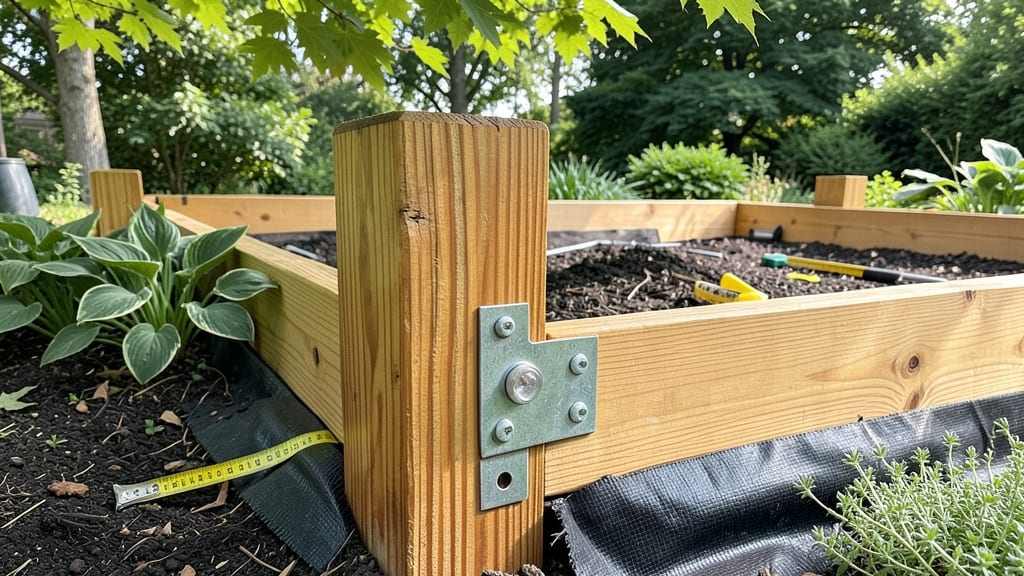
Choosing the right raised bed corner posts makes all the difference between a garden that lasts for years and one that sags after just a few seasons.
Struggling to decide between metal and wood? The wrong choice can leave your raised beds leaning or worse—collapsing under the weight of soil and plants. I’ve seen it happen, and trust me, you don’t want to dig up a failed project mid-season.
Metal posts bring durability and low maintenance, while wood offers a classic look at a lower upfront cost. But which one will hold up in your climate, and how do you install them for maximum stability?
In this guide, I’ll break down the pros and cons of each material, walk you through installation steps, and share my top tips for ensuring your raised beds stay plumb and sturdy for years to come.
Metal corner posts for raised beds: durability vs. cost breakdown
When building raised garden beds, choosing the right corner posts is critical for long-term stability. Metal options like galvanized steel and aluminum offer superior durability compared to wood, but their costs and performance vary dramatically. Let’s break down which metal posts make sense for your garden size and budget.
Galvanized steel posts are the heavyweight champions of raised bed construction. Their rust-resistant coating and high weight-bearing capacity make them ideal for large, permanent beds filled with heavy soil and mature plants.
However, their upfront cost is noticeably higher than other options. For smaller beds or budget-conscious gardeners, aluminum posts offer a lighter, more affordable alternative without sacrificing too much strength.
Here’s how they stack up across key factors like corrosion resistance, weight capacity, and long-term cost efficiency:
For large raised beds (4’x8’ or bigger) filled with heavy soil mixes or perennial plants, galvanized steel is the clear winner. Their 2,000-pound weight capacity per post ensures your bed won’t sag under the weight of mature vegetables or dense compost.
Plus, the galvanized coating resists rust for 10+ years, even in wet climates.
If you’re working with smaller beds (under 4’x4’) or need a mobile garden that’s easy to relocate, aluminum posts are a game-changer. They’re 30–50% lighter than steel, making them easier to handle, and their corrosion resistance is even better.
Aluminum won’t rust, but it can dent over time—so avoid dropping tools on them during installation.
Cost efficiency becomes a bigger factor when considering long-term maintenance. While galvanized steel posts cost more upfront, their 10-year lifespan often pays off if you plan to keep your raised bed for a decade or more.
Aluminum, on the other hand, may require replacement every 15+ years in extreme conditions, but its lower initial cost makes it ideal for temporary setups or rental properties.
Pro tip: If you’re unsure which to choose, consider a hybrid approach. Use galvanized steel posts for the corners where stress is highest and aluminum for the mid-sections of longer beds. This balances cost and stability without sacrificing durability.
One final consideration is local climate. In areas with high humidity or salty air (like coastal regions), aluminum’s natural resistance to corrosion gives it an edge. Meanwhile, galvanized steel holds up better in freeze-thaw cycles common in northern climates.
For my 4’x8’ raised bed in Zone 6, I opted for galvanized steel posts and haven’t regretted it. The extra upfront cost was worth the peace of mind knowing my bed would last decades without warping or rotting.
But if I were building a small herb garden on a balcony, aluminum would’ve been my go-to for its lightweight convenience.
Wood corner posts: when traditional strength meets budget-friendly gardening
When building raised beds, wood corner posts offer a timeless, cost-effective solution that blends seamlessly with organic garden aesthetics. Unlike metal, wood provides natural insulation, reducing heat stress on plant roots while offering unmatched versatility for custom designs.
For mobile raised beds or small-scale projects, wood's lightweight yet sturdy nature makes it ideal—especially when paired with pressure-treated lumber or rot-resistant cedar.
One of wood's biggest advantages is its budget-friendly price. A standard 4x4 post costs just $3-$8 each, making it perfect for DIY gardeners. Plus, you can easily repurpose old fencing or deck wood, adding a rustic charm to your garden.
However, longevity depends heavily on material choice—untreated pine may last only 2-3 years, while ACQ-treated lumber can endure 10+ years with proper sealing.
Wood Corner Posts: Pros & Cons
- Budget-friendly: Costs $3-$8 per post
- Natural insulation: Protects roots from heat
- DIY-friendly: Easy to cut/modify
- Mobile options: Lightweight for relocatable beds
- Rot risk: Untreated wood lasts 2-3 years
- Requires sealing: Needs waterproofing every 2 years
- Warping possible: Inconsistent moisture exposure
- Pest attraction: Termites may target untreated wood
🌲 Best for: Small-scale beds, mobile gardens, rustic aesthetics
For long-term durability, opt for ACQ-treated lumber (arsenic-free) or cedar posts, which naturally resist rot. Bury the bottom 6-12 inches below soil line to prevent moisture wicking that accelerates decay.
A quick DIY tip: Apply a linseed oil finish annually to extend wood life by up to 30%. This simple step blocks moisture while enhancing your bed's natural wood grain.
Wood truly shines for mobile raised beds or projects under 4 feet tall. Its lightweight nature lets you relocate beds seasonally, while the natural look complements heritage-style gardens. Just avoid using wood in high-moisture zones like bog gardens unless you're willing to replace posts annually.
For larger structures, consider hybrid designs—wood framing with metal corner posts—for added stability without the full metal cost.
Before purchasing, measure your bed's corner angles (typically 90°) and cut posts at a 45° angle for a seamless fit. Use a speed square tool for precise cuts, and pre-drill screw holes to prevent wood splitting.
For extra strength, add galvanized screws every 12 inches along the post's length. This simple reinforcement turns basic lumber into a decade-lasting structure.
If you love the organic look but need extra durability, pair wood posts with stainless steel hardware. This combo keeps costs low while adding years to your bed's lifespan. Just remember: seal, seal, seal—it's the secret to making wood corner posts your garden's unsung hero. 🌱