
Landscaping
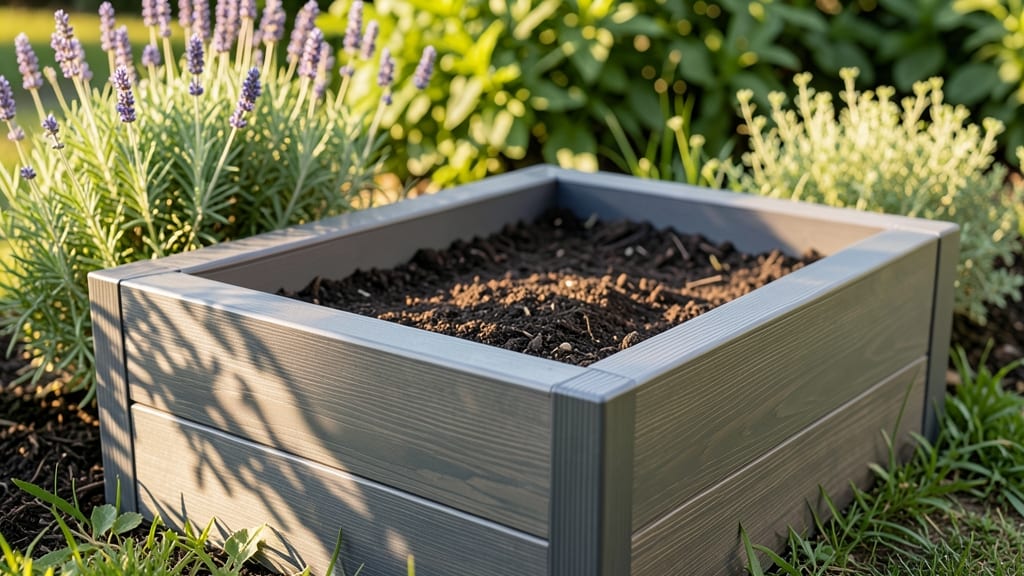
A well-defined raised bed edging elevates both your garden's aesthetics and functionality. These 10 durable materials transform ordinary garden beds into stylish, long-lasting features that protect soil, prevent erosion, and complement any landscape design.
Cedar Wood Edging for Natural Rustic Appeal
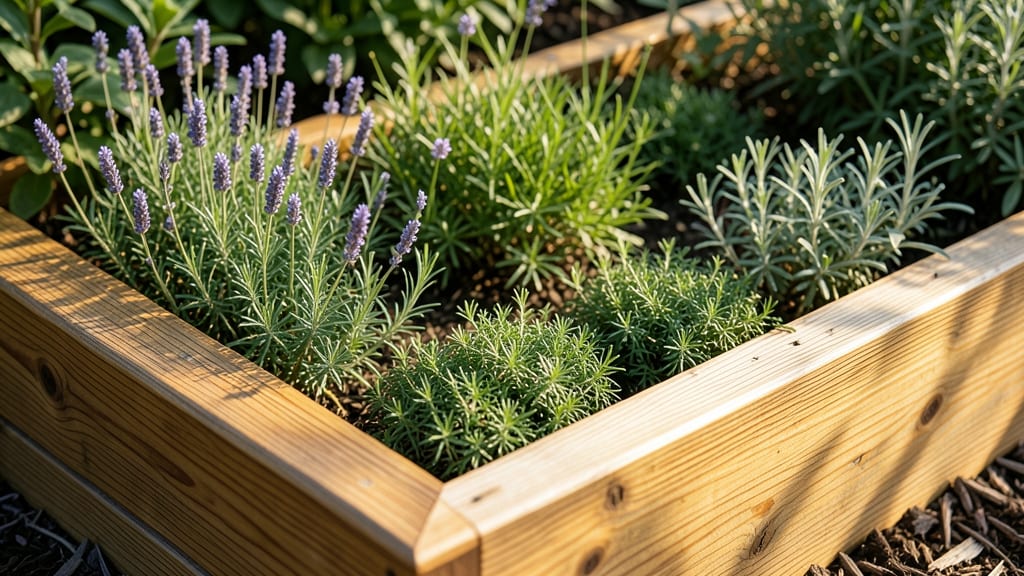
If you dream of a garden that feels like stepping into a storybook, cedar wood edging delivers that fairy-tale charm while standing up to time. Its natural resistance to rot and insects makes it a dream for organic gardeners, blending effortlessly with herbs, flowers, and vegetables without competing for attention.
For lasting appeal, opt for weathered cedar planks (1x6 or 1x8) that develop a silvery patina over years, enhancing their rustic character. Secure them with hidden screws or galvanized nails to avoid visible hardware, and consider staining with a natural oil like tung or linseed for extra protection. This edging works beautifully in cottage-style gardens, where it frames raised beds filled with lavender, rosemary, or heirloom tomatoes.
Best of all, cedar’s aromatic qualities deter pests naturally, making it a perfect match for low-maintenance organic gardens. Whether you're building a new bed or refreshing an old one, this timeless choice adds warmth and authenticity that only improves with age. 🌱
Galvanized Steel Edging for Modern Industrial Gardens
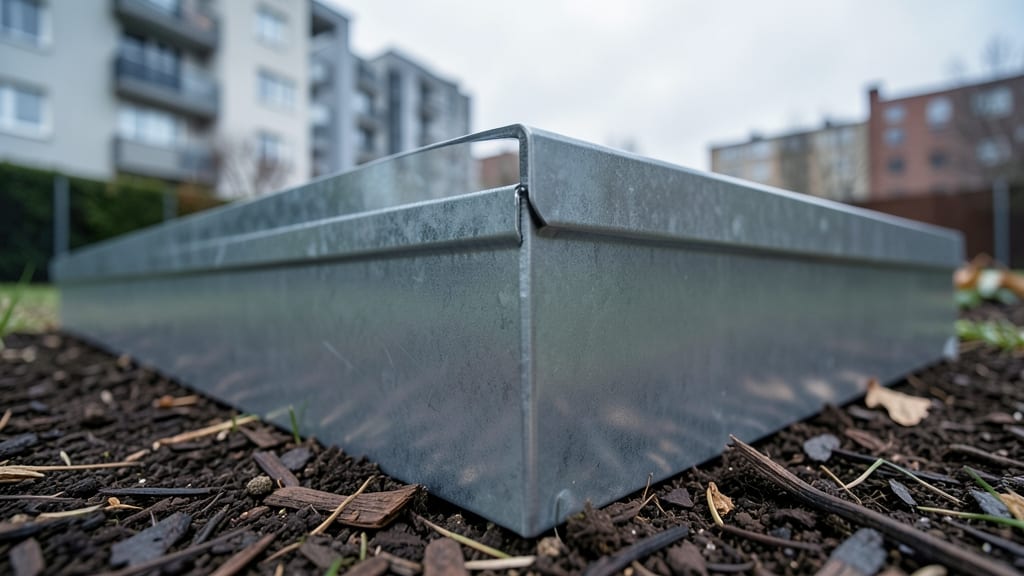
Looking to merge urban aesthetics with your garden? Galvanized steel edging delivers sharp, industrial lines that elevate modern landscapes while standing up to rain, wind, and even snow—no rust or warping in sight.
This low-maintenance material creates crisp geometric beds that contrast beautifully with soft perennials, ornamental grasses, or even succulents. The pre-galvanized coating ensures longevity, while its reflective surface adds subtle sparkle to evening gardens. For a polished look, pair it with minimalist planters or sleek concrete pathways.
Perfect for city dwellers and contemporary gardeners, steel edging transforms raised beds into architectural statements that require zero upkeep. 💡
Natural Stone Edging for Timeless Elegance
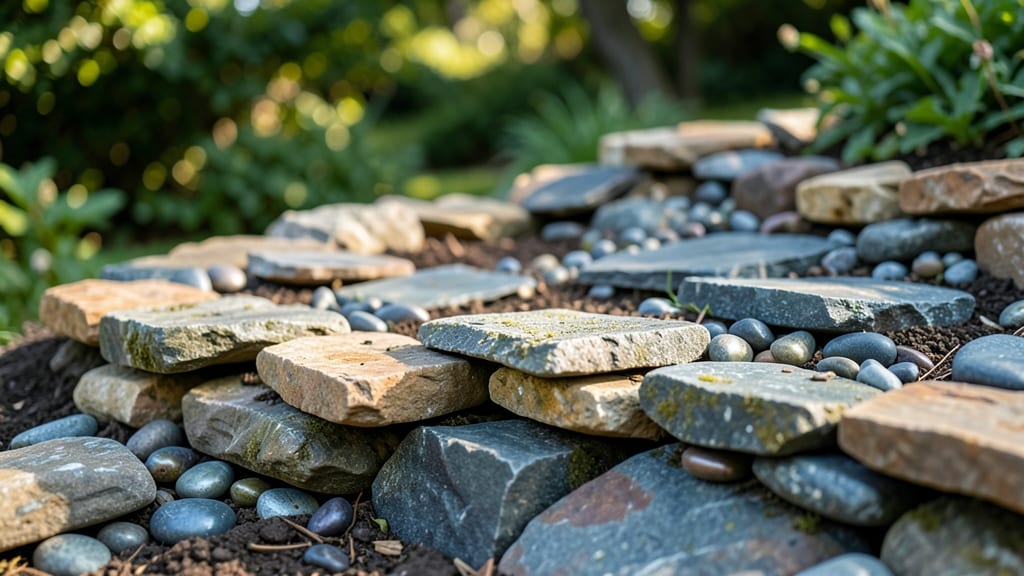
If you're aiming for a garden that feels like a curated art installation, natural stone edging delivers effortless sophistication with zero fuss. Unlike manufactured materials, locally sourced stones—like fieldstone, slate, or river rock—create an organic, one-of-a-kind border that evolves with your landscape over time.
These stones require almost no maintenance beyond occasional moss removal and weeding, making them ideal for high-end gardens where durability meets natural beauty. For best results, use irregularly shaped stones to mimic a wild, organic flow while securing them with landscape fabric or gravel to prevent shifting. The earthy tones blend seamlessly with any plant palette, from lush perennials to delicate annuals.
Perfect for gardeners who value permanent, low-maintenance elegance, stone edging adds instant curb appeal while standing the test of time—literally. 🌿
Brick Edging for Classic Garden Structure
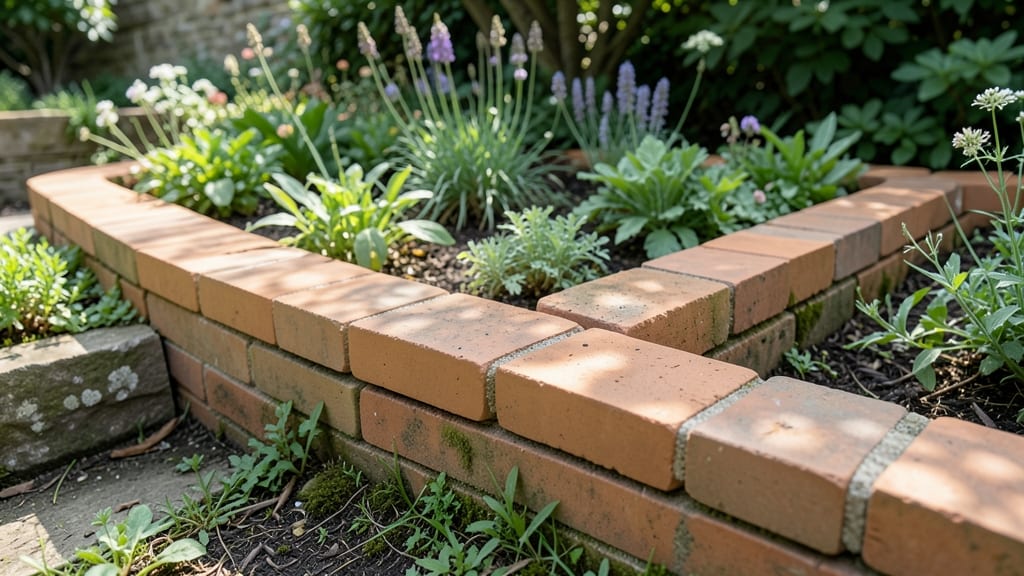
If you love the charm of classic English gardens, brick edging delivers timeless structure without sacrificing flexibility. Unlike rigid materials, bricks adapt beautifully to both geometric and organic garden layouts while framing plants with refined elegance.
Standard clay bricks create a polished, uniform border that enhances formal flower beds or informal herb spirals alike. For durability, use mortared bricks (lasts decades) or interlocking brick pavers (easier DIY installation). The warm tones contrast perfectly with dark soil and evergreen perennials, while the raised edges prevent erosion and keep mulch contained.
This option is ideal for gardeners who want a low-maintenance, high-impact solution that elevates any traditional design. 🌟
Paver Edging for Customizable Garden Designs
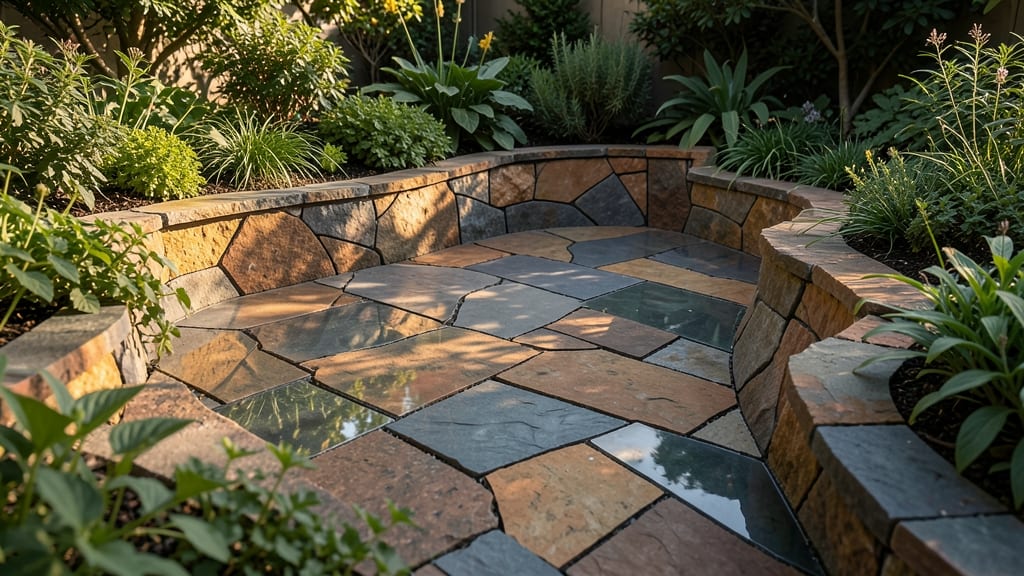
Tired of rigid, one-size-fits-all garden borders? Interlocking pavers turn your raised beds into a blank canvas for creativity, letting you design curves, angles, and patterns that match your vision perfectly.
These versatile pavers come in endless colors and textures—from earthy browns to sleek grays—so you can mix and match for a custom look. Their locking design makes installation a breeze, even for beginners, while their durability ensures they’ll hold up against weather and foot traffic. Plus, the gaps between pavers let plants like thyme or creeping thyme spill through, adding a soft, natural touch to your structured edges.
Perfect for DIYers who love hands-on projects, paver edging transforms ordinary garden beds into statement pieces that reflect your unique style. 💡
Wood Composite Edging for Low-Maintenance Gardens
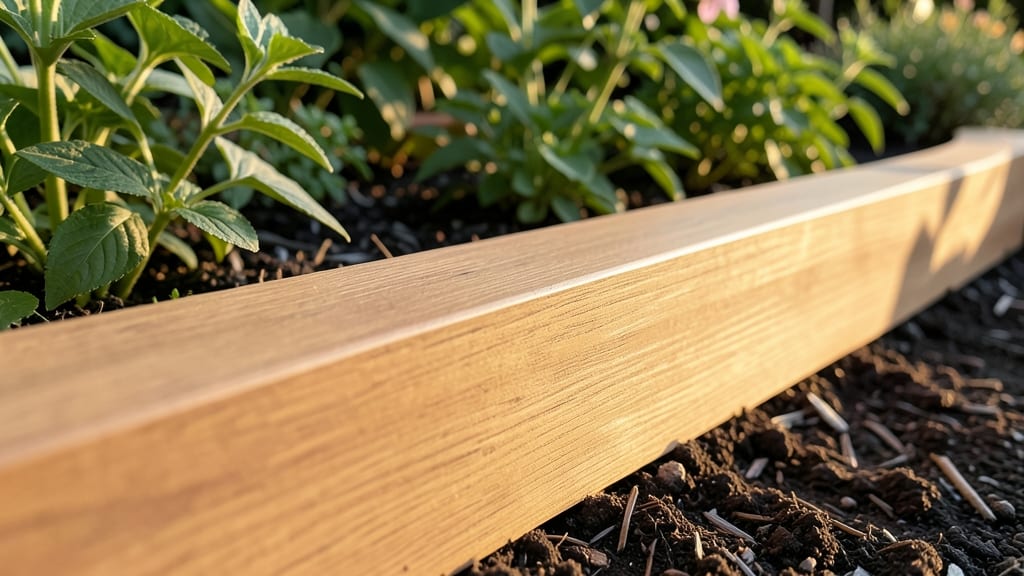
If you're tired of staining, sealing, and replacing rotted wood edging every few years, wood composite edging is your game-changer. This innovative material combines wood fibers with recycled plastics, delivering the warm, natural look of cedar without the upkeep—no splinters, no warping, and no insect damage.
Unlike traditional wood, composite edging won’t crack in freezing temperatures or degrade under constant moisture, making it ideal for humid climates or rain gardens. It’s also termite-proof and resists mold, so you won’t spend weekends treating your borders. Plus, the clean lines and uniform color give your raised beds a polished, modern finish that pairs beautifully with both rustic and contemporary plants.
Perfect for urban gardeners, renters, or anyone short on time, this edging lets you focus on growing instead of maintaining. Just install it like you would wood—secure with stakes or screws—and enjoy a border that stays beautiful for a decade or more. 💪
Corrugated Metal Edging for Rustic Industrial Style
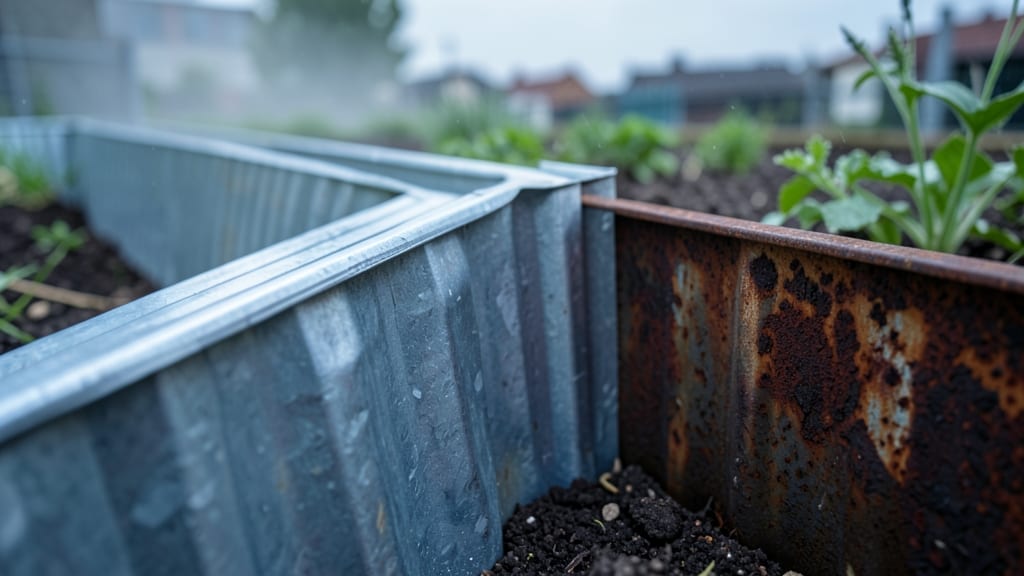
Transform your urban garden with corrugated metal edging, the perfect fusion of affordability and bold industrial style. This versatile material offers structural support while adding a vintage, factory-inspired aesthetic that stands out in modern landscapes.
Available in galvanized steel or rusted finishes, corrugated metal edging is lightweight yet sturdy, making it ideal for DIY projects with minimal tools required. The ribbed texture creates visual interest while preventing soil erosion, and its durability means it won’t warp or rot like wood. For extra flair, pair it with succulents or drought-tolerant plants to highlight the edging’s rugged charm.
This option is ideal for city gardeners seeking a low-maintenance, high-impact border that requires no painting or sealing. The rustic appeal makes it perfect for rooftop gardens, courtyard spaces, or any area where you want to make a statement. 🌻
Vinyl Plastic Edging for Easy Installation
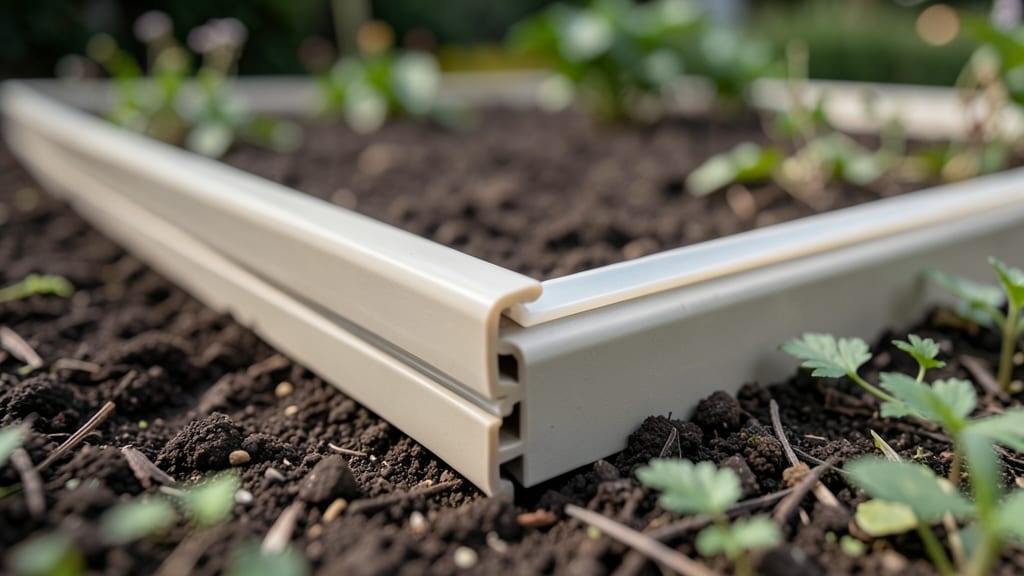
If you've ever struggled with heavy materials or complicated installation, vinyl plastic edging is your game-changer. This lightweight, flexible option snaps together in minutes—no tools required—making it perfect for small-scale projects or temporary garden beds that won’t break the bank.
The secret to its popularity? Weather-resistant vinyl holds up against rain, sun, and even light foot traffic, while its snap-lock design ensures a secure fit without sinking or shifting. Available in bright colors like green or black, it also adds a modern touch to contemporary gardens. Best of all, it’s easy to remove or reposition if you change your layout later.
This edging is ideal for urban gardeners or first-time builders who want a fuss-free solution. Just snap, plant, and enjoy your crisp, clean garden borders without the hassle! 🌟
Living Edging with Ornamental Grasses
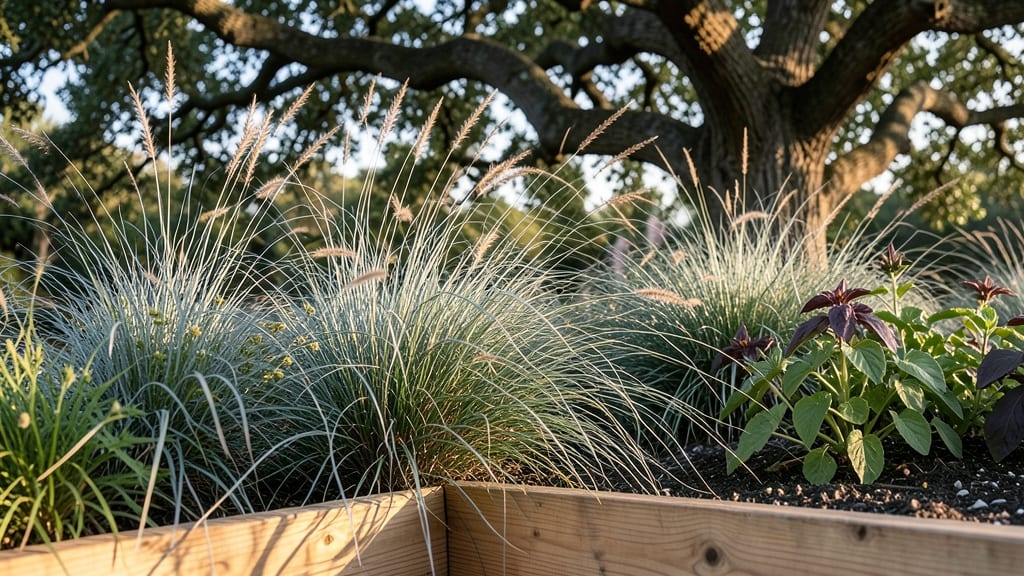
Skip the rigid borders and let your raised beds blend seamlessly with nature using ornamental grasses as living edging. These drought-tolerant plants create a dynamic, swaying border that moves with the breeze while requiring zero maintenance beyond occasional trimming.
Choose grasses like Miscanthus sinensis or Pennisetum for their architectural height and texture, which soften hard edges while attracting bees, butterflies, and birds. Plant them in a staggered formation along the bed’s perimeter, spacing them 12-18 inches apart for full coverage. Their deep root systems also help suppress weeds naturally.
This eco-friendly approach is perfect for pollinator gardens, wildscapes, and low-water landscapes. Once established, these grasses thrive with minimal care, offering year-round interest and a truly organic garden feel. 🌻
Recycled Plastic Lumber Edging for Sustainable Gardens

Looking for a way to create beautiful raised beds without harming the planet? Recycled plastic lumber offers the look of traditional wood while keeping landfill waste out of our ecosystems. This eco-friendly material is made from post-consumer plastics and designed to withstand years of outdoor exposure, resisting rot, insects, and weathering better than natural wood.
Available in various colors and textures to mimic cedar or oak, it’s easy to install with standard woodworking tools. Unlike living edging, it requires no maintenance, and unlike stone, it won’t crack or shift over time. The best part? It’s fully recyclable at the end of its life, closing the loop on sustainability.
Perfect for gardeners who prioritize the environment, this edging is ideal for modern or minimalist landscapes where durability meets eco-conscious design. 🌿