
Aphids
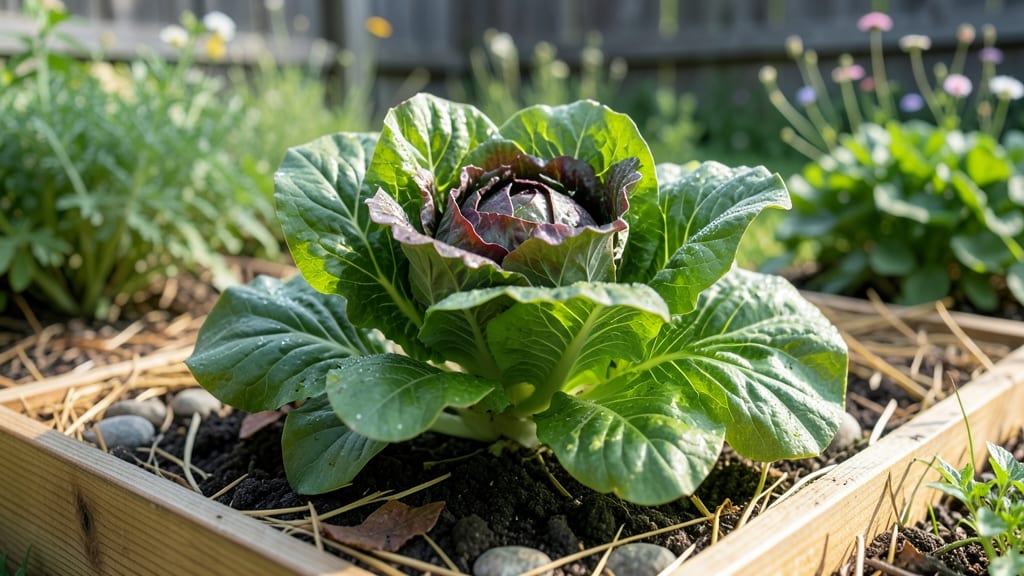
My raised bed for lettuce transformed from a soggy, weed-choked mess into a crisp, pest-resistant salad factory after I stopped guessing about soil layers. 🌱 The secret isn't just the bed—it's the way you stack the growing medium, which keeps roots cool, weeds at bay, and aphids from turning your greens into a buffet.
Start with 2 feet by 4 feet dimensions (big enough for succession planting) and fill it with 6 inches of coarse wood chips at the bottom for drainage, then 4 inches of compost, and top with 6 inches of potting mix.
This layered approach mimics lettuce's natural habitat—moist but never waterlogged, with plenty of air around those delicate roots. You'll harvest baby leaves in 30 days and full heads in 50, with zero bolting if you keep the bed shaded during summer heat.
The soil stays loose enough to pull weeds by hand, and the elevated edges make watering precise—no more drowning tender lettuce or inviting slugs to move in.
For year-round growing, add a floating row cover in late summer to protect from heat and pests, then remove it in fall for a second harvest. The same bed works for spinach, kale, and radishes too—just adjust the soil mix slightly for each crop.
📚 In This Guide
- What you need
- Instructions
- Tips and common mistakes
- Wrapping up and next steps
What you need
- ● Raised bed frame: 4x8 ft (or custom size) with 10–12" deep sides (untreated cedar or composite lumber recommended for longevity).
- ● Garden fabric or hardware cloth: 1 piece (4x8 ft) to line the bottom and deter burrowing pests like aphids.
- ● Soil: Layer 1 (Bottom, 6–8"): Coarse material like composted wood chips or gravel for drainage.
- ● Layer 2 (Middle, 4–6"): High-quality compost (1–2 cubic yards for a 4x8 ft bed).
- ● Layer 3 (Top, 4–6"): Potting mix or garden soil blended with 10–20% compost (avoid clay-heavy soil).
- ● Lettuce seeds or seedlings: 4–6 plants per square foot (e.g., Buttercrunch, Romaine, or Loose-leaf varieties for aphid resistance).
- ● Watering can or drip irrigation: Gentle watering system to avoid disturbing soil layers.
- ● Gloves & kneeling pad: For comfort and hygiene while layering soil.
- ● Pest deterrents: Neem oil or insecticidal soap for aphid prevention.
- ● Row covers (floating fabric) to shield young plants.
- ● Mulch: Straw or shredded leaves to retain moisture and suppress weeds.
- ● Soil test kit: To check pH (ideal: 6.0–7.0) before planting.
- ● Trellis or stakes: For taller varieties like Romaine to prevent bolting.
Step-by-step instructions for building a raised bed for lettuce
Here's how to create a thriving lettuce patch that keeps pests away and produces crisp greens all season.
🪴 Step 1: Choose and Assemble the Raised Bed Frame
Select a 4-foot by 8-foot bed (or smaller if space is tight) with sides at least 6-12 inches tall—this prevents soil compaction and makes harvesting easier. Cedar or redwood lumber resists rot and lasts years. I like to use 2x6 boards for the sides and 2x4 corners for extra stability.
Assemble the frame with 2.5-inch deck screws at each corner and every 12 inches along the edges. Leave a 1-inch gap between boards to allow airflow and prevent rot. Line the bottom with landscape fabric to block weeds and grass from invading your fresh soil. This is the foundation that keeps your lettuce healthy and pest-free.
🌱 Step 2: Layer the Soil for Optimal Drainage and Nutrition
Start with a 2-inch layer of coarse wood chips or straw at the bottom for drainage. Next, add a 4-inch layer of composted manure or finished compost—this feeds your lettuce roots without burning them. I like to mix in a handful of granular organic fertilizer (like 10-10-10) for extra nutrients.
Top it off with a 4-inch layer of high-quality potting mix or garden soil mixed with 1 inch of perlite or coarse sand to keep the soil loose and well-draining. Lettuce hates soggy roots, so this layering prevents waterlogging while holding moisture for consistent growth. Fluff the soil gently with your hands to break up clumps before planting.
☀️ Step 3: Plant Lettuce Seeds or Transplants
Sow lettuce seeds ¼ inch deep, spacing them 1 inch apart in rows that are 12 inches apart. For faster results, plant young seedlings 6-8 inches apart—this gives them room to grow without competing for nutrients. I like to use a mix of loose-leaf and head varieties for continuous harvests.
Water gently after planting to settle the soil around seeds or roots. Keep the soil consistently moist but never soggy—lettuce thrives when the top 1 inch of soil feels damp to the touch. Mulch with 1 inch of straw or shredded leaves to retain moisture and suppress weeds. This step is where the magic happens—your lettuce will start showing true leaves in 10-14 days.
💧 Step 4: Maintain Moisture and Protect from Pests
Water your lettuce in the early morning to reduce evaporation and fungal diseases. Aim for 1 inch of water per week, adjusting for rain. Lettuce is shallow-rooted, so frequent light watering keeps it crisp. I use a soaker hose to deliver water directly to the soil without disturbing the plants.
To deter pests like slugs and aphids, sprinkle dried diatomaceous earth around the edges of the bed and plant nasturtiums or marigolds nearby—they repel pests naturally. If you notice holes in leaves, handpick any pests and drop them in soapy water. Regularly check the undersides of leaves for early signs of trouble—this keeps your lettuce thriving and pest-free.
✂️ Step 5: Harvest and Encourage Continuous Growth
Start harvesting outer leaves when they reach 3-4 inches tall—this encourages the plant to keep producing. For head lettuce, wait until the head is firm and fully formed. Use clean scissors or a sharp knife to cut leaves just above the base. I like to harvest in the morning when the leaves are crispest and most flavorful.
After harvesting, water the bed again and add a 1-inch layer of compost to replenish nutrients. Succession plant new seeds every 2-3 weeks for a continuous supply. This method ensures you always have fresh lettuce, even if the first batch bolts in hot weather. With this layered approach, your raised bed will stay productive for months.
Tips & tricks for perfect raised bed lettuce
Building a thriving lettuce bed isn't just about following steps—it's about creating the ideal environment for your greens to flourish. Here's what I've learned from years of trial and error to help you avoid common pitfalls and maximize your harvest.
Frame Stability is Key: When assembling your 4-foot by 8-foot frame, don't skimp on the corner connections. I've seen raised beds collapse under the weight of wet soil when screws weren't driven deep enough into the 2x4 corners. Use a power drill and drive screws completely through the boards—you should see threads on the other side. This ensures your bed stays square and sturdy, especially after heavy rain when soil is at its heaviest. The 1-inch gap between boards you leave for airflow is perfect, but make sure it's consistent all around to prevent rot.
Soil Layering Secrets: The 2-inch drainage layer at the bottom is non-negotiable—without it, your lettuce roots will suffocate. I've found that mixing the 4-inch compost layer with a handful of 10-10-10 fertilizer creates the perfect balance: enough nutrients to fuel growth without overwhelming young plants. For the top 4-inch layer, don't just use garden soil—mix in that 1 inch of perlite or coarse sand. I've noticed lettuce grown in pure garden soil tends to develop a bitter taste, while the sandy mix keeps leaves crisp and sweet. Fluff the soil after mixing to create those tiny air pockets lettuce roots love.
Planting Precision: Those ¼-inch seed depths and 1-inch spacing between seeds might seem small, but they make all the difference. I've learned to use a toothpick for marking seed placement—it creates perfect little holes at exactly ¼-inch depth. For seedlings, press them just deep enough so the roots aren't buried but the stem is stable. The 12-inch row spacing gives you room to walk between plants without disturbing the soil, which is crucial for maintaining that consistent moisture level in the top inch. Pro tip: Plant your seedlings slightly deeper than container depth—the extra soil helps anchor them in the bed.
Pest Prevention Strategy: The diatomaceous earth and nasturtiums mentioned in Step 4 are fantastic, but here's what nobody tells you: Reapply the diatomaceous earth after every rain. It breaks down quickly when wet, so it's not a one-and-done solution. I've also found that planting a border of chives around the edges acts as a natural pest deterrent while adding a bonus herb to your harvest. When checking for pests, focus on the undersides of leaves first—that's where aphids and slugs love to hide. A quick morning inspection becomes a habit after your first encounter with chewed leaves.
Pro Tips for Raised Bed For Lettuce
- Building a thriving lettuce bed isn't just about following steps—it's about creating the ideal environment for your greens to flourish.
- Frame Stability is Key: When assembling your 4-foot by 8-foot frame, don't skimp on the corner connections.
- Soil Layering Secrets: The 2-inch drainage layer at the bottom is non-negotiable—without it, your lettuce roots will suffocate.
Frequently asked questions
Got questions about growing crisp, pest-resistant lettuce in raised beds? Here are answers to the most common ones—so you can harvest fresh greens with confidence!
What’s the best soil mix for lettuce in a raised bed?
A lightweight, nutrient-rich blend works best. Mix 60% compost (for fertility), 20% coconut coir or peat moss (for moisture retention), and 20% perlite or vermiculite (for drainage). Avoid heavy clay—lettuce roots need air! Aerate the soil before planting to prevent compaction.
How long does it take for lettuce to grow in a raised bed?
Most leaf lettuce varieties mature in 30–50 days, while head lettuce (like romaine) takes 60–80 days. Raised beds warm up faster than ground soil, so you can plant earlier in spring or later in fall. Check seed packets for specific timelines—cool weather speeds growth!
How do I keep aphids off my lettuce in a raised bed?
Aphids love tender lettuce! Prevent them with:
- Neem oil spray (weekly preventative)
- Row covers (lightweight fabric to block pests)
- Beneficial insects like ladybugs or lacewings
- Sticky traps near plants to catch adults
For severe infestations, rinse plants with soapy water (1 tsp mild soap per gallon) and remove heavily damaged leaves.
Can I grow lettuce in a raised bed year-round?
In most climates, no—but with tricks, you can extend the season! Use row covers in early spring/fall to protect from frost. In warm areas, opt for heat-tolerant varieties (like ‘Black Seeded Simpson’) and provide shade cloth during summer. Winter? Try cold-hardy greens like winter density lettuce.
What can I plant after lettuce in a raised bed to avoid pests?
Lettuce is a light feeder, so follow it with heavy feeders like:
- Peas or beans (fix nitrogen in soil)
- Carrots or radishes (break up soil)
- Herbs like cilantro or dill (repel pests naturally)
Avoid replanting lettuce or other Brassicaceae (like cabbage) to prevent disease buildup. Rotate crops annually for healthier beds!
Pro Tip:
For continuous harvests, stagger plantings every 2–3 weeks. This ensures you always have fresh lettuce—and fewer pests to deal with since young plants are less appealing to bugs!
Wrapping up and next steps
Growing lettuce in a raised bed isn’t just rewarding—it’s empowering! 🌱 With the right layered soil, you’ll enjoy pest-resistant harvests while keeping weeds at bay. Whether you’re a beginner or a seasoned gardener, this method simplifies care and boosts your success rate.
Ready to dig in? Start by prepping your next bed, experimenting with soil layers, or even sharing your tips with fellow gardeners. Your crisp, homegrown lettuce is just a few inches (and a little patience) away!