
Vegetables
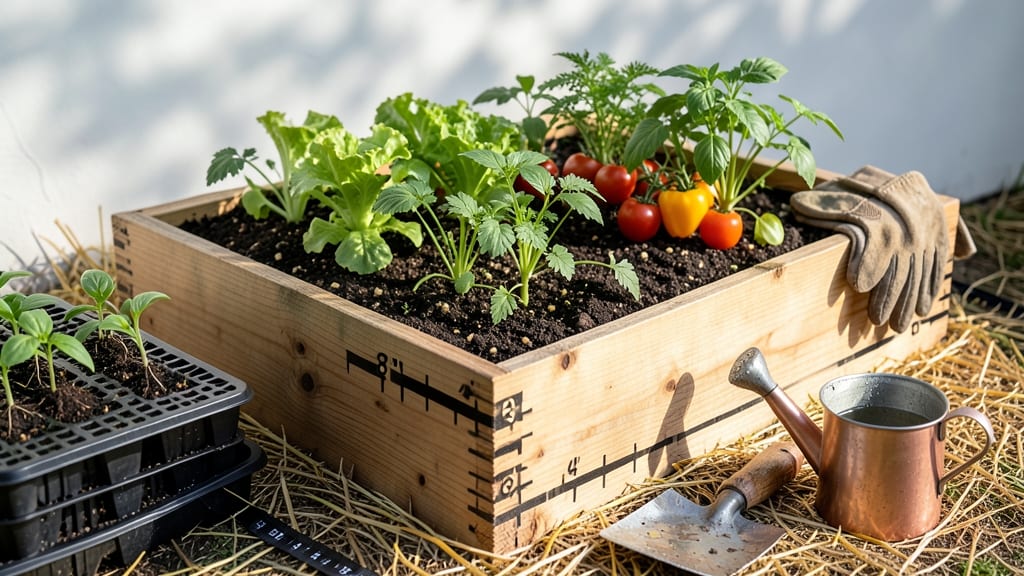
The ideal raised bed height for vegetables is 6 to 12 inches deep, providing ample root space for most crops while ensuring accessibility and drainage. Taller beds (12–18 inches) work for deep-rooted plants like tomatoes or carrots, while shorter beds (6–8 inches) suit shallow-rooted greens and herbs.
Getting the right raised bed height makes all the difference for your vegetable garden's success.
A 6-inch depth works perfectly for leafy greens and herbs, while deeper beds (up to 18 inches) give root vegetables like potatoes and carrots the space they need to thrive. 🌱 The extra height also improves drainage and prevents soil compaction, which keeps plants healthier.
Plus, taller beds reduce bending, making gardening more comfortable for everyone—especially those with back issues.
Don't forget that your local climate plays a role too. In cooler regions, deeper beds help maintain warmer soil temperatures, while in hot areas, slightly shallower beds can prevent overheating.
I always recommend testing your soil's moisture retention before finalizing your design—this helps you adjust the height based on your specific growing conditions.
💡 In This Article
- How Raised Bed Height Affects Plant Growth and Soil Health
- Choosing the Best Raised Bed Height for Your Vegetable Garden
How raised bed height affects plant growth and soil health
Root systems thrive when they have the right depth to explore, and that's where bed height becomes critical. Most vegetables develop roots that extend downward 12-24 inches for stability and nutrient access, but the top 6-8 inches of soil contain 80% of a plant's active roots.
Shallow beds (6 inches) limit this critical zone, forcing plants to compete aggressively for moisture and nutrients in a confined space.
This is why leafy greens like spinach or lettuce—with roots rarely exceeding 6 inches—thrive in shallower beds, while deeper-rooted crops like carrots or potatoes need 12-18 inches to reach maturity without becoming stunted.
The height also directly impacts soil aeration and drainage, two factors plants can't live without. Deeper beds allow water to percolate more slowly, giving roots time to absorb moisture rather than drowning in saturation.
In my own garden, I've noticed that 12-inch beds maintain even moisture levels for 3-4 days after watering, while 6-inch beds dry out in just 1-2 days—a critical difference for drought-prone regions.
The extra depth also prevents soil compaction from foot traffic, keeping roots loose and oxygen-rich. 🌱 Temperature plays a role too: deeper beds insulate roots against frost in spring and maintain warmer soil in fall, which is why I always recommend 12-inch beds for cool climates where growing seasons are short.
Soil structure changes with height too. In shallower beds, the topsoil layer gets worked more frequently (from planting and weeding), which can lead to finer, more compacted soil over time. Deeper beds preserve the natural soil stratification, with looser subsoil below helping roots anchor deeper.
This is why I recommend amending only the top 6-8 inches of deeper beds—preserving the native subsoil's structure below. The deeper profile also supports beneficial microbes that thrive in the darker, more stable environment of lower soil layers, creating a more balanced ecosystem for your plants.
Here's what happens when height doesn't match plant needs: shallow beds force deep-rooted plants to develop gnarled, stunted roots that struggle to access water and nutrients. I've seen potatoes in 6-inch beds produce 30-50% smaller tubers compared to the same variety in 18-inch beds.
Conversely, overly deep beds (beyond 24 inches) can lead to waterlogging at the bottom, creating anaerobic zones where roots suffocate. The sweet spot is matching bed height to your plant's mature root depth while accounting for your local climate's moisture patterns.
Consider this comparison for common vegetables:
- Shallow-rooted crops (6-8 inches): Lettuce, spinach, radishes, herbs (basil, parsley), green onions. These thrive in minimal depth because their energy goes into leaf production rather than root growth.
- Moderate-depth crops (8-12 inches): Beets, bush beans, Swiss chard, kale. These benefit from extra depth but don't require the space of heavy feeders.
- Deep-rooted crops (12-18 inches): Carrots, potatoes, tomatoes, parsnips. These need the full depth to develop properly—carrots, for example, can grow 12-16 inches long!
The right height isn't just about roots—it's about creating an environment where your plants can focus their energy on production rather than survival. When you match bed depth to your crops' needs, you'll see healthier plants, better yields, and less stress on your gardening efforts.
That's the magic of getting the height right! 🌿