
Landscaping
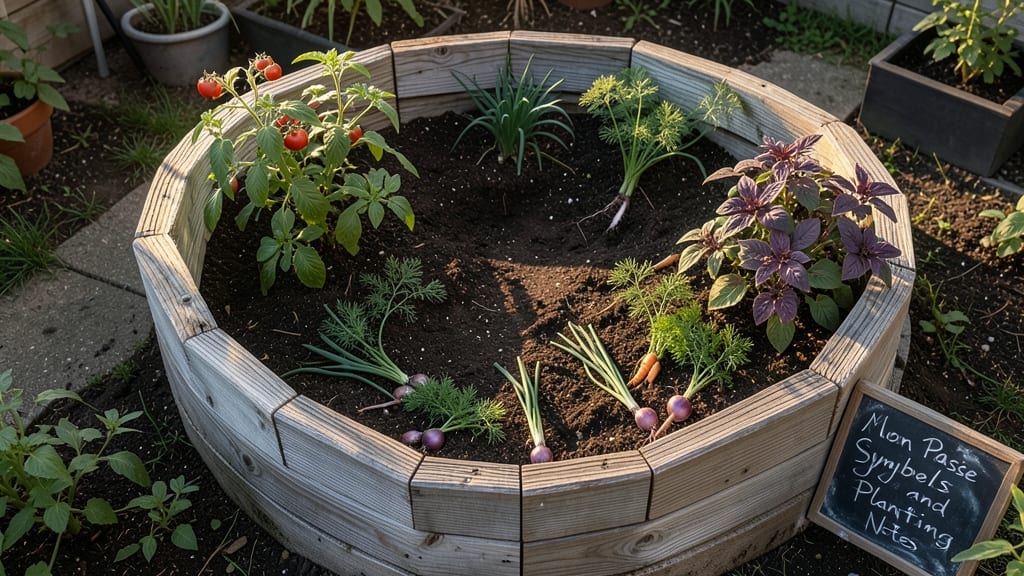
Small urban spaces don’t have to limit your gardening dreams. These 10 creative raised bed layouts transform tight yards and balconies into productive, visually stunning gardens—perfect for herbs, veggies, and flowers.
Square Foot Grid for Intensive Planting
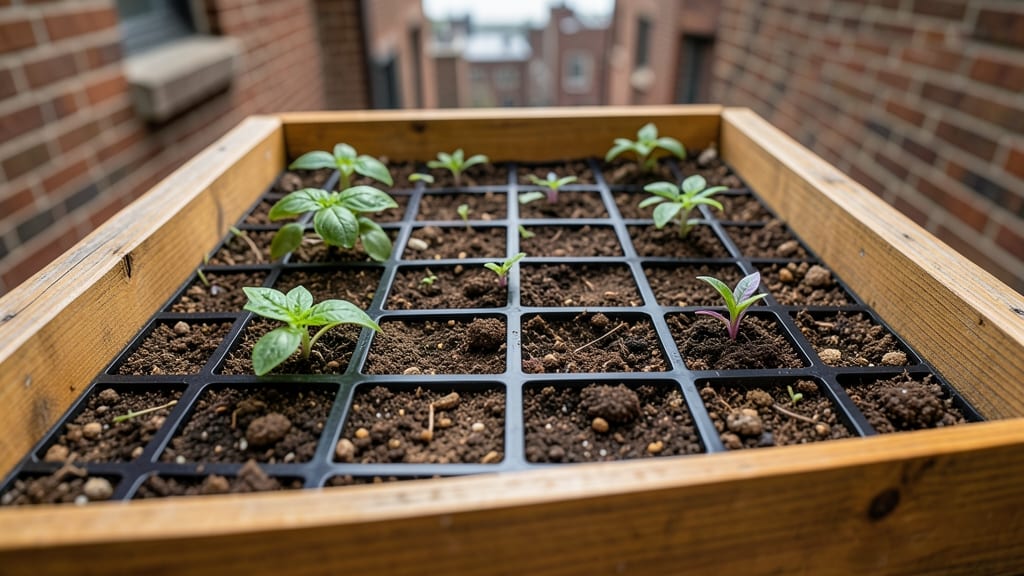
If you’ve ever felt overwhelmed by the thought of gardening in a small space, the square foot grid is your game-changer. This method turns even a 4x4-foot raised bed into a precision-organized garden where every inch counts—no wasted space, no overcrowding, and no guesswork.
Divide your bed into a 1-foot grid (16 squares in a 4x4 bed) and dedicate each square to a single plant type, like one tomato plant per square or 16 basil plants. The Mel Bartholomew method (yes, it’s that famous!) ensures optimal spacing for each plant’s mature size, so carrots get their own square, lettuce gets another, and herbs have their own dedicated spots. For urban balconies, a 2x2-foot grid (4 squares) is perfect for herbs or microgreens.
This system isn’t just for beginners—it’s for anyone who wants low-maintenance, high-yield gardening. No more tangled vines or lost harvests; just a clear, organized space where you can see every plant and pick what you need in seconds. Plus, it’s endlessly customizable for flowers, veggies, or herbs. 🌱
Spiral Herb Garden Layout
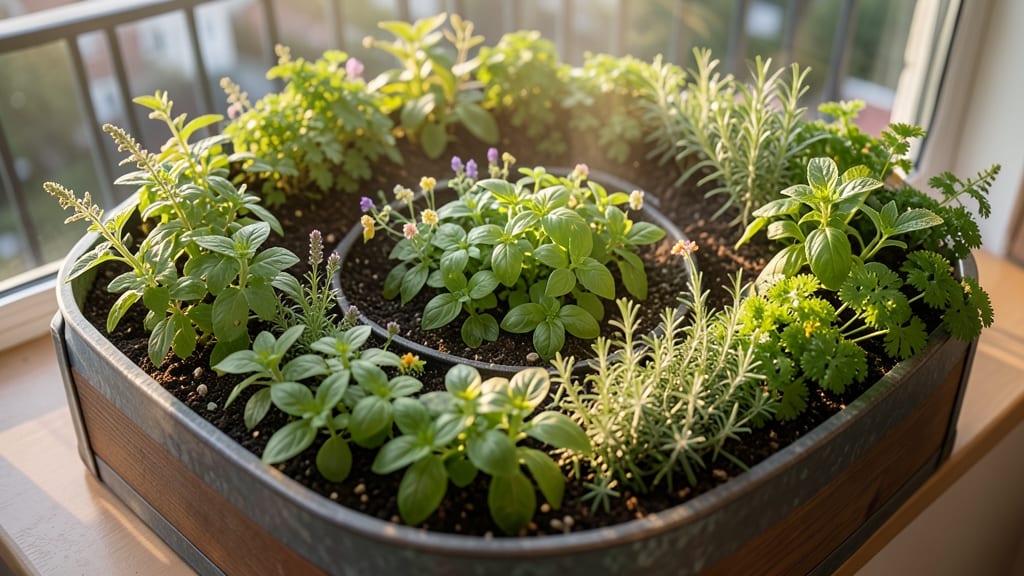
Transform your tiny balcony or kitchen windowsill into a fragrant herb haven with a spiral herb garden layout—where sunlight-loving herbs bask in the center while shade-tolerant varieties thrive at the edges. This circular design mimics nature’s efficiency, ensuring every plant gets exactly what it needs without wasted space.
Start with sun-loving herbs like rosemary and thyme in the innermost ring (they need 6+ hours of sun), then spiral outward to moderate-light parsley and low-light chives. The spiral shape creates microclimates, letting you grow more herbs in less space while keeping them all within arm’s reach for snipping. For best results, use well-draining soil and mulch to retain moisture—especially for the outer herbs that dry out faster.
This layout is a game-changer for urban cooks who crave fresh herbs but lack yard space. The compact design fits snugly on patios or rooftops, and the visual appeal makes it a conversation starter. Plus, harvesting becomes effortless when everything’s organized by sunlight needs! 🌿
Tiered Vegetable Tower for Vertical Growth
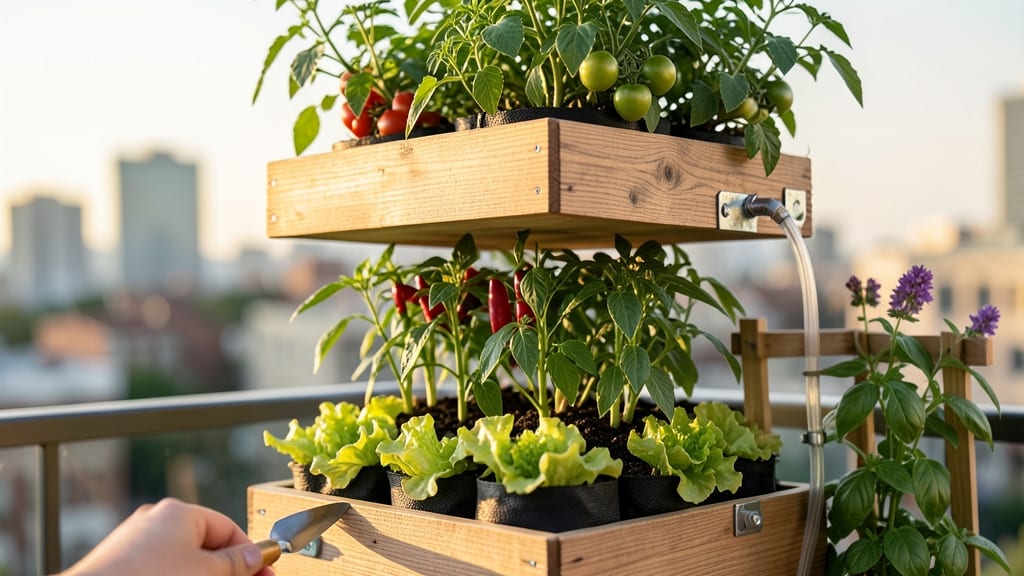
If your balcony or patio feels too small for traditional raised beds, a tiered vegetable tower turns vertical space into prime real estate. This three-level design lets you grow tomatoes, peppers, and lettuce in the same footprint as a single flat bed—ideal for sun-loving plants that need 6+ hours of light daily.
Start with the tallest plants—like indeterminate tomatoes—on the top tier, where they’ll get maximum sunlight. The middle level is perfect for leafy greens like lettuce or spinach, while the bottom can host radishes or bush beans. Use lightweight, weather-resistant materials like cedar or composite lumber, and ensure each tier has proper drainage holes to prevent waterlogging.
Urban gardeners with limited square footage will love how this design maximizes yield without sacrificing accessibility. Plus, the tiered structure adds visual interest while keeping all your harvests within arm’s reach. 🌱
Mediterranean Kitchen Herb Rectangle
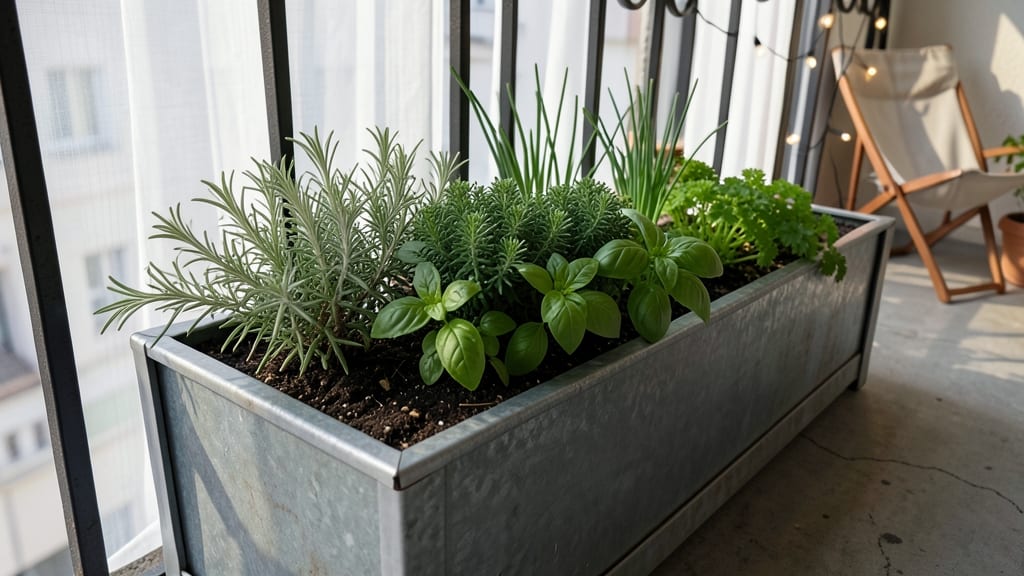
City balconies and tiny yards can still host a professional-grade herb garden—no sprawling plot required. This Mediterranean Kitchen Herb Rectangle packs all your cooking essentials into one long, narrow bed, making it the ultimate space-saver for urban gardeners who crave fresh flavors.
Plant rosemary and thyme at the north end (they thrive in 6 hours of sun), then transition to basil and oregano toward the south for optimal light exposure. The key? Keep rows just 12 inches apart to prevent overcrowding while maximizing harvests. Add a drip irrigation line along the length for effortless watering—no more hauling hoses or guessing water needs.
This layout is perfect for renters, balcony gardeners, or anyone who wants year-round herb access without sacrificing space. Plus, the neat rows make it easy to snip what you need for meals. 🌿
Keyhole Garden for Drought Resistance
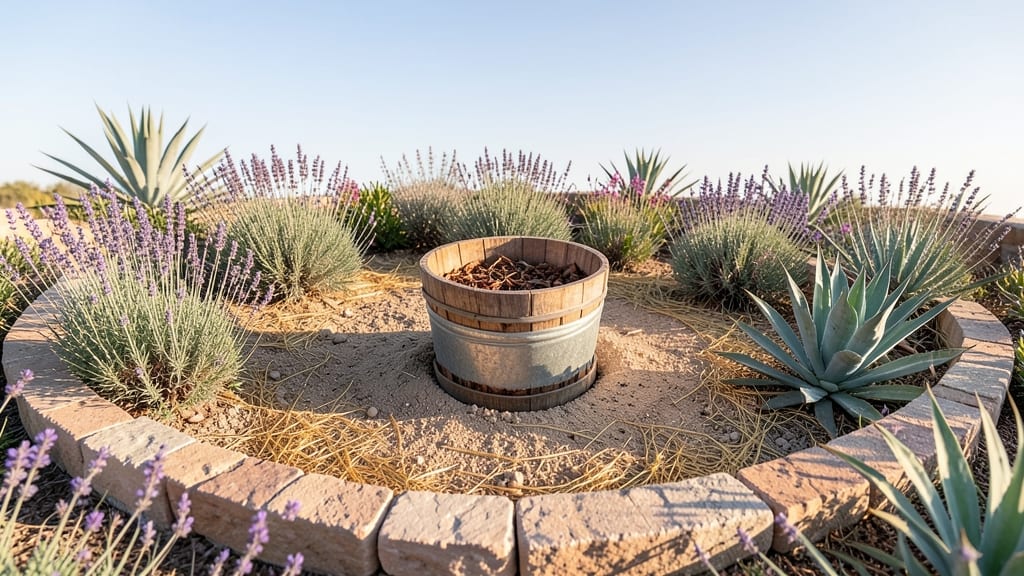
If you live in a dry climate or simply despise watering your garden, the keyhole garden is your answer. This circular design features a central compost basket that feeds nutrients directly to roots while dramatically cutting water needs—ideal for arid regions or busy gardeners.
The compost basket sits in the middle of the bed, creating a keyhole-shaped opening for easy access. Surround it with drought-tolerant plants like lavender, rosemary, or succulents, which thrive with minimal moisture. The compost slowly releases water as it breaks down, keeping soil hydrated for weeks. For best results, fill the bed with sandy loam to improve drainage and reduce evaporation.
This layout is perfect for small-space gardeners or those with limited water access. The compost basket also eliminates food waste by turning kitchen scraps into plant food—making it both eco-friendly and efficient. 💚
Salad Bar in a Narrow Bed
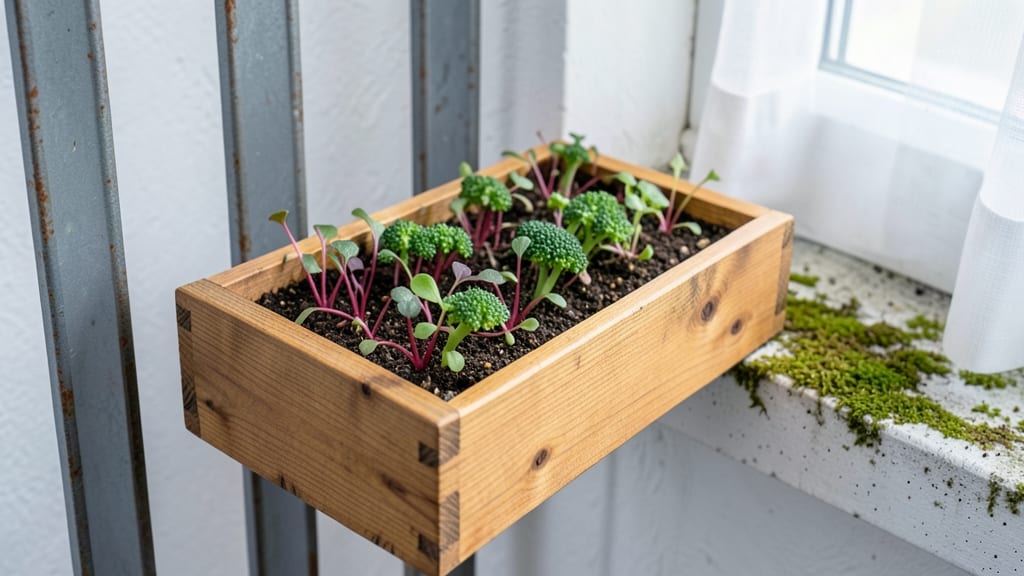
Turn your tiny balcony or windowsill into a year-round salad source with this ultra-thin raised bed design. At just 6-12 inches wide, it fits between railings or on narrow ledges while delivering fresh greens in weeks, not months.
Layer your bed with fast-growing microgreens (like radish or broccoli sprouts) at the top for quick harvests, followed by leafy greens (spinach, arugula, or kale) that thrive in partial shade. Use vertical pockets along the sides to grow sprouts like mung beans or alfalfa—no soil required! Water lightly daily to keep the shallow bed moist, and harvest outer leaves first to encourage continuous growth.
This layout is perfect for urban gardeners with limited space or anyone who wants fresh salads without deep soil or large plots. 🌱
Pocket Planter Grid for Microgreens
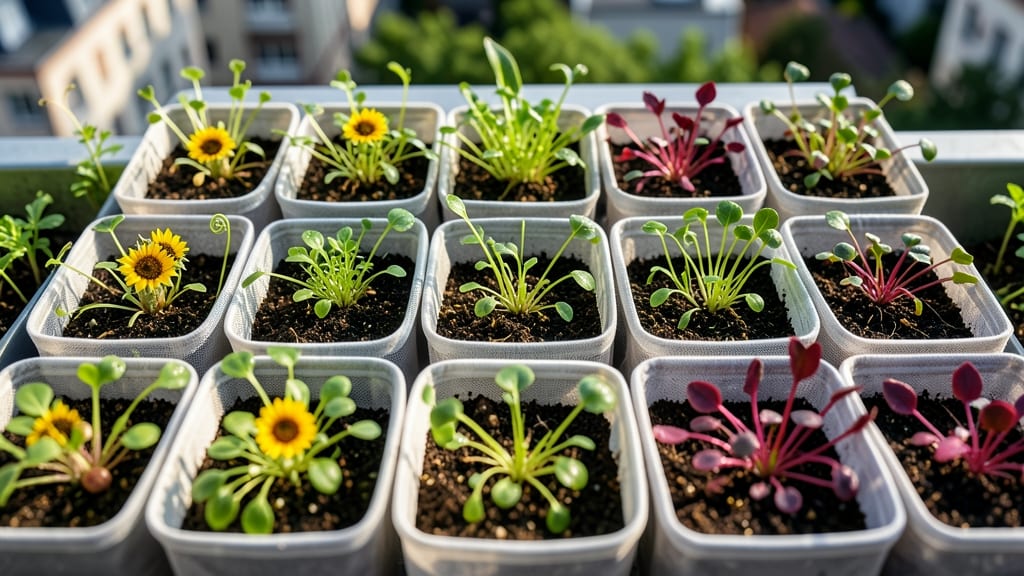
Skip the months-long wait for mature greens—microgreens thrive in pocket planters and deliver harvests in just 10-14 days. This grid system lets you grow sunflower shoots, pea tendrils, or radish sprouts in individual pockets, each acting like a tiny, self-contained garden.
Use fabric or plastic pocket planters filled with a soil-less growing medium (like coconut coir) to avoid deep soil needs. Place the grid in bright indirect light (a sunny windowsill works) and water gently from the bottom to keep roots moist. Swap out pockets every 2-3 weeks for continuous harvests—no replanting required!
This is the ultimate solution for urban balconies, kitchen counters, or windowsills where space is tight but flavor is non-negotiable. 🌱
Butterfly-Friendly Pollinator Pathway
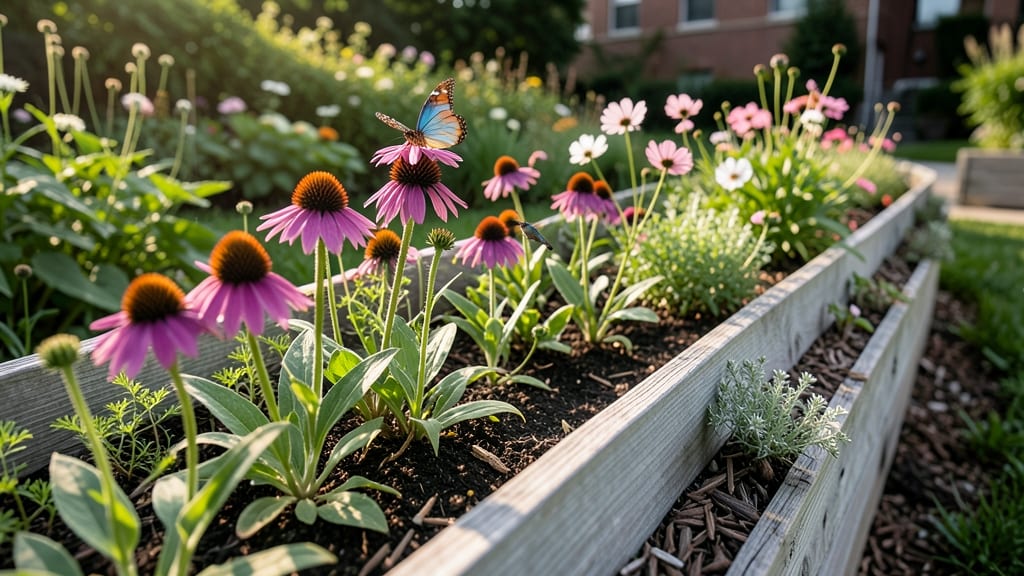
Transform your raised bed into a living wildlife corridor with a butterfly-friendly pollinator pathway. This narrow, elongated design blends native flowers like purple coneflowers, milkweed, and cosmos to create a magnet for bees, butterflies, and hummingbirds—all while adding vibrant color to your urban space.
Plant in succession every 4-6 weeks to ensure continuous blooms from spring through fall. Place this bed along a fence or property line to maximize visibility for pollinators while keeping it narrow (2-3 feet wide) to fit tight spaces. Add a shallow water source like a saucer of pebbles and water to make it even more inviting for visitors.
This layout is perfect for eco-conscious urban gardeners who want to support local ecosystems without sacrificing beauty. Even a small bed can make a big difference for struggling pollinator populations. 🌟
Stacked Straw Bale Garden
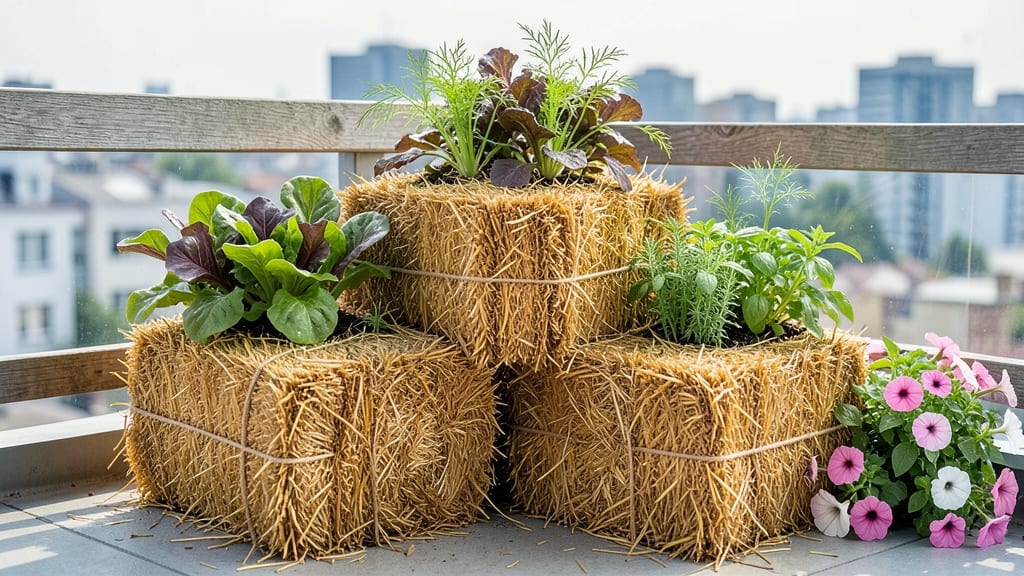
Move over, soil—stacked straw bale gardens are the ultimate no-fuss solution for renters, small-space gardeners, and anyone who wants to grow plants without digging. This portable system lets you grow lettuce, carrots, herbs, and even flowers directly in straw bales, which act as a natural growing medium that retains moisture and breaks down over time.
Start by stacking bales on a flat surface (like a pallet or patio), then cut planting pockets into the sides—no soil prep required. Water deeply at first, then keep bales moist but not soggy. The best crops for beginners include leafy greens, radishes, and bush beans, which thrive in the loose bale structure. Since bales are lightweight, you can rearrange them as needed or take them with you when moving.
This method is perfect for urban balconies, community gardens, or temporary setups where permanent beds aren’t an option. Plus, the rustic charm of straw bales adds a cozy, organic touch to any space. 🌱
Crescent Moon Layout for Companion Planting

Want to grow more with less effort? The crescent moon layout aligns your raised bed with lunar cycles, pairing plants like tomatoes with basil or carrots with onions for natural synergy. This organic gardener’s dream maximizes yields by following the moon’s phases—planting leafy greens during the waxing moon and root crops during the waning.
Shape your bed in a semi-circle to mimic the moon’s arc, placing companion plants in curved sections. For example, group marigolds with tomatoes to deter pests or chives with carrots to boost flavor. This layout thrives in 6-8 hours of sun and works beautifully in 4x4-foot beds, making it perfect for small urban spaces.
Organic gardeners who prioritize natural rhythms will love how this design reduces pests, improves soil health, and simplifies harvests. It’s the ultimate way to grow in harmony with nature’s cycles. 🌻