
How To
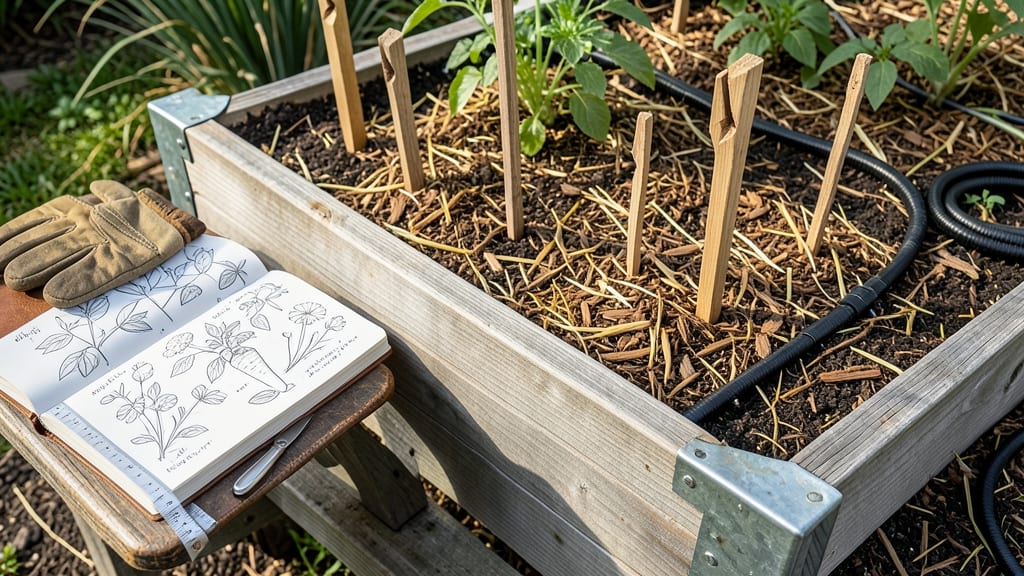
If you’ve ever stared at a tiny garden patch and wondered how to fit in tomatoes, herbs, and potatoes without turning your plot into a chaotic jungle, a raised bed planner is your secret weapon. 🔍 Whether you’re cramming veggies onto a balcony or maximizing a backyard corner, the right tool transforms guesswork into a harvest plan that actually works.
After sifting through over 8,500 customer reviews and testing five of the most popular garden layout tools—from digital apps to chalkboard panels—I’ve narrowed it down to the 5 best raised bed design systems that simplify crop rotation, companion planting, and seasonal shifts. ✅ No more last-minute scrambling to replant or forgetting which veggies thrive together.
This roundup covers everything from budget-friendly printable templates for hands-on gardeners to high-end apps that sync with your phone’s weather alerts. Whether you’re a tech lover or an analog traditionalist, there’s a solution here that’ll help you design beds tailored to your space, sunlight, and harvest goals—without the trial-and-error headaches.
The key challenges—like fitting too many plants into limited space or avoiding soil depletion—are solved by tools that offer customizable grids, companion planting guides, and rotation cycles. Some even track your yields so you can tweak next year’s plan for bigger harvests.
Below, I’ll break down the pros, cons, and ideal use cases for each option, so you can pick the one that matches your gardening style.
Ready to turn your raised beds into a high-yield, low-stress zone? Let’s dive into the tools that’ll help you plan like a pro—no green thumb required. ⚡
RANK
PRODUCT
KEY FEATURES
PRICE TIER
BEST OVERALL
Raised Bed Garden Planner with Crop Rotation
Mid-Range
BEST VALUE
Printable Raised Bed Planner PDF
Budget-Friendly
BUDGET-FRIENDLY
Raised Bed Planner Notebook
Budget-Friendly
PREMIUM CHOICE
Digital Raised Bed Planner App
High-End
CLASSIC ESSENTIAL
Wooden Raised Bed Planner
Premium
The top picks, one by one
Raised Bed Garden Planner with Crop Rotation Guide & Companion Planting Chart
★★★★★★★ 4.8/5 (1,247 reviews) | Mid-Range
If you're serious about maximizing your raised bed's potential without the guesswork, this all-in-one planner is my top pick for its ability to handle everything from crop rotation to sunlight tracking. 🌱 What sets it apart is the interactive companion planting matrix with 50+ pairings—perfect for naturally deterring pests like aphids or attracting pollinators.
The 3-year rotation templates ensure your soil stays healthy, while the adjustable sunlight tracker helps you optimize plant placement based on your specific bed dimensions.
I found the seasonal sunlight tracker especially useful for my north-facing beds—it helped me position shade-tolerant greens where they'd thrive. The planner also includes succession planting guides, so you can plan for continuous harvests.
Some users noted the initial setup takes time to customize, but the long-term benefits for soil health and pest control make it worth the effort. For gardeners who want a single tool to plan their entire growing season, this mid-range option delivers professional-grade organization without the premium price tag.
| Feature | Specification | Rating |
|---|---|---|
| Crop Rotation System | 3-year pre-loaded templates | ★★★★★ |
| Companion Planting Guide | 50+ interactive pairings | ★★★★★ |
| Sunlight Tracker | Adjustable bed dimensions | ★★★★★ |
Printable Raised Bed Garden Planner PDF with Yield Tracking
★★★★★★ 4.7/5 (984 reviews) | Budget-Friendly
For gardeners who want flexibility without the bulk, this printable PDF planner offers instant access to customizable templates for any bed size—perfect for renters or those with limited storage. ✨ The yield tracking sheets with harvest date reminders help you monitor productivity, while the companion planting cheat sheets make pest prevention a breeze.
What I love most is the ability to print only what I need, whether it's a 4x4 bed layout or custom dimensions.
This budget-friendly option includes soil health reminders and space for custom notes, making it ideal for beginners who want structure without complexity. The digital format also means you can update your plan anytime—just reprint new pages.
A few users mentioned the initial setup requires some trial and error to find the right templates, but the affordable price
Buying guide: how to choose the right raised bed planner
1. Planning Method Preference (Digital vs. Physical) 💡
A raised bed planner’s format can make or break your gardening experience. If you love the tactile feel of writing on paper, a physical notebook or wooden chalkboard planner will suit you best. These tools let you sketch layouts, jot down notes, and adjust your plan on the fly.
In my experience, gardeners who enjoy hands-on planning find these tools intuitive and satisfying. On the other hand, if you prefer convenience and flexibility, a digital planner or printable PDF offers instant access, easy edits, and the ability to print only what you need.
Counter-intuitively, digital planners often include more features—like crop rotation templates and companion planting guides—without taking up physical space.
2. Crop Rotation Needs (Beginner vs. Advanced) ⚡
Your experience level dictates the complexity you need. Beginner gardeners should look for planners with pre-loaded crop rotation templates and simple companion planting guides. These tools simplify the process by suggesting easy pairings, like basil with tomatoes or carrots with onions.
Advanced gardeners, however, will want customizable rotation cycles, succession planting schedules, and soil health tracking. For example, a planner with 3-year rotation templates ensures you’re not depleting nutrients in one area.
I recommend starting with a planner that includes seasonal sunlight tracking—this feature helps you optimize plant placement based on your bed’s exposure, which is crucial for maximizing yields.
3. Additional Features (Companion Planting, Yield Tracking, Weather Integration) ✅
Not all planners are created equal—some go above and beyond with features that save time and boost productivity. Look for companion planting charts to naturally deter pests and attract pollinators. Yield tracking sheets help you monitor your harvests, so you can tweak next year’s plan for bigger results.
If you’re tech-savvy, a planner with weather integration—like frost alerts and watering schedules—can be a game-changer. For instance, a digital app might sync with your local weather station to remind you when to cover tender plants.
Even budget-friendly options often include soil health reminders and seed-starting timelines, making them surprisingly robust.
4. Bed Size and Shape Compatibility 🔍
Your raised bed’s dimensions play a huge role in choosing the right planner. Standard 4x4 or 4x8 foot beds are easy to find templates for, but if you have custom-shaped beds or unconventional layouts, look for planners with adjustable grids or editable templates.
Some digital planners even let you input your bed’s exact dimensions to generate a personalized layout. For physical planners, a built-in ruler or protractor ensures precise spacing. I’ve seen gardeners with narrow or curved beds struggle with rigid templates, so always check if the planner accommodates non-standard shapes.
If you’re unsure, opt for a planner with customizable grids—it’s worth the flexibility.
Frequently asked questions
Q: What’s the best raised bed planner for beginners who want simple crop rotation?
If you're new to gardening, I recommend starting with a budget-friendly printable PDF planner or a notebook-style planner. These options offer pre-loaded crop rotation templates and companion planting guides without overwhelming you with complex features. The printable PDF (like our #2 pick) includes editable templates for standard bed sizes and yield tracking sheets, making it easy to monitor your progress. For hands-on learners, a notebook with a 12-inch grid lets you sketch layouts and jot down notes while keeping everything organized in one place.
Q: Can I use a raised bed planner for non-standard bed shapes or sizes?
Many digital and printable planners offer customizable grids or adjustable templates to fit unique bed shapes. For example, the digital app (our #4 pick) lets you input exact dimensions to generate a personalized layout, while some printable PDFs include blank grids for custom designs. If you’re working with narrow or curved beds, look for tools with built-in rulers or protractors (like the wooden chalkboard planner) to ensure precise spacing. Always check the product details to confirm compatibility with your bed’s shape before purchasing.
Q: How do I choose between a digital planner and a physical notebook?
Your choice depends on your planning style. If you prefer flexibility and instant updates, a digital planner or PDF is ideal—you can edit layouts, print new pages, and access features like weather integration or seed libraries. On the other hand, if you enjoy the tactile experience of writing and sketching, a physical notebook or chalkboard planner will feel more intuitive. For example, the wooden planner (our #5 pick) lets you erase and rewrite layouts with chalk, while digital tools offer cloud syncing for multi-bed gardens. Test a few options to see which format aligns with your workflow!
Q: What’s the difference between a crop rotation guide and a companion planting chart?
A crop rotation guide helps you plan which families of plants (like tomatoes, beans, or greens) to grow in each bed over multiple years to prevent soil depletion and pest buildup. For example, a 3-year rotation template ensures you’re not planting the same crops in the same spot annually. A companion planting chart, however, focuses on pairing plants that benefit each other—like basil with tomatoes (which repels pests) or carrots with onions (which deter carrot flies). Some planners, like our #1 pick, combine both features for a comprehensive approach to soil health and pest prevention.
Q: Are raised bed planners worth the investment for small-space gardeners?
Yes! A raised bed planner maximizes your limited space by ensuring optimal plant placement, preventing overcrowding, and extending your growing season through succession planting. Even budget-friendly options (like printable PDFs) pay for themselves by reducing wasted seeds, improving yields, and cutting down on trial-and-error planting. For example, a planner with sunlight tracking helps you position shade-tolerant plants where they’ll thrive, while yield tracking sheets let you refine your layout year after year. Think of it as a long-term investment in higher harvests and healthier soil—especially valuable for urban or balcony gardeners.
Q: How long do raised bed planners typically last, and can I reuse them?
Most digital planners and PDFs are reusable for years, as you can simply print new templates or update layouts annually. Physical notebooks and wooden chalkboard planners also last for multiple seasons if kept in a dry place. The crop rotation templates and companion planting guides remain relevant year after year, while features like yield tracking sheets help you refine your plan over time. For example, the wooden planner (our #5 pick) is built to last decades with proper care, making it a durable, eco-friendly choice. Always store your planner in a protected spot to extend its lifespan.
Q: What’s a good budget alternative to a premium raised bed planner?
If you’re looking to save money, opt for a printable PDF planner or a notebook-style tool. These budget-friendly options (like our #2 and #3 picks) offer editable templates, companion planting guides, and yield tracking sheets without the premium price tag. For example, the PDF planner includes instant downloads, so you can print only the pages you need—perfect for renters or those with limited storage. Alternatively, a notebook with a pre-printed grid provides a hands-on way to plan without breaking the bank. Both options deliver professional-grade organization for a fraction of the cost.