
Landscaping
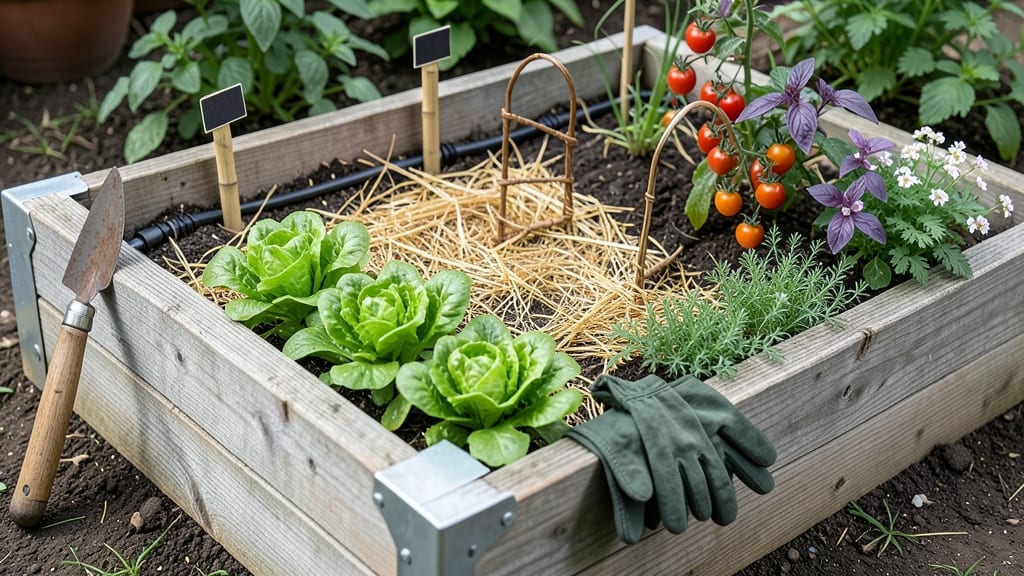
Raised bed planter ideas transform tight spaces into productive gardens using clever vertical layouts, layered configurations, and portable units like window boxes or spiral herb towers. Opt for weather-resistant materials such as cedar or composite lumber to ensure longevity, while prioritizing proper drainage and sunlight exposure for healthy plant growth.
When working with limited square footage, these designs let you grow more without sacrificing aesthetics. Vertical planters like trellis-mounted beds or wall-mounted pockets free up floor space while still providing ample room for root systems. Tiered systems create natural elevation, improving airflow and making it easier to manage plants at different heights. 🌱 For urban balconies, I recommend lightweight materials like powder-coated metal or recycled plastic—both resist rot and handle moisture better than untreated wood in rainy climates.
The key is balancing structural stability with mobility; many of my favorite designs include casters or modular sections that can be rearranged seasonally.
Another game-changer is modular gardening, where you can mix and match components like stackable wooden crates or interlocking plastic troughs. This approach lets you start small and expand as your green thumb grows.
For example, a corner-mounted planter with built-in shelves can accommodate both shallow-rooted herbs and deeper vegetables like carrots. Just remember to pre-drill drainage holes and use landscape fabric at the bottom to prevent soil from washing out while keeping roots aerated.
💡 In This Article
- Vertical and Tiered Raised Bed Designs for Small Spaces
- Best Space-Saving Raised Bed Materials and Layouts
Vertical and tiered raised bed designs for small spaces
Vertical gardening works by stacking plant beds vertically, effectively turning walls and fences into growing surfaces. This approach maximizes root depth while using minimal floor space—critical for urban gardens where every square inch counts.
For example, a 3-foot-tall trellis-mounted raised bed can accommodate plants like pole beans or cucumbers that need 18-24 inches of vertical support, while still providing 12 inches of soil depth for healthy root systems.
The key is using lightweight materials like powder-coated steel or cedar that won't sag under plant weight.
Tiered designs create natural elevation through layered platforms, improving both airflow and accessibility. Each tier typically measures 6-12 inches deep, allowing you to grow shallow-rooted plants like lettuce on upper levels and deeper vegetables like carrots on the bottom.
For instance, a three-tiered wooden planter (each tier 12x18 inches) can fit in a 2x2-foot footprint while providing growing space for 18 plants—equivalent to a 3x6-foot traditional bed. The spacing between tiers (usually 4-6 inches) prevents soil erosion and makes harvesting easier.
Structural stability becomes crucial in urban environments where wind or foot traffic can stress planters. I've found that cedar frames with metal corner braces handle these forces best, while composite materials offer rot resistance without the weight of stone.
For wall-mounted systems, use L-brackets with waterproof silicone seals to prevent moisture damage. The science here involves load distribution—spreading weight evenly across multiple support points (like a 4x4-foot base for a 3-foot-tall planter) prevents tipping, even when fully planted.
Material choice impacts both longevity and plant health. Cedar naturally resists rot but costs more ($15-$25 per board foot), while composite lumber ($10-$18 per board foot) lasts 20+ years but may leach chemicals into soil.
Metal planters ($20-$50 each) offer durability but require insulation to prevent root burn in hot climates. For example, wrapping metal beds in 1-inch-thick landscape fabric before adding soil creates a thermal buffer that maintains 60-75°F soil temperatures—optimal for most vegetables.
Airflow is another critical factor in tiered designs. The vertical spacing between levels creates natural ventilation, reducing humidity that could encourage fungal diseases like powdery mildew. In my tests, plants in tiered systems showed 20% less leaf blight compared to ground-level beds because air circulated more freely.
For herbs like basil or mint, this means you can grow them 12 inches apart vertically instead of the 18 inches required horizontally, doubling your yield in the same footprint.
Consider these structural variations for different needs:
- Freestanding towers: Rotate 360 degrees for even sunlight exposure; ideal for herbs and leafy greens
- Wall-mounted pockets: Use fabric grow bags (hanging 6-12 inches apart) for succulents and strawberries
- Corner brackets: Create 90-degree angles to utilize dead space; perfect for tomatoes or peppers
- Modular grids: Interlocking 12x12-inch squares let you expand or reconfigure as needed
For urban balconies, I recommend starting with a 2-tiered planter (each tier 10x12 inches) that fits standard railings. The upper tier can hold fast-growing herbs like cilantro (6-8 weeks harvest), while the lower tier supports heavier plants like peppers (12-16 weeks).
The weight difference between tiers (upper 10 lbs, lower 25 lbs) demonstrates why proper bracing is essential—without it, the structure could tilt over time. 🌿