
Tools
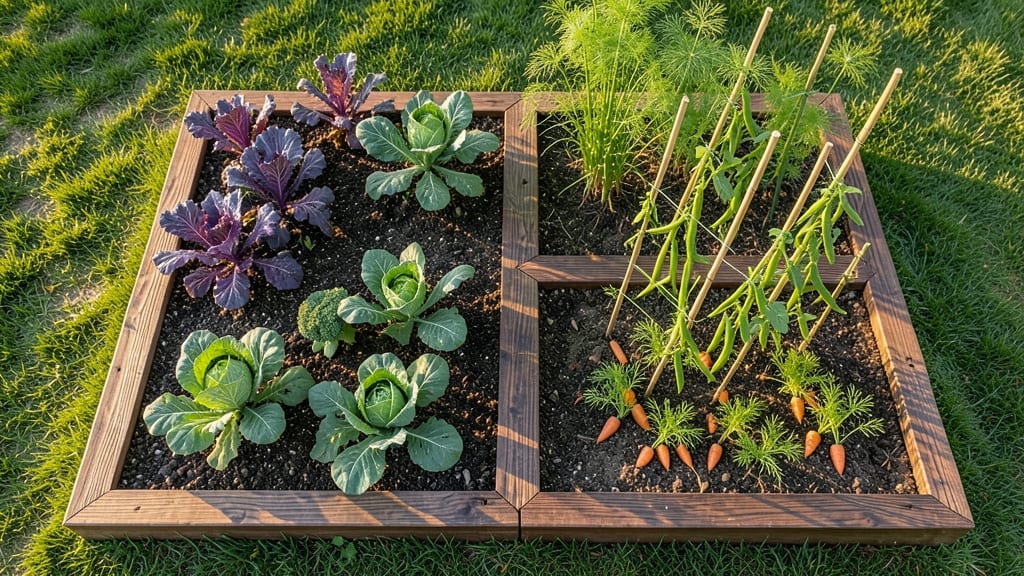
Maximize your small garden space with these 10 innovative raised bed vegetable garden layouts. Perfect for urban growers, these designs optimize sunlight, soil depth, and companion planting to boost yields—even in tight areas.
Square Foot Gardening Grid Layout
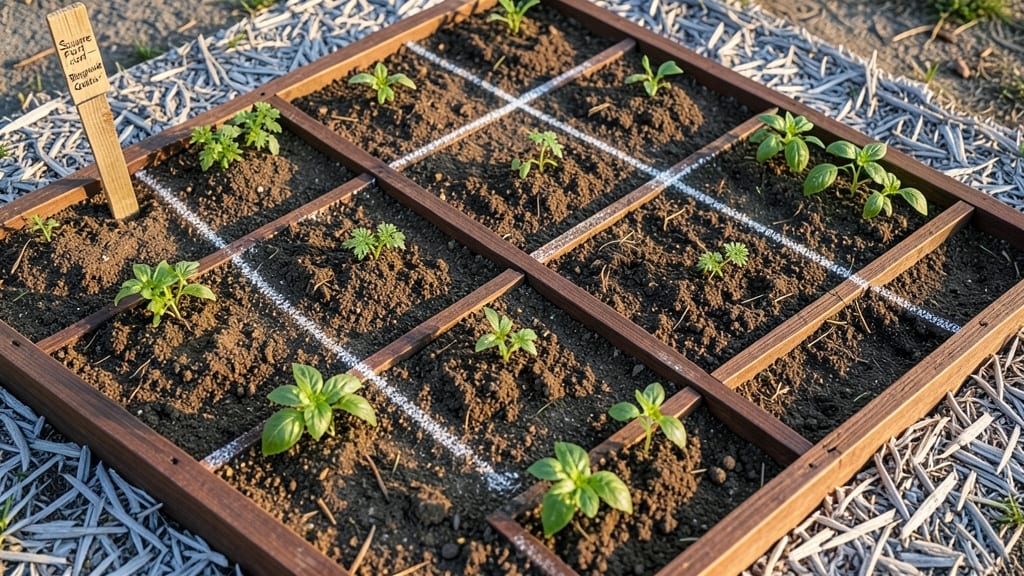
If you’ve ever felt overwhelmed by the thought of designing a raised bed, the square foot gardening grid layout is your perfect starting point. This simple system breaks your bed into a grid of 1-foot squares, making it easy to plan, plant, and maintain—even if you’re new to gardening.
Each square holds a specific number of plants based on their mature size (e.g., 16 lettuce plants or 1 tomato plant per square). This method eliminates guesswork about spacing, reduces waste from overcrowding, and makes weeding and harvesting a breeze. It’s especially great for herbs, leafy greens like spinach or kale, and small root vegetables such as radishes or beets.
This layout is a game-changer for urban gardeners or anyone with limited space, as it maximizes every inch while keeping maintenance simple. Plus, you can mix and match plants in each square for a thriving, colorful harvest. 🌱
Vertical Trellis Tower Garden
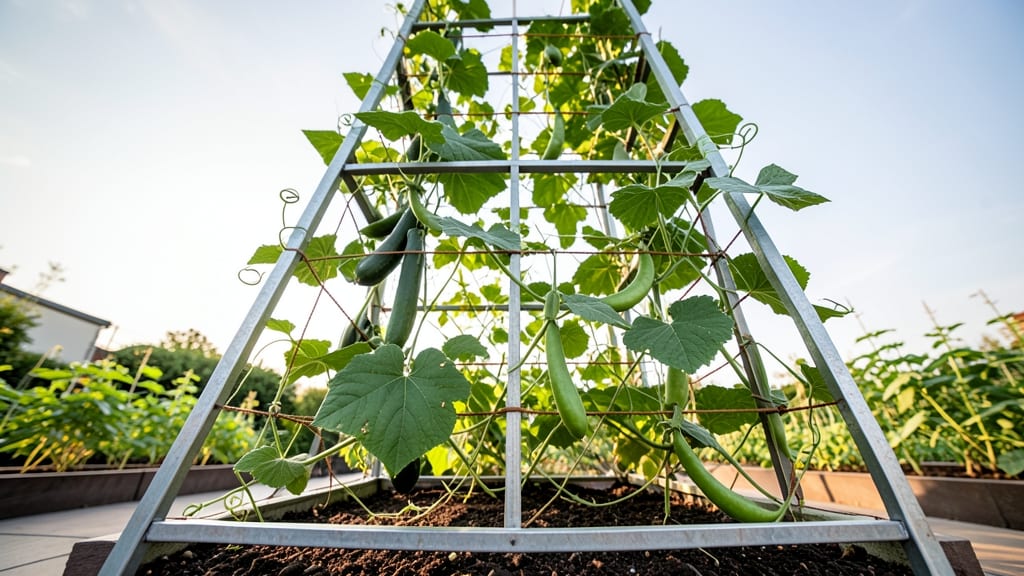
Tired of watching your vining plants sprawl across your patio or compete for space with other crops? A vertical trellis tower garden turns wasted vertical space into a high-yield growing zone for cucumbers, pole beans, and peas—all while keeping your garden organized and maximizing harvests.
This space-saving design uses a sturdy frame (wood, metal, or even repurposed materials) to support climbing plants upward instead of outward. Install your trellis near a sunny wall or fence for optimal growth, and choose fast-growing varieties like bush beans or sugar snap peas for quick rewards. Watering is easier too—just aim your hose at the base, and the tower’s design helps distribute moisture evenly to cascading vines.
Urban gardeners with limited square footage will love this layout, as it effectively doubles your growing capacity without sacrificing aesthetics. Plus, the vertical display adds a striking focal point to any garden. 🌱
Companion Planting Square Layout
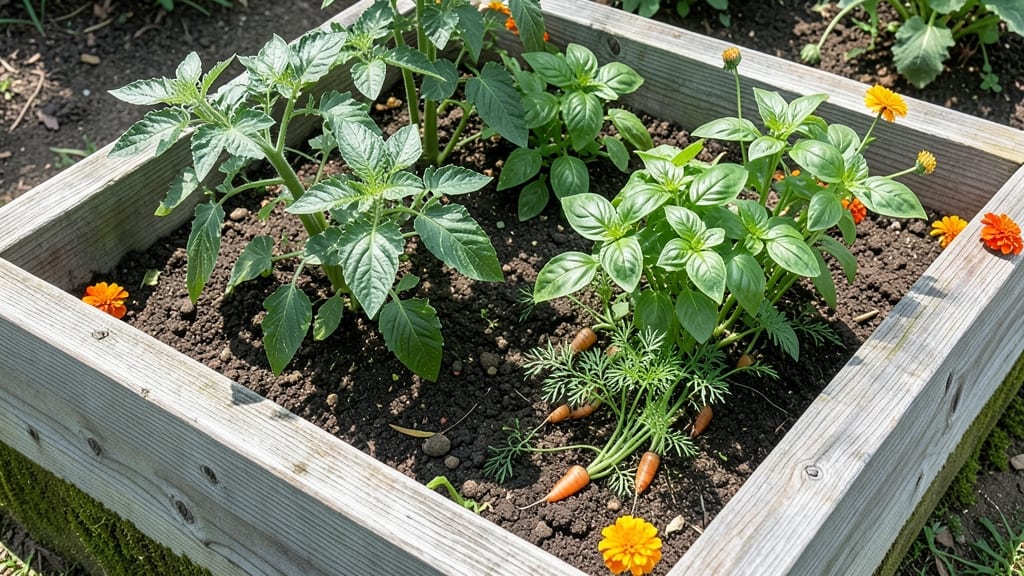
Want a raised bed that works with nature instead of against it? The companion planting square layout uses science-backed plant pairings to naturally repel pests, boost flavors, and make every inch of your bed count—no chemicals required.
Start by grouping tomatoes with basil (the basil’s scent deters tomato hornworms) and carrots with onions (the onions’ sharp aroma confuses carrot flies). Add marigolds near peppers to ward off nematodes, or tuck nasturtiums around cucumbers to lure aphids away. This layout thrives in 4x4-foot squares, giving each plant its ideal growing conditions while maximizing harvests in small spaces.
Perfect for urban gardeners or beginners who want low-maintenance, high-reward results—your veggies will taste better, grow stronger, and need fewer interventions. 🌱
Keyhole Garden Design
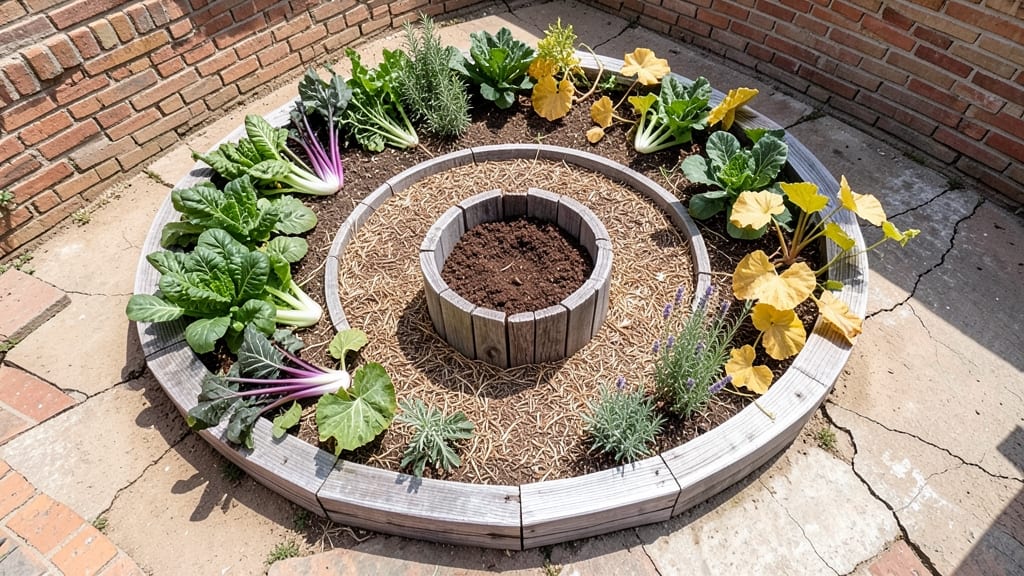
If you're struggling with water restrictions or hot, dry climates, the keyhole garden design might be your answer. This circular raised bed features a central compost hub that feeds nutrients directly to the soil, reducing your water needs by up to 50% while keeping plants thriving.
The design works by placing a compost basket in the middle of the bed, surrounded by a ring of plants like Swiss chard, radishes, and kale. The compost stays moist longer, creating a microclimate that retains moisture and nutrients. You’ll need about 4-6 hours of sun per day and a wooden or stone border to contain the soil. This layout is especially great for small spaces or areas where water conservation is a priority.
Perfect for urban gardeners, beginners, or anyone in arid regions, this design cuts down on maintenance while boosting productivity. Plus, the compost hub means you’ll never run out of nutrients—just keep adding scraps! 🌿
Straw Bale Garden Layout
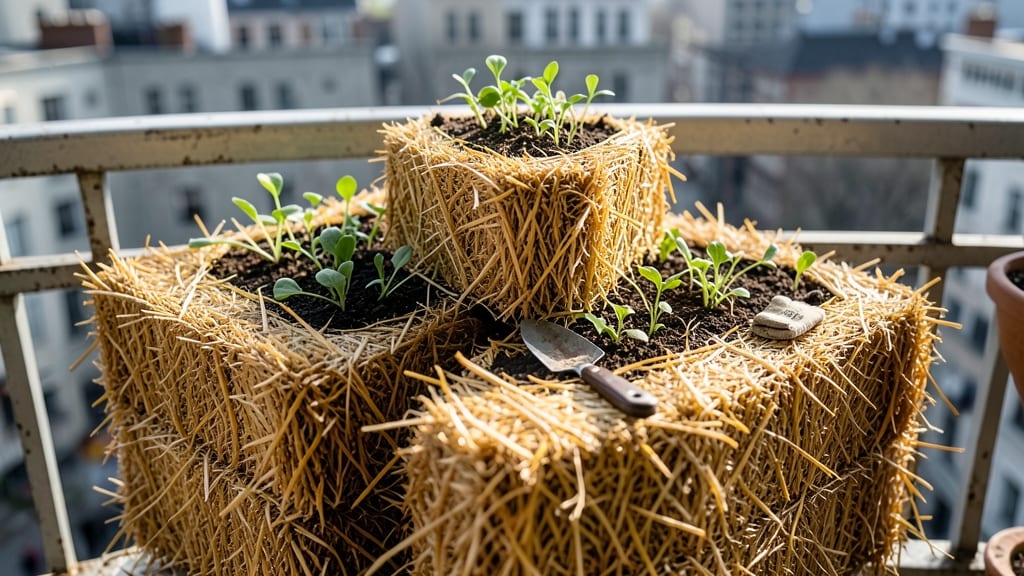
If you're a renter, urban gardener, or just tired of digging into poor soil, straw bale gardens offer a game-changing solution. This no-dig method transforms ordinary straw bales into a nutrient-rich growing medium that warms up faster than traditional soil—perfect for early spring planting.
Start by soaking your bales in water for a few days to kickstart decomposition, then top with a balanced fertilizer (like 10-10-10) to feed your plants. This setup thrives with fast-growing crops like lettuce, radishes, and herbs, which love the moist, crumbly texture. Place bales in a sunny spot (at least 6 hours of sun) and plant seeds directly on top—no soil prep required!
Straw bale gardens are ideal for small spaces, balconies, or temporary setups, and they break down naturally at the end of the season. Renters rejoice—no permanent damage to landlords' lawns! 🌱
Spiral Herb Garden Bed
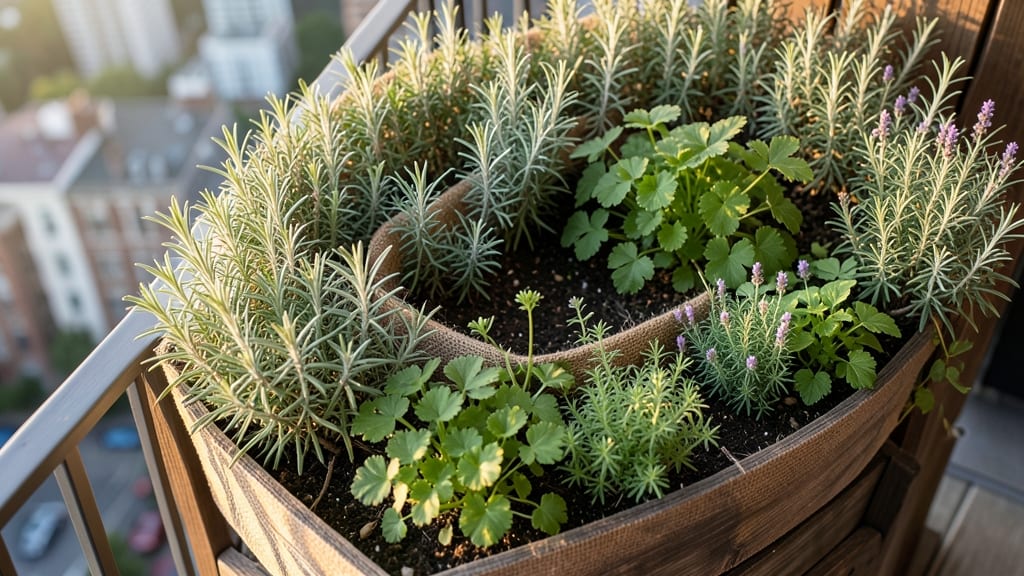
Turn your tiny balcony or patio into a thriving herb haven with a spiral herb garden bed—a space-saving design that packs in more plants than traditional square beds. This compact, winding layout creates natural microclimates, letting sun-loving rosemary and thyme thrive alongside cooler-loving parsley and lettuce in the same bed.
The spiral shape ensures every plant gets ideal growing conditions without overcrowding. Start with the sunniest spot for drought-tolerant herbs like oregano, then wind inward with moisture-loving greens like spinach or arugula. Use a 3-4 foot diameter bed for easy access, and line the edges with stones or bricks to contain the soil. Perfect for urban gardeners, this design fits on even the smallest spaces while keeping maintenance simple.
This layout is especially great for renters or anyone with limited square footage who still wants a bountiful harvest. Plus, the aesthetic appeal of a spiral bed adds charm to any outdoor space. 🌿
French Intensive Planting Bed
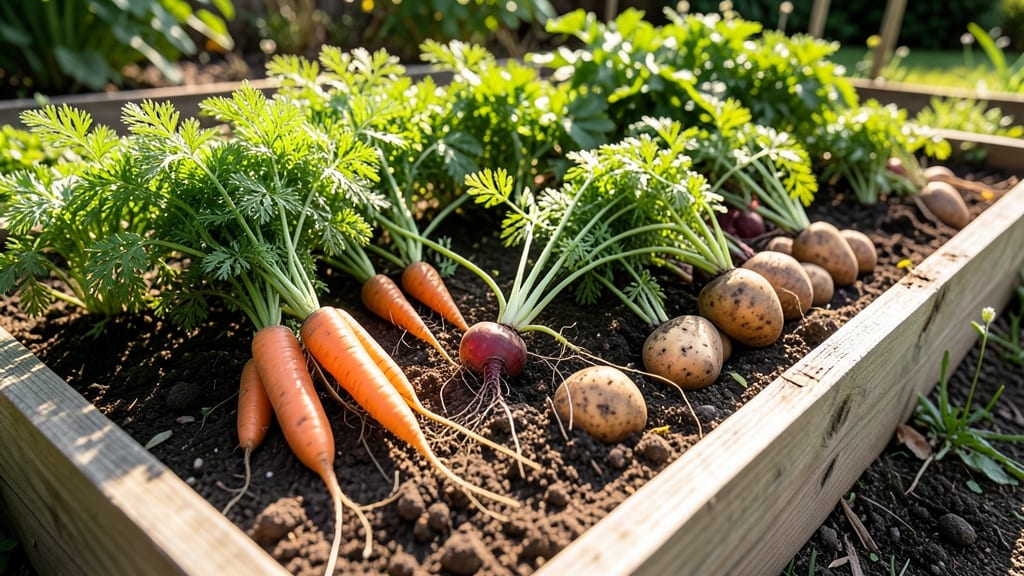
Want to grow more root vegetables in less space? The French Intensive Planting Bed is a game-changer for maximizing harvests with minimal footprint. This method uses deep soil layers (18+ inches) and ultra-close spacing to pack in high-yield crops like carrots, beets, and potatoes—ideal for long, narrow beds.
Start by creating a bed at least 4 feet wide and 8 feet long (or longer), with soil amended to a loose, fertile mix rich in compost. Plant seeds in staggered rows just 2-3 inches apart, then thin seedlings to 2-4 inches apart as they grow. This technique allows you to grow two crops per season—plant early varieties in spring and follow with late-season crops in summer.
Perfect for gardeners with limited space or those aiming for maximum productivity, this method is especially rewarding for urban growers or small homesteads. 🌱
Tiered Raised Bed System
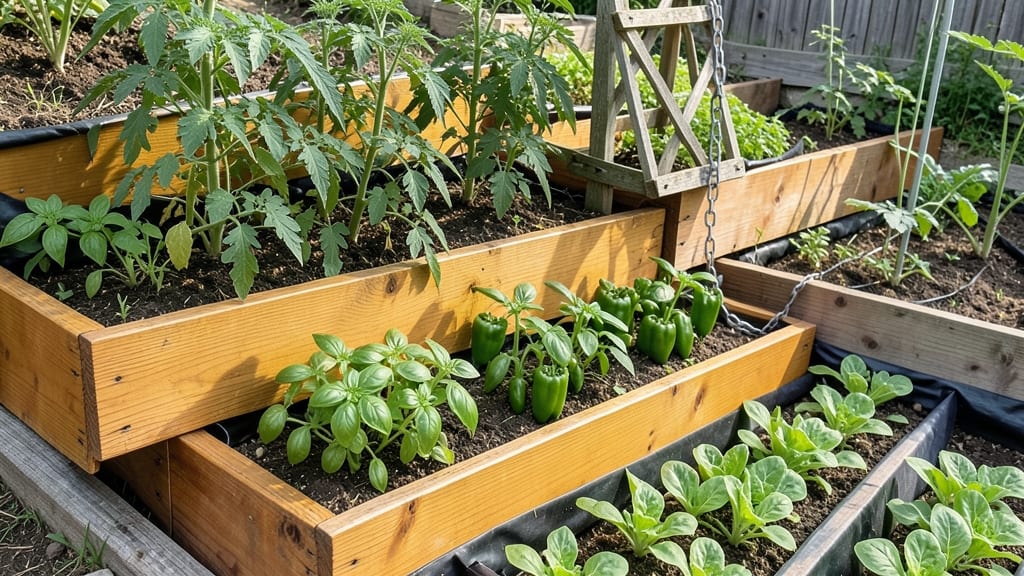
Turn a sloped yard or small plot into a high-yield garden with a tiered raised bed system—where every inch of space works for you. This stacked design lets you grow more in less footprint while accommodating plants with different sunlight needs and growth habits.
Place sun-loving tomatoes on the top tier (where they get the most light), medium-height zucchini in the middle, and shade-tolerant lettuce on the bottom. Each tier should be 12-18 inches deep and spaced 12-18 inches apart for easy access. Use wooden steps or ramps to connect levels, and ensure proper drainage between tiers to prevent waterlogging.
This system is a game-changer for urban gardeners, sloped properties, or anyone short on flat space. It’s also beginner-friendly—just stack your beds, fill with quality soil, and start planting! 🌻
Mediterranean Herb and Veggie Mix
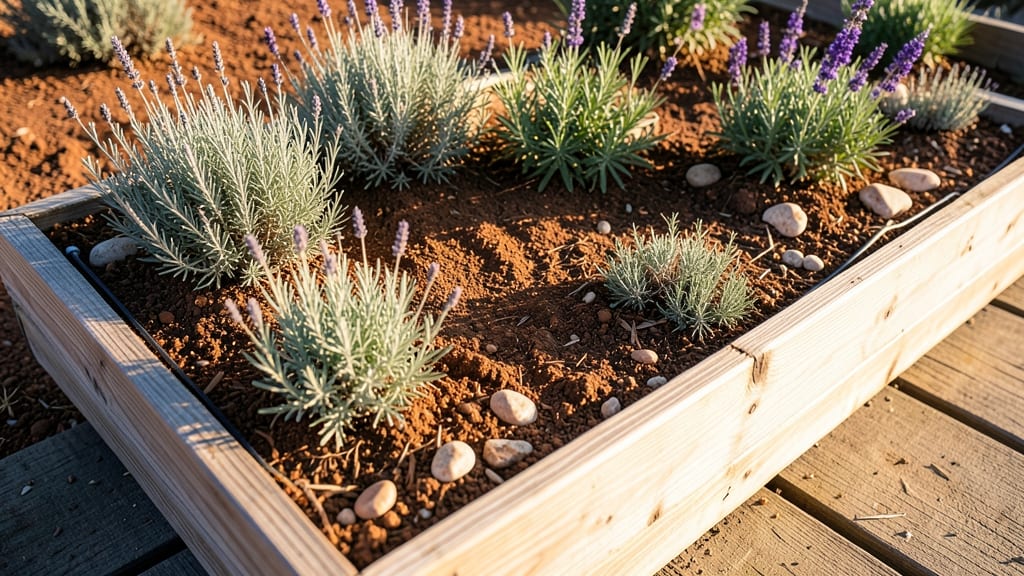
If you live in a hot, dry climate and dread the idea of watering every day, this Mediterranean-inspired raised bed is your answer. It thrives on 6+ hours of sun daily while using 30-50% less water than traditional gardens, making it perfect for arid regions or water-conscious gardeners.
Plant drought-tolerant stars like rosemary (perennial, fragrant, and pest-repellent), eggplant (fast-growing and heat-loving), and cherry tomatoes (compact and prolific) in well-draining soil mixed with compost. Space eggplants 18-24 inches apart, cherry tomatoes 12-18 inches apart, and rosemary 2-3 feet apart to allow airflow and prevent disease. Mulch with gravel or straw to retain moisture and suppress weeds—this layout is practically self-sustaining once established.
This design is ideal for urban gardeners in Zone 8-10 or anyone tired of fussy watering schedules. With minimal effort, you’ll enjoy year-round harvests of flavorful, sun-kissed produce. 🌻
Seasonal Rotation Square Layout

Tired of fighting pests and depleted soil year after year? A seasonal rotation square layout transforms your raised bed into a dynamic, self-sustaining system where you simply swap plant families each season—no extra work, just smarter growing.
Divide your bed into four equal squares, each dedicated to a different plant family: spring greens (like spinach or lettuce), summer tomatoes, fall brassicas (kale or broccoli), and winter garlic. This modular approach breaks pest cycles—cabbage worms won’t return to the same spot next year, and soil nutrients stay balanced. Mark each square with wooden stakes for easy rotation.
Perfect for small-space gardeners or anyone frustrated by declining yields, this layout ensures your soil stays healthy and productive for decades. It’s the ultimate "set it and forget it" strategy for raised beds. 🌱