
Vegetables
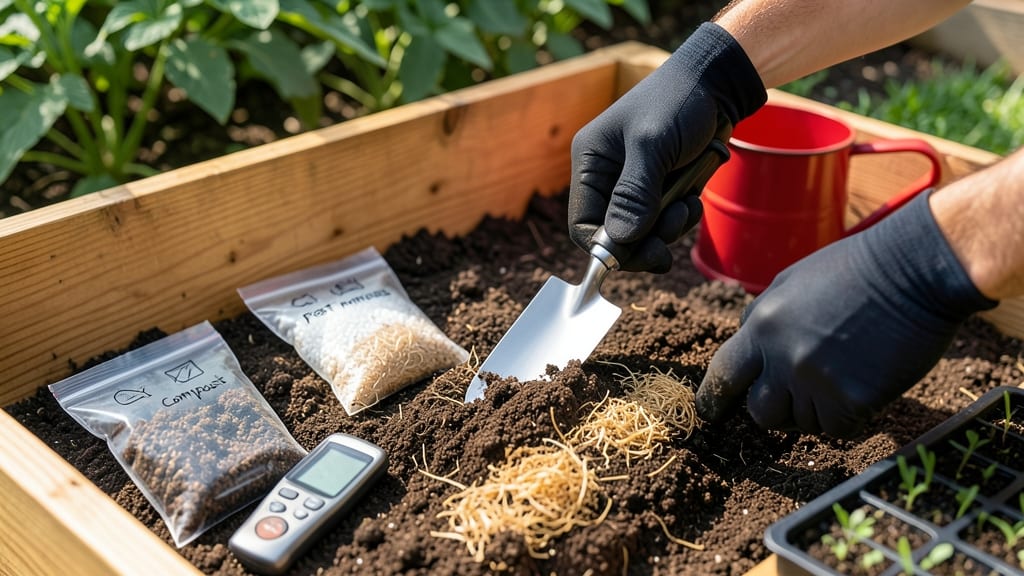
A perfect raised bed vegetable soil mixture is the foundation for a thriving garden—one that keeps roots happy, water flowing, and nutrients where they belong 🥕.
Struggling with poor plant growth in your raised beds? The secret isn’t just what you plant—it’s the layered soil structure beneath your seeds that determines success. A perfect raised bed vegetable soil mixture isn’t just dirt; it’s a science of drainage, aeration, and nutrient retention tailored for root-focused crops.
Too much sand and your tomatoes drown; too much clay and your lettuce wilts. The right mix balances organic matter, texture, and fertility—and I’ll walk you through the exact ratios, from bottom drainage to topsoil, so your vegetables get the support they need without the guesswork.
Ready to transform your raised beds into a powerhouse of growth? Below, I break down the layer-by-layer approach, common mistakes to avoid, and custom blends for everything from carrots to peppers—so you can finally stop second-guessing your soil.
The perfect layer-by-layer raised bed soil mix for vegetable growth
A raised bed vegetable soil mixture isn’t just dirt—it’s a carefully engineered ecosystem. The key to thriving vegetables lies in a three-layer structure that balances drainage, nutrients, and aeration. This method prevents waterlogging, compaction, and nutrient loss while giving roots exactly what they need to grow.
For heavy feeders like tomatoes, you’ll need more organic matter, while light feeders like lettuce thrive in a looser, less nutrient-dense mix.
Start with the bottom layer, which acts as your drainage foundation. This layer prevents soggy roots and ensures excess water escapes. The middle layer is where you’ll focus on nutrient retention and microbial activity, using a mix of compost, aged manure, and worm castings.
Finally, the top layer is your planting zone—lightweight, fluffy, and ready for seeds or transplants. Together, these layers create the perfect environment for your vegetables to flourish.
Below is a customizable soil mix breakdown tailored to different vegetable types. Adjust ratios based on your climate, soil type, and specific crops. For example, tomatoes and peppers need more organic matter, while carrots and radishes benefit from a sandier, looser mix to prevent root deformities.
Pro Tip: Always test your soil’s pH before mixing. Most vegetables prefer a slightly acidic to neutral range (6.0–7.0). If your soil is too alkaline, add sulfur or peat moss to lower the pH. For acidic-loving plants like blueberries, adjust with elemental sulfur.
| Layer | Purpose | Heavy Feeders (Tomatoes, Peppers) | Light Feeders (Lettuce, Herbs) |
|---|---|---|---|
| Bottom (20%) | Drainage & Aeration | Coarse sand or gravel (50%) + hardwood chips (50%) | Coarse sand (70%) + perlite (30%) |
| Middle (50%) | Nutrients & Microbes | Compost (40%) + aged manure (30%) + coconut coir (20%) + worm castings (10%) | Compost (30%) + coconut coir (40%) + perlite (20%) + worm castings (10%) |
| Top (30%) | Planting Zone | Potting soil (50%) + perlite (30%) + compost (20%) | Potting soil (60%) + perlite (30%) + compost (10%) |
| Amendments (Optional) | Boost Growth | Bone meal (for blooms) + kelp meal (for vigor) | Fish emulsion (for greens) + mycorrhizal fungi (for roots) |
For organic vs. synthetic amendments, consider your gardening philosophy. Organic options like compost, worm castings, and fish emulsion improve soil health long-term, while synthetic fertilizers like 5-10-10 NPK provide quick nutrient boosts.
I recommend blending both for balanced results—use organic matter for the base and synthetic fertilizers as needed during the growing season.
If you’re growing root vegetables like carrots or potatoes, focus on a looser, sandier mix in the middle layer to prevent deformities. For leafy greens, prioritize moisture retention by adding more coconut coir or peat moss.
Fruiting plants like tomatoes and peppers benefit from a higher compost ratio to support heavy yields.
After mixing, fluff the soil gently with a garden fork to avoid compaction. Water thoroughly to settle the layers, then let it rest for 1–2 weeks before planting. This gives microbes time to activate and nutrients to become available.
For container gardening, reduce the bottom layer to 10% and increase the top layer to 40% to maximize root space.
Monitor your soil’s moisture and adjust as needed. Heavy clay soils? Add more perlite or coarse sand. Sandy soils? Mix in extra compost or coconut coir to retain moisture. Over time, your raised bed will become a self-sustaining ecosystem, reducing the need for frequent amendments.
Finally, rotate your crops annually to prevent nutrient depletion and disease buildup. For example, plant heavy feeders like tomatoes in one bed one year, then switch to light feeders like lettuce the next. This keeps your soil balanced and your vegetables thriving year after year.
5 Common mistakes that ruin your raised bed soil mix (and how to fix them)
Your raised bed vegetable soil mixture is the foundation for thriving crops, but even small mistakes can stifle growth. I’ve seen gardeners spend hours selecting seeds and plants, only to neglect the soil—leading to wilting seedlings or stunted vegetables.
The key is balancing drainage, aeration, and nutrient density without overcomplicating the mix.
One of the biggest blunders is assuming garden soil or topsoil alone will suffice. These materials often compact easily, suffocate roots, and lack the organic matter vegetables crave.
Even store-bought "premium" mixes can fail if they’re too dense or lack moisture retention during dry spells. Let’s fix these issues before they derail your harvest.
⚠️ Soil Mix Disaster Alert!
Mistake #1: Using 100% compost or yard waste without balancing it. Too much organic matter creates anaerobic pockets, inviting fungal diseases and root rot. Fix: Limit compost to 30% of your mix and pair it with coarse sand or perlite for airflow.
Mistake #2: Skipping the drainage layer. Without it, water pools at the bottom, drowning roots. Fix: Add 2–3 inches of gravel or broken pottery at the base before filling with soil.
Another critical error is over-tilling the soil mix. While it might seem like loosening the soil helps, excessive tilling destroys soil structure and releases carbon dioxide too quickly, harming microbial life.
Instead, use a broadfork to aerate gently or layer materials without mixing them aggressively. Think of your soil as a lasagna—each layer has a purpose.
Forgetting to test your soil’s pH balance is a silent killer. Most vegetables thrive in a slightly acidic to neutral range (6.0–7.0). If your mix is too alkaline (common with composted wood chips), add sulfur or peat moss to adjust.
A simple home pH test kit ($10) saves you from guessing—and wasted plants.
Let’s talk about moisture retention. A mix heavy on sand drains too fast, while clay holds water like a sponge. The fix? Add coconut coir or vermiculite (5–10%) to retain humidity without compacting.
Pro tip: Water your mix before planting—if it forms clumps when squeezed, it’s too dry. Aim for a damp sponge consistency.
Finally, neglecting worm castings is a missed opportunity. These tiny powerhouses boost microbial activity and provide slow-release nutrients. Mix in 10–20% worm castings (or aged manure) for a nutrient boost without burning roots. For heavy feeders like tomatoes, add a handful of bone meal at planting time.
Your raised bed soil mix should feel like a luxury hotel for roots—not a construction site. By avoiding these pitfalls, you’ll create a fluffy, fertile environment where vegetables thrive from seed to harvest. 🌱