
Flowers
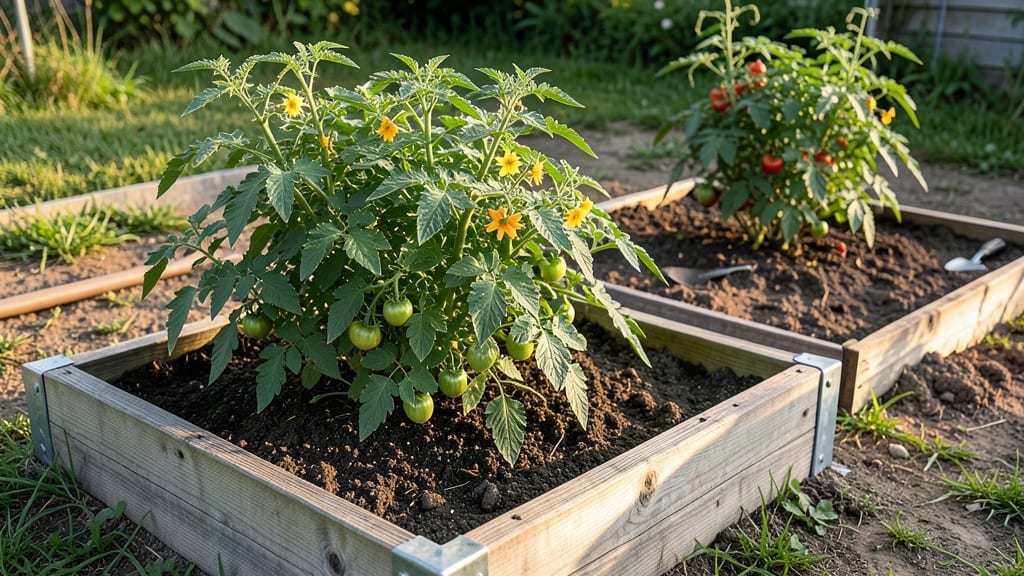
Choosing between raised beds and in-ground planting feels like picking between two different gardens—because they really are. 🌱 I’ve tried both, and while in-ground gardens offer space and permanence, raised beds give you control over soil, drainage, and even accessibility.
The right choice depends on your goals, space, and how much work you’re willing to put in upfront.
Raised beds win for soil quality and weed control, since you can customize the mix and keep roots contained. They warm up faster in spring, which means earlier planting, and they’re easier on your back if you struggle with bending.
But in-ground gardens let you grow more plants at lower cost, and they integrate seamlessly into landscapes. If you’re starting fresh, raised beds are the foolproof way to grow—no tilling, no waiting for soil to improve.
For flowers, raised beds shine with vibrant displays and fewer pests, while in-ground gardens can handle larger perennials and shrubs. I’ve seen dahlias thrive in both, but my neighbor-jealousy peonies?
Those belong in raised beds where the soil never compacts. The trade-off? In-ground gardens need more prep work—amending soil, dealing with weeds, and waiting for nature to balance itself.
Think about your space: raised beds work in small yards or urban plots, while in-ground gardens suit larger areas with existing soil. Both have their place—some gardeners even mix them.
The key is matching the method to your priorities: convenience vs. cost, or customization vs. permanence. Either way, you’ll grow something beautiful.
The first product explained
Looking for a sleek, space-efficient way to grow your favorite flowers without the hassle of traditional gardening?
Meet the MiraGro Elevated Planter Box—a stylish and functional raised bed designed to elevate your gardening game! 🌸✨ This premium product is perfect for urban gardeners, small-space enthusiasts, and anyone who loves a polished look with maximum growing potential.
📏 Specs & Features
The MiraGro Elevated Planter Box comes in a modern, cedar-wood design with a powder-coated steel frame for durability. Here’s what makes it stand out:
- Dimensions: 4' L x 2' W x 10" H (customizable lengths available)
- Material: Weather-resistant cedar wood (naturally rot-resistant) with a rust-proof steel base
- Drainage: Pre-drilled holes at the bottom + built-in saucer to prevent waterlogging
- Weight: Lightweight yet sturdy (easy to move if needed)
- Assembly: Tool-free snap-together design (takes under 15 minutes!)
- Aesthetic: Sleek, minimalist design blends seamlessly with decks, patios, or balconies
- Warranty: 5-year warranty against defects
🎯 Target Users
This planter box is ideal for:
- 🏙️ Urban gardeners with limited space but big dreams
- 🌿 Small-space enthusiasts (balconies, patios, or rooftops)
- 👩🍳 Beginner gardeners who want a low-maintenance, high-reward setup
- 🌸 Flower lovers who prioritize aesthetics and easy access for pruning
- 🛡️ Eco-conscious gardeners (cedar is a sustainable choice)
💰 Price Point & Value
The MiraGro Elevated Planter Box is priced at $199 for the 4' model, with optional add-ons like:
- 🌱 Premium soil mix (+$25)
- 🎨 Custom paint kits (+$30)
- 🔌 Built-in LED grow lights (+$50, perfect for low-light areas)
Pro Tip: 💡 Check for seasonal sales or bundle deals—sometimes they offer free assembly or extra planters with purchase!
With its durability, style, and functionality, this raised bed is a worthwhile investment for anyone looking to grow flowers effortlessly while adding curb appeal to their space.
The second product explained
If you're looking for a budget-friendly yet highly functional option for in-ground gardening, Product B: The Classic Cedar Border Garden Kit 🌿✨ is an excellent choice. Designed for gardeners who prefer traditional planting methods but want a structured, low-maintenance approach, this kit offers a sleek solution without breaking the bank.
Key Specs & Features
- Material: Premium pressure-treated cedar (naturally rot-resistant and eco-friendly).
- Dimensions: Customizable lengths (4', 6', or 8') with a consistent 12" height—ideal for creating defined garden beds or borders.
- Assembly: Tool-free, interlocking design for quick setup (no permanent foundation required).
- Drainage: Pre-drilled holes at the bottom to prevent waterlogging, perfect for clay-heavy or poorly draining soils.
- Versatility: Works for flowers, herbs, or shallow-rooted veggies. Pair with landscape fabric to suppress weeds effortlessly.
- Aesthetic: Clean, natural wood finish that blends seamlessly into any garden style (stain or paint optional).
Who’s It For?
This product is a fantastic fit for:
- 🌸 Beginner gardeners who want structure without complexity.
- 💰 Budget-conscious plant lovers—cedar is affordable and long-lasting.
- 🏡 Urban or suburban gardeners with limited space or poor soil.
- 🎨 DIY enthusiasts who enjoy customizing their garden layout.
Price Point & Value
The Classic Cedar Border Garden Kit typically retails for $49–$99 depending on length and customization options. While it’s an upfront investment, its durability (20+ years with proper care) and low maintenance make it a cost-effective long-term solution.
Compare this to raised beds, which can cost 3x more for similar square footage!
Pro Tip: 💡 Extend the life of your cedar borders by sealing them every 2–3 years with a non-toxic wood preservative. This keeps them looking fresh and pest-free for decades!
Head-to-head comparison
🌱 Performance: Growing Conditions & Plant Health
When it comes to nurturing your flowers, both raised beds and in-ground planting have unique strengths—but they cater to different needs. Let’s break down how each performs in key areas:
- Soil Quality & Drainage:
Raised beds win for soil control—you can customize the mix (think compost, peat, or sand) for optimal drainage and aeration.
In-ground beds rely on native soil, which may compact over time or lack nutrients. 💡 Pro Tip: If your in-ground soil is rocky or clay-heavy, amending it with organic matter can bridge the gap!
- Temperature Regulation:
Raised beds warm up faster in spring (great for early bloomers like tulips or pansies) but can overheat in summer. In-ground soil stays cooler, protecting heat-sensitive flowers like hydrangeas or roses.
- Root Space & Stability:
Deep-rooted perennials (e.g., peonies or daylilies) thrive in-ground, where roots spread naturally. Raised beds limit depth (typically 6–12 inches), so shallow-rooted annuals (marigolds, petunias) are ideal.
- Weed & Pest Control:
Raised beds block weeds from invading from below, and their elevated edges deter burrowing pests (like slugs). In-ground plots may need mulch or barriers to keep weeds at bay.
🛠️ Features: Design & Functionality
Your garden’s layout and accessibility hinge on these practical differences:
| Feature | Raised Beds | In-Ground Planting |
|---|---|---|
| Accessibility | ✅ No bending/kneeling—great for back-friendly gardening. | ❌ Requires bending or raised kneeling pads. |
| Space Efficiency | ✅ Vertical walls maximize square footage (ideal for small yards). | ✅ Uses full ground space but needs pathways for access. |
| Customization | ✅ Choose materials (cedar, composite, metal), heights, and soil blends. | ❌ Limited to natural soil and existing terrain. |
| Drainage Solutions | ✅ Built-in drainage layers (gravel, landscape fabric) prevent waterlogging. | ❌ May need amending or grading to improve drainage. |
| Mobility | ✅ Can be moved or rotated yearly to refresh soil. | ❌ Permanent unless you’re willing to dig up the plot. |
💡 Pro Tip: For in-ground gardens, create raised mounds (like lasagna gardening) to mimic raised-bed benefits without the structure!
💰 Price: Initial Investment & Long-Term Costs
Your wallet will feel the difference—here’s how costs compare:
- Upfront Costs:
Raised beds require materials (wood, hardware, soil), typically costing $200–$1,000+ for a 4’x8’ bed. In-ground planting is free (just labor for soil prep).
- Soil Amendments:
Raised beds need ongoing soil replenishment ($50–$200/year for compost). In-ground soil may need one-time amendments (e.g., compost, lime).
- Maintenance:
Raised beds save time on weeding but may need rebuilding every 5–10 years (wood rot). In-ground plots require more manual labor (tilling, mulching) but last indefinitely.
- Tools & Accessories:
Raised beds often need drip irrigation kits or trellises (extra $50–$300). In-ground gardens may require a wheelbarrow or broadfork for soil work.
🎯 Budget Hack: Build DIY raised beds from recycled materials (cinder blocks, pallets) to cut costs by 50%!
🏗️ Durability: Longevity & Maintenance
How long will your garden last? Here’s the breakdown:
- Materials:
Wooden raised beds last 5–10 years (cedar resists rot best). Metal or composite beds last 15+ years but cost more. In-ground plots are permanent but soil quality degrades over time.
- Structural Integrity:
Raised beds may sag or lean if not built with corner braces. In-ground soil can compact under foot traffic, requiring occasional aeration.
- Repair Needs:
Raised beds need annual checks for rot or warping. In-ground gardens may need topsoil replenishment every few years.
- Environmental Impact:
Pressure-treated wood contains chemicals that may leach into soil. In-ground planting is zero-waste but relies on natural decomposition.
✨ Eco-Friendly Tip: Use untreated wood (like cedar) or recycled plastic lumber for raised beds to reduce chemical exposure!
🌿 Suitability: Best Plants for Each Method
Not all flowers thrive equally—here’s where each method shines:
- Raised Beds Excel With:
- Shallow-rooted annuals: petunias, geraniums, marigolds
- Vegetable flowers: nasturtiums, borage
- Heat-loving perennials: lavender, salvia
- Container-friendly blooms: pansies, snapdragons
- In-Ground Plots Excel With:
- Deep-rooted perennials: peonies, daylilies, black-eyed Susans
- Bulbs: tulips, daffodils, alliums
- Woodland natives: hostas, astilbes, ferns
- Large shrubs: hydrangeas, roses
Which one should you choose?
So, which gardening method is right for you? The choice between raised beds and in-ground planting depends on your goals, space, budget, and even your long-term vision for your garden. Here’s a clear breakdown to help you decide:
🌱 Choose Raised Beds If...
- You’re new to gardening 🌱 – They offer better control over soil quality, drainage, and pests, making them ideal for beginners.
- Your soil is poor or rocky 🪨 – Raised beds let you customize the soil mix for optimal plant growth.
- You have limited mobility 🦽 – No bending or kneeling required, reducing strain on your back and knees.
- You want higher yields in small spaces 📏 – Perfect for urban gardens, balconies, or small yards.
- You’re growing vegetables or flowers that need well-draining soil 🥬 – Great for root crops, herbs, and delicate blooms.
🏡 Opt for In-Ground Planting If...
- You have deep, fertile soil 🌿 – If your native soil is already rich, in-ground planting can be low-maintenance and cost-effective.
- You’re planting large, sprawling plants 🌳 – Trees, shrubs, and some perennials thrive better when their roots can spread freely.
- You’re on a tight budget 💰 – No need to invest in materials or labor for bed construction.
- You want a natural, low-maintenance garden 🌺 – Less upkeep if your soil is already healthy and well-draining.
- You’re growing deep-rooted plants 🥔 – Carrots, potatoes, and asparagus often perform better with ample underground space.
🤝 Hybrid Approach: The Best of Both Worlds
Why not combine them? Many gardeners use raised beds for vegetables and flowers while keeping in-ground spaces for perennials, shrubs, and trees. This setup maximizes efficiency, aesthetics, and plant health!
💡 Pro Tip: If you’re still unsure, start small! Try a single raised bed for experimenting or improve a small in-ground patch with compost to test what works best for your space.