
How To
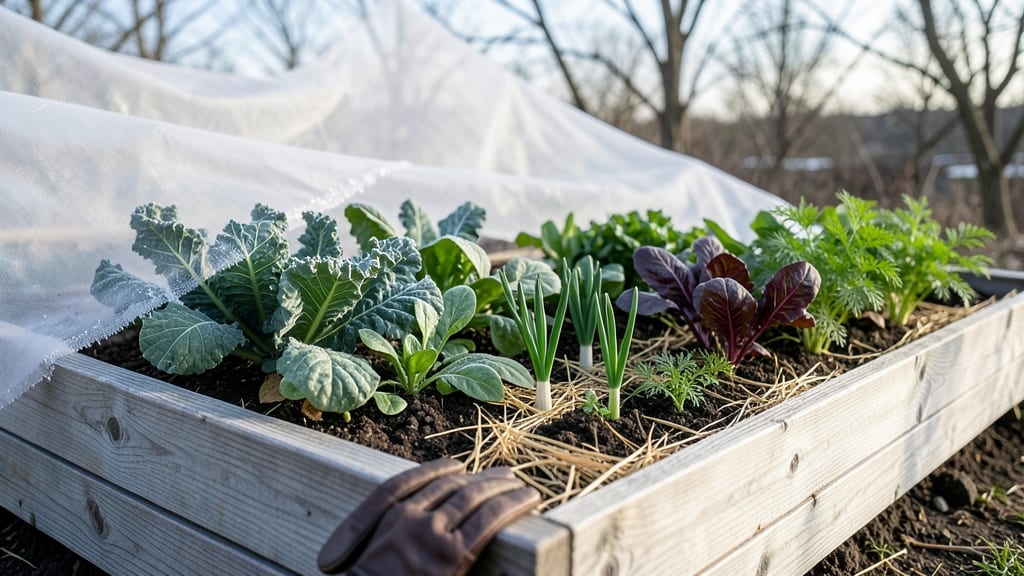
Winter in raised beds isn’t just about survival—it’s about thriving under frost with the right cold-hardy crops. 🌱 I’ve grown kale, spinach, and hardy herbs through snowfall, and the secret isn’t complicated: layering insulation, choosing resilient plants, and protecting them from extreme cold.
The payoff? Fresh greens when stores run out, and a garden that keeps producing even when neighbors’ beds are dormant.
Start with plants that love the cold—think kale, Swiss chard, winter lettuce, and parsley. They’ll keep growing (or at least survive) under 10-15°F with the right protection. Add 4-6 inches of straw or leaves as mulch, then top with black plastic or bubble wrap for extra warmth.
My raised beds stay productive through January this way, and the soil stays loose for easy planting come spring.
You’ll end up with a garden that feels alive even in the coldest months. The kale gets sweeter after frost, the spinach stays tender, and you’ll have fresh herbs for winter cooking. Plus, the soil improves with organic matter from decomposed mulch—ready for spring planting without extra work.
Works for any climate, from Zone 3 to Zone 7. The key is starting early: prep beds in late fall, plant hardy crops by mid-October, and adjust insulation as temperatures drop. No greenhouses needed—just smart layering and the right plants.
📚 In This Guide
- What you need
- Instructions
- Tips and common mistakes
- Wrapping up and next steps
What you need
- ● Raised bed frame: Wooden, cedar, or composite (4–6 ft wide, 8–12 ft long, minimum 12 inches deep).
- ● Garden soil: 2–3 cubic yards of high-quality, well-draining mix (compost, peat moss, and perlite blend works well).
- ● Cold-hardy crops: Seeds or transplants for kale, spinach, carrots, beets, or garlic (check USDA Zone 4–6 suitability).
- ● Mulch: Straw, shredded leaves, or straw bales (3–4 inches thick) to insulate soil.
- ● Row covers: Frost cloth or lightweight agricultural fabric (rated for 25–30°F).
- ○ Cold frames or hoop tunnels: Optional but highly recommended for extending the season (DIY or pre-made).
- ● Garden tools: Garden trowel
- ● Pruners
- ● Rake (for clearing debris)
- ● Gloves (waterproof for winter work!)
- ● Soil amendments: Composted manure or worm castings to boost fertility.
- ● Drip irrigation or soaker hoses (for early spring watering before thaw).
- ● Thermometer (to monitor soil temps—ideal for winter crops: 40–60°F).
- ● Plant markers (freeze-proof labels for tracking varieties).
- ● Heating mat (for extreme cold zones, like Zone 3 or below).
Step-by-step guide for winter gardening in raised beds
Here’s how to keep your raised beds productive even when frost paints the ground.
☀️ Step 1: Select Cold-Hardy Crops for Your Climate Zone
Start by choosing varieties that thrive in your specific frost tolerance level. Kale, spinach, and Swiss chard are my go-tos—they not only survive but flavor intensifies after a light frost. In zones 5-7, add peas and radishes, which germinate quickly even in cool soil. For zones 8-10, consider winter lettuce and broccoli raab.
Check seed packets for "cold-hardy" labels—these crops often tolerate 15-25°F without protection. I always plant extra seeds in case of unexpected freezes. A 10% buffer on seed quantity ensures you won’t lose your harvest to a late frost.
🌱 Step 2: Prepare the Raised Bed for Winter Planting
Clear out any summer crops and remove 6-8 inches of old soil from the top. This prevents disease buildup and gives your winter plants fresh, nutrient-rich space. Amend the top layer with 2-3 inches of compost or well-rotted manure—winter crops need steady nutrients to keep growing.
Raised beds drain better than ground soil, but winter water can still pool. Add a 1-inch layer of straw mulch after planting to insulate roots and prevent soil compaction from rain. This also suppresses weeds that might compete with your cold-hardy greens.
💧 Step 3: Plant at the Right Depth and Spacing
Sow seeds ½ inch deep for most greens, but radishes and peas can go ¼ inch deep—they germinate faster in cool soil. Space seeds 1-2 inches apart in rows 12 inches apart to allow airflow, which prevents fungal diseases like downy mildew. I use a toothpick or pencil to make precise furrows in the soil.
Water gently after planting—just enough to moisten the soil without displacing seeds. Overwatering in cold soil can drown seeds before they sprout. A fine mist setting on your hose works best. Cover the bed with row fabric or a cloche if a hard freeze is forecasted within 3-5 days of planting.
⏰ Step 4: Monitor and Protect During Frost Events
Check your raised bed every morning during frost warnings. If temperatures dip below 25°F, cover plants with floating row covers or old blankets secured with bricks or stakes. Remove covers during the day to let sunlight warm the soil—2-3 hours of sun is enough to keep plants growing.
Water sparingly in winter—once every 7-10 days unless it rains. Overwatering can lead to root rot in cold soil. Use a soaker hose to deliver moisture directly to the roots without wetting the foliage, which can freeze and damage leaves.
✂️ Step 5: Harvest Strategically for Continuous Yields
Start harvesting outer leaves first from crops like kale and spinach to encourage regrowth. Radishes and peas are ready in 3-4 weeks, so plant successive batches every 2 weeks for a steady supply. I harvest in the morning after frost—this is when flavors are sweetest and leaves are crisp.
If a hard freeze kills some plants, don’t panic. Pull up the damaged ones and replant with fast-growing crops like arugula or mustard greens, which tolerate light frost. Winter gardening is about adaptation—what doesn’t work one season might thrive the next.
Tips & tricks for perfect raised bed winter gardening
Winter gardening in raised beds isn't just possible—it's rewarding when you know these insider tricks. Here's what I've learned after years of frost-proofing my harvests.
Climate Zone Precision: The 15-25°F cold tolerance range mentioned for winter crops is a great starting point, but verify your specific zone's frost dates. I cross-reference with the USDA Plant Hardiness Zone Map and add 2-3°F buffer for safety. For example, in Zone 6, I'll choose varieties rated for Zone 5 to ensure survival during unexpected dips below 20°F.
Soil Temperature Matters: Don't just check air temperatures—soil temperature is what really counts for seed germination. I use a soil thermometer and wait until soil reaches at least 40°F before planting. In cold climates, I warm the soil by covering the bed with black plastic for 2-3 days before planting to jumpstart germination.
Layered Protection Strategy: When temperatures drop below 25°F, I implement a three-layer protection system: row fabric for airflow, straw mulch for insulation, and floating covers for wind protection. The key is removing covers during the day to prevent overheating—2-3 hours of sunlight is all winter crops need to photosynthesize effectively.
Succession Planting Calendar: The 2-week interval for successive planting works perfectly for radishes and peas, but I've found that in colder climates, extending this to 3-week intervals prevents overcrowding. Create a simple planting chart marking your first planting date and then adding 21-day increments—this ensures you always have something ready to harvest before the next batch matures.
Pro Tips for Raised Bed Winter
- Winter gardening in raised beds isn't just possible—it's rewarding when you know these insider tricks.
- Climate Zone Precision: The 15-25°F cold tolerance range mentioned for winter crops is a great starting point, but verify your specific zone's frost dates.
- Soil Temperature Matters: Don't just check air temperatures—soil temperature is what really counts for seed germination.
Frequently asked questions
Got questions about keeping your raised beds productive through winter?
Here are answers to the most common concerns—from timing to troubleshooting—so you can garden smarter in the cold months.
Can I still plant in a raised bed during winter, or should I wait for spring?
Yes! Many cold-hardy crops like kale, spinach, and garlic thrive in winter. Plant them before the first frost for a head start, or sow directly in late fall for a winter harvest. Just ensure your bed has good drainage and protection from harsh winds or heavy snow.
How do I protect my raised bed crops from freezing temperatures?
Use row covers, cold frames, or low tunnels to shield plants from frost. Add a 2–3 inch layer of straw or leaves for insulation. For extreme cold, consider moving potted plants to a garage or unheated shed. Mulch heavily around perennials to preserve roots.
What’s the best time to start winter gardening in a raised bed?
Start in early fall (6–8 weeks before the first frost) for overwintering crops like Brussels sprouts or carrots. For spring greens, sow seeds in late winter (2–3 months before last frost). Adjust timing based on your climate zone—cooler regions can plant earlier than warmer ones.
Will my raised bed soil freeze solid in winter? How do I prevent it?
Raised beds warm up faster in spring, but heavy clay or poor drainage can cause freezing. Improve soil with compost and organic matter before winter. Avoid compacting soil, and use straw mulch to insulate roots. If your bed freezes, it won’t harm plants—just delay growth until soil thaws.
What are some easy winter crops to grow in raised beds for beginners?
Start with low-maintenance, cold-resistant crops:
- Leafy greens: Spinach, lettuce, arugula
- Root veggies: Carrots, radishes, beets
- Brassicas: Kale, broccoli raab, cabbage
- Alliums: Garlic, onions, chives
Wrapping up and next steps
Winter gardening in raised beds isn’t just possible—it’s rewarding! 🌱 With the right cold-hardy crops, proper insulation, and a little planning, you can enjoy fresh harvests even when frost is in the air.
Whether you’re a seasoned gardener or just starting, these tips will help you turn your raised beds into a year-round oasis of greens, roots, and herbs.
Ready to take the next step? Start small—pick one or two crops to experiment with this winter, monitor their progress, and build your confidence. Before you know it, you’ll be harvesting crisp kale, sweet carrots, and fragrant thyme right through the coldest months. Happy gardening! 🌟