
Landscaping
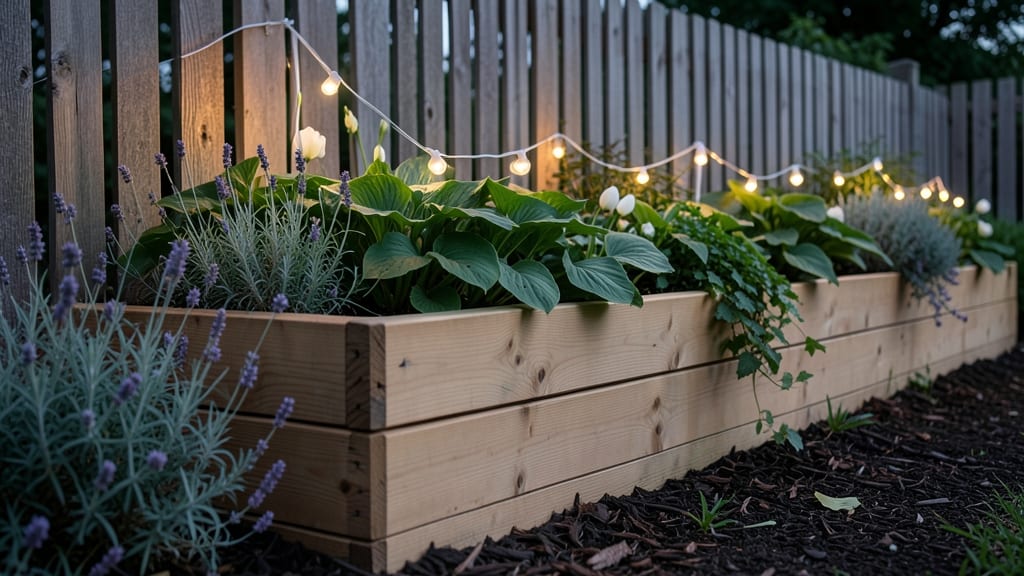
Maximize your small yard with these creative raised garden bed designs that run along fences. These space-saving layouts not only boost your growing area but also serve as functional privacy screens, perfect for urban or suburban gardens.
Tiered Privacy Garden Bed Design
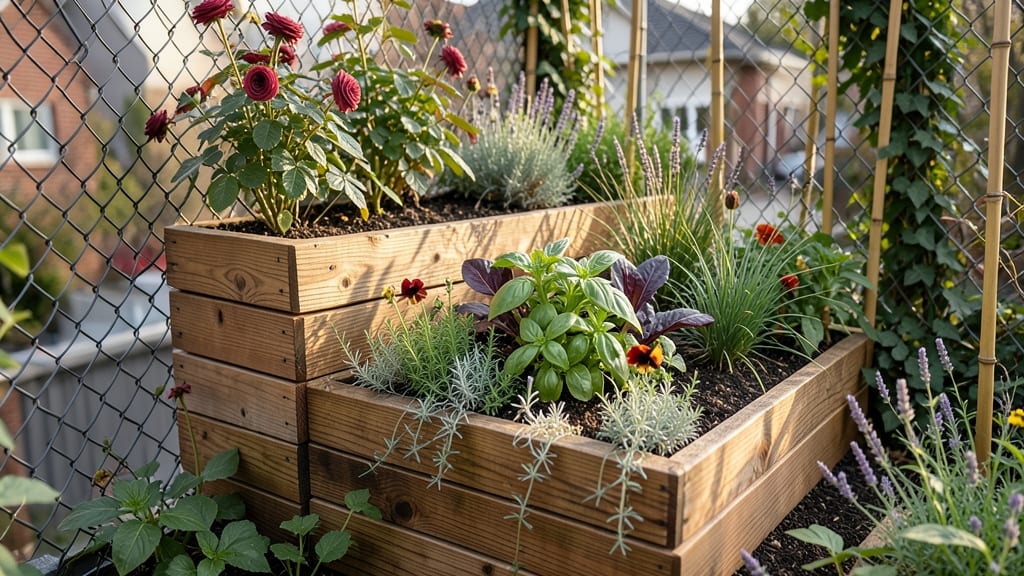
Turn your narrow yard into a multi-functional oasis with tiered privacy garden beds that grow vertically while blocking noise and wind. This design maximizes limited space by stacking beds at different heights, creating a lush, layered privacy screen that doubles as a productive garden.
Start with a sturdy frame (cedar or composite lumber) to build each tier, spacing them 12-18 inches apart for easy access. Plant tall varieties like sunflowers or hollyhocks on the top level, mid-height shrubs like boxwood or lavender in the middle, and shallow-rooted herbs or lettuce on the bottom. This arrangement ensures year-round coverage while optimizing sunlight exposure for each plant.
Perfect for urban gardeners or anyone with a tight space, tiered beds transform a fence line into a functional, beautiful, and productive feature. Plus, the varying heights create visual interest that softens the hard lines of a fence. 🌿
Living Fence with Edible Plants
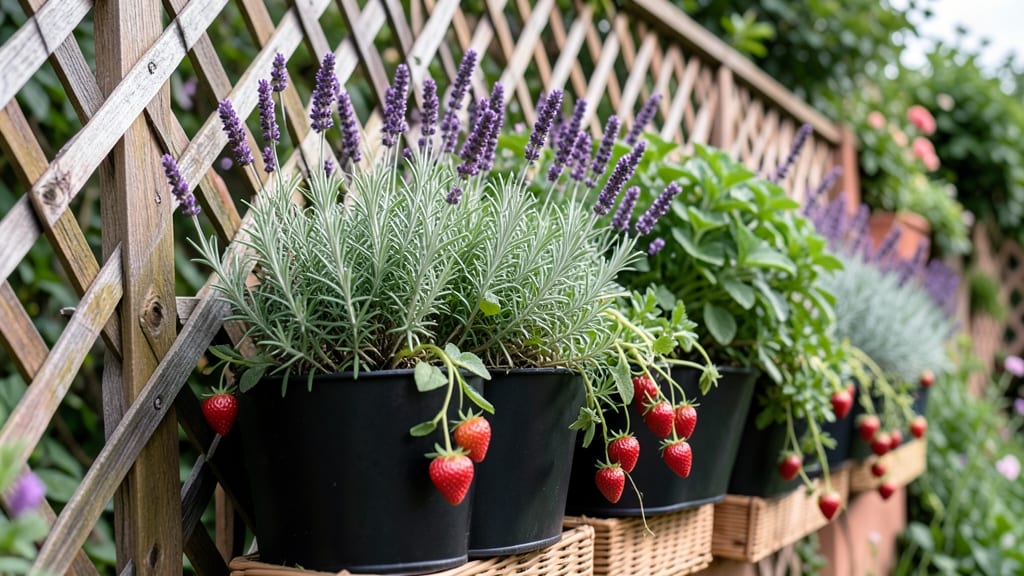
Turn your fence into a fragrant, food-producing privacy screen with a living fence made entirely of edible and ornamental plants. This dual-purpose design combines the beauty of lavender and rosemary with the productivity of strawberries, creating a sensory-rich barrier that thrives in containers or shallow raised beds.
Start with drought-tolerant herbs like rosemary and thyme at the back for height and fragrance, then layer in spreading strawberries and low-growing oregano for a lush, edible foreground. Use 12-18 inch deep containers to accommodate roots while ensuring proper drainage—critical when placed directly against fences. The aromatic herbs will also naturally repel pests from your other plants.
This design is perfect for urban gardeners with limited space or anyone who wants to enjoy both beauty and harvest. Plus, the year-round interest from evergreen herbs means your privacy screen never looks bare. 🌱
Curved Arcing Garden Beds
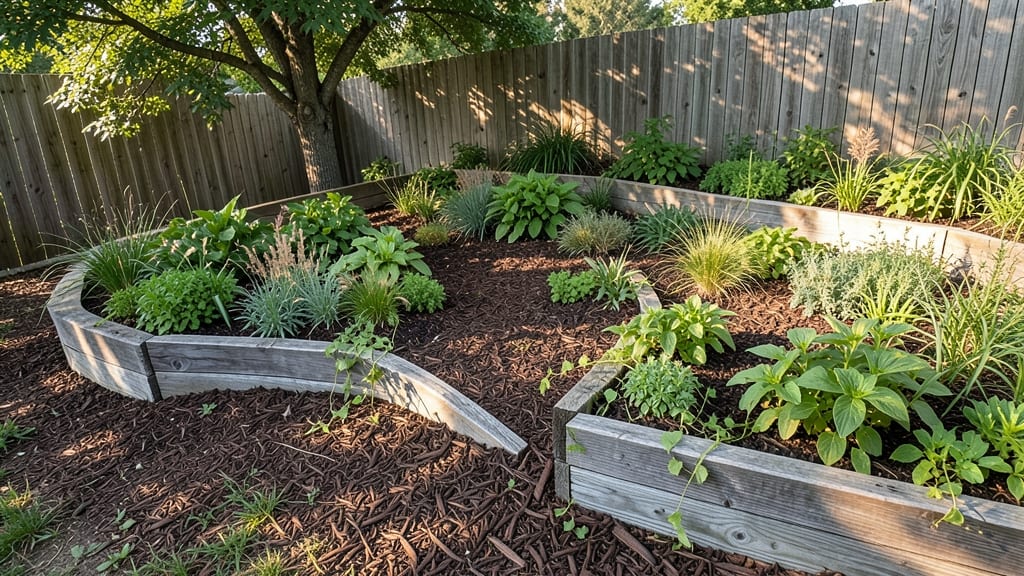
Say goodbye to rigid, straight-edged beds that waste precious space—curved arcing garden beds follow your fence’s natural lines, transforming awkward corners into lush, productive growing areas. These flowing shapes create a soft, organic look that blends seamlessly with your landscape while sneaking in extra plants where straight edges would leave gaps.
To build them, use cedar or composite lumber for durability and resistance to warping, then cut planks into smooth arcs with a circular saw and jigsaw. Plant trailing varieties like nasturtiums or sweet potatoes along the outer curve to spill over the edges, while taller sunflowers or hollyhocks anchor the inner bend. This design also works wonders for irregular yards or sloped terrain, as the curves naturally adapt to the land’s contours.
Perfect for gardeners who love a natural, low-maintenance aesthetic, these beds add visual flow to your space while maximizing every inch of growing area. 🌻
Vertical Trellis Garden Bed
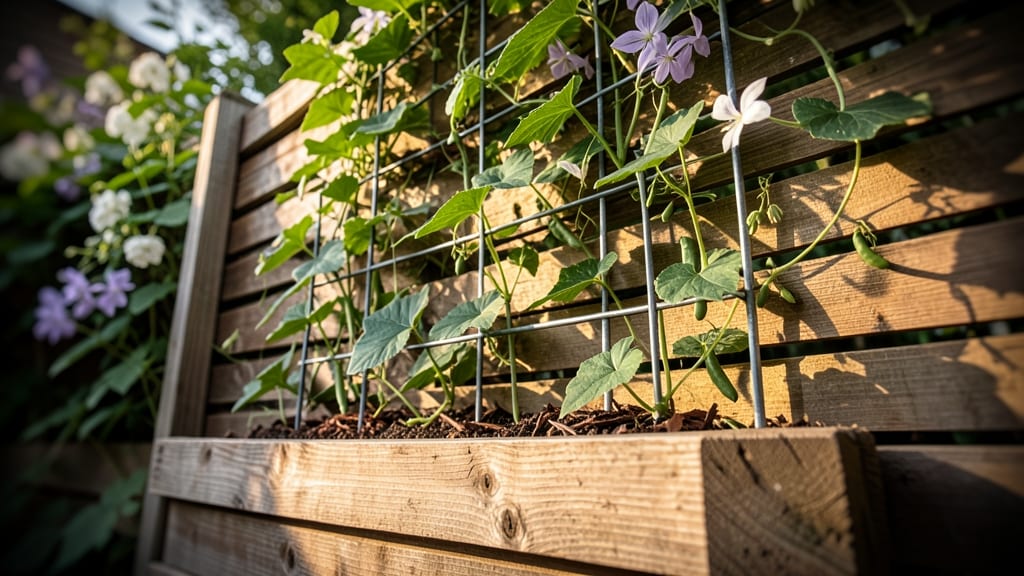
Turn your fence into a vertical garden oasis by building a raised bed with integrated trellises. This clever design lets you grow cucumbers, pole beans, or clematis straight up the fence, transforming unused wall space into a lush, food-producing screen that blocks views and adds privacy.
Start by constructing a deep bed (12-18 inches) to accommodate root systems, then install sturdy trellises along the back edge. Plant fast-climbing varieties like bush beans or sugar snap peas for quick coverage, or opt for clematis for year-round greenery. Position the bed to receive at least 6 hours of sun—climbers thrive with vertical support and proper airflow to prevent disease.
This setup is ideal for urban gardeners with limited space or anyone wanting to double their growing area while adding a dramatic green backdrop. The vertical growth also keeps pests at bay and makes harvesting easier. 💪
Stacked Stone and Wood Privacy Beds
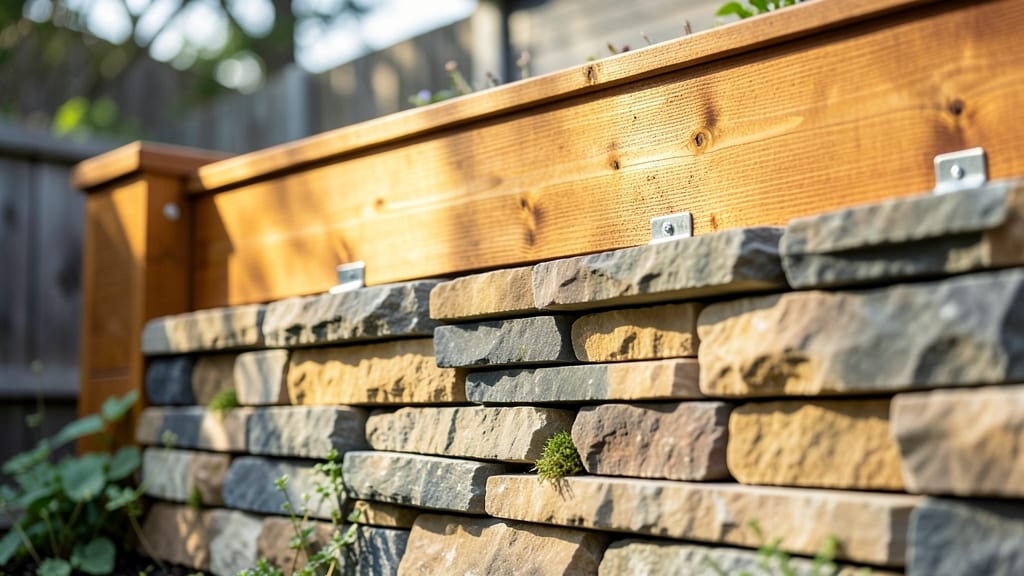
Want a privacy screen that lasts decades without constant upkeep? Stacked stone and wood raised beds combine the best of both worlds—natural stone bases that resist rot and weathering, paired with wood tops that add warmth and texture. This hybrid design creates a sturdy, long-lasting structure that blends effortlessly with any landscape while keeping neighbors' views at bay.
Start by laying fieldstone or pavers in a single or double layer for the base, ensuring they're level and compacted for stability. Use cedar or redwood planks for the top layer, as these woods naturally resist moisture and insects. The stone base elevates the wood above ground, preventing rot and extending the life of your bed by decades. Plant tall, leafy greens like kale or Swiss chard along the back for maximum privacy, while smaller herbs or flowers spill over the front for a polished look.
This design is ideal for gardeners who want low-maintenance durability without sacrificing aesthetics. The stone base also helps regulate soil temperature, making it perfect for heat-sensitive plants. Plus, the rustic charm of natural stone adds a timeless appeal to any yard. 💚
Window Box Style Garden Beds
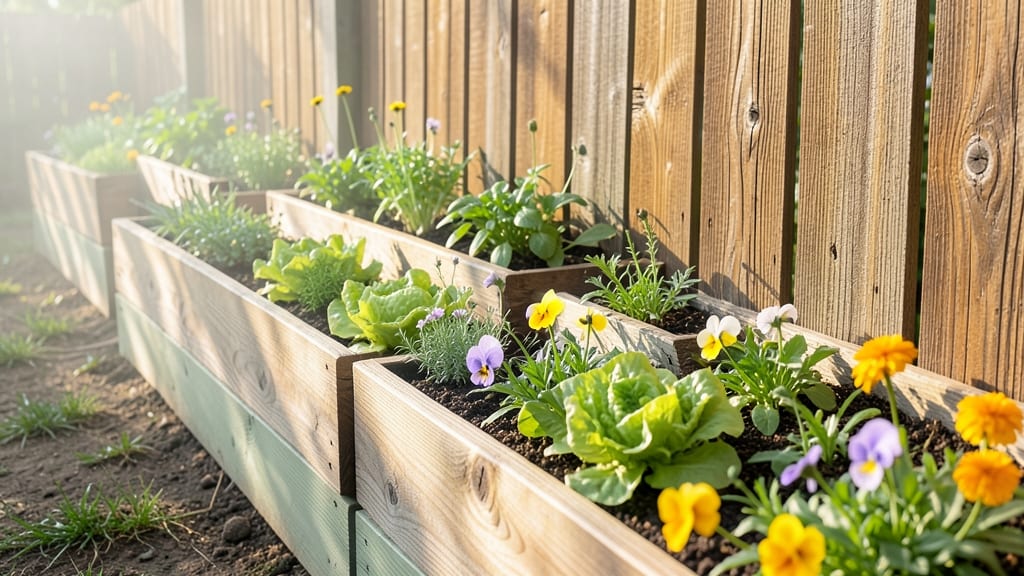
Transform your fence into a lush, window-box-inspired garden that brings the charm of cottage-style planters to your outdoor space. These narrow, elongated raised beds stretch along fences, creating a continuous line of greenery perfect for herbs, lettuce, or delicate flowers like pansies or marigolds—all while maximizing every inch of your property.
Build your bed with cedar or composite lumber (8–12 inches wide and 6–10 inches deep) to accommodate shallow-rooted plants. Secure it directly to the fence with L-brackets or hidden screws for a clean look, and line the bottom with landscape fabric to prevent weeds. Plant in succession every 2–3 weeks for a year-round harvest of fresh herbs or a blooming flower display that adds color to your fence line.
This design is ideal for urban gardeners, small yards, or anyone craving a low-maintenance yet charming garden feature. The narrow width keeps weeds at bay and makes watering a breeze, while the elongated shape adds visual interest without overwhelming your space. 🌱
Pallet Wood Privacy Garden
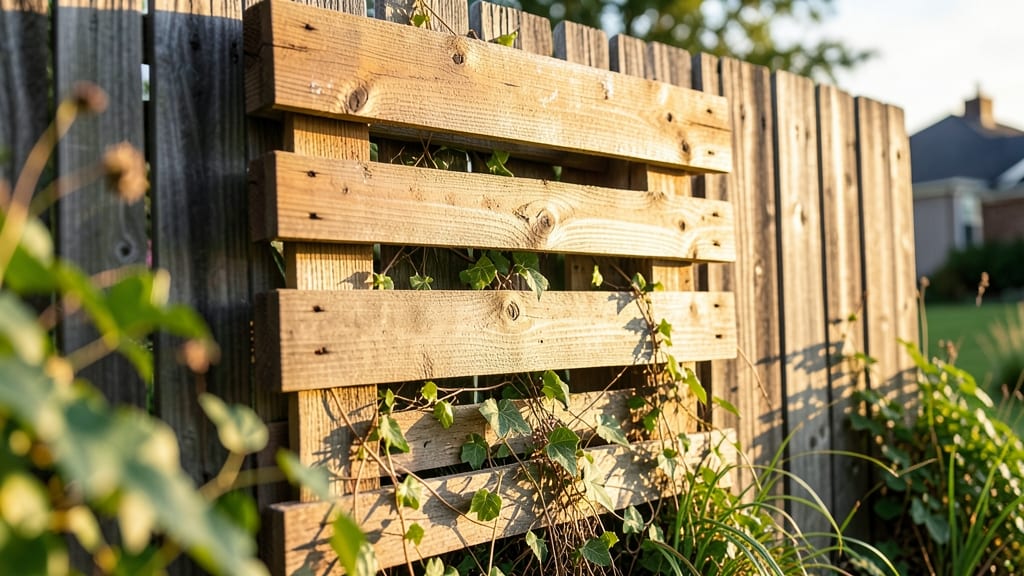
Turn unwanted pallets into a privacy garden that adds character to your fence line while keeping costs low. Stacking pallets vertically creates a natural, rustic screen that blocks views while providing a sturdy foundation for plants—no expensive materials required.
Start by sanding and treating pallets with non-toxic sealant (HT-rated for food-safe gardens) to prevent splinters. Fill the gaps between pallets with drainage fabric before adding soil, then plant tall sunflowers along the back for height and trailing ivy along the edges for softness. This design works especially well for chain-link or wire fences, where pallets add warmth and texture.
Perfect for beginners or eco-conscious gardeners, this project repurposes materials while creating a low-maintenance, high-impact privacy solution. 🌱
Modular Grid Garden Beds
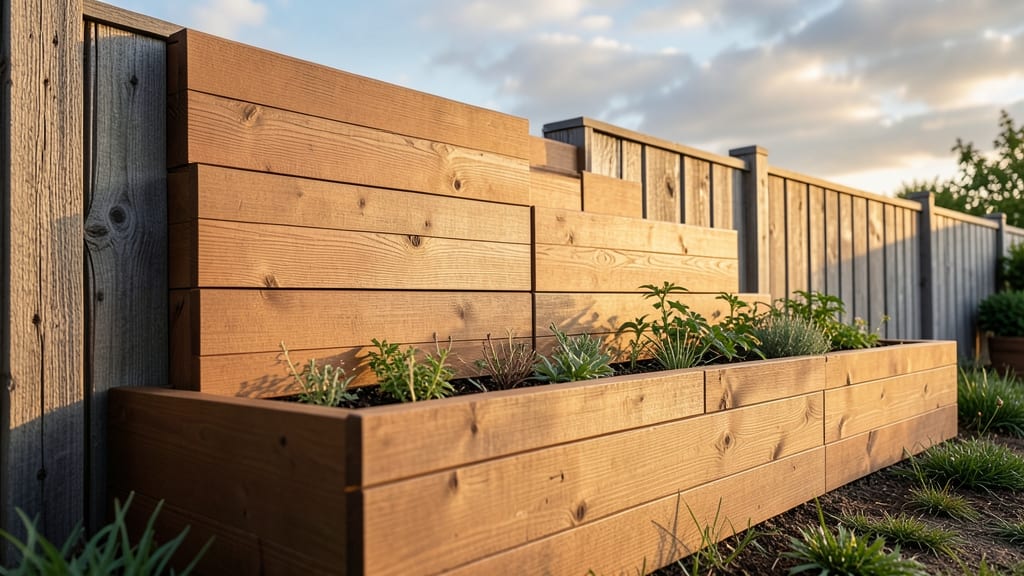
Tired of rigid garden bed designs that don’t fit your space? Modular grid garden beds let you snap together sections like puzzle pieces, creating a custom layout that hugs your fence perfectly—whether you need a sleek 4-foot line or a taller, multi-tiered backdrop.
These interlocking systems blend materials like galvanized steel (for durability) with cedar or redwood (for natural beauty), ensuring your beds resist rot and pests while looking intentional. Adjust heights to accommodate slopes or privacy needs, and mix materials for a modern yet organic aesthetic. Pre-drilled holes make assembly a breeze, even for beginners.
Ideal for urban gardeners or those with irregular fence lines, modular grids maximize space without sacrificing style. Plus, the uniform look makes crop rotation and maintenance effortless. 💡
Hanging Basket Combo Beds
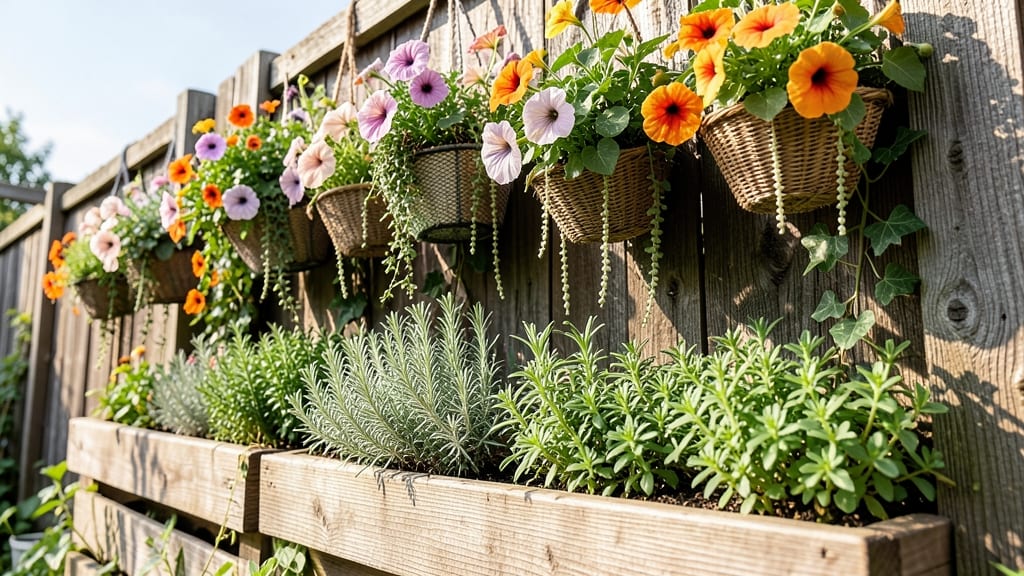
Turn your fence into a living vertical garden by combining traditional raised beds with suspended hanging baskets—a creative twist that maximizes space while adding layers of texture and color. This approach lets you grow everything from trailing herbs like thyme and oregano to cascading flowers like fuchsias and petunias, all while keeping your yard's footprint small.
Start by attaching sturdy metal or woven baskets at varying heights along the fence, using S-hooks or heavy-duty chains for secure mounting. Pair them with a shallow raised bed at the base for plants like lavender or dwarf boxwood, which thrive in contained spaces. For best results, choose plants with complementary water needs—like drought-tolerant succulents in baskets paired with moisture-loving ferns in the bed.
This design is perfect for urban gardeners with limited ground space or anyone who loves a whimsical, multi-level look. The cascading greenery also softens fence lines, creating a romantic, fairy-tale garden vibe that’s easy to maintain. 🌷
Solar-Powered Lighted Privacy Beds

Transform your fence line into a magical evening retreat with solar-powered lighted privacy beds. These beds combine functional gardening with soft, ambient lighting that automatically illuminates your space after sunset—no wiring or electricity needed.
Install solar-powered string lights along the bed’s edge, weaving them through plants or securing them to the fence. Choose warm white or soft amber bulbs to create a cozy glow that highlights foliage and flowers while deterring evening pests. For extra safety, add low-voltage path lights at the base to illuminate walkways. This setup works with any bed material—wood, stone, or metal—and pairs beautifully with tall plants like rosemary, lavender, or ornamental grasses that cast dramatic shadows when lit.
Perfect for urban gardeners or anyone who loves lingering in their garden after dark, these beds turn your privacy screen into a functional and enchanting feature. 💡