
Tools
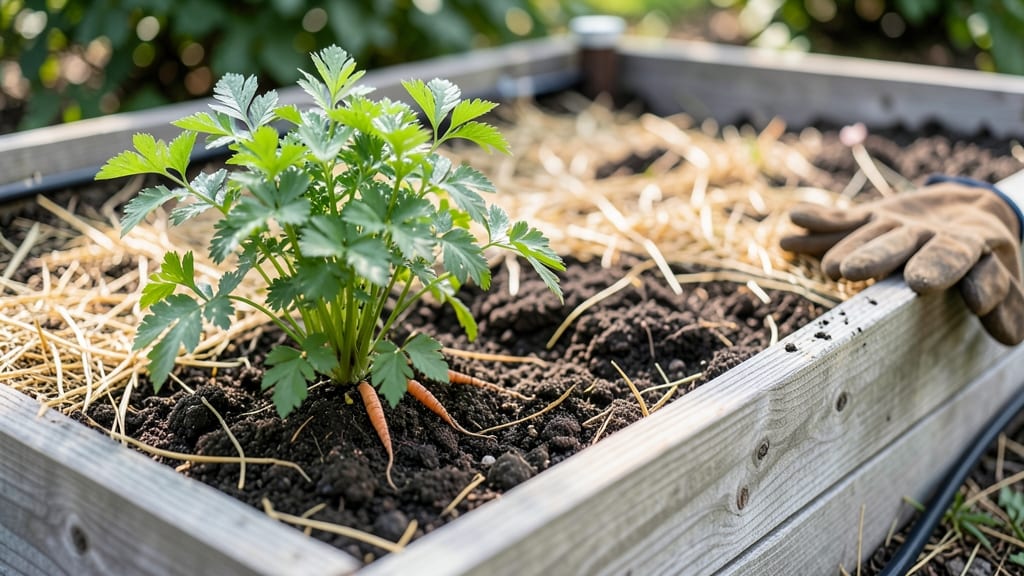
A raised garden bed for carrots transforms root crops from stubborn, forked disappointments into crisp, finger-long rewards. 🌱 After years of struggling with compacted soil and stunted harvests, I finally cracked the code: deep, loose layers and the right bed setup.
The secret isn't just the bed—it's how you prep the soil inside it. You'll need a minimum 12-inch-deep bed (18" for long varieties), coarse sand or perlite for drainage, and a soil mix that's 60% topsoil, 30% compost, and 10% sand.
Carrots hate competition, so space seeds 2 inches apart in rows 12 inches apart. The right depth prevents forking, and the loose mix lets roots grow straight and long—no more gnarled surprises. By midseason, you'll be harvesting smooth, 8-inch carrots that snap cleanly when pulled.
The raised bed keeps soil warm longer, speeds germination, and makes weeding a breeze. Plus, you avoid the soil-borne diseases that plague carrots in heavy garden beds. For pests, interplant with leeks or rosemary—their strong scents deter carrot flies.
Water consistently to prevent cracking, and avoid fertilizers high in nitrogen. This method works in any climate, from short-season zones to warm winters. Let's get those seeds in the ground!
📚 In This Guide
- What you need
- Instructions
- Tips and common mistakes
- Wrapping up and next steps
What you need
- ● Raised garden bed frame: Untreated wood (cedar or redwood recommended for durability) – 4x 2x6-inch boards (8 ft long each) or pre-made kit
- ● OR sturdy metal or composite frames (check height—12–18 inches deep is ideal for carrots)
- ● Landscape fabric or hardware cloth: 1 piece (slightly larger than bed base) to block weeds and pests
- ● Garden soil or potting mix: 6–8 cubic feet (light, loose, and well-draining—avoid clay-heavy soil!)
- ● Compost or aged manure: 2–3 gallons (for nutrient-rich soil)
- ● Perlite or coarse sand: 1–2 gallons (to improve drainage and loosen soil)
- ● Carrot seeds: 1–2 packets (choose short-to-medium varieties like ‘Paris Market’ or ‘Danvers Half Long’ for raised beds)
- ● Basic tools: Tape measure
- ● Drill or screws/nails (for assembly)
- ● Garden trowel or spade
- ● Rake or hoe (for leveling soil)
- ● Wood screws (galvanized, 2–2.5 inches long) for sturdy assembly
- ● Corner brackets (if using wood frames for extra reinforcement)
- ● Mulch (straw or shredded leaves) to retain moisture and suppress weeds
- ● Row covers or mesh netting to protect seedlings from pests
- ● pH testing kit (aim for 6.0–7.0—carrots prefer slightly acidic to neutral soil)
- ● Watering can or drip irrigation system (consistent moisture is key!)
Step-by-Step guide to building a raised bed for perfect carrots
Here's how I create the ideal deep, loose soil environment for long, straight carrots—no more stunted roots or forked messes.
🪴 Step 1: Choose and Assemble the Raised Bed Frame
Select untreated cedar or redwood lumber for your bed—these woods resist rot naturally and last for years. For 4-foot by 8-foot beds, I use 2x12 boards (actual dimensions: 11.5 inches wide) to create a 12-inch deep growing space. Carrots need that depth to develop properly, and wider boards prevent soil compaction over time.
Assemble the frame with 2x4 corner braces for stability, then line the bottom with landscape fabric to block weeds and grass from invading. This is non-negotiable—I’ve seen weeds choke out carrot seedlings in just two weeks. Cut the fabric 6 inches wider than the bed dimensions and staple it securely to the inside edges.
🌱 Step 2: Layer the Soil for Optimal Drainage and Looseness
Start with a 4-inch layer of coarse gravel or broken pottery shards at the bottom. This creates drainage and prevents root rot, which is especially critical for carrots in heavy clay soils. Next, add a 2-inch layer of compost—this improves soil structure and provides nutrients without being too dense.
Top with 8 inches of a loose, sandy loam mix. I blend equal parts garden soil, coarse sand, and peat moss for a texture that lets roots grow straight and unobstructed. Avoid garden soil alone—it compacts easily and leads to forked carrots. Sift the mix through a ½-inch mesh screen to eliminate clumps before adding it to the bed.
⏰ Step 3: Plant Carrot Seeds at the Right Depth and Spacing
Carrot seeds are tiny and slow to germinate, so I soak them overnight in lukewarm water to soften the outer coating. Plant seeds ¼ inch deep, spacing them 1 inch apart in rows that are 2 inches apart. Thin seedlings to 3 inches apart once they reach 2 inches tall—this prevents overcrowding and ensures straight growth.
Here’s the trick: don’t press the soil down after planting. Lightly cover the seeds with more of the loose mix, then mist the surface with water until it’s damp but not soggy. A clear plastic dome placed over the bed for the first 5-7 days keeps humidity high and speeds up germination. Watch for the first green shoots in 10-14 days—they’ll be delicate, so avoid disturbing them.
☀️ Step 4: Maintain Moisture and Monitor Growth
Carrots need consistent moisture to grow straight, but they hate soggy soil. Water deeply every 2-3 days, aiming for 1 inch of water per week. Use a soaker hose or drip irrigation to keep the soil evenly moist without disturbing the seedlings. You’ll know you’ve got it right when the soil feels damp 2 inches down but not waterlogged.
Thin seedlings again when they reach 4 inches tall, this time spacing them 4 inches apart. This might seem cruel, but crowded carrots compete for nutrients and grow forked. Mulch the bed with 2 inches of straw to retain moisture and suppress weeds. By 6 weeks, you’ll see the tops thicken—this is when the roots are really getting serious about growing downward.
✂️ Step 5: Harvest at the Right Time for Maximum Yield
Check for readiness by gently brushing away soil around the shoulders of the plants when they’re 70-80 days old. If the exposed roots are ½ inch thick, it’s time to harvest. Pull carefully—carrots break easily if the soil is dry. For continuous harvests, plant succession crops every 2 weeks in the same bed, as long as the soil remains loose.
Here’s the secret to next-level carrots: don’t wash them until you’re ready to eat. Stored in a ventilated container in the fridge, they’ll keep fresh for 3-4 weeks. If you notice any yellowing leaves, it’s a sign of too much nitrogen—reduce watering slightly and focus on even moisture instead.
Tips & tricks for perfect raised garden bed carrots
These game-changing strategies will help you grow carrots that are straight, sweet, and free from common gardening frustrations.
Material Selection: For the raised bed frame in Step 1, avoid pressure-treated lumber—it contains chemicals that can leach into your soil. Instead, use cedar or redwood, which naturally resist rot and decay. If you're working with a budget, untreated pine is acceptable but will need replacing every 3-4 years. Pro tip: Pre-drill screw holes to prevent wood splitting when assembling the frame with 2x4 corner braces.
Soil Mix Precision: In Step 2, the 8-inch loose mix is non-negotiable for straight roots. I've found that adding 10% perlite to your sandy loam blend creates even more air pockets, which is crucial for preventing forked carrots. Think of it as giving your roots room to grow without resistance. Also, avoid using fresh manure—it can cause uneven growth and burns seedlings.
Germination Boost: The overnight soaking of seeds in Step 3 is your secret weapon for faster germination. Here's what I do differently: I use distilled water instead of tap water, as chlorine can inhibit seed growth. After soaking, I spread the seeds on a damp paper towel in a sealed container for 24 hours before planting. This gives you a 30-50% higher germination rate, which means fewer gaps in your carrot rows.
Thinning Technique: When thinning seedlings in Step 4, don't just pull them—cut them at the base with clean scissors. This prevents disturbing the roots of your remaining plants. I also recommend thinning on a cloudy day to reduce stress on the plants. The 4-inch spacing gives you that perfect balance between yield and straight growth—any closer and you'll get competition for nutrients.
Pro Tips for Raised Garden Bed For Carrots
- These game-changing strategies will help you grow carrots that are straight, sweet, and free from common gardening frustrations.
- Material Selection: For the raised bed frame in Step 1, avoid pressure-treated lumber—it contains chemicals that can leach into your soil.
- Soil Mix Precision: In Step 2, the 8-inch loose mix is non-negotiable for straight roots.
Frequently asked questions
Got questions about growing carrots in raised beds?
Here are answers to the most common ones—so you can dig into success with confidence!
How deep should a raised garden bed be for carrots?
Aim for 12–18 inches deep to accommodate long carrot varieties (like ‘Danvers’ or ‘Chantenay’). Shallow beds (under 10 inches) may stunt root growth. Use loose, stone-free soil—carrots need room to stretch! Pro tip: Add compost or aged manure to boost depth naturally.
When is the best time to plant carrots in a raised bed?
Carrots thrive in cool weather. Plant seeds 2–3 weeks before your last frost date (spring) or 8–10 weeks before the first fall frost. Avoid summer heat—it causes bitter roots. For year-round harvests, try succession planting every 2–3 weeks.
Can I grow carrots in a raised bed without tilling the soil?
Yes! Raised beds don’t require tilling—just loosen the soil with a fork or broadfork to 12 inches deep. Carrots hate compacted soil, so mix in coarse sand or perlite (10–20%) to improve drainage. Avoid clay-heavy soil—it’ll deform your roots!
How do I prevent pests (like carrot flies) in a raised bed?
Use these tricks:
- Row covers: Lightweight fabric blocks adult flies.
- Crop rotation: Avoid planting carrots (or parsley/fennel) in the same spot yearly.
- Diatomaceous earth: Sprinkle around plants to deter larvae.
- Interplanting: Mix carrots with leeks or onions—their scent repels pests.
Why are my carrots growing twisted or forked in the raised bed?
Twisted/forked carrots usually mean:
- Rocks or debris: Sift soil for pebbles before planting.
- Overcrowding: Thin seedlings to 2–3 inches apart.
- Poor soil: Amend with compost + sand for loose texture.
- Uneven watering: Keep soil consistently moist (not soggy).
Check soil pH too—aim for 6.0–7.0. A simple test kit solves mysteries fast!
Wrapping up and next steps
Growing crisp, sweet carrots in a raised garden bed is totally within your reach—just follow the deep, loose soil secrets we’ve shared! With the right materials, patience, and a little love, you’ll soon be harvesting vibrant roots that outshine store-bought any day. 🥕✨
Ready to dig in? Start by sketching your bed layout and gathering supplies, then follow the steps to create the perfect carrot-growing haven. Happy planting—your future snacks (and salads!) will thank you!