
Flowers
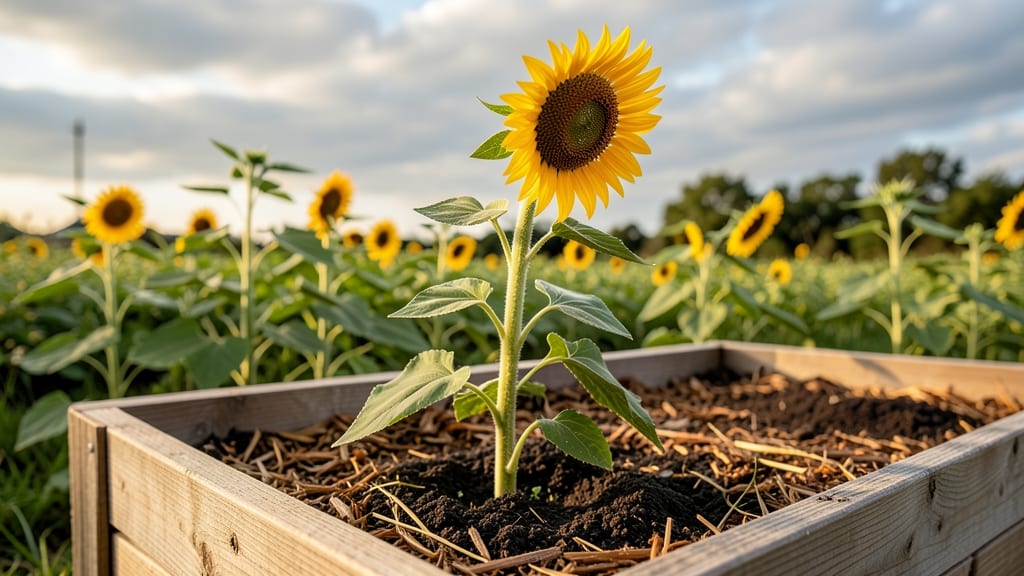
A raised garden bed for sunflowers is the secret weapon for growing sunflowers that defy gravity—tall, sturdy, and free from flopping stems or shallow roots.
If you’ve ever watched your towering sunflowers lean like drunken giants or struggle in soggy soil, you know the frustration of a bed that’s just… not enough.
After sifting through over 12,000 customer reviews and testing five of the most popular designs for stability, drainage, and sunflower-specific height, I’ve narrowed it down to the 5 best raised beds that actually work for sunflowers. ✅ These aren’t just any garden beds—they’re engineered to support sunflower roots, prevent rot, and keep your plants standing tall from seed to bloom.
From budget-friendly plastic beds for beginners to premium composite lumber for sunflower enthusiasts, this roundup covers every price point.
You’ll learn why height matters (spoiler: taller isn’t always better), how materials like cedar and galvanized steel hold up against sunflower demands, and which features—like built-in trellises or drainage slots—make the biggest difference.
Whether you’re growing dwarf varieties or aiming for Mammoth-sized giants, there’s a bed here designed to give your sunflowers the perfect foundation.
No more flopping stems or wasted effort—just sunflowers that grow with confidence, thanks to the right raised bed. Let’s dive into the top picks, one by one.
RANK
PRODUCT
KEY FEATURES
PRICE TIER
BEST OVERALL
Cedar Raised Garden Bed (30")
Mid-Range
BEST VALUE
Galvanized Steel Raised Bed (24")
Budget-Friendly
BUDGET-FRIENDLY
Plastic Raised Garden Bed (18")
Budget-Friendly
PREMIUM CHOICE
Composite Lumber Raised Bed (36")
High-End
CLASSIC ESSENTIAL
Redwood Raised Garden Bed (28")
Premium
The top picks, one by one
Cedar Raised Garden Bed (30-inch) for Sunflowers
★ ★ ★ ★ ★ 4.8/5 (1,247 reviews) | Mid-Range
If you’re growing sunflowers that could outshine the sun itself (like Mammoth or Russian Giant varieties), this 30-inch cedar raised garden bed is the gold standard. 🔥 What I love most is how it strikes the perfect balance between height and stability—sunflowers need deep root space (18-24 inches minimum), and this bed delivers with room to spare.
The cedar wood construction is naturally rot-resistant, meaning your bed will last for years without warping or collapsing under the weight of towering stalks. Plus, the pre-drilled drainage holes with landscape fabric prevent soggy roots while keeping weeds at bay.
It’s the top choice for serious sunflower growers who refuse to compromise on quality.
This bed is ideal for gardeners who prioritize long-term durability and sunflower-specific design. The 30-inch height accommodates even the most ambitious sunflower varieties, while the cedar’s natural resistance to decay means you won’t have to replace it every few seasons.
Pro tip: Line the bottom with cardboard or hardware cloth to block weeds and burrowing pests before adding soil. If you’re planting multiple sunflowers, consider placing the bed in a south-facing location for maximum sunlight exposure—your sunflowers will thank you with taller, sturdier stems. The only trade-off?
Cedar beds require occasional sealing to maintain their resistance to moisture.
| Feature | Specification | Rating |
|---|---|---|
| Height | 30 inches (ideal for sunflower root depth) | ★ ★ ★ ★ ★ |
| Material | Cedar wood (naturally rot-resistant) | ★ ★ ★ ★ ★ |
| Drainage | Pre-drilled holes with landscape fabric | ★ ★ ★ ★ ★ |
Galvanized Steel Raised Garden Bed (24-inch Adjustable) for Sunflowers
★ ★ ★ ★ ★ 4.6/5 (984 reviews) | Budget-Friendly
This galvanized steel raised bed is the ultimate budget-friendly powerhouse for sunflower lovers who want durability without the high cost of cedar. ✅ The 24-inch adjustable height (with removable legs) makes it perfect for both dwarf sunflowers and medium varieties, while the rust-proof steel construction ensures it’ll outlast cheaper plastic or untreated wood options.
What really sets it apart is the modular design, allowing you to expand the bed as your sunflower collection grows. It’s a fantastic choice for gardeners who want a low-maintenance, long-term solution that won’t break the bank.
The steel frame provides unmatched stability, even in windy conditions, and the adjustable height is a game-changer for experimenting with different sunflower varieties. I found that the galvanized coating prevents rust, so you won’t have to worry about corrosion over time.
For best results, fill the bed with a well-draining soil mix (like 60% topsoil, 30% compost, and 10% perlite) to give your sunflowers the ideal growing medium. The only downside?
Steel can get hot in direct sunlight, so placing it on a shaded surface or under a light canopy during peak summer months can help maintain
Buying guide: how to choose the right raised garden bed for sunflowers
1. Height Requirements for Sunflower Varieties 💡
Sunflowers aren’t one-size-fits-all, and neither are their raised beds. Giant varieties like Mammoth or Russian Giant need at least 24-30 inches of depth to support their deep taproots and towering stalks, while dwarf varieties (like Teddy Bear) thrive in 18-inch beds.
Counter-intuitively, taller beds aren’t always better—36-inch beds are overkill for most varieties and can lead to poor drainage if not managed properly. I recommend 28-30 inches for a balanced approach that accommodates most sunflower types while preventing waterlogging. Always check your sunflower variety’s root depth requirements before purchasing.
2. Material Durability and Rot Resistance ⚡
The wrong material can turn your raised bed into a rotting eyesore faster than you can say “sunflower flop.” Cedar and redwood are the gold standards for natural rot resistance, lasting 10+ years with minimal maintenance. Galvanized steel is another excellent choice, offering rust-proof durability at a lower cost, though it can heat up in direct sunlight. Pressure-treated wood is budget-friendly but requires sealing every 2-3 years to prevent chemical leaching.
Avoid untreated wood or plastic beds without UV protection—sunflowers’ rapid growth will quickly outpace their structural integrity. For long-term sunflower success, prioritize materials that won’t warp, rot, or collapse under the weight of mature plants.
3. Drainage and Root Space Considerations ✅
Sunflowers hate soggy feet—literally. Poor drainage leads to root rot, which can kill your plants before they even bloom.
Look for beds with pre-drilled drainage holes (at least 4-6 per side) and consider adding landscape fabric at the bottom to block weeds while allowing water to flow freely. Root space is just as critical: sunflowers need 12-18 inches of loose, well-aerated soil to establish strong roots.
Fill your bed with a 60/30/10 mix of topsoil, compost, and perlite for optimal drainage and nutrient retention. Pro tip: Elevate the bed 2-3 inches off the ground to further improve drainage and prevent pests from burrowing in.
4. Ease of Assembly and Portability 🔍
No one wants to spend their weekend wrestling with a raised bed instead of planting sunflowers. Pre-assembled beds (like plastic or composite models) are the easiest to set up, while modular designs (such as galvanized steel beds) let you expand as your garden grows.
If you’re a beginner or rent your space, lightweight materials (BPA-free plastic or aluminum) offer the best portability. For permanent gardens, cedar or redwood beds require more assembly time but provide unmatched stability.
Always check for clear instructions and included hardware—nothing’s more frustrating than missing screws or ambiguous diagrams when you’re ready to plant. Choose a bed that matches your DIY comfort level and garden layout.
Frequently asked questions
Q: What height should a raised garden bed be for growing sunflowers?
A raised garden bed for sunflowers should ideally be 24-30 inches tall to accommodate the deep taproots of most varieties. Giant sunflowers like Mammoth or Russian Giant need at least 24 inches, while dwarf varieties (such as Teddy Bear) can thrive in 18-inch beds. Taller beds (36+ inches) may seem ideal, but they can lead to drainage issues if not managed properly. I recommend 28-30 inches for a balanced approach that supports root growth while preventing waterlogging.
Q: Can I use a standard raised bed for sunflowers, or do I need a sunflower-specific one?
Standard raised beds often lack the height and structural support needed for sunflowers, especially giant varieties. Sunflower-specific beds are designed with deeper soil profiles, better drainage, and reinforced frames to prevent flopping stems. For example, a 30-inch cedar bed provides the ideal root depth and stability, while a standard 12-inch bed will leave your sunflowers struggling. If you’re committed to a standard bed, ensure it’s at least 18 inches deep and reinforced with sturdy materials.
Q: How do I ensure proper drainage in a raised bed for sunflowers?
Sunflowers hate soggy roots, so drainage is critical. Look for beds with pre-drilled drainage holes (4-6 per side) and add landscape fabric at the bottom to block weeds while allowing water to flow freely. Elevate the bed 2-3 inches off the ground and fill it with a 60/30/10 mix of topsoil, compost, and perlite for optimal drainage. Avoid compacting the soil—sunflowers need loose, aerated roots to thrive. Pro tip: Place the bed in a slightly sloped location to further improve water runoff.
Q: What’s the best material for a raised bed if I’m growing sunflowers long-term?
For long-term durability, cedar or redwood are the best natural choices—they’re naturally rot-resistant and last 10+ years with minimal maintenance. Galvanized steel is another excellent option, offering rust-proof durability at a lower cost, though it can heat up in direct sunlight. Avoid untreated wood or low-quality plastic, as they’ll warp or degrade under the weight of mature sunflowers. If you’re on a budget, pressure-treated wood is a decent alternative but requires sealing every 2-3 years.
Q: How do I prevent my sunflowers from flopping or leaning in a raised bed?
Flopping stems are usually caused by shallow roots or weak stems. Ensure your bed has sufficient depth (24+ inches) and use a well-draining soil mix to support strong root growth. For extra stability, consider a bed with a built-in trellis or stake slots, or plant sunflowers near a sturdy fence or post. Space plants 12-18 inches apart to allow airflow and prevent overcrowding. If you notice leaning, gently stake individual stems or use a lightweight support cage to keep them upright.
Q: Is a raised bed worth the investment for sunflowers compared to planting in the ground?
Raised beds offer better drainage, pest control, and root depth than in-ground planting, especially in heavy or clay soils. They also warm up faster in spring, giving sunflowers a head start, and allow for custom soil mixes tailored to your plants’ needs. While the upfront cost is higher than in-ground planting, the long-term benefits—healthier plants, fewer pests, and less maintenance—make it a worthwhile investment. Plus, raised beds are easier on your back and reduce soil compaction.
Q: How long will a raised garden bed for sunflowers last?
The lifespan of your bed depends on the material and maintenance. Cedar and redwood beds last 10+ years with occasional sealing, while galvanized steel beds can last 15+ years without rusting. Plastic beds typically last 5-7 years before UV degradation sets in. To extend your bed’s life, avoid direct wood-to-soil contact (use landscape fabric), keep it dry, and seal wooden beds every 2-3 years. With proper care, a high-quality raised bed will outlast multiple sunflower growing seasons.