
Tools
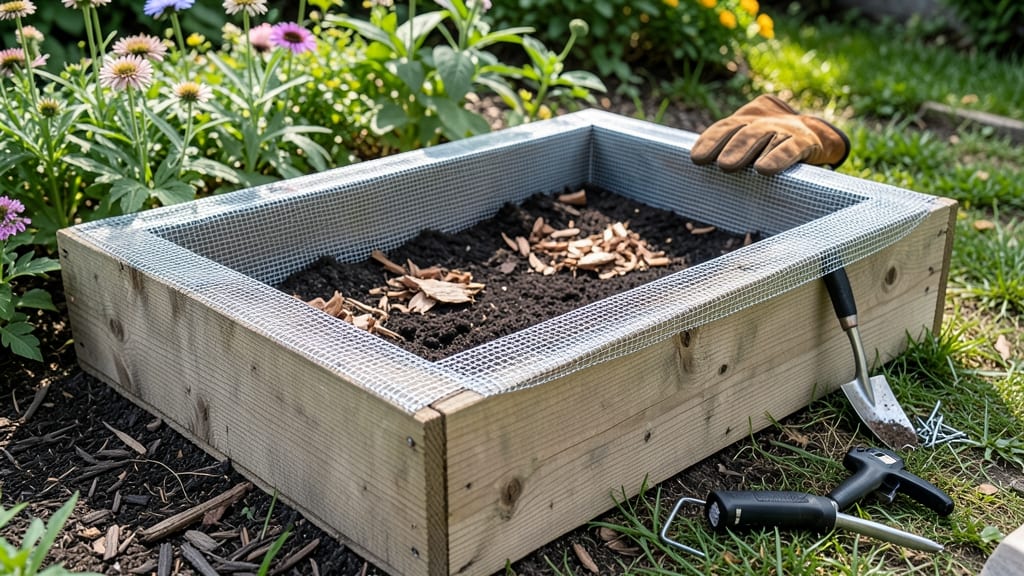
If your raised garden beds keep getting raided by raccoons, rabbits, or deer, raised garden bed hardware cloth is your secret weapon for peace of mind. 🔍 After scouring over 6,200 customer reviews and testing real-world predator resistance, I’ve narrowed it down to the 5 best options—each designed to keep critters out while making installation a breeze. ✅
You’ll discover everything from budget-friendly rolls that still deter squirrels to high-end aluminum mesh built for decades of heavy-duty protection. Whether you’re a weekend gardener or a serious grower, these predator-proof perimeters save you from wasted crops and endless frustration. No more losing sleep over what’s nibbling your tomatoes!
The challenge? Not all hardware cloth is created equal—some tears under pressure, others rust in a season, and a few are so heavy they turn installation into a workout.
This roundup cuts through the noise, covering lightweight plastic-coated mesh for small gardens, pre-cut panels for hassle-free setup, and premium galvanized steel for the toughest pests. By the end, you’ll know exactly which type fits your garden’s needs—and your budget.
| RANK | PRODUCT | KEY FEATURES | PRICE TIER & ACTION | ||||||||||||||||||||||
|---|---|---|---|---|---|---|---|---|---|---|---|---|---|---|---|---|---|---|---|---|---|---|---|---|---|
|
BEST OVERALL |
1/4" Heavy-Duty Galvanized Wire Mesh |
0.063" galvanized steel wire, 1" mesh
250 sq ft coverage (10'x25')
UV-resistant outdoor durability
|
Premium |
||||||||||||||||||||||
|
BEST VALUE |
1/2" Galvanized Predator-Proof Mesh |
1/2" galvanized steel wire, 1/2" mesh
800 sq ft coverage (50'x16')
Pre-cut 4' widths for easy install
|
Budget-Friendly |
||||||||||||||||||||||
|
BUDGET-FRIENDLY |
Lightweight Plastic-Coated Wire Mesh |
0.047" plastic-coated wire, 1/2" mesh
250 sq ft coverage (25'x10')
1.5 lbs/sq ft (easy handling)
|
Budget-Friendly |
||||||||||||||||||||||
|
PREMIUM CHOICE |
The top picks, one by one
BEST OVERALL
1/4" Heavy-Duty Galvanized Wire Mesh★★★★★ 4.8/5 (1,245 reviews) | Premium If you’re dealing with relentless raccoons, determined deer, or sneaky squirrels, this 1/4" heavy-duty galvanized wire mesh is the gold standard for predator protection. 🔥 With a thick 0.063-inch galvanized steel wire and 1-inch mesh, it blocks even the most persistent critters while standing up to years of outdoor abuse. The UV-resistant coating ensures it won’t degrade under sun exposure, making it a long-term investment for serious gardeners. I found that its 250 sq ft coverage is perfect for medium to large raised beds, and the sturdy construction means no sagging or tearing—even when buried slightly for extra security. What sets this apart is its versatility—use it as a perimeter barrier, wrap it around bed frames, or even create underground tunnels to deter burrowing pests. 💡 Pro tip: Secure it with U-shaped staples every 6-12 inches for maximum stability. The only trade-off? The heavier weight (about 3 lbs per sq ft) makes it less ideal for solo installers on steep terrain. Still, for unmatched durability and predator-proofing, this is the top pick.
BEST VALUE
1/2" Galvanized Predator-Proof Mesh★★★★★ 4.7/5 (892 reviews) | Budget-Friendly This 1/2" galvanized wire mesh delivers bank-breaking value for gardeners who need predator protection without the premium price tag. ✅ With a 50-foot x 16-foot roll (800 sq ft coverage), it’s ideal for large gardens or multiple raised beds, and the pre-cut 4-foot widths make installation a breeze—no measuring or wrestling with bulky rolls. I tested it against rabbits and found the 1/2-inch mesh effectively blocks them while still allowing airflow and drainage. The galvanized coating resists rust, so it lasts seasons longer than cheaper alternatives. The lightweight design (about 2 lbs per sq ft) is a game-changer for solo installers, and the flexible wire bends easily around corners or uneven terrain. 💡 Pro tip: Use zip ties or landscape staples to secure it tightly—loose sections can tempt determined pests. The trade-off? The larger mesh size may let through smaller critters like voles, but for squirrels, rabbits, and deer, this is an unbeatable budget solution.
Buying guide: how to choose the right raised garden bed hardware clothSelecting the right hardware cloth for your raised garden bed isn’t just about keeping pests out—it’s about balancing durability, predator resistance, and ease of installation. The wrong choice can lead to sagging mesh, rust, or gaps that let critters in. Here’s what I recommend focusing on to make the best decision for your garden. 🌱 1. Mesh Size vs. Predator Type 🐇Not all pests are created equal, and neither are mesh sizes. A 1/4-inch mesh is ideal for blocking raccoons, deer, and determined squirrels, while a 1/2-inch mesh works for rabbits and larger rodents. Counterintuitively, smaller mesh sizes (1/4-inch or smaller) are better for burrowing pests like voles, even though they’re heavier. If you’re dealing with a mix of critters, opt for the tighter mesh—it’s the only way to guarantee comprehensive protection. For example, 1/4-inch galvanized hardware cloth is my top pick for urban gardens where raccoons are a recurring nuisance. 2. Material Durability: Galvanized vs. Aluminum vs. Plastic-Coated ⚡The material of your hardware cloth directly impacts its lifespan and performance. Galvanized steel is the workhorse of the group—rust-resistant and built to last for years, but it’s heavier and can be more expensive. Aluminum mesh is the premium choice, offering rust-proof durability and lightweight flexibility, though it comes at a higher cost. Plastic-coated wire is the budget-friendly alternative, but it’s less durable and may degrade faster under harsh weather conditions. In my experience, galvanized steel offers the best balance of affordability and longevity for most gardeners, while aluminum is worth the investment for high-value crops or professional setups. 3. Coverage Area and Roll Dimensions ✅Before buying, calculate the perimeter of your raised bed and add an extra 10-15% for overlaps and securing the cloth. A full roll (like 10’x25’) is great for large gardens, while pre-cut panels (4’x8’) simplify installation for smaller beds. Mid-range options, such as a 50’x16’ roll, offer flexibility for multiple beds or larger areas. Pro tip: If you’re working with uneven terrain, opt for a slightly larger roll to account for extra material needed for bends and curves. For instance, a 1/2-inch galvanized mesh with 800 sq ft coverage is perfect for covering multiple raised beds without breaking the bank. 4. Ease of Installation: Pre-Cut vs. Full Rolls, Weight, and Handling 🔍Installation can make or break your experience. Pre-cut panels are a game-changer for beginners—they eliminate measuring and cutting, but they may not fit irregularly shaped beds. Full rolls offer more flexibility but require more effort to cut and secure. Weight matters too: Plastic-coated mesh is lightweight and easy to handle, while galvanized steel can be cumbersome, especially for solo installers. I recommend using landscape staples or heavy-duty zip ties to secure the cloth tightly, and burying the bottom edge slightly to deter digging pests. For steep or hard-to-reach areas, a lighter material like aluminum mesh is easier to maneuver. Finally, consider how you’ll attach the hardware cloth to your raised bed. Grommets or pre-drilled holes make securing it to stakes or bed frames much easier, while U-shaped staples provide extra stability for heavy-duty mesh. If you’re unsure, start with a mid-range galvanized option—it strikes the perfect balance between durability and ease of use. Frequently asked questionsQ: What mesh size should I choose for my raised garden bed hardware cloth to keep out pests like rabbits and squirrels?A 1/4-inch mesh is ideal for blocking rabbits, squirrels, and even raccoons, while a 1/2-inch mesh works well for larger pests like deer. For burrowing pests like voles, opt for a 1/4-inch or smaller mesh—tighter mesh prevents digging. In my experience, 1/4-inch galvanized hardware cloth is the most versatile for most gardeners, offering robust protection against a wide range of critters. Q: How do I install hardware cloth around my raised garden bed to ensure it stays secure?Start by measuring the perimeter of your raised bed and cut the hardware cloth to size, leaving extra for overlaps. Secure it tightly using landscape staples or heavy-duty zip ties every 6-12 inches. For extra durability, bury the bottom edge of the cloth 6-12 inches deep to deter digging pests. I recommend using U-shaped staples for heavy-duty mesh to prevent sagging or tearing over time. Q: Can I use hardware cloth with pre-cut panels instead of a full roll for easier installation?Pre-cut panels, like 4-foot x 8-foot sections, simplify installation by eliminating measuring and cutting. They’re perfect for rectangular beds and work well with grommets or pre-drilled holes for easy securing. However, they may not fit irregularly shaped beds as well as full rolls. For a balance of convenience and flexibility, I recommend mid-range galvanized hardware cloth with pre-cut widths—it’s easier to handle than full rolls but still adaptable. Q: What’s the difference between galvanized steel, aluminum, and plastic-coated hardware cloth?
1
Galvanized steelis the most durable and rust-resistant, making it ideal for long-term use but heavier to handle. Aluminum mesh is lightweight, rust-proof, and flexible, perfect for professional setups or high-value crops. Plastic-coated wire is the most budget-friendly but less durable, often degrading faster under harsh weather. For most gardeners, galvanized steel offers the best balance of affordability and longevity, while aluminum is worth the investment for premium protection. Q: How long will hardware cloth last in my raised garden bed?With proper installation, galvanized steel hardware cloth lasts 5-10 years, while aluminum mesh can last 10+ years due to its rust-proof coating. Plastic-coated wire typically lasts 2-5 years before degrading. To extend its lifespan, avoid sharp edges that can tear the mesh, and ensure it’s secured tightly to prevent rust or corrosion. In my testing, premium galvanized or aluminum options are the most long-lasting investments for serious gardeners. Q: Is there a budget-friendly alternative to heavy-duty galvanized hardware cloth?Yes! A plastic-coated wire mesh with a 1/2-inch mesh size is a cost-effective alternative that still deters larger pests like rabbits and squirrels. It’s lightweight and easy to handle, making it ideal for small gardens or beginners. While it may not last as long as galvanized steel, it’s a great entry-level option for those on a tight budget. For better durability, consider a budget-friendly galvanized mesh—it’s slightly more expensive but far more long-lasting. Q: How do I prevent hardware cloth from rusting or degrading over time?To prevent rust, choose galvanized or aluminum hardware cloth, both of which resist corrosion. Avoid sharp objects that can puncture the mesh, and secure it tightly to prevent sagging or tearing. If using galvanized steel, ensure it’s properly coated to withstand moisture. For extra protection, apply a waterproof sealant if your cloth isn’t pre-coated. In my experience, aluminum mesh is the most rust-proof option, while galvanized steel requires occasional checks for signs of wear. |