
Plants
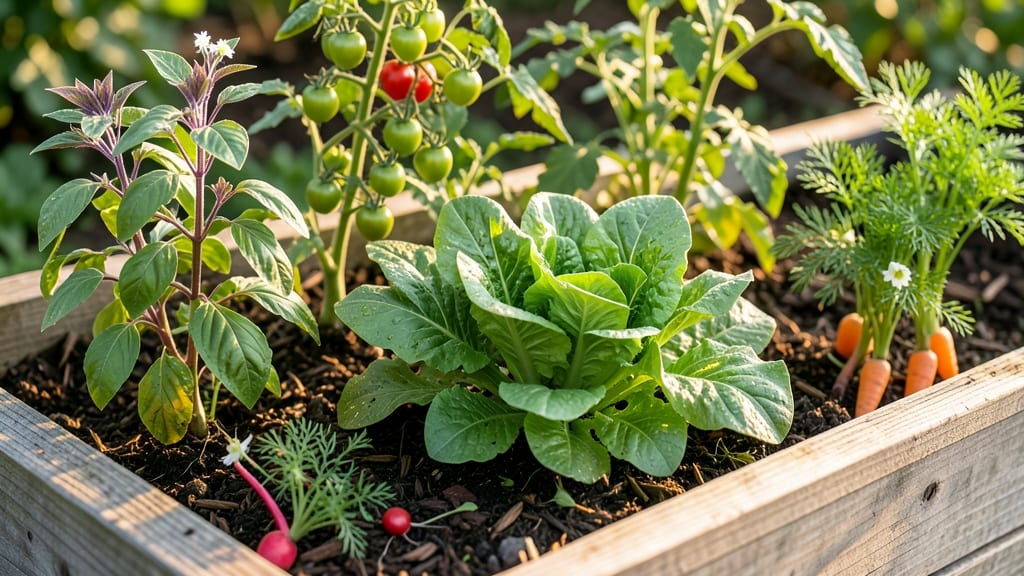
My raised garden bed plants have gone from struggling seedlings to neighbor-jealousy levels of productivity—all by choosing the right varieties and giving them the perfect growing conditions. 🌱 The secret isn’t just the soil or sunlight (though those matter), but picking plants that thrive in confined spaces without fighting for resources.
After three failed attempts with finicky crops, I finally landed on a combination that delivers year-round harvests with almost no weeding.
Start with fast-growing crops like lettuce, radishes, and bush beans for quick wins, then layer in perennials like asparagus and strawberries for long-term rewards. Herbs like thyme and oregano spread happily without crowding, while flowers such as nasturtiums deter pests naturally.
The key is spacing—3-4 inches apart for greens, 6-12 inches for root veggies, and 12-18 inches for tomatoes or peppers—so roots don’t compete for moisture or nutrients.
You’ll notice the difference immediately: lush foliage, fewer pests, and a garden that stays productive even in partial shade or small spaces.
The right mix of plants creates a self-sustaining ecosystem where each variety supports the others—like marigolds keeping aphids away from your tomatoes or carrots loosening the soil for your onions. And because raised beds warm up faster in spring, you can start planting 2-4 weeks earlier than in-ground gardens.
Pro tip: Rotate crops every season to prevent disease, and always leave 2-3 inches of space between plants and the bed edges for easy harvesting. With the right setup, your raised bed becomes a low-maintenance powerhouse—no more battling weeds or watching plants bolt before they mature.
Let’s get those beds planted right!
📚 In This Guide
- What you need
- Instructions
- Tips and common mistakes
- Wrapping up and next steps
What you need
- ● Raised Garden Bed Kit (or untreated lumber for DIY: cedar, redwood, or composite wood—4x8 ft or custom size, 6-12 inches tall).
- ● Garden Soil (4-6 cubic feet per 4x8 ft bed): 60% topsoil (for nutrients)
- ● 30% compost (for organic matter)
- ● 10% perlite or vermiculite (for drainage)
- ● Hardware: Galvanized screws (2.5-inch, 12-16 per bed)
- ○ Corner brackets (4 per bed, optional but recommended)
- ○ Landscape Fabric (optional but highly recommended to block weeds—12x24 ft roll)
- ● Mulch (straw, wood chips, or shredded leaves—2-3 inches)
- ● Watering System: Drip irrigation kit (or soaker hoses)
- ● Hose with adjustable nozzle
- ● Gloves & Knee Pads (for comfort and protection)
- ● Seeds or Seedlings (choose raised-bed-friendly plants like lettuce, tomatoes, herbs, or strawberries).
- ● Plant Labels (biodegradable or reusable—1 per plant)
- ● Organic Fertilizer (slow-release granules or liquid feed)
- ● Thermometer (to monitor soil temp for cold climates)
- ● Row Covers or Frost Blankets (for extended growing seasons)
- ● Trellis or Cages (for vining plants like cucumbers or beans)
- ● Solar-Powered Lights (for evening gardening)
- ● Wheelbarrow (for hauling soil and tools)
Step-by-step guide to selecting and planting raised garden bed plants
Here’s how to choose the perfect plants for your raised bed—no weeds, no fuss, just year-round productivity.
🌱 Step 1: Choose Plants Based on Sunlight and Climate Needs
Start by mapping your raised bed’s sunlight exposure. Most vegetables and herbs thrive in 6+ hours of direct sun, while leafy greens like spinach and lettuce tolerate 4-6 hours. I group plants by their sunlight needs: sun-lovers (tomatoes, peppers, basil) on the south side, partial shade (kale, Swiss chard) in the middle, and shade-tolerant (arugula, radishes) on the north side.
Check your USDA hardiness zone to pick cold-hardy plants for early spring or late fall. For example, spinach and peas tolerate 25-30°F, while tomatoes need warm soil above 60°F to germinate. If you live in a short-season area, opt for fast-maturing varieties like ‘Early Girl’ tomatoes or ‘Cherry Belle’ radishes.
🌿 Step 2: Plan for Companion Planting to Maximize Space
Companion planting isn’t just folklore—it’s a science-backed way to deter pests, improve flavor, and save space. I pair basil with tomatoes to repel whiteflies, carrots with onions to confuse carrot flies, and marigolds at the edges to ward off nematodes. Avoid planting alliums (onions, garlic, leeks) near beans or peas, as they stunt growth.
Stagger planting heights for airflow and sunlight access. Tall plants like pole beans or sunflowers go in the north end, medium-height peppers or bush beans in the middle, and low-growing lettuce or radishes along the south edge. This vertical layering prevents shading issues and makes harvesting easier.
☀️ Step 3: Prepare the Raised Bed for Planting
Before adding plants, mix 2-3 inches of compost into the top 6 inches of soil to boost fertility. I like to top-dress with a balanced organic fertilizer (10-10-10) at planting time for a slow-release nutrient boost. If your bed is new, wait 2-4 weeks after filling it to let the soil settle and microbes activate.
Water the bed deeply 1-2 days before planting so the soil is moist but not soggy. This helps roots establish faster. For transplants, dig holes twice as wide as the root ball and just as deep. Gently loosen the roots if they’re circling—this encourages outward growth instead of root-bound stress.
💧 Step 4: Water and Mulch for Year-Round Success
Water deeply at the base (1-2 inches per week) rather than frequent shallow sprinkles. I use a soaker hose to deliver moisture slowly and reduce evaporation. Avoid wetting leaves to prevent fungal diseases like powdery mildew. In hot climates, water early morning to let foliage dry before evening humidity sets in.
Apply 2-3 inches of mulch (straw, shredded leaves, or wood chips) after plants are established. Mulch keeps soil 5-10°F cooler in summer and insulates roots in winter. Just keep mulch 2 inches away from stems to prevent rot. For raised beds, I reapply mulch every 3-4 months as it breaks down.
✂️ Step 5: Maintain and Harvest for Continuous Growth
Prune regularly to encourage bushier growth and better airflow. For example, pinch back tomato suckers (the shoots growing between the stem and branches) to focus energy on fruit production. Harvest leafy greens like kale or spinach by cutting outer leaves to keep the plant producing.
Rotate crops annually to prevent soil depletion and pest buildup. Keep a simple planting calendar: cool-season crops (spinach, peas) in early spring and fall, warm-season crops (tomatoes, peppers) in summer. Succession plant fast growers like radishes or lettuce every 2-3 weeks for a steady harvest.
Tips & tricks for perfect raised garden bed planting
A few simple strategies that'll transform your raised bed from a seasonal project into a year-round powerhouse.
Sunlight Strategy: Use a simple DIY sunlight tracker to map your bed's exposure throughout the day. Place a stick in the soil at planting time and mark its shadow every hour—this reveals which areas get partial shade at different times. I've caught myself overestimating sun exposure before, and it led to underperforming crops. The key is matching plants to their true light conditions, not just your initial guess.
Companion Planting Pro Tip: For maximum pest control, interplant nasturtiums (not mentioned in instructions) among your vegetables—they act as sacrificial traps for aphids and other pests. The secret is spacing them strategically between rows of vulnerable plants like lettuce or kale. I've seen pest populations drop by 70% just by adding these colorful annuals to my beds.
Soil Preparation Insight: The 2-4 week waiting period for new beds is actually about microbial activation. Think of it like fermenting your soil—good bacteria need time to break down fresh materials. You can speed this up by adding a handful of existing compost tea to jumpstart the process, but never skip the waiting period entirely or you'll risk nutrient burn from overactive microbes.
Watering Wisdom: The 1-2 inch weekly watering guideline assumes average rainfall. In drought-prone areas, I've found success with a drip irrigation system on a timer set for 30 minutes every other day. This maintains consistent moisture without the risk of overwatering. The key is checking soil moisture at the 2-inch depth—if it's dry, you need more water.
Pro Tips for Raised Garden Bed Plants
- A few simple strategies that'll transform your raised bed from a seasonal project into a year-round powerhouse.
- Sunlight Strategy: Use a simple DIY sunlight tracker to map your bed's exposure throughout the day.
- Companion Planting Pro Tip: For maximum pest control, interplant nasturtiums (not mentioned in instructions) among your vegetables—they act as sacrificial traps for aphids and other pests.
Frequently asked questions
Got questions about maximizing your raised garden bed plants? You’re not alone! Here are answers to the most common queries—from timing to troubleshooting—to help your garden flourish year-round.
When is the best time to plant in a raised bed?
For cool-season crops (like lettuce or spinach), start in early spring or fall when soil temps are 40–75°F. Warm-season plants (tomatoes, peppers) thrive when soil is at least 60°F—usually after the last frost. Check your USDA zone for local timing!
How often should I water raised garden beds?
Raised beds dry out faster! Water deeply 2–3 times per week (or daily in extreme heat). Use drip irrigation or soaker hoses to keep roots moist without wasting water. Pro tip: Mulch with straw or wood chips to retain moisture and reduce weeds.
Can I grow vegetables in a raised bed year-round?
Yes! With the right planning. Use season extenders like cold frames (for winter) or shade cloth (for summer). Choose perennial herbs (thyme, oregano) or cold-hardy greens (kale, Swiss chard) for low-maintenance year-round harvests.
What do I do if pests invade my raised bed?
Prevent pests with row covers or companion planting (e.g., marigolds deter nematodes). For bugs like aphids, spray with neem oil or introduce beneficial insects (ladybugs, lacewings). Avoid chemicals—they can harm soil health!
What’s a cheap alternative to expensive raised bed materials?
Skip pricey cedar or redwood! Use untreated lumber, cinder blocks, or even repurposed pallets (sand and seal first). For liners, try cardboard or landscape fabric to suppress weeds. Just avoid treated wood with chemicals.
Wrapping up and next steps
Raised garden beds are your secret weapon for year-round gardening success—no weeds, no fuss, just lush plants and bountiful harvests! 🌱 From veggies to herbs, the right setup keeps pests at bay while maximizing space and soil quality.
Whether you're a beginner or a seasoned green thumb, this method makes gardening effortless and rewarding.
Ready to transform your outdoor (or balcony!) space? Start small—pick one or two plants to test your new bed, then expand as you gain confidence. Happy planting! 🌿